Therapeutic exercise
Brachial Plexus Glide (Upper-Limb Neural Flossing)
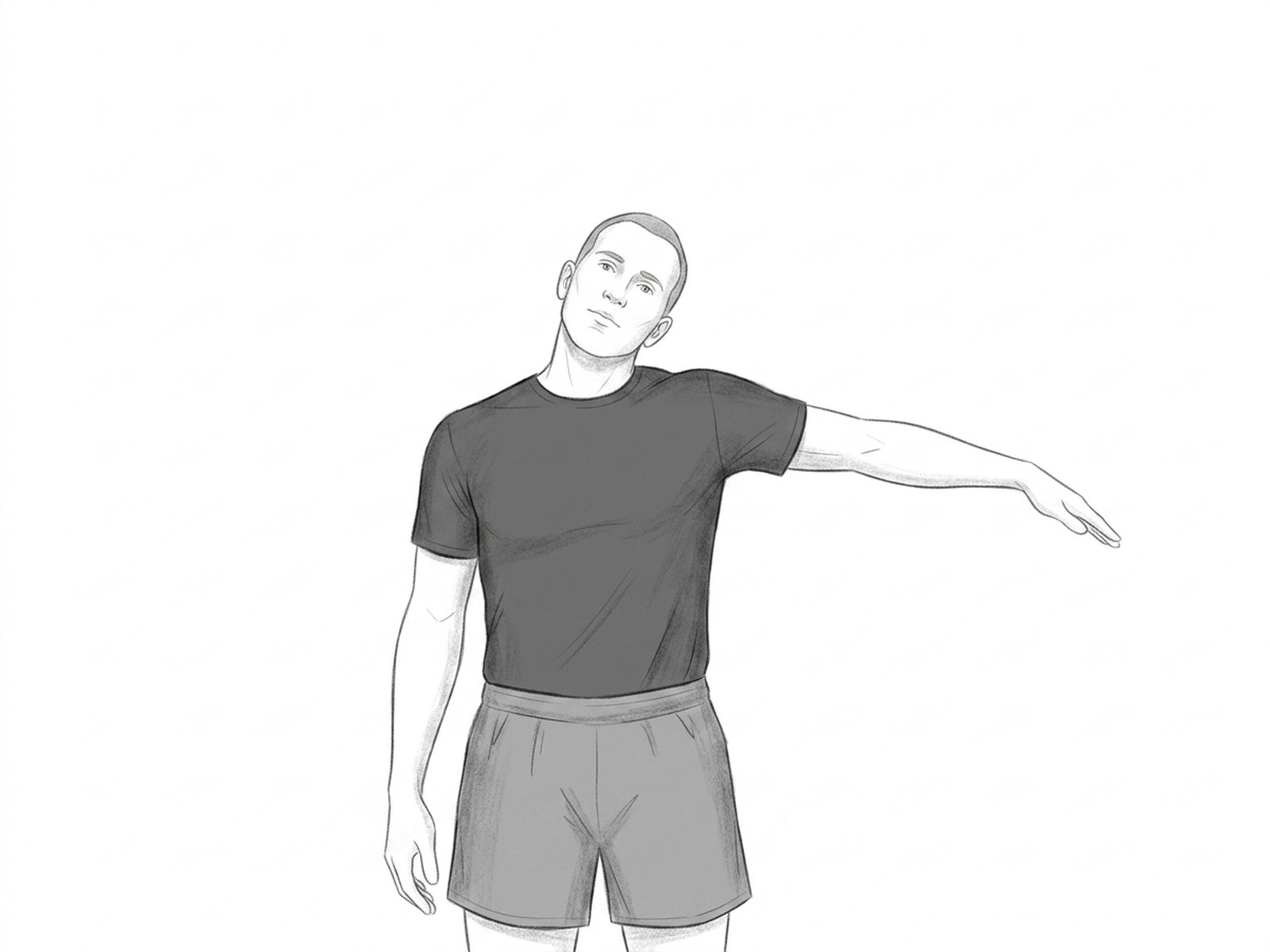
Global neural mobilization of the brachial plexus, combining cervical movements with upper-limb positioning under maximum tension. Broader than glides of individual nerves (median, ulnar, radial) — indicated in thoracic outlet syndrome and diffuse radicular symptoms.
How to perform
- Starting position. Stand with the arms relaxed at the sides.
- Step 2. Extend the affected arm laterally, parallel to the floor, with the palm facing up.
- Step 3. Flex the wrist, bringing the fingers toward the floor (sensation of tension in the anterior shoulder and arm).
- Step 4. To perform the glide, tilt the head to the side opposite the extended arm and, simultaneously, return the wrist to a neutral position — then reverse the movements rhythmically.
- Return. The movement should relieve neurogenic symptoms (tingling, numbness) — if it worsens them, reduce the range.
When not to perform
- Thoracic outlet syndrome with progressive motor deficit
- Cervical radiculopathy with motor involvement
- Recent traumatic brachial plexus injury
- Recent cervical surgery
- Decompensated peripheral neuropathy
- Severe neuropathic pain not responsive to treatment
Medical disclaimer. These exercises are presented for informational purposes only. Always consult your physician before starting any exercise program, especially in case of acute pain, recent injury, or underlying clinical condition.
Related Exercises
Scapular Retraction with Depression
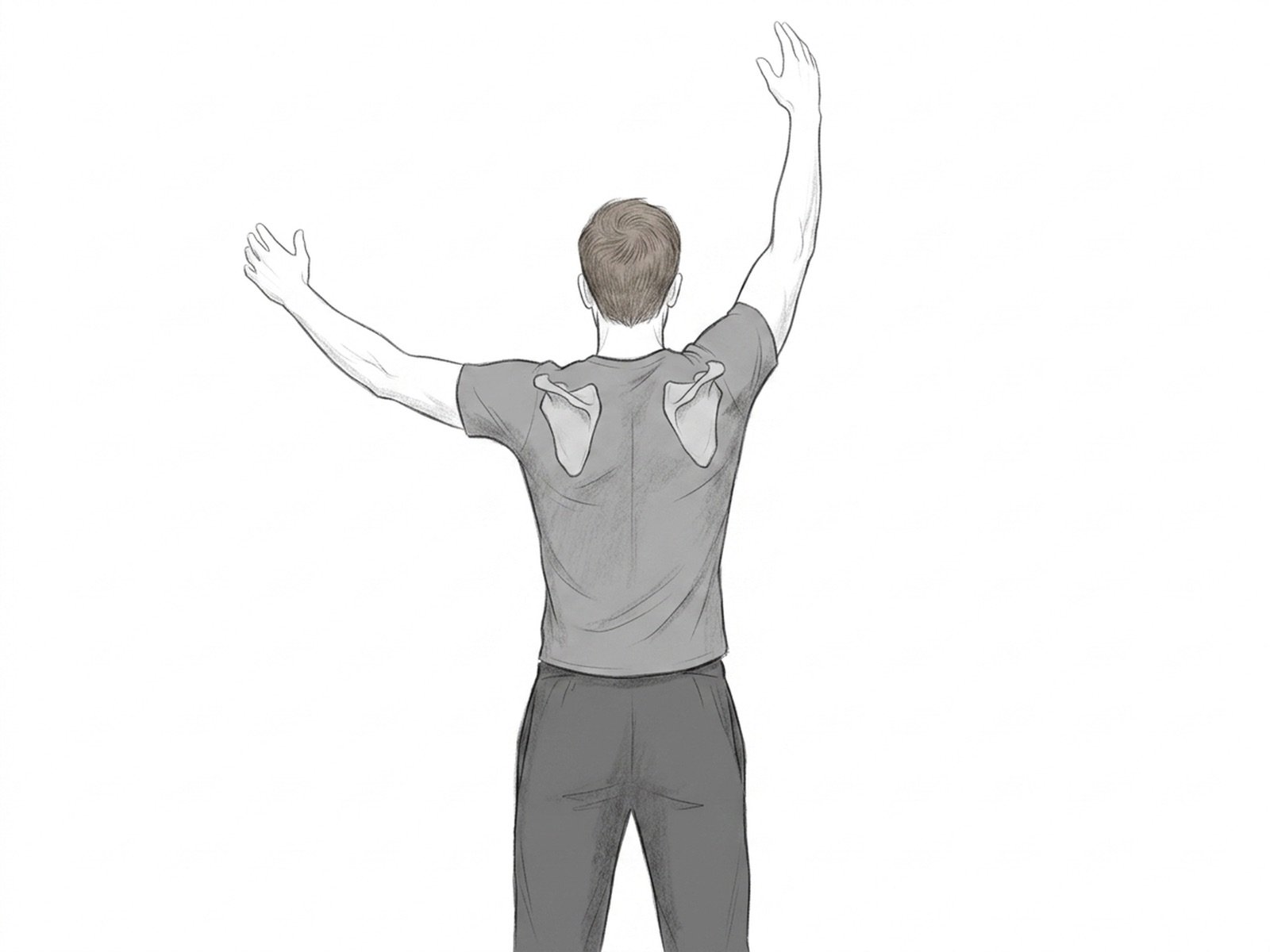
Scapular activation pattern combining retraction (drawing the scapulae together) with depression (lowering the scapulae). Essential for thoracic outlet syndrome and for correcting the chronic upper-trapezius elevation in patients with upper-crossed syndrome.
Scapular Retraction
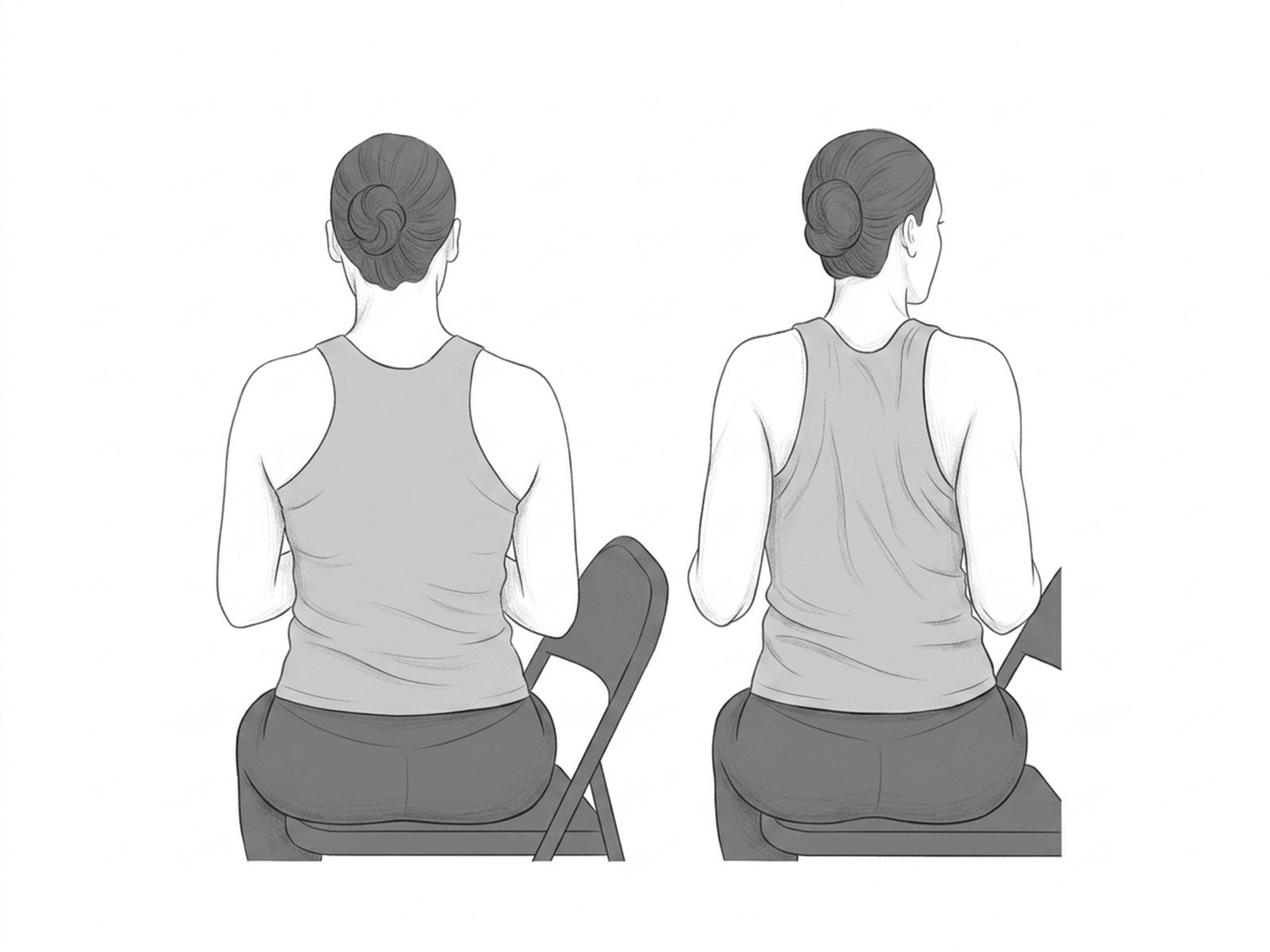
Strengthens the scapular stabilizers — which support cervical posture and relieve compensatory overload on the upper trapezius, a muscle commonly tense in patients with neck pain.
Supine Cervical Self-Traction
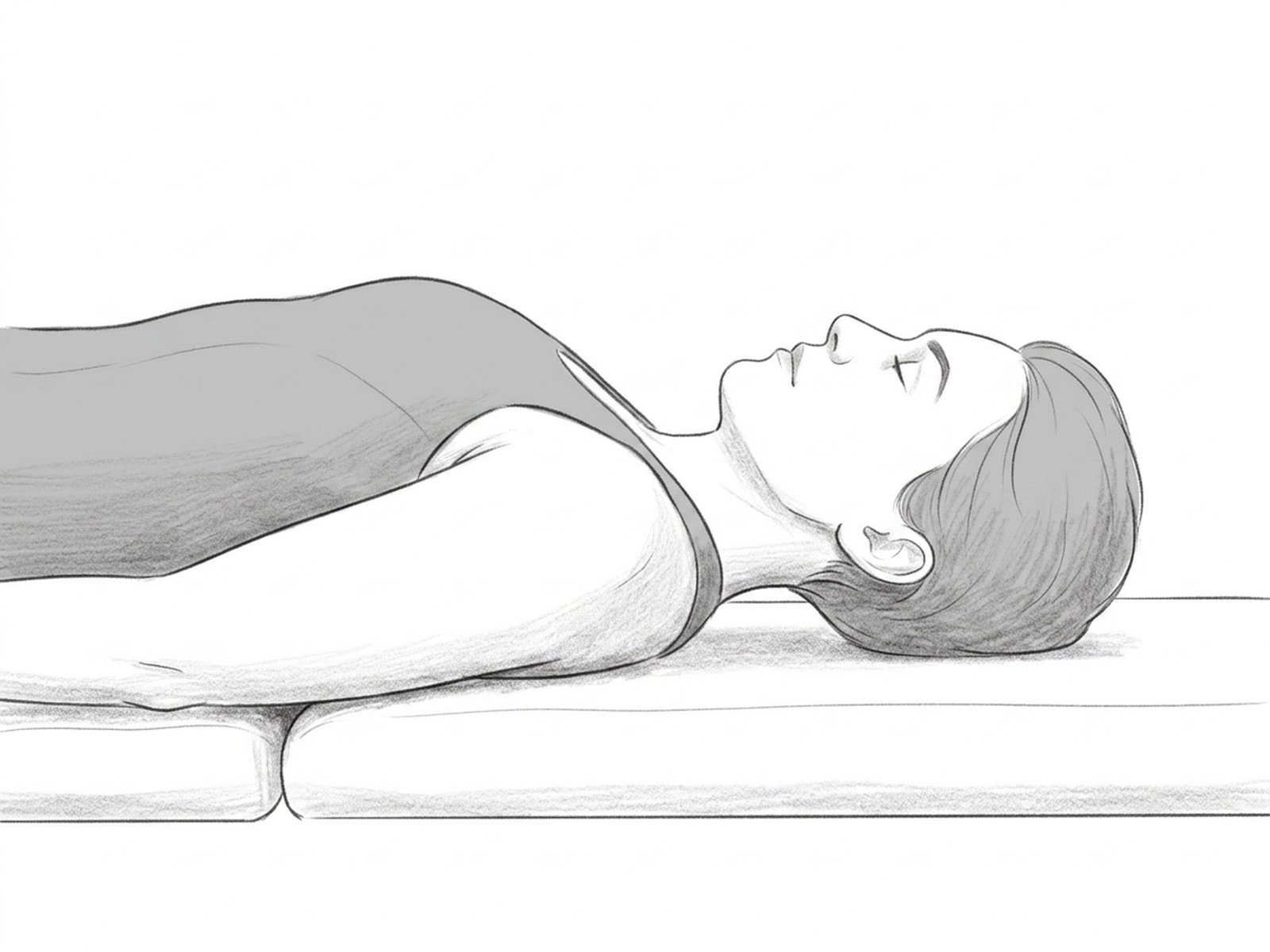
Self-traction technique that temporarily decompresses the cervical neural foramina. Useful in radiculopathy with arm radiation — the traction relieves root compression and promotes CSF flow.