Therapeutic exercise
Bridge March
A progression of the glute bridge with a single-leg stability challenge. Strengthens the glutes and core simultaneously, adding motor control to the load — relevant in hip osteoarthritis.
How to perform
- Starting position. Lie on your back with your knees bent and your feet flat on the floor.
- Step 2. Lift your hips into a stable bridge, squeezing your glutes.
- Step 3. Keeping the pelvis level, lift one knee toward your chest without dropping the hips.
- Return. Return the foot to the floor and alternate sides.
When not to perform
- Acute low back pain
- Inability to keep the pelvis level
Medical disclaimer. These exercises are presented for informational purposes only. Always consult your physician before starting any exercise program, especially in case of acute pain, recent injury, or underlying clinical condition.
Related Exercises
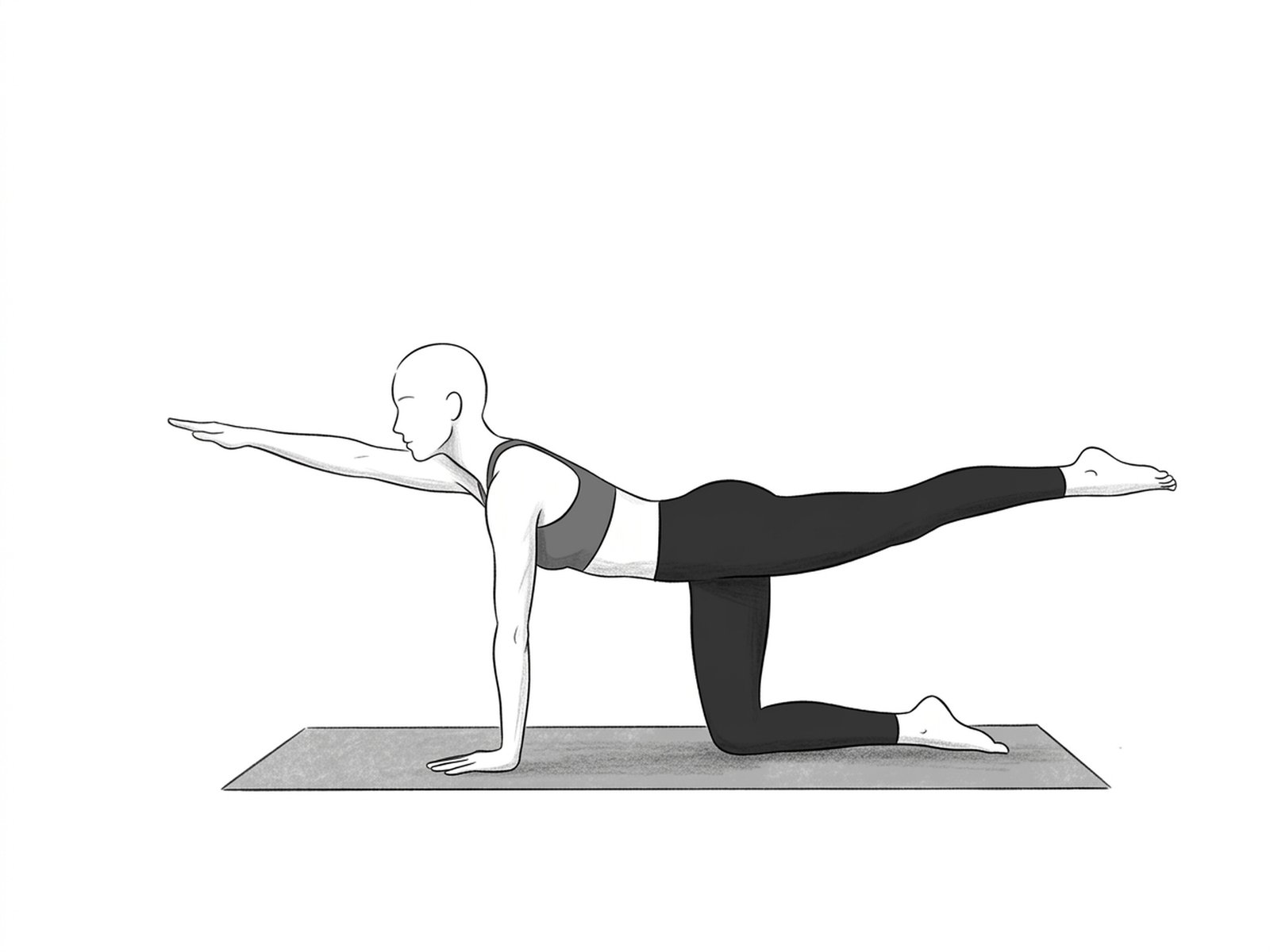
Bird Dog (Quadruped Cross-Pattern)
A core-stabilization exercise that trains neuromuscular control of the spine during limb movement. Widely used in the rehabilitation of chronic non-specific low back pain.
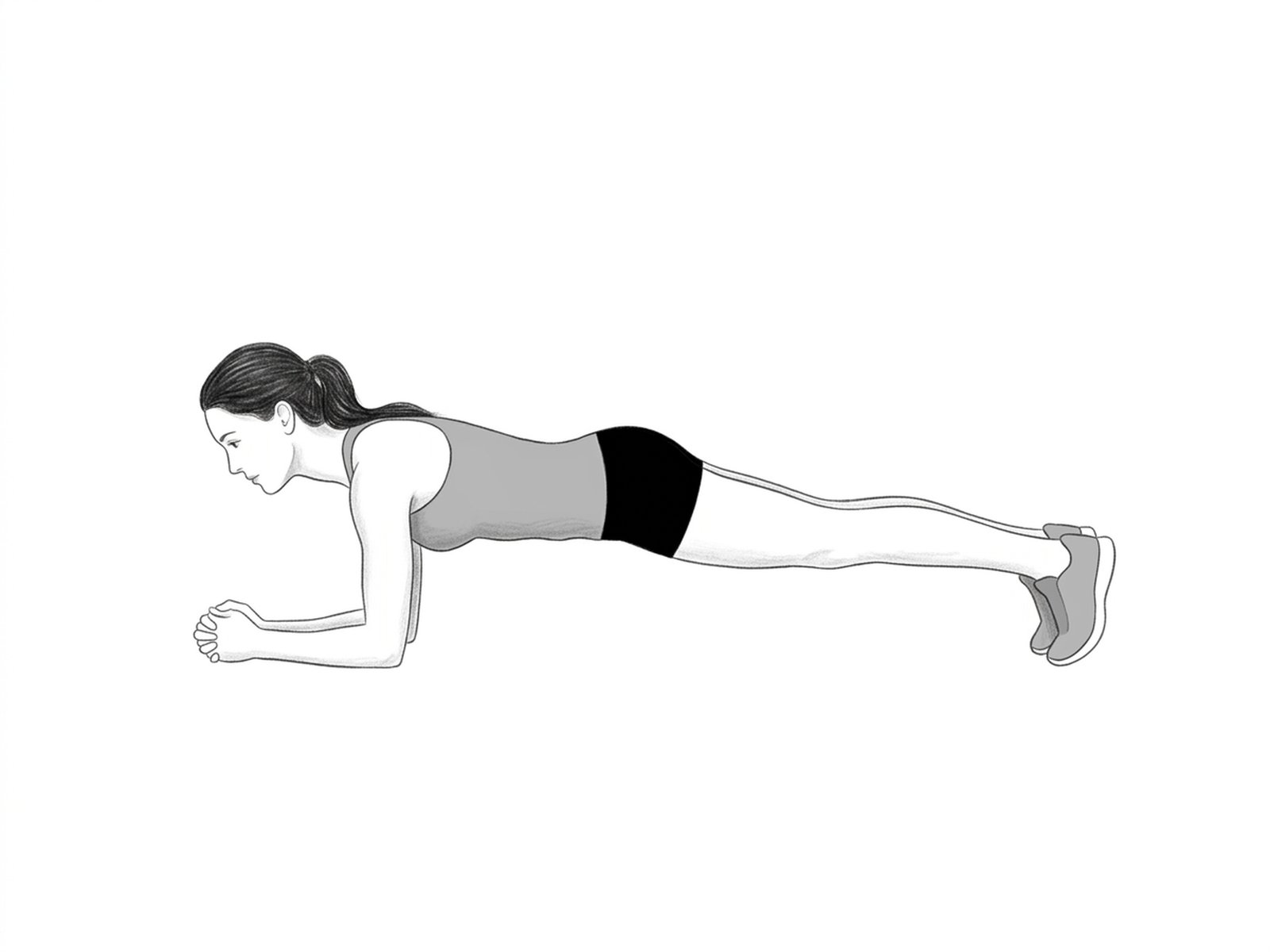
Front Plank (Regular and Modified)
Integrated isometric contraction of the spinal stabilizers in a closed kinetic chain, in a prone position on the forearms. A key exercise in core instability rehabilitation — trains anti-gravity co-contraction that transfers to functional activities.
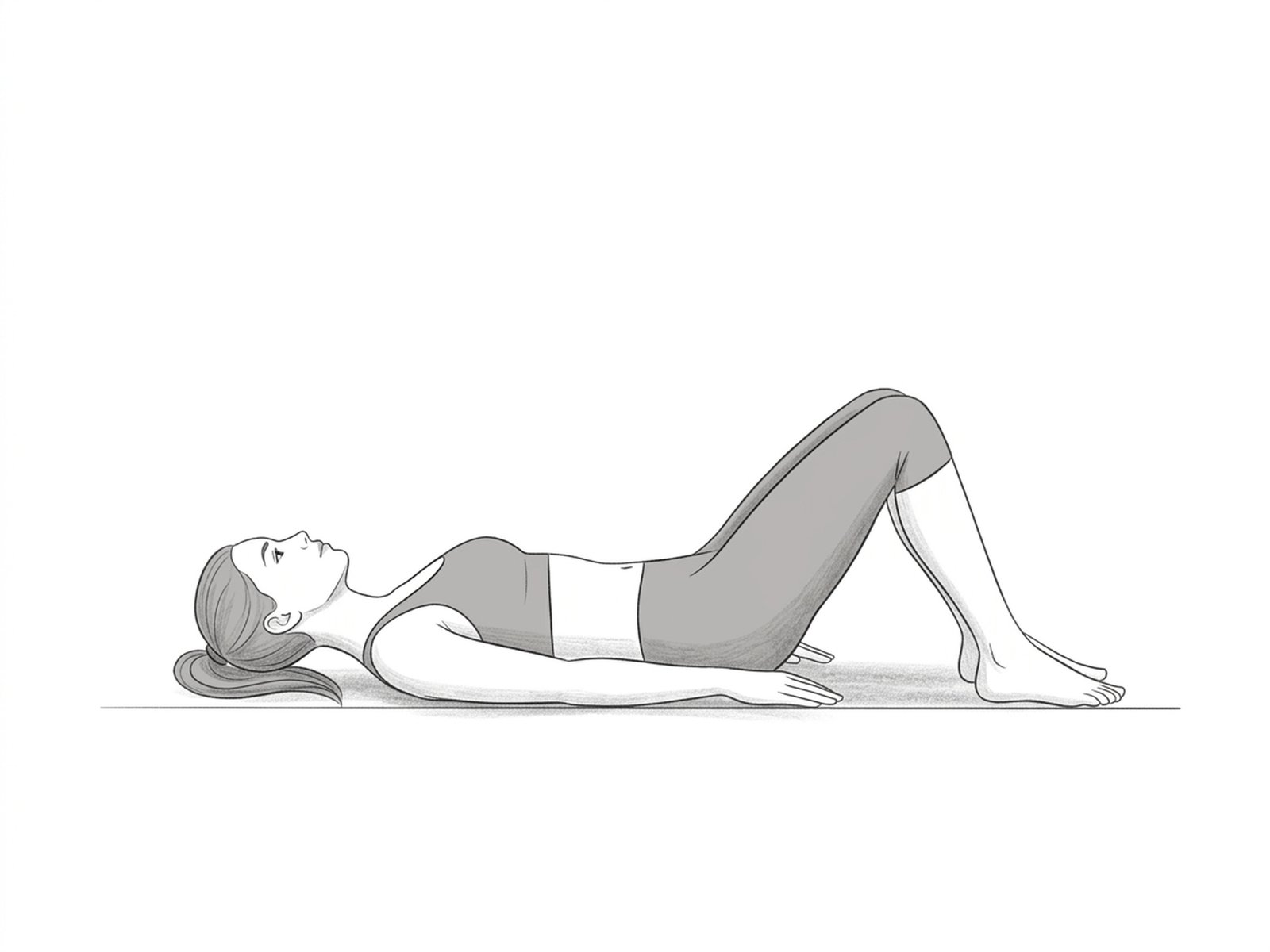
Transversus Abdominis Activation (Drawing-In)
Isolated motor activation of the transversus abdominis, the deep stabilizing muscle of the lumbar spine. The foundational motor-reeducation exercise — fundamental in core instability, sacroiliac dysfunction, and postpartum abdominal diastasis.