Therapeutic exercise
Geste Antagoniste (Sensory Trick)
Specific motor training for cervical dystonia. The geste antagoniste is a light touch on specific points of the face or neck that temporarily reduces dystonic contraction — a well-established neurological phenomenon that can be learned and incorporated as a control strategy.
How to perform
- Starting position. Identify with the physician which touch point relieves your dystonia — usually the chin, cheek, or occipital region on the side opposite the deviation.
- Step 2. Sit in front of a mirror and observe the head's resting position.
- Step 3. Lightly touch the identified point with the fingertips — do not press, just a subtle contact.
- Step 4. As the dystonic contraction yields, try to maintain the head in a neutral position with minimal active effort.
- Return. Practice removing and replacing the touch slowly, learning to hold the position for progressively longer periods without the sensory stimulus.
When not to perform
- Cervical dystonia without previous response to geste antagoniste
- Dystonia secondary to structural lesion
- Recent cervical spine surgery
- Severe essential tremor preventing movement isolation
- Acute traumatic cervical injury
- Severe cognitive impairment preventing motor learning
Medical disclaimer. These exercises are presented for informational purposes only. Always consult your physician before starting any exercise program, especially in case of acute pain, recent injury, or underlying clinical condition.
Related Exercises
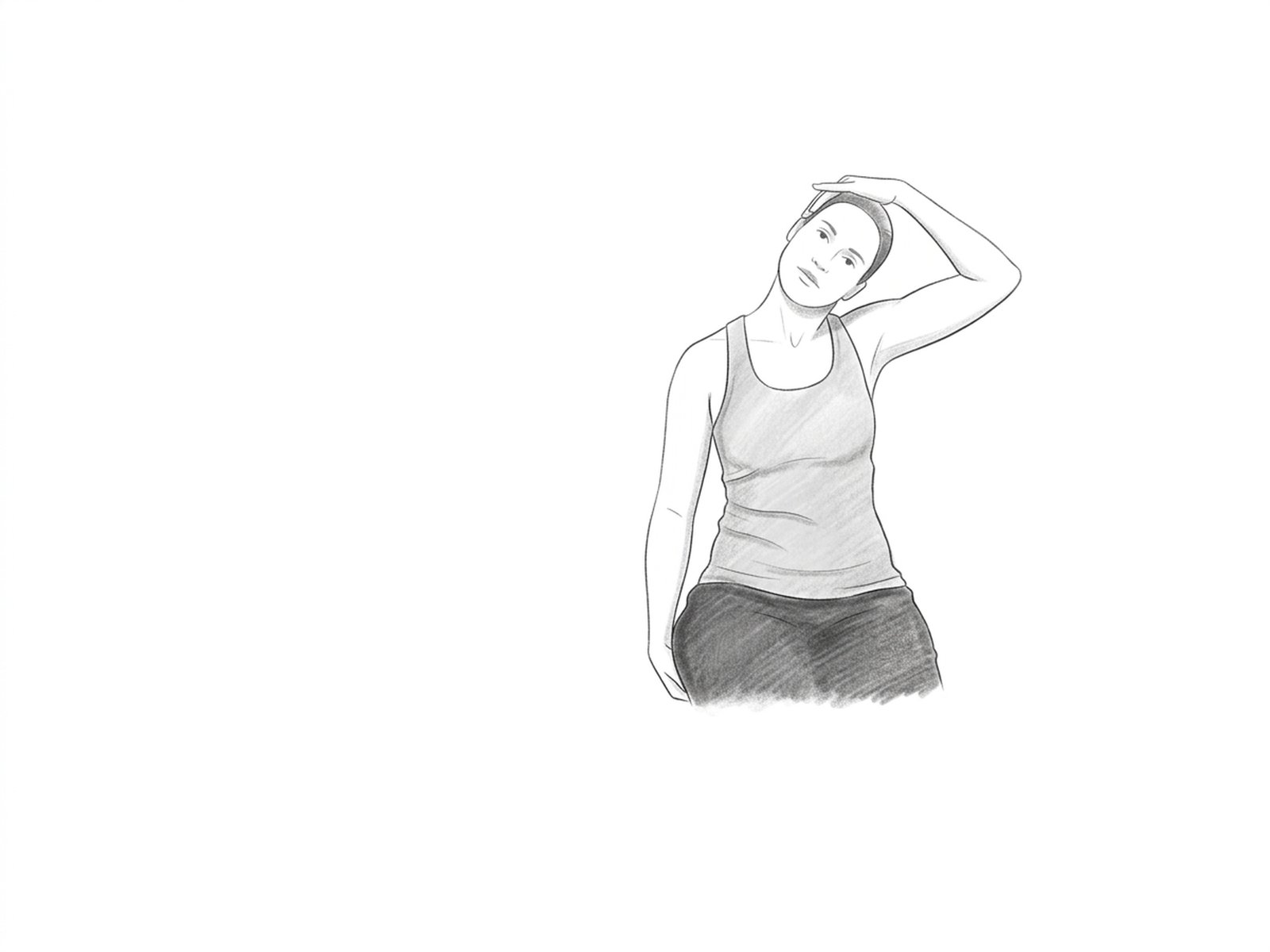
Upper-Trapezius Stretch
Stretches the upper trapezius — a muscle that is commonly hypertonic in patients with mechanical neck pain. Relieves the sensation of heaviness and tension in the neck and shoulders.
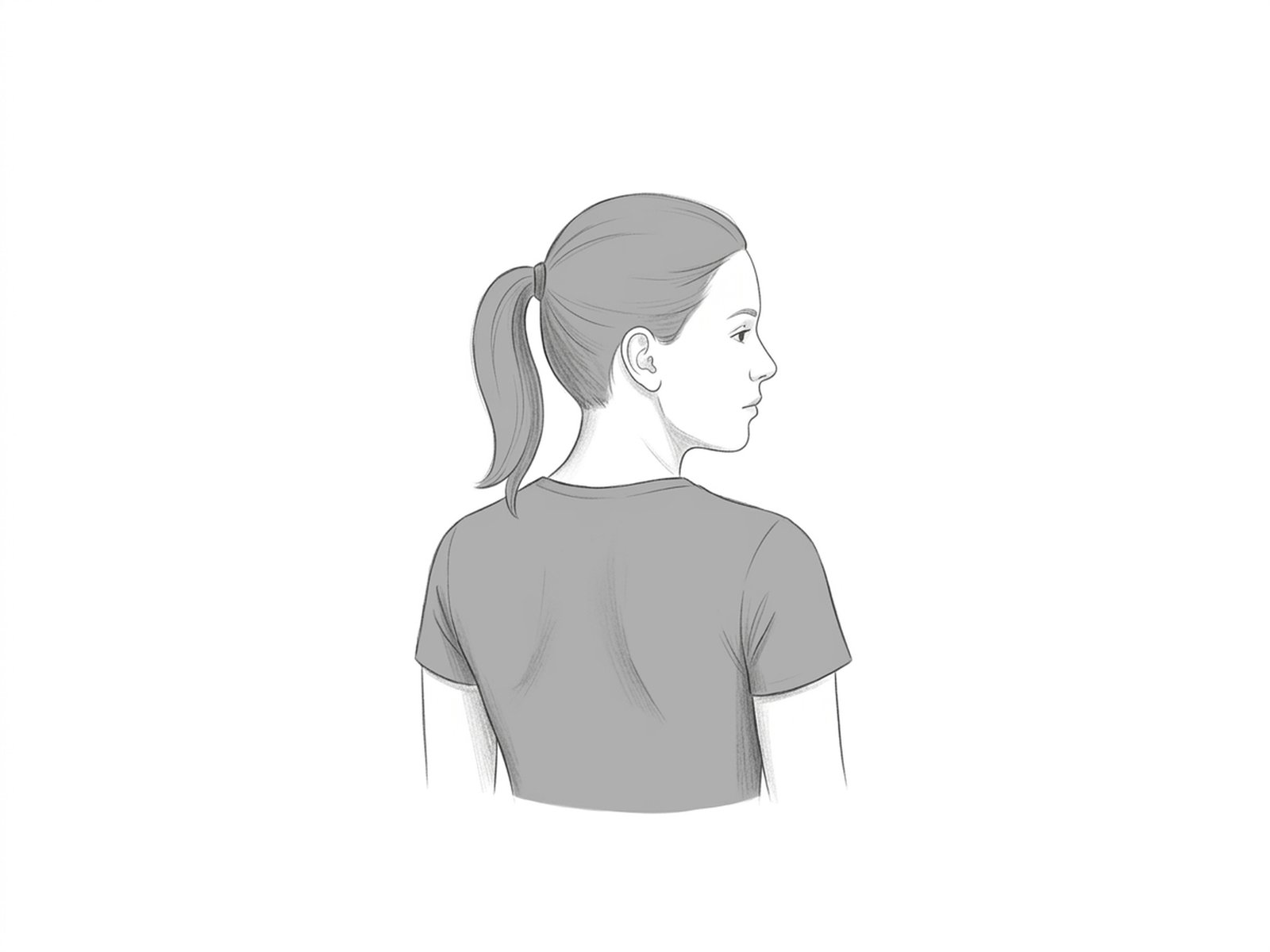
Gentle Neck Rotation Within Tolerance
Active cervical mobilization within a pain-free range. Reintroduces movement after acute torticollis and reduces fear of movement (kinesiophobia).
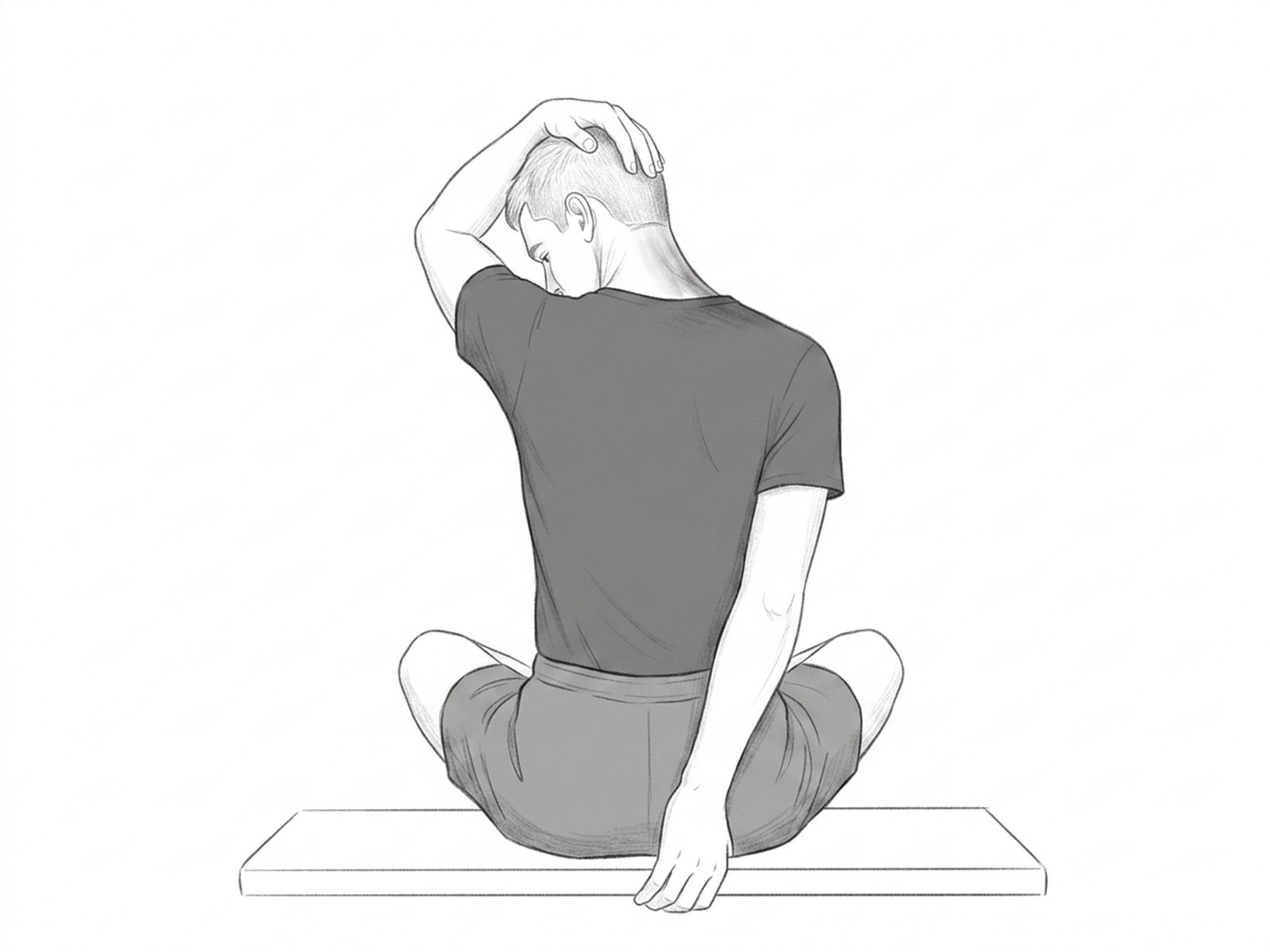
Levator Scapulae Stretch
Stretches the levator scapulae — a classic culprit in posterolateral neck pain and that sensation of heaviness around the neck, typical of people who spend long hours with the head forward in front of screens.