Therapeutic exercise
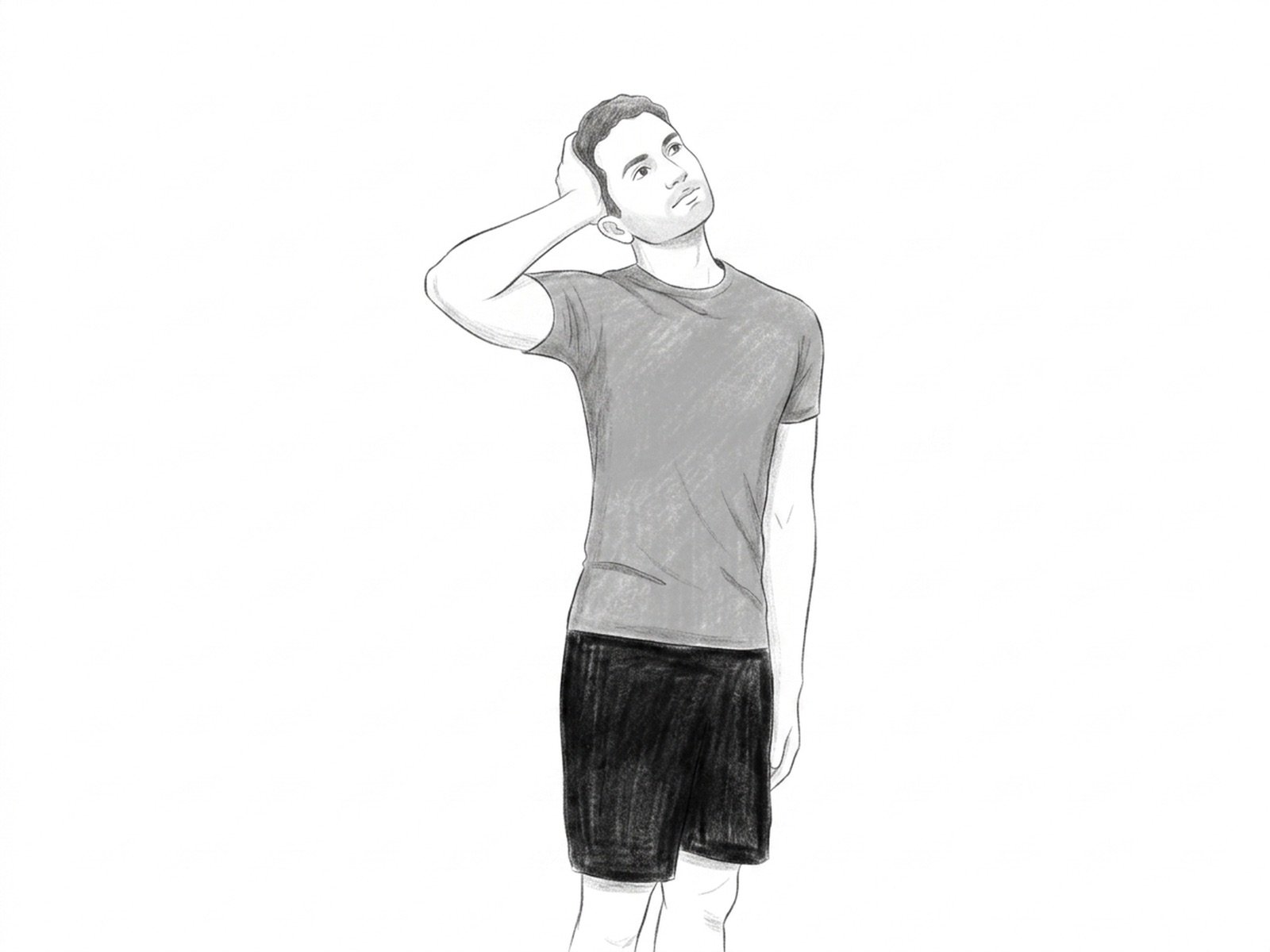
Isotonic Cervical Side-Bend with Resistance
Dynamic strengthening of the lateral neck flexors (scalenes and contralateral sternocleidomastoid) with manual or elastic resistance. Complements isometric work in patients with levator-scapulae dysfunction — develops endurance capacity in a functional pattern.
How to perform
- Starting position. Sit upright with one hand resting laterally on the head, on the side you want to strengthen.
- Step 2. Apply light to moderate resistance with the hand against the side of the head, offering progressive resistance.
- Step 3. Tilt the head laterally against the resistance (ear toward the shoulder on the same side) over 2 seconds.
- Step 4. Hold maximum tilt for 1 to 2 seconds.
- Return. Return slowly to neutral over 3 seconds, controlling the speed. The applied resistance should be constant throughout the cycle.
When not to perform
- Acute cervical pain in lateral tilt
- Vertebrobasilar insufficiency
- Cervical radiculopathy with motor deficit
- Ligamentous cervical instability
- Recent cervical trauma
- Congenital cervical anomalies (Klippel-Feil syndrome)
Medical disclaimer. These exercises are presented for informational purposes only. Always consult your physician before starting any exercise program, especially in case of acute pain, recent injury, or underlying clinical condition.
Related Exercises
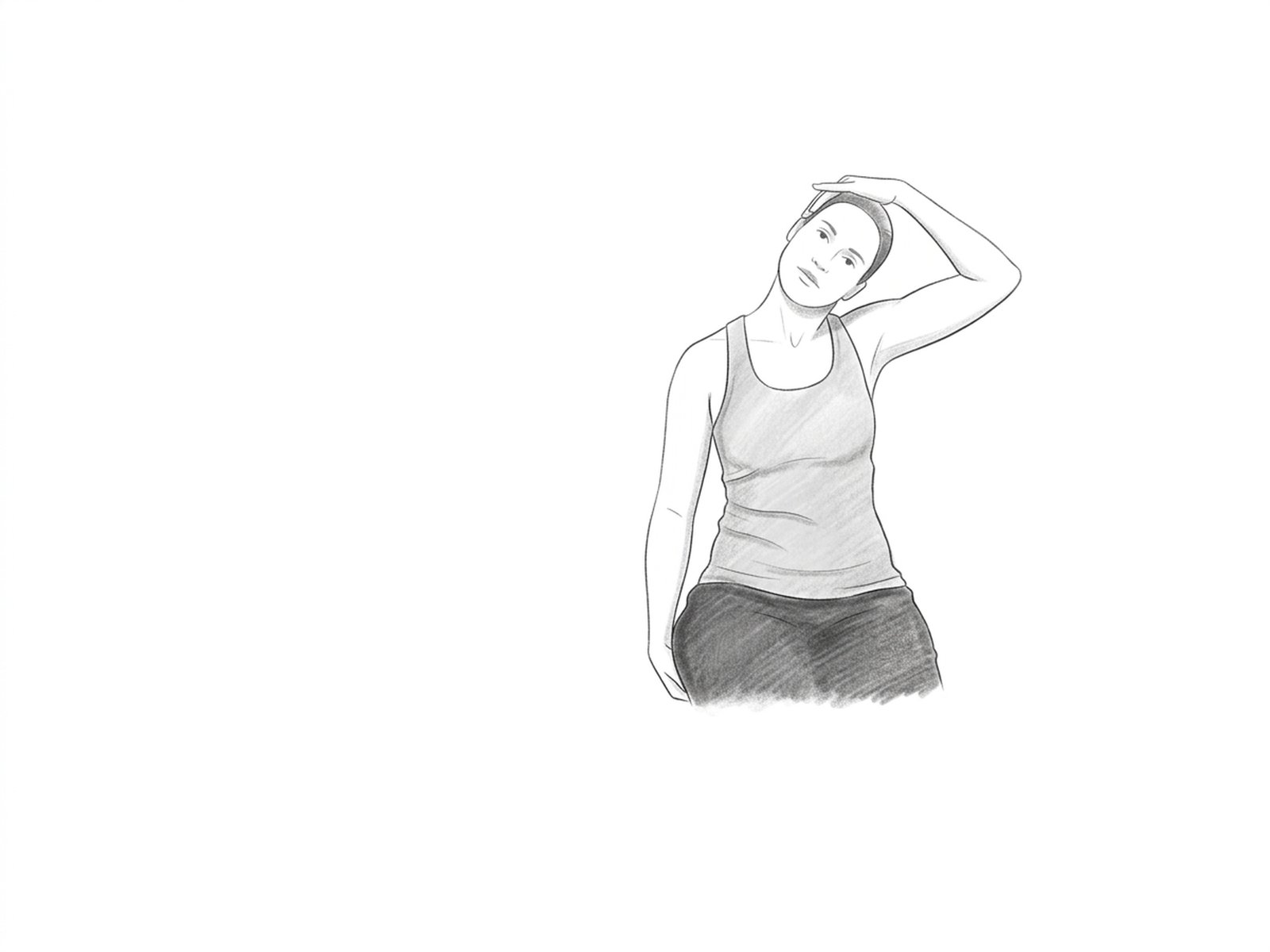
Upper-Trapezius Stretch
Stretches the upper trapezius — a muscle that is commonly hypertonic in patients with mechanical neck pain. Relieves the sensation of heaviness and tension in the neck and shoulders.
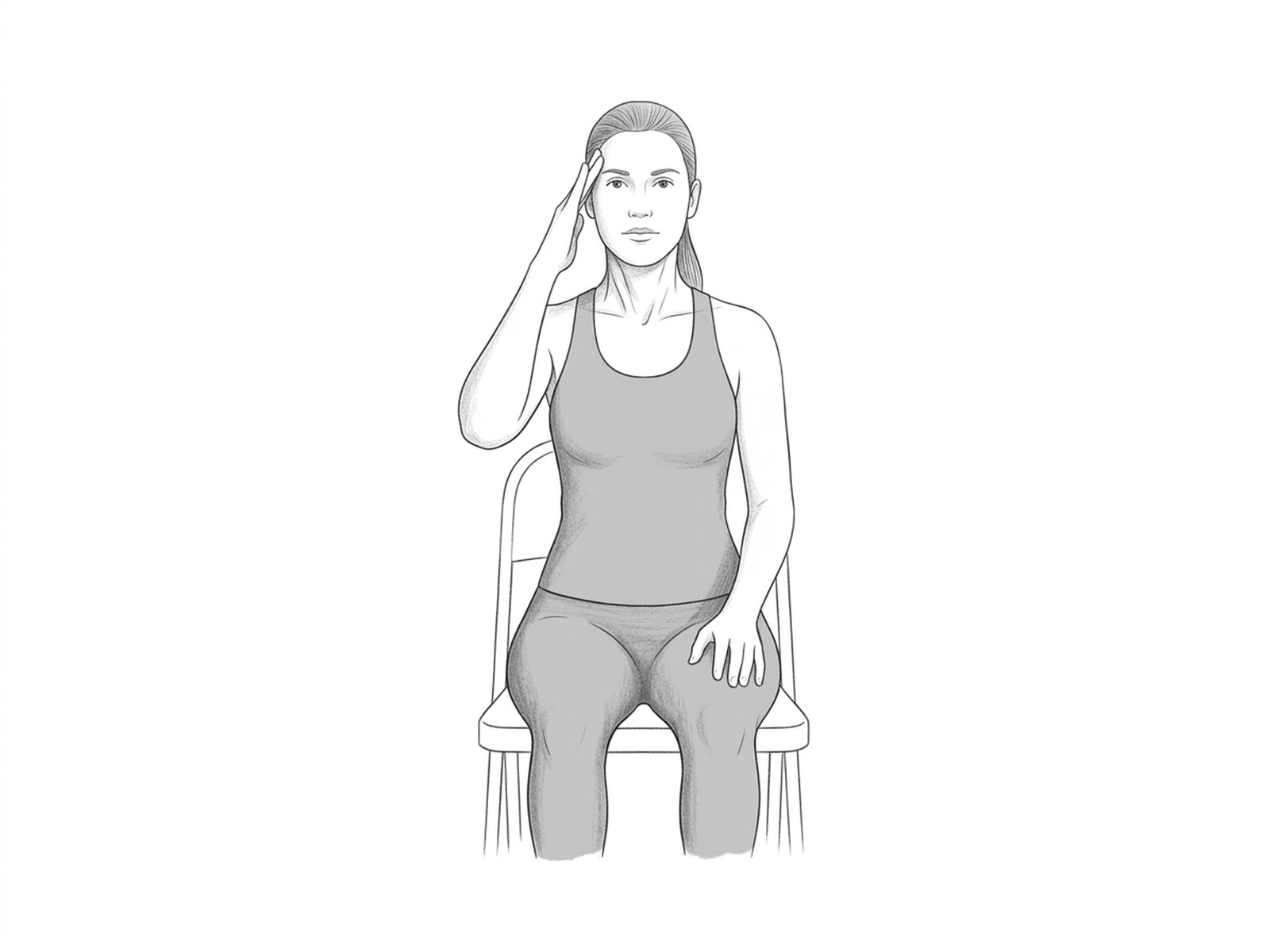
Cervical Rotational Isometrics
Isometric contraction of the cervical rotators without joint movement. Safe strengthening for recurrent torticollis in the recovery phase.
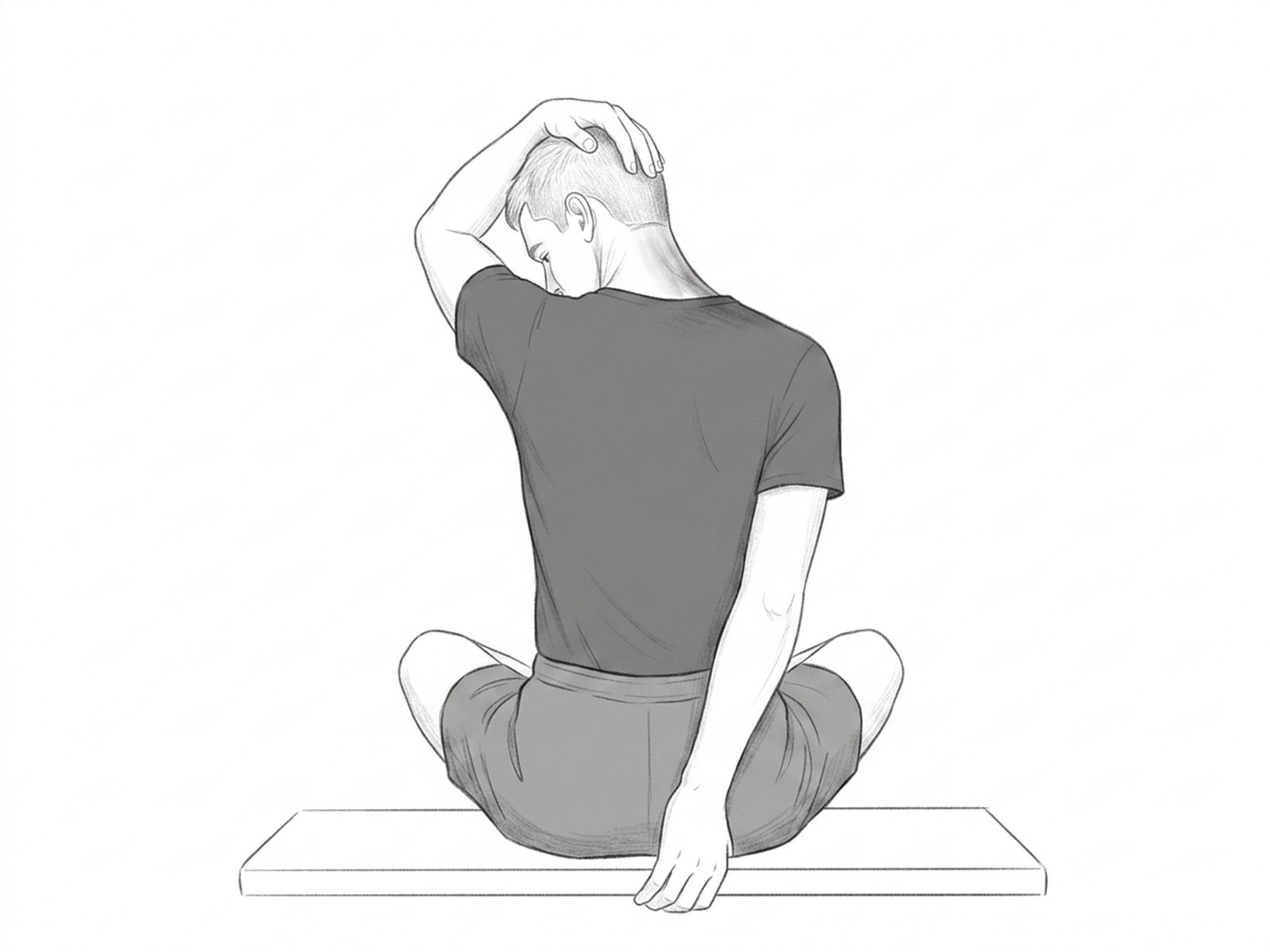
Levator Scapulae Stretch
Stretches the levator scapulae — a classic culprit in posterolateral neck pain and that sensation of heaviness around the neck, typical of people who spend long hours with the head forward in front of screens.