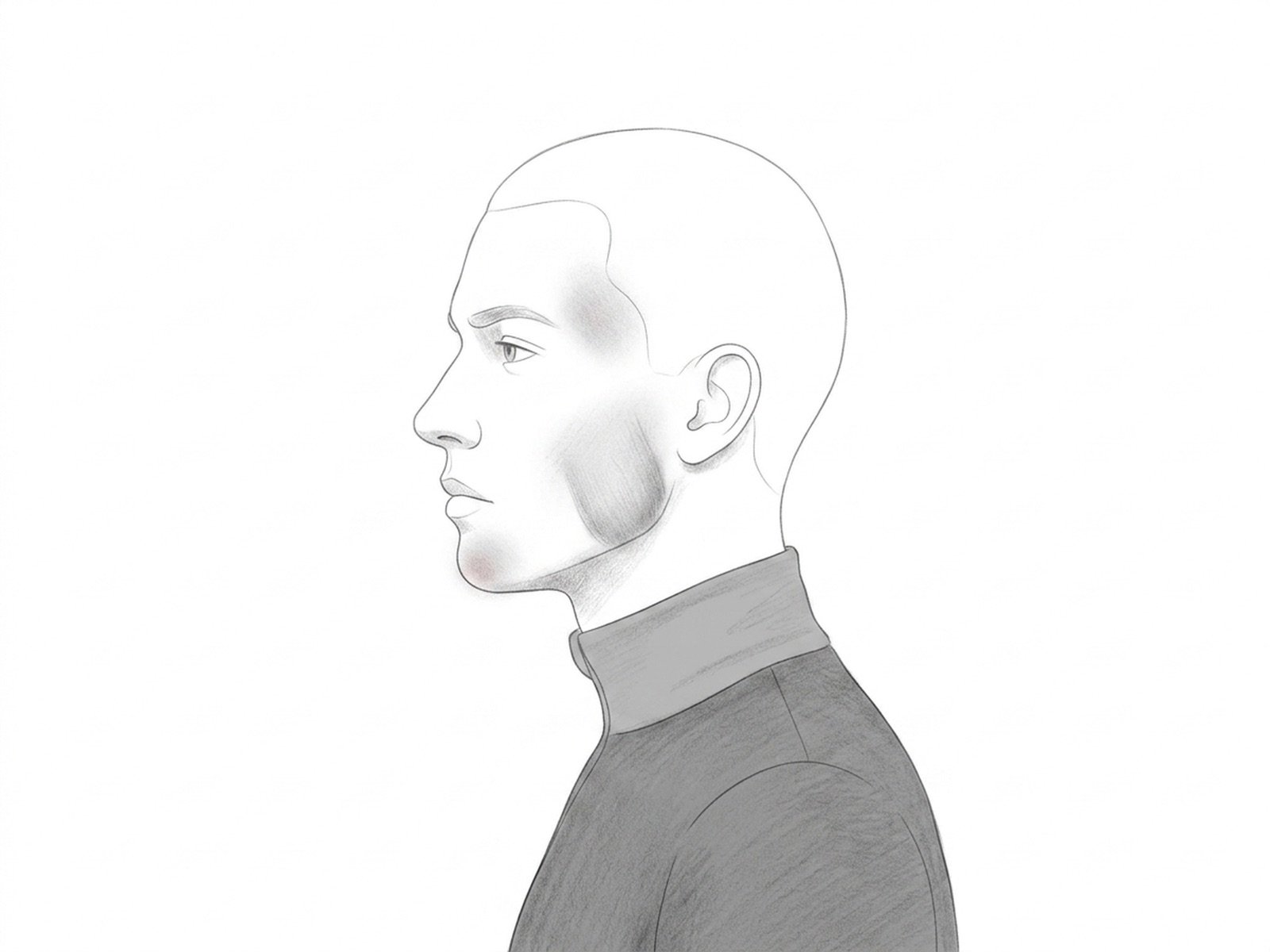
Therapeutic exercise
Masseter Self-Massage
Manual myofascial release of the masseter — a muscle frequently overloaded in patients with bruxism, TMD, and tension headache. The technique combines deep friction with active stretching, deactivating active trigger points.
How to perform
- Starting position. Locate the masseter by clenching the teeth and feeling the muscle bulge just above the angle of the jaw.
- Step 2. Using the fingertips of the index and middle fingers, make firm circular movements over the masseter for 30 seconds.
- Step 3. Then apply sustained pressure on any painful trigger point for 30–60 seconds until the pain decreases.
- Step 4. Maintaining the pressure, slowly open and close the mouth 5 times — this combines manual release with active stretching.
- Return. Repeat on the other side. Mild discomfort is expected, but there should be no sharp pain.
When not to perform
- Acute parotid gland inflammation
- Local infection
- Recent facial trauma
- Acute facial nerve injury
- Recent facial surgery
- Suspected cervical lymphadenopathy
Medical disclaimer. These exercises are presented for informational purposes only. Always consult your physician before starting any exercise program, especially in case of acute pain, recent injury, or underlying clinical condition.
Related Exercises
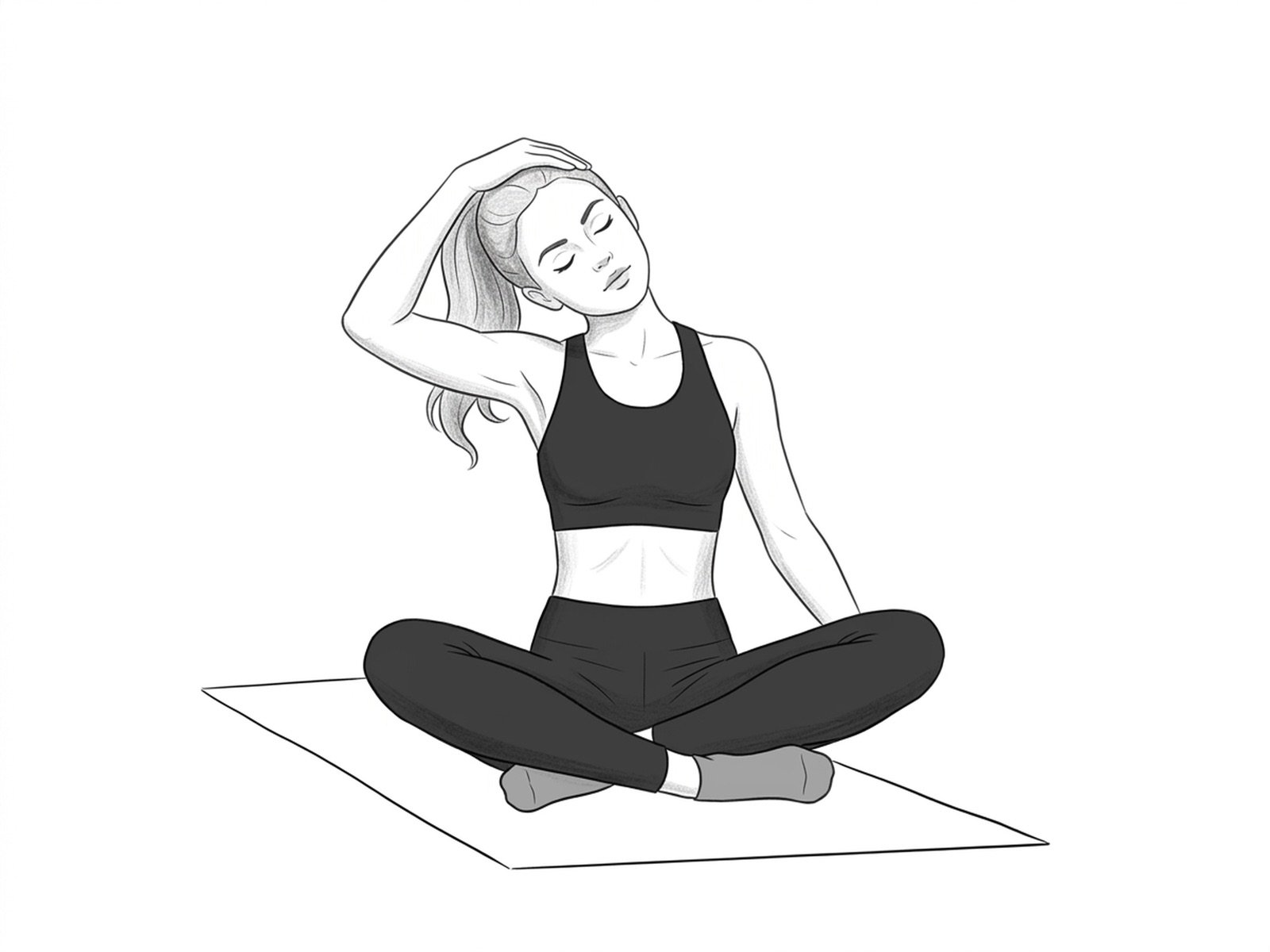
Sternocleidomastoid (SCM) Stretch
Selective stretch of the sternocleidomastoid — a muscle frequently shortened in patients with tension-type headache, cervicogenic headache, and forward-head posture. The position combines extension, rotation, and contralateral lateral flexion.
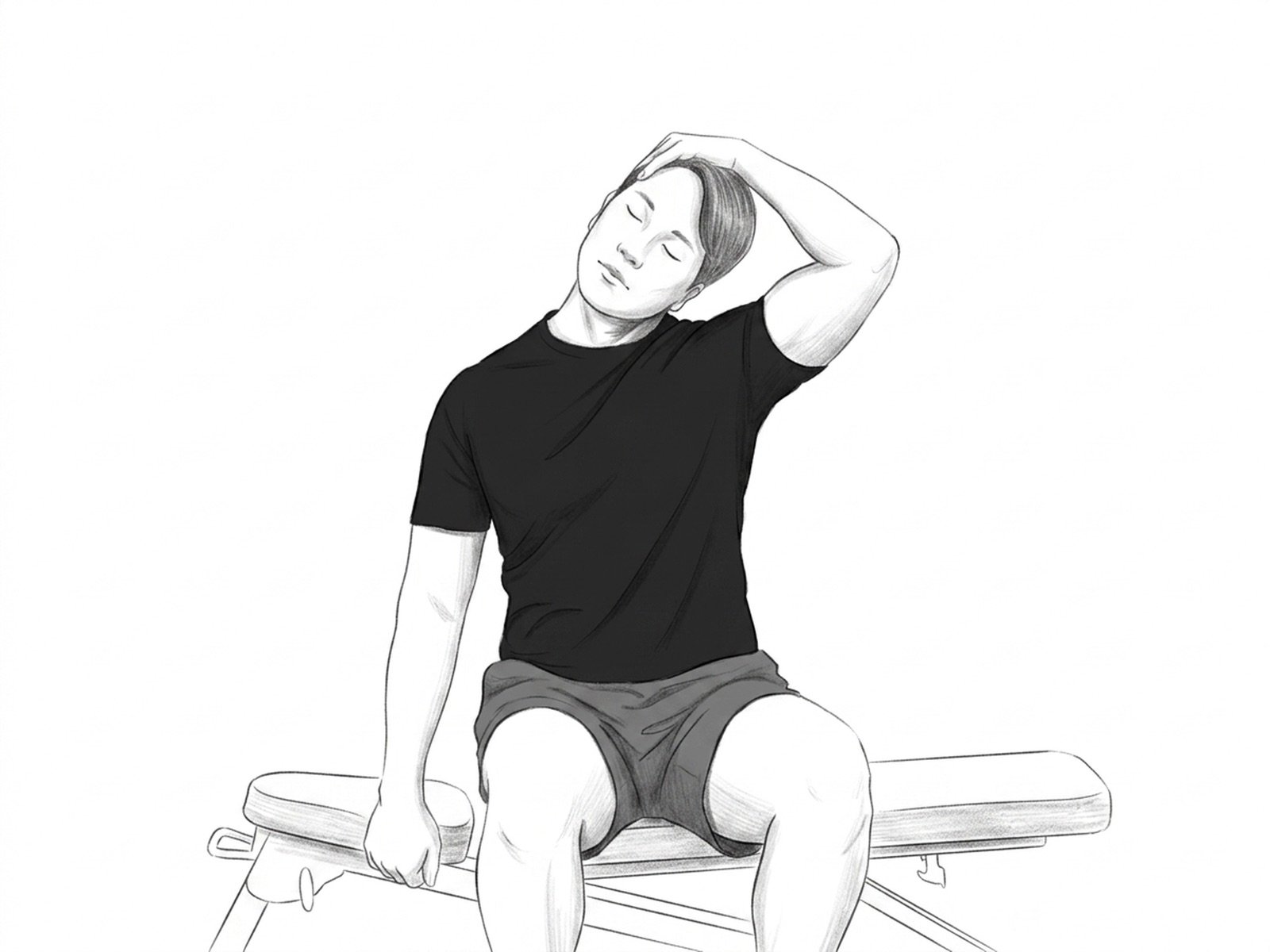
Active Pin-and-Stretch of the Upper Trapezius
Combined technique of ischemic compression over an active trigger point in the upper trapezius with active neck movement. Sustained pressure deactivates the trigger point while active movement amplifies the release — one of the most effective techniques for self-treatment of cervical myofascial pain.
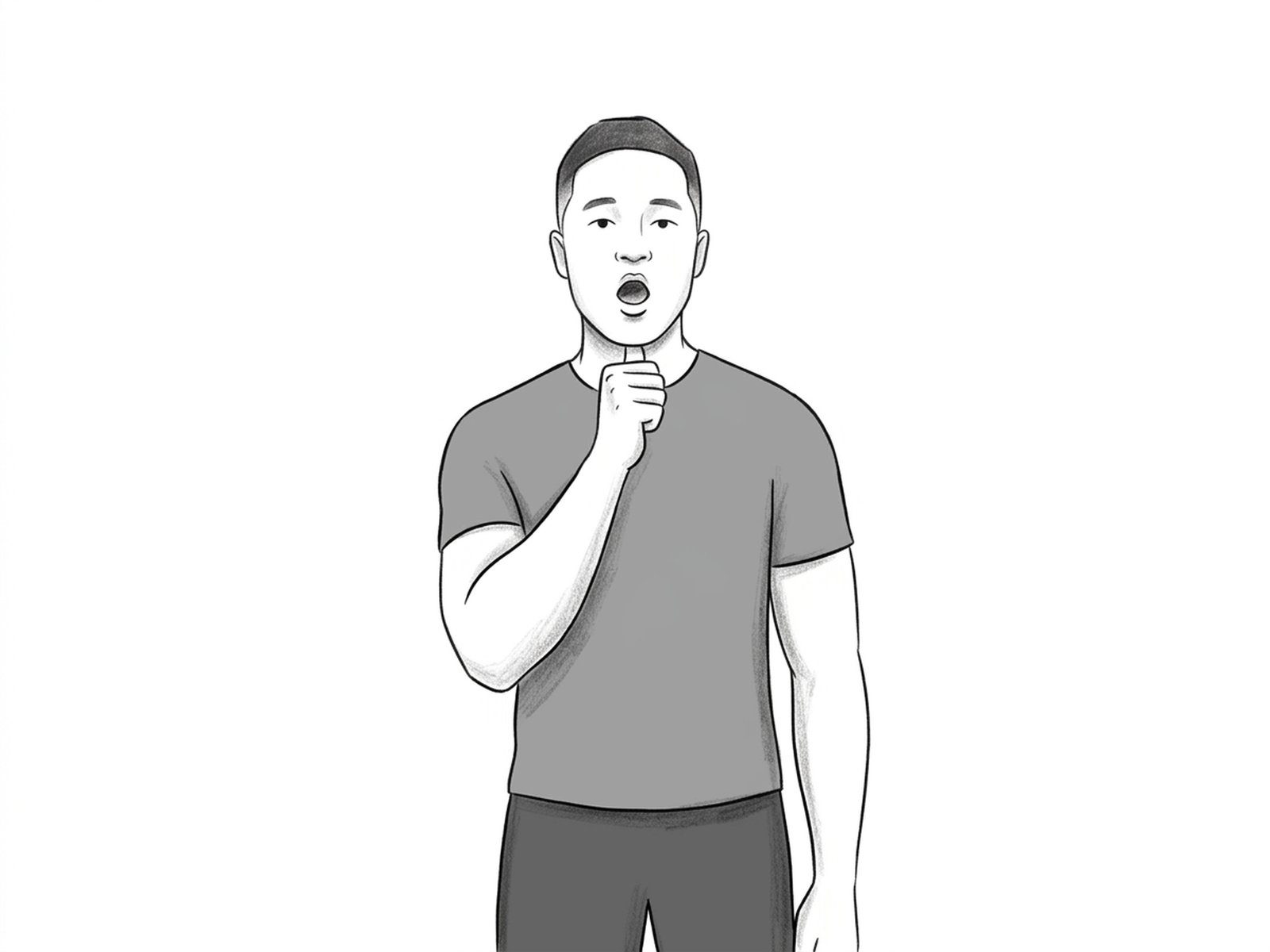
Resisted Mouth Opening (Isometric)
Isometric contraction of the suprahyoid muscles (mouth openers) against manual resistance. Strengthens the mandibular depressor musculature in TMD patients — especially useful when opening is limited or follows an S-shaped trajectory.