Therapeutic exercise
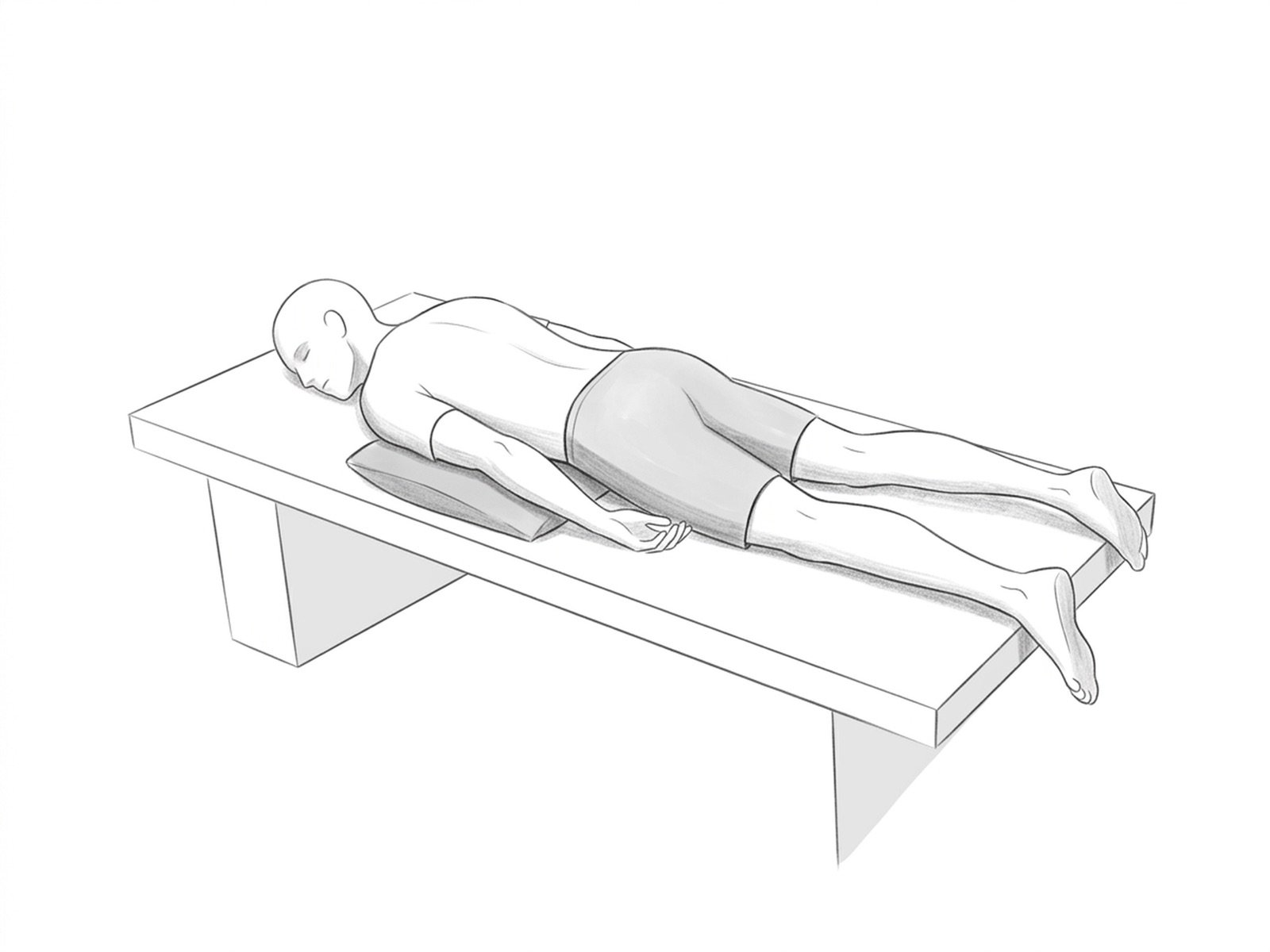
Prone Multifidus Isometric Activation
Segmental isometric contraction of the multifidus in prone position, with no spinal extension. Activates the deep vertebral stabilizer that is consistently inhibited in patients with chronic low-back pain and spondylolisthesis — precise motor re-education, not brute force.
How to perform
- Starting position. Lie face down with the arms by the sides and the forehead resting on a towel.
- Step 2. Palpate with the fingertips over the lumbar transverse processes (sides of the lower lumbar vertebrae) to locate the multifidus.
- Step 3. Press the abdomen gently against the floor (this prevents lordosis), then subtly contract the muscles under your fingers, as if trying to fill the space between the vertebrae.
- Step 4. The contraction is minimal — the body should not move; only the multifidus should harden under your fingers.
- Return. Hold for 10 seconds, breathing normally. The key is precision, not intensity.
When not to perform
- Pregnancy (incompatible with prone position)
- Acute lumbar disc herniation
- Acute low-back pain in prone
- Recent post-operative lumbar surgery
- High-grade spondylolisthesis with hypermobility
- Morbid obesity that prevents adequate palpation
Medical disclaimer. These exercises are presented for informational purposes only. Always consult your physician before starting any exercise program, especially in case of acute pain, recent injury, or underlying clinical condition.
Related Exercises
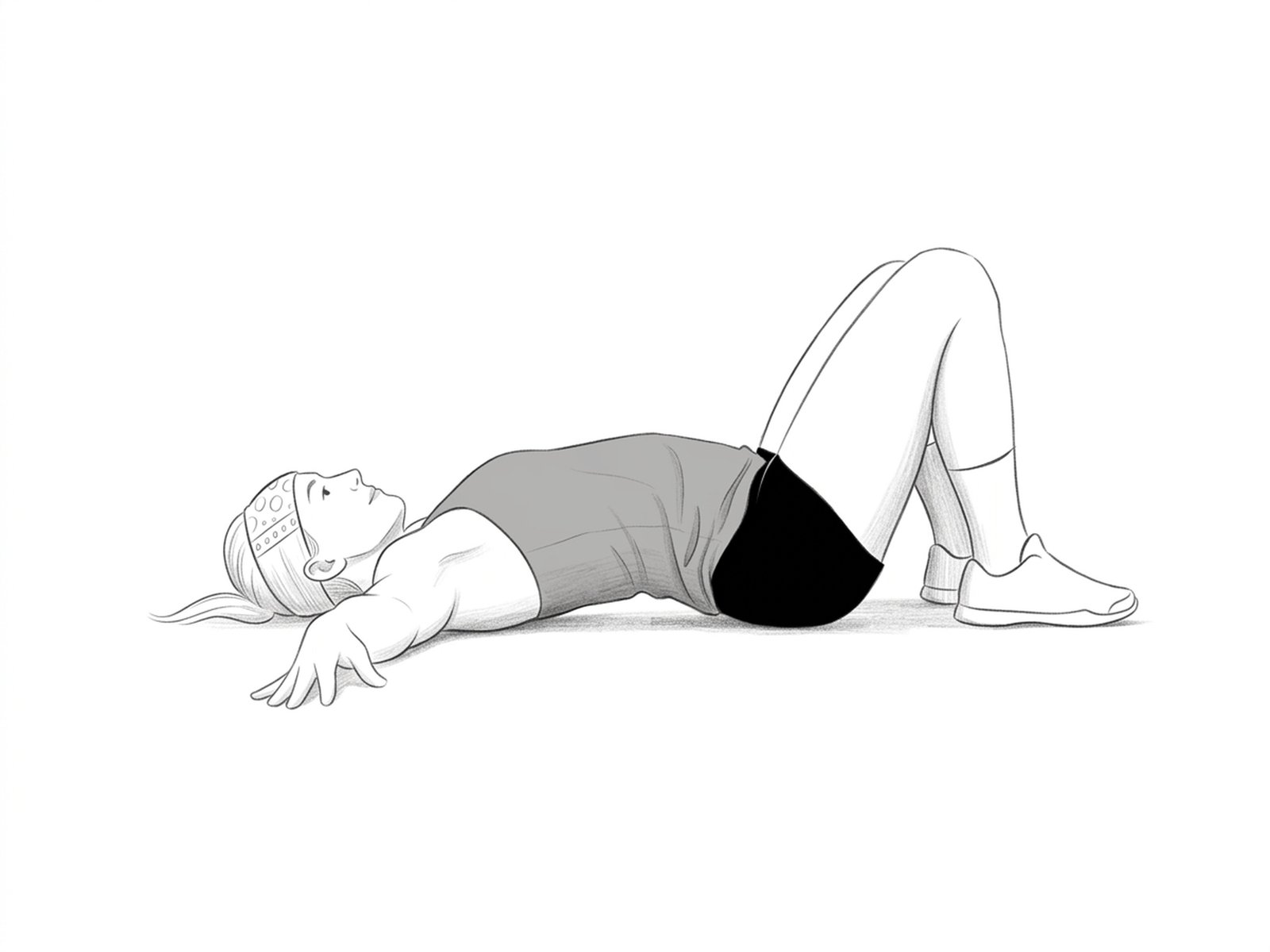
Pelvic Tilt
Gently activates the deep abdominal muscles through a pelvic tilt. Relieves low-back tension and retrains motor control of the deep stabilizers — one of the foundations of chronic mechanical low-back-pain rehabilitation.
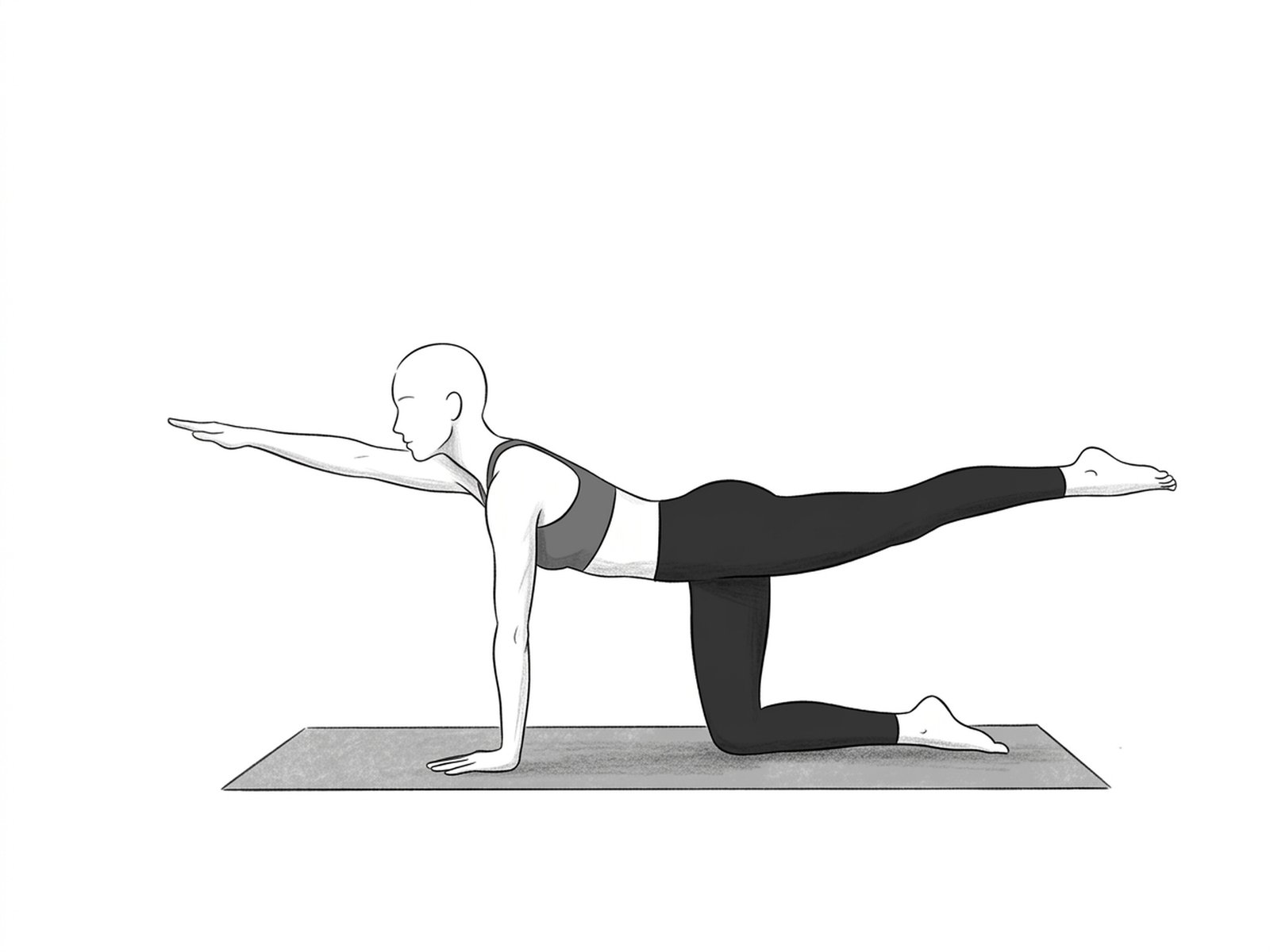
Bird Dog (Quadruped Cross-Pattern)
A core-stabilization exercise that trains neuromuscular control of the spine during limb movement. Widely used in the rehabilitation of chronic non-specific low back pain.
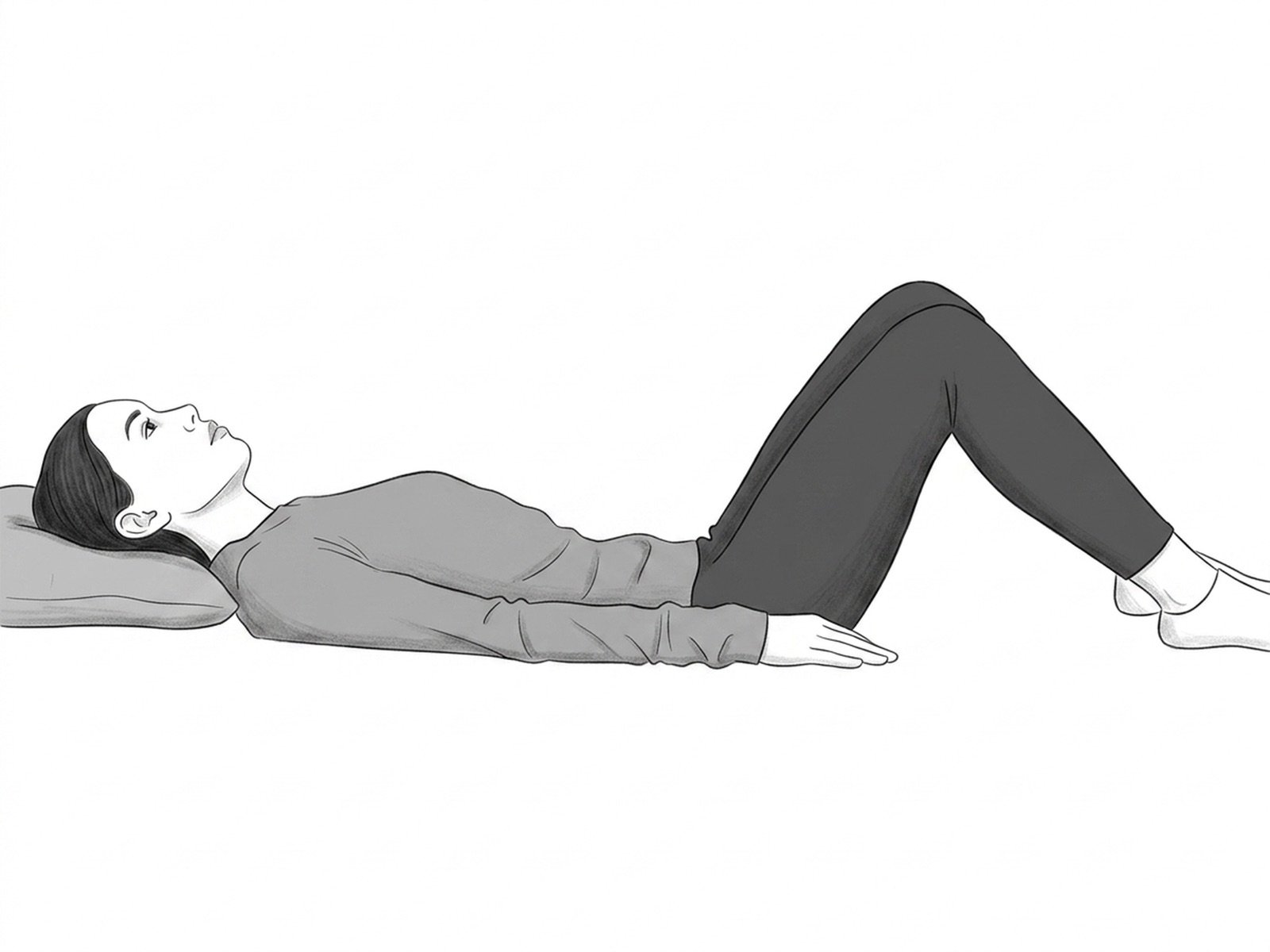
Supine Abdominal Bracing
360° isometric contraction of the entire abdominal musculature (transversus, obliques, and rectus abdominis) in supine — different from drawing-in (which isolates only the transversus). This is the dynamic stabilization pattern for high loads, essential in spondylolisthesis and in preparation for lifting activities.