Therapeutic exercise
Prayer Stretch
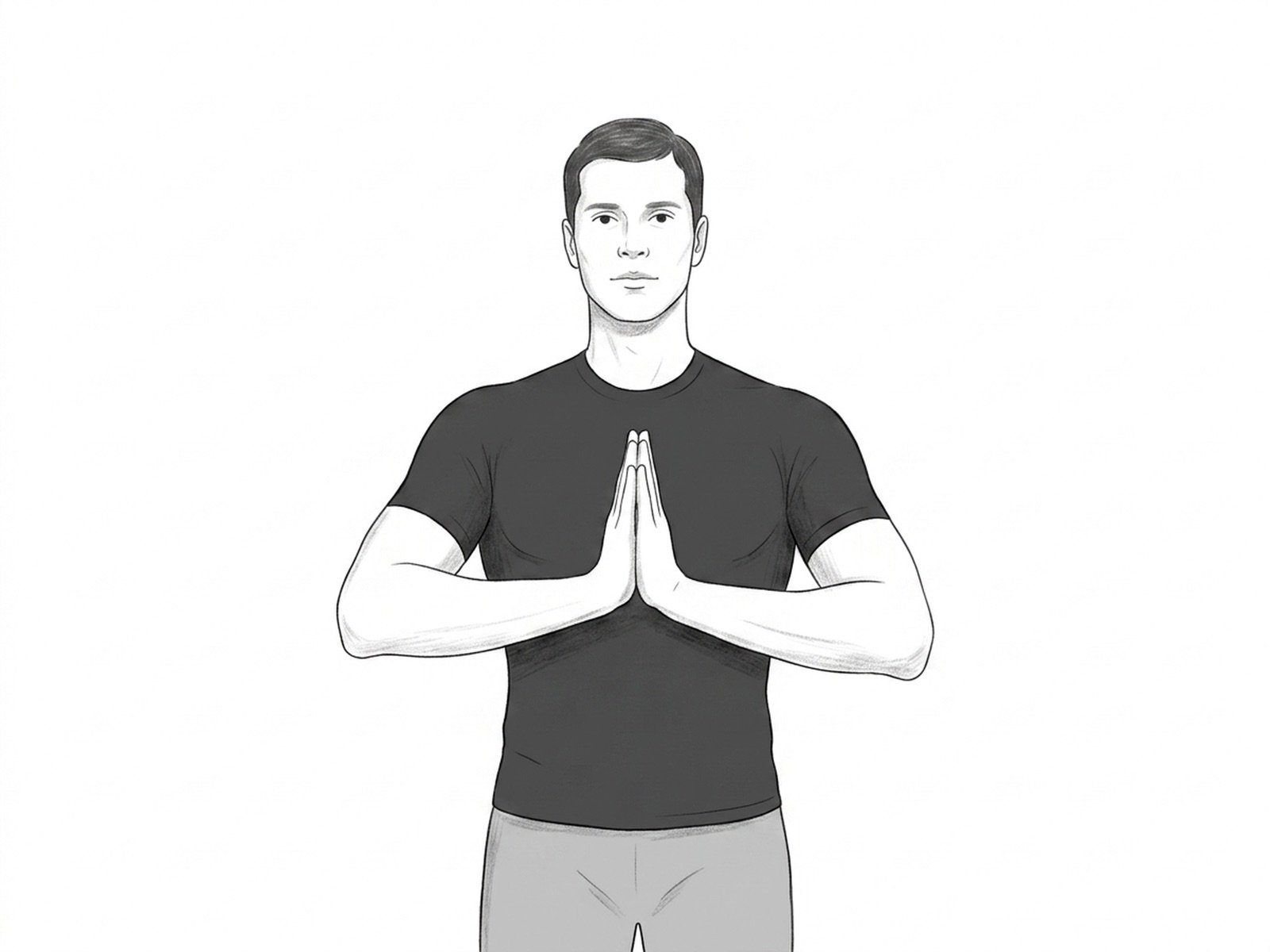
Bilateral stretch of the wrist and forearm flexors in a prayer position. Useful in carpal tunnel syndrome — it stretches the flexor retinaculum and the flexor tendons simultaneously, complementing median-nerve glides in the conservative phase.
How to perform
- Starting position. Stand or sit with an upright spine.
- Step 2. Bring the palms of the hands together in front of the chest, with the fingers pointing up — this is the prayer position.
- Step 3. Keeping the palms in contact, slowly lower the hands toward the abdomen until you feel a stretch in the wrist flexors and forearms.
- Step 4. Hold the position for 20–30 seconds, breathing deeply.
- Return. Do not force — if there is pain or paresthesia, reduce the range. For variation, slightly tilt the hands to one side, then to the other, to reach different fibers.
When not to perform
- Recent post-operative carpal tunnel release
- De Quervain's tenosynovitis in an acute phase
- Medial epicondylitis in an acute phase
- Active rheumatoid arthritis of the wrist
- Recent wrist dislocation
- Neuropathic pain that worsens with the stretch
Medical disclaimer. These exercises are presented for informational purposes only. Always consult your physician before starting any exercise program, especially in case of acute pain, recent injury, or underlying clinical condition.
Related Exercises
Wrist Flexor Stretch
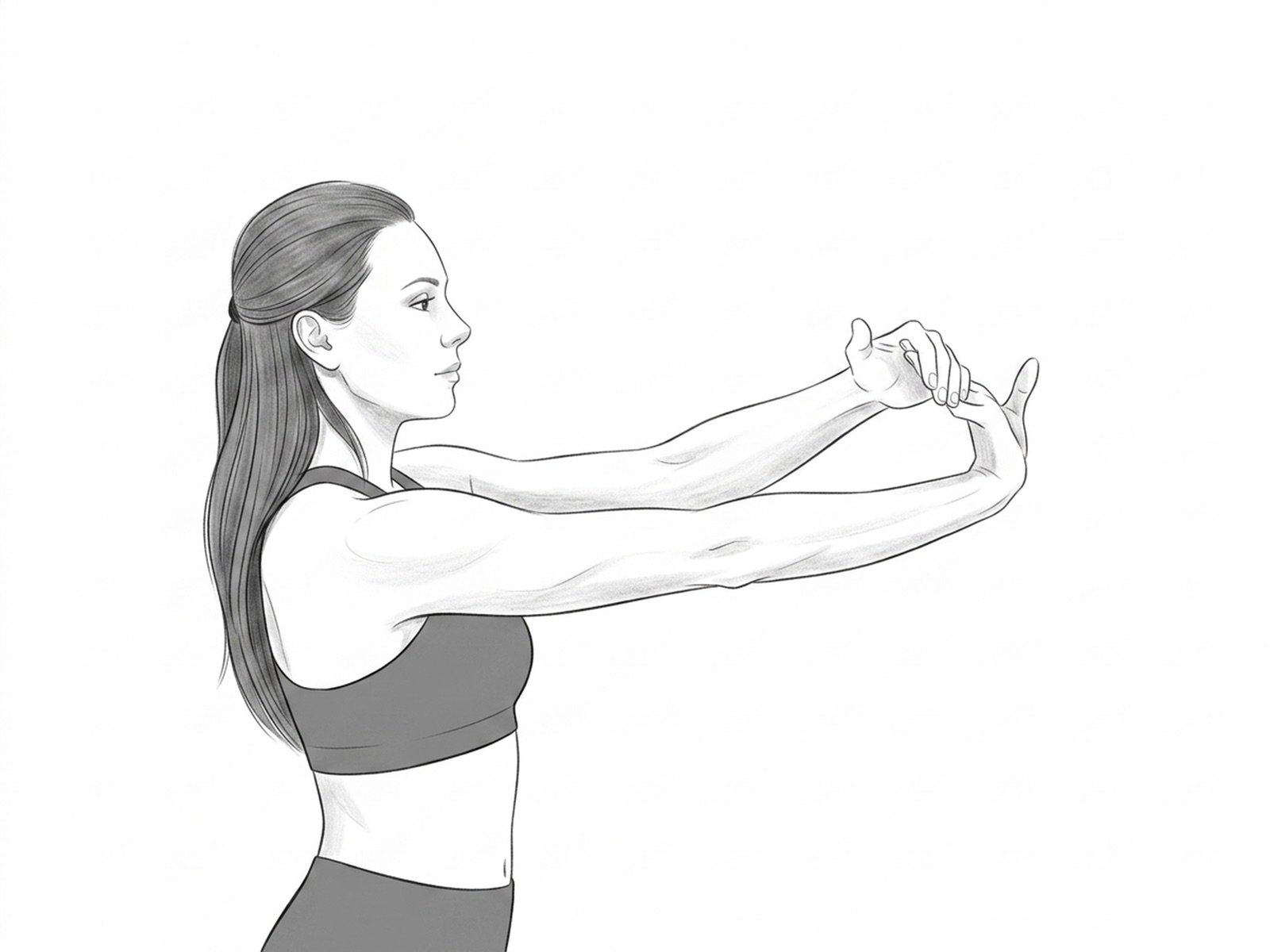
Stretch of the wrist flexors and the common flexor apparatus. Reduces pressure in the carpal tunnel and complements the neural mobilization.
Reverse Tyler Twist (Wrist Flexor Eccentric)
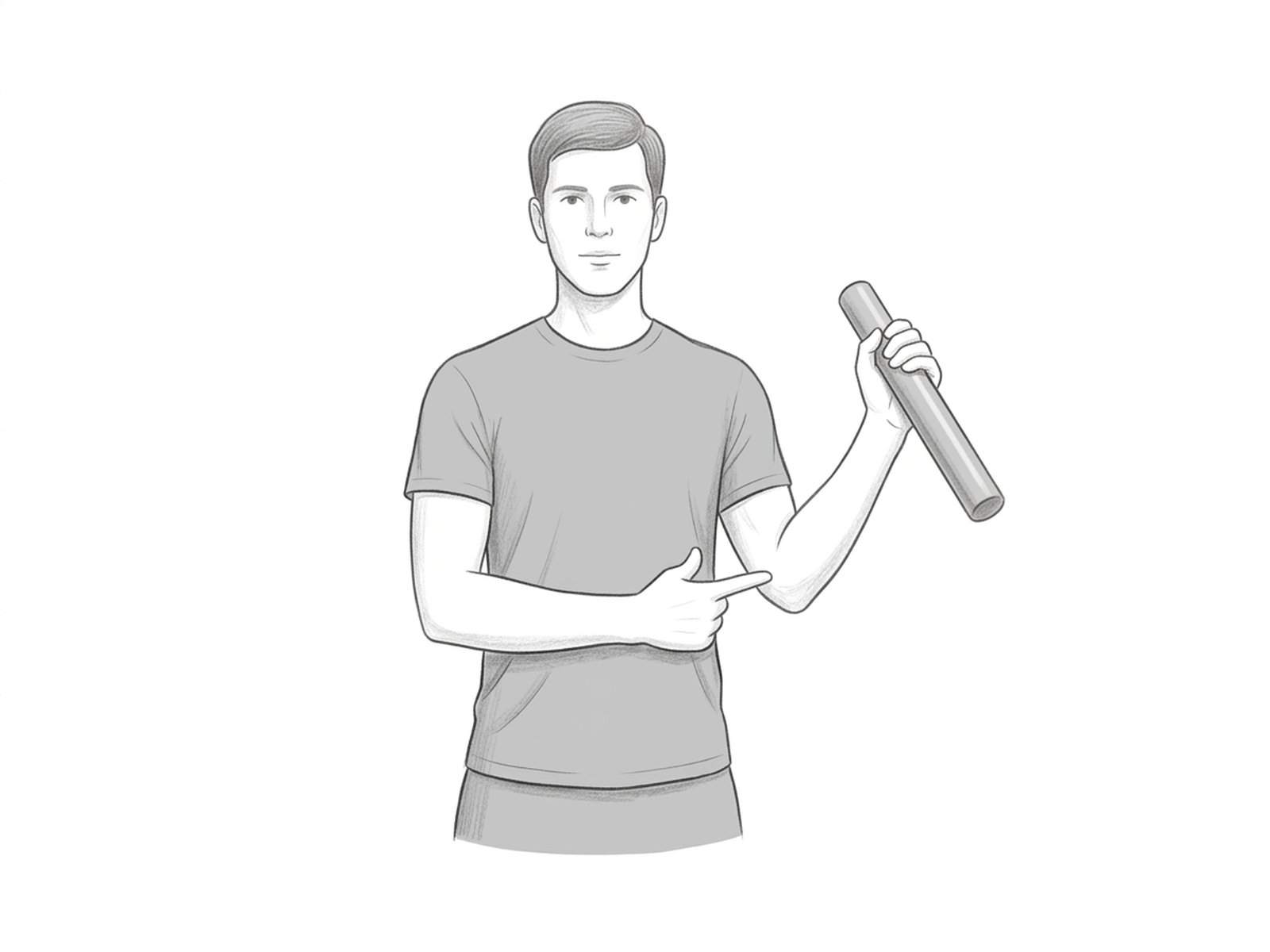
Inverted version of the Tyler Twist protocol for medial epicondylitis. Uses a Flexbar or similar resistance for eccentric loading of the wrist flexors — remodels the degenerated tendon at the medial epicondyle (golfer's elbow).
Hand and Wrist Range of Motion
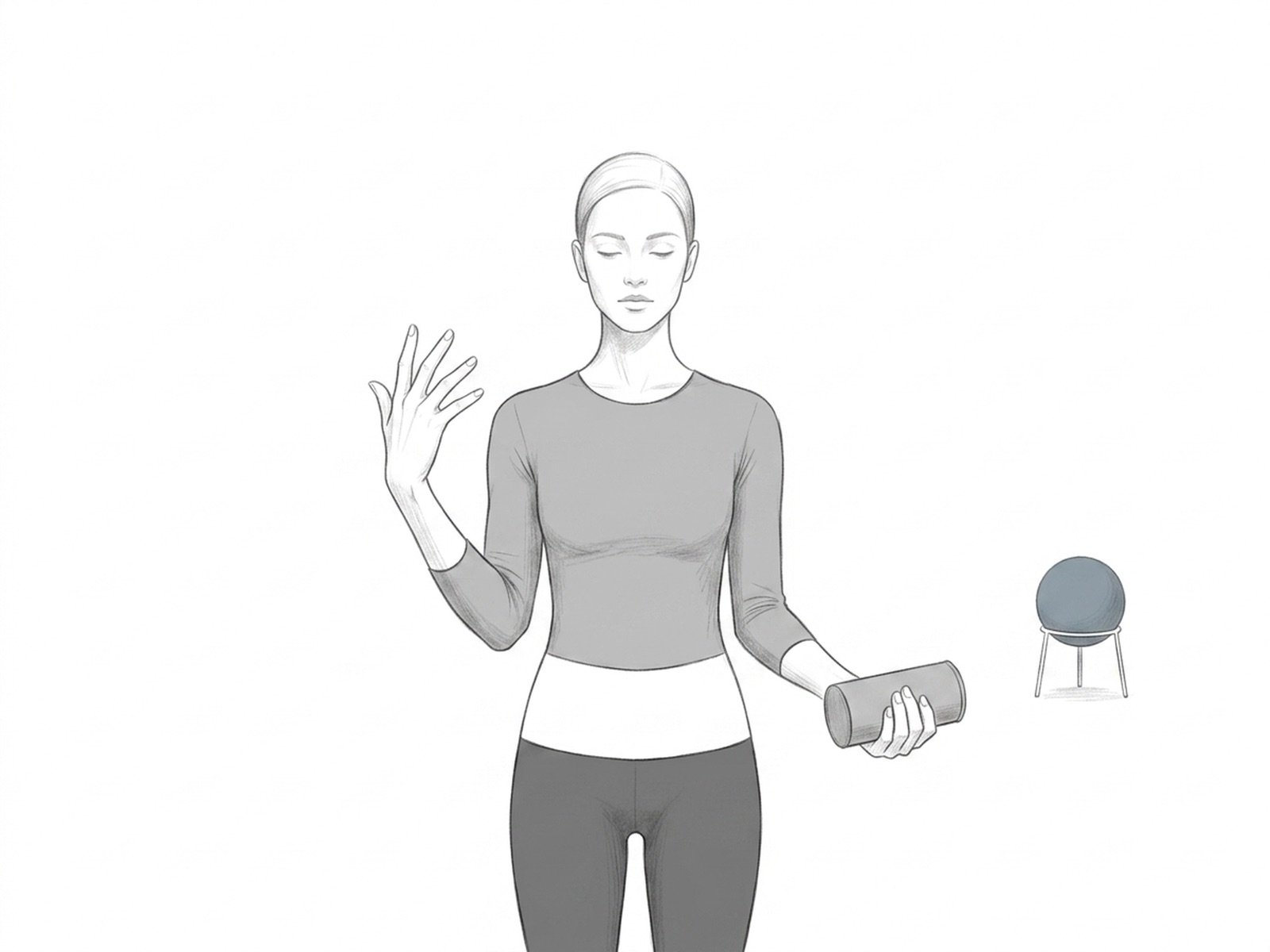
A sequence of active hand and wrist movements to maintain range of motion in rheumatoid arthritis. Focus on flexibility without joint overload.