Therapeutic exercise
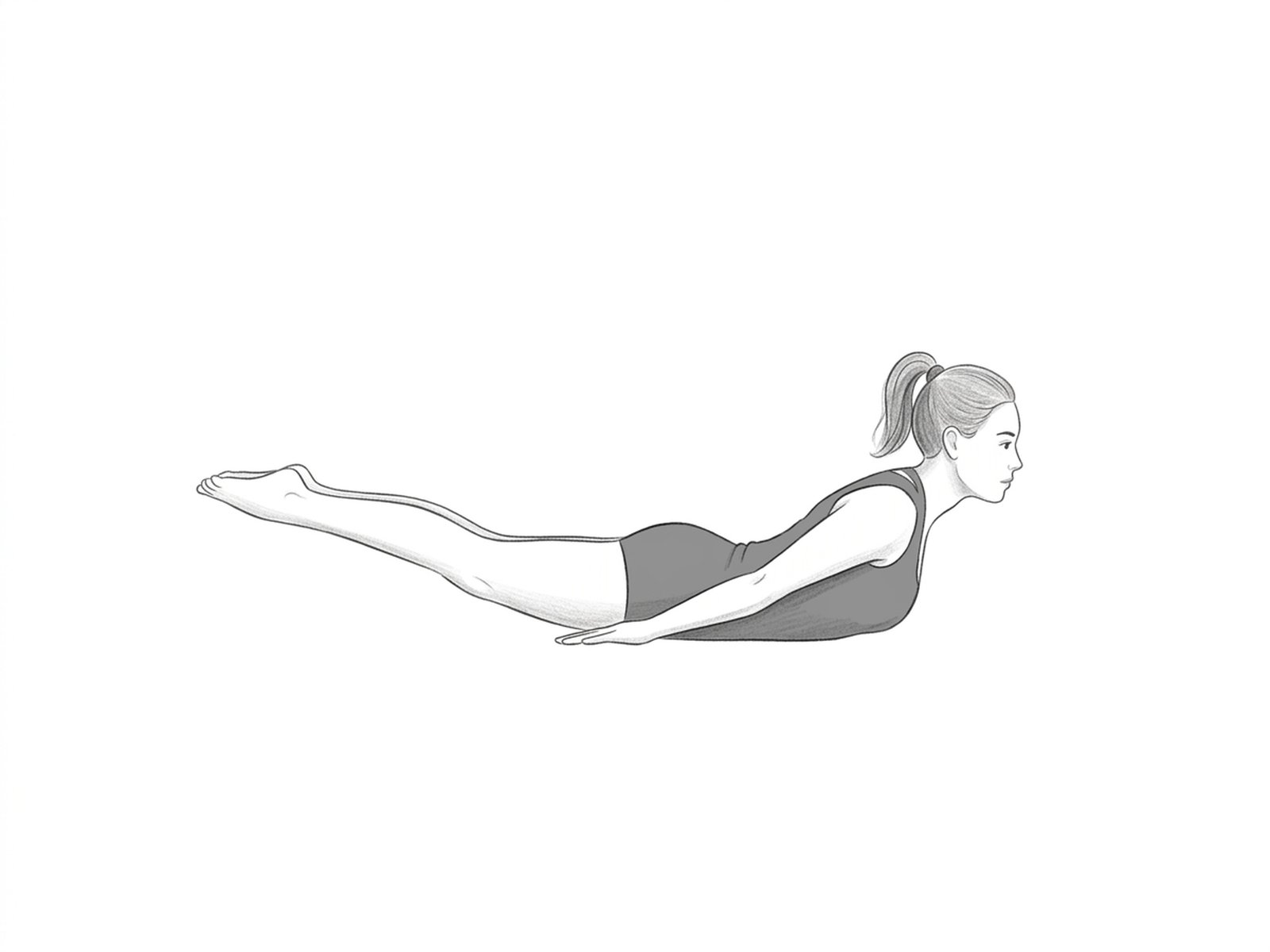
Prone Cobra (Dynamic Thoracic Extension)
Integrated strengthening of the thoracic extensors, spinal erectors, and scapular stabilizers in a prone position. Different from the prone press-up (lumbar extension), the focus here is thoracic extension and scapular retraction — a key exercise against postural hyperkyphosis.
How to perform
- Starting position. Lie face-down with the arms extended at the sides of the body, palms facing the floor.
- Step 2. Contract the glutes to stabilize the pelvis and protect the low back.
- Step 3. Simultaneously lift the head, chest, and arms off the floor, externally rotating the shoulders (thumbs pointing toward the ceiling).
- Step 4. At the highest point, squeeze the scapulae together and hold the position for 3–5 seconds — feel the contraction between the shoulder blades.
- Return. Lower slowly over 3 seconds back to the floor. Keep the neck aligned with the spine (look at the floor, not forward).
When not to perform
- Acute lumbar disc herniation
- Symptomatic high-grade spondylolisthesis
- Acute low back pain in extension
- Recent spine surgery
- Pregnancy (incompatible with prone)
- Acute cervical pain
Medical disclaimer. These exercises are presented for informational purposes only. Always consult your physician before starting any exercise program, especially in case of acute pain, recent injury, or underlying clinical condition.
Related Exercises
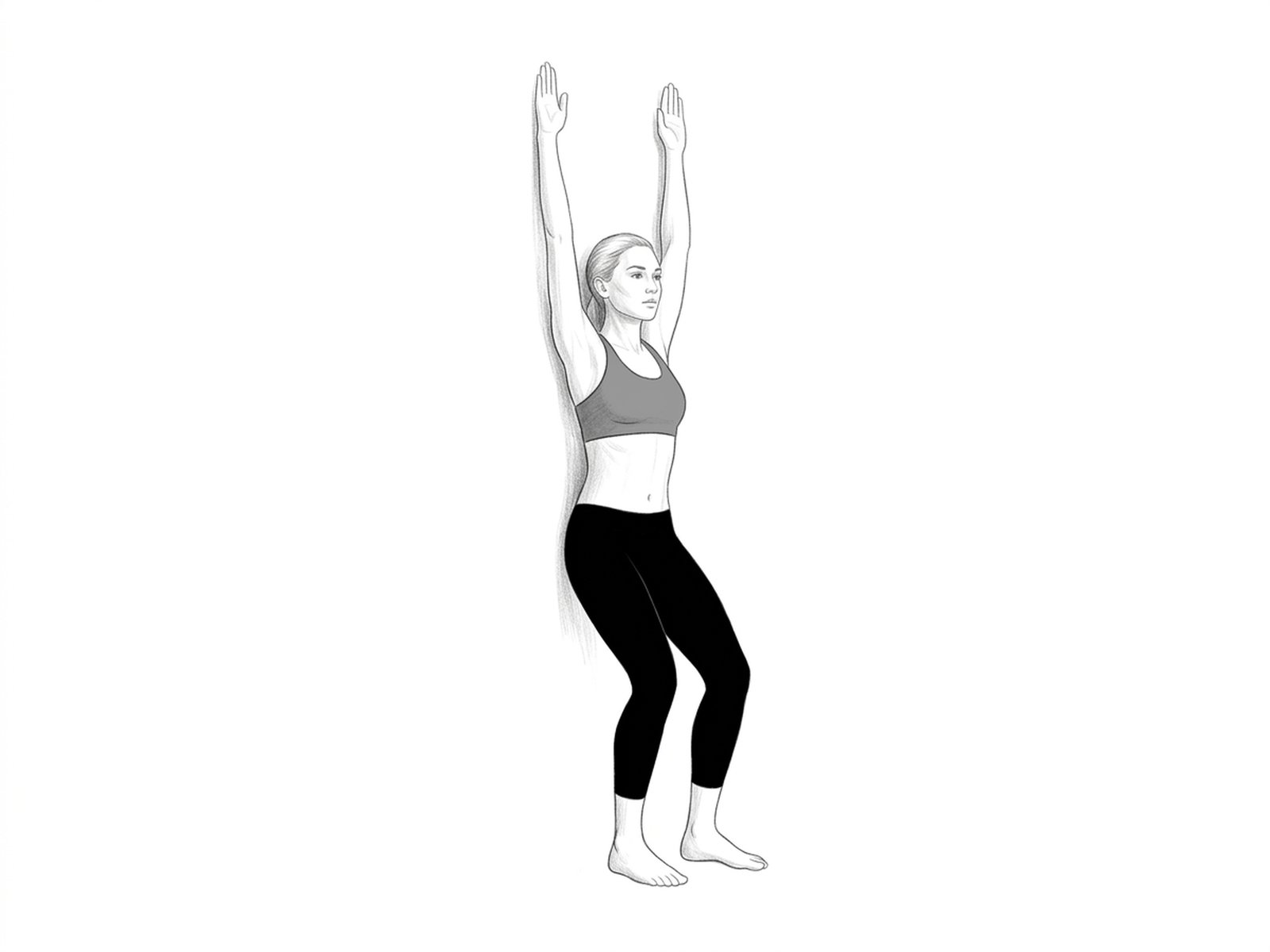
Wall Angels
Scapulothoracic mobilization in the posterior chain that corrects kyphotic posture. Indicated as an adjunct in cervical disc herniation to reduce compensatory overload.
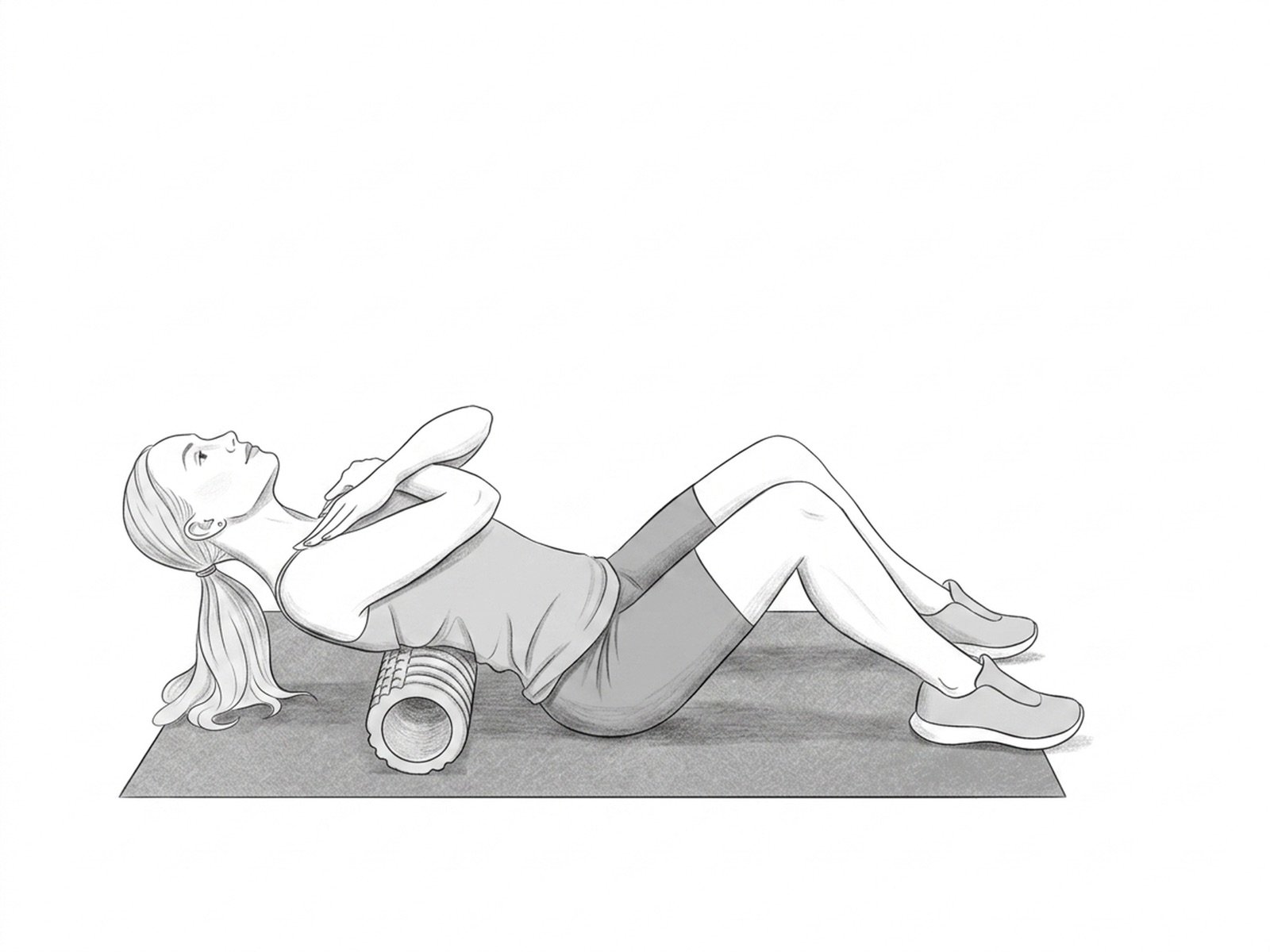
Thoracic Mobilization on a Foam Roller
Mobilizes the thoracic spine into extension using a foam roller. Improves mobility of the thoracic kyphosis and reduces secondary cervical compensations driven by stiffness in this region — common in people who spend long hours at a computer.
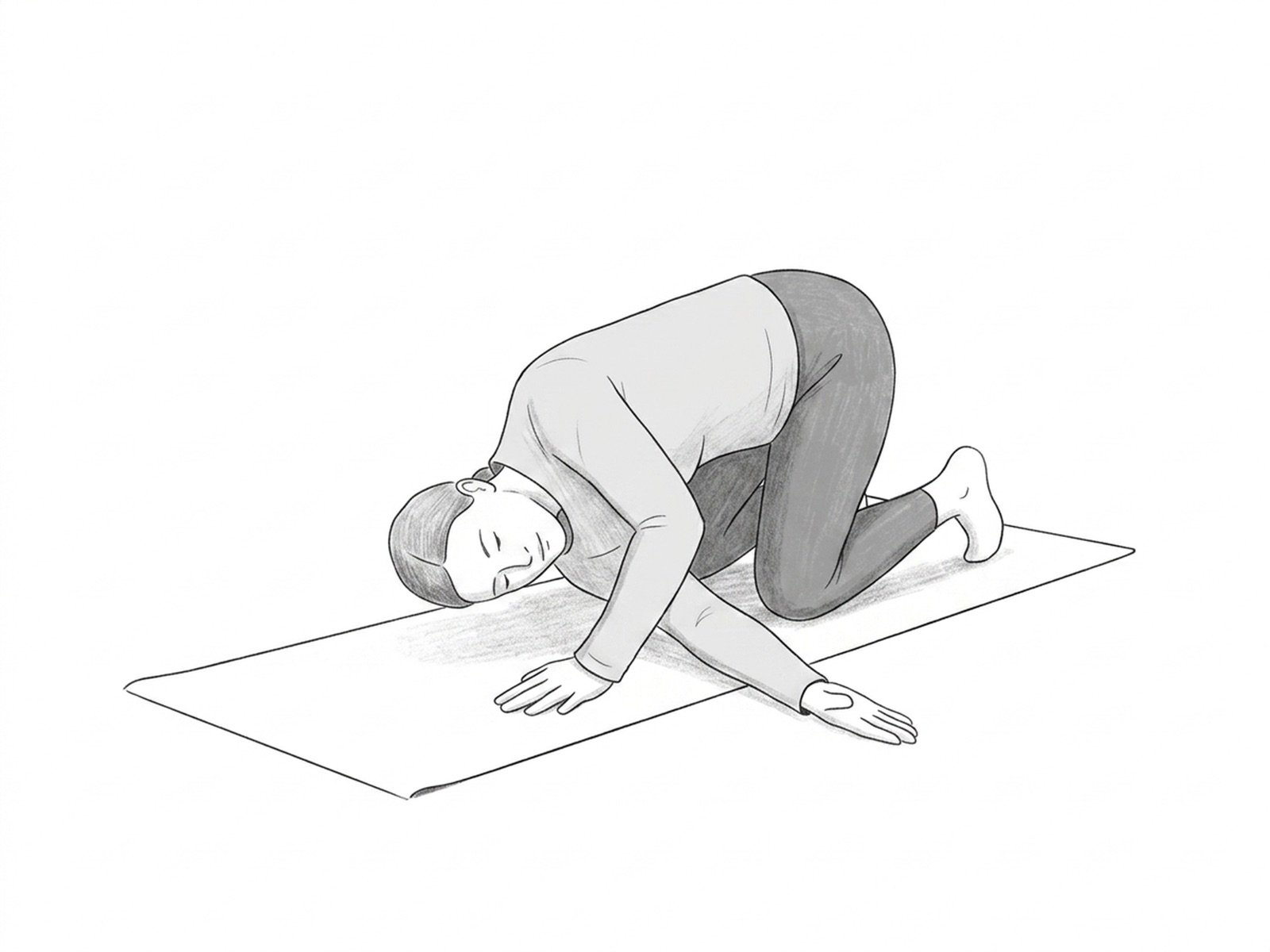
Thread the Needle Thoracic Rotation
Rotational mobilization of the thoracic spine in quadruped. Restores the thoracic rotation frequently lost in office workers — and whose absence forces the cervical and lumbar regions to compensate, generating pain.