Therapeutic exercise
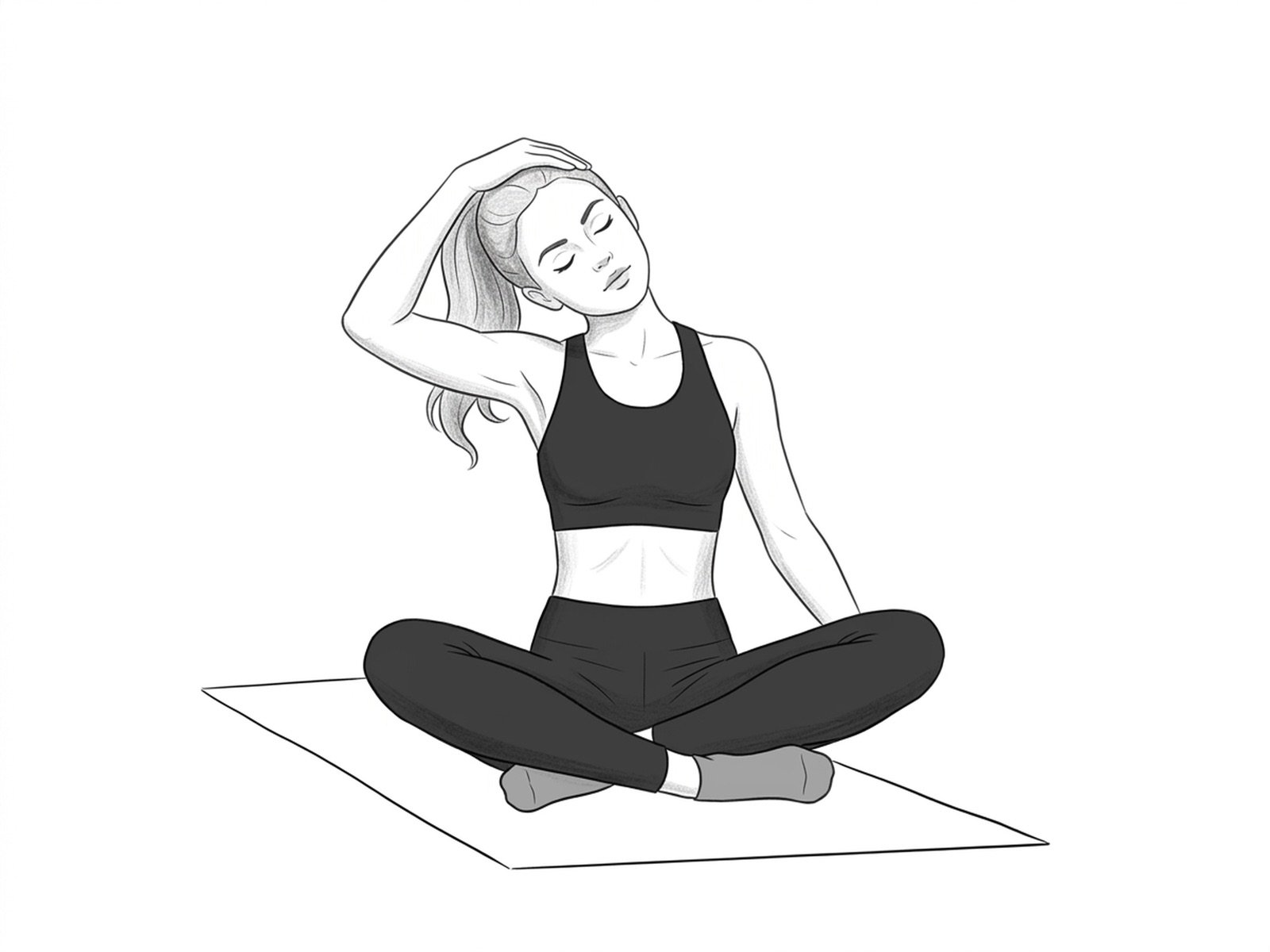
Sternocleidomastoid (SCM) Stretch
Selective stretch of the sternocleidomastoid — a muscle frequently shortened in patients with tension-type headache, cervicogenic headache, and forward-head posture. The position combines extension, rotation, and contralateral lateral flexion.
How to perform
- Starting position. Sit upright with the shoulders relaxed downward.
- Step 2. Tilt the head to the side opposite the SCM you want to stretch (for example: tilt right to stretch the left SCM).
- Step 3. Then rotate the head to the same side as the tilt, looking upward — the opposite side of the neck should be exposed.
- Step 4. To deepen the stretch, use the hand on the stretched side to fix the clavicle slightly downward, while the other hand can rest on the head with gentle overpressure.
- Return. Hold for 30 seconds, breathing deeply, and repeat on the other side.
When not to perform
- Active cervicogenic vertigo
- Vertebrobasilar insufficiency
- Recent cervical trauma
- Acute cervical radiculopathy with motor deficit
- Rheumatoid arthritis with atlantoaxial subluxation
- Recent cervical spine surgery
Medical disclaimer. These exercises are presented for informational purposes only. Always consult your physician before starting any exercise program, especially in case of acute pain, recent injury, or underlying clinical condition.
Related Exercises
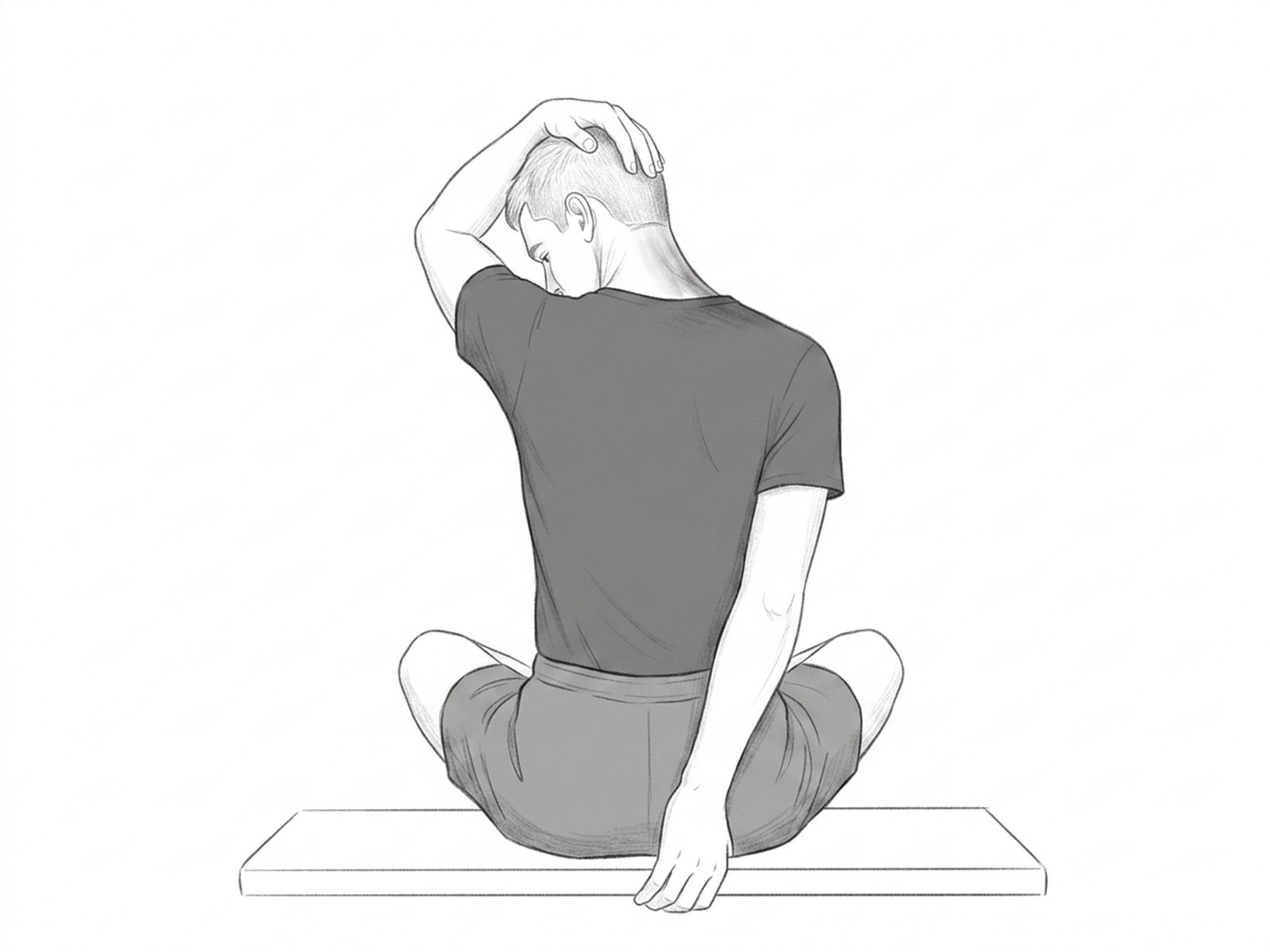
Levator Scapulae Stretch
Stretches the levator scapulae — a classic culprit in posterolateral neck pain and that sensation of heaviness around the neck, typical of people who spend long hours with the head forward in front of screens.
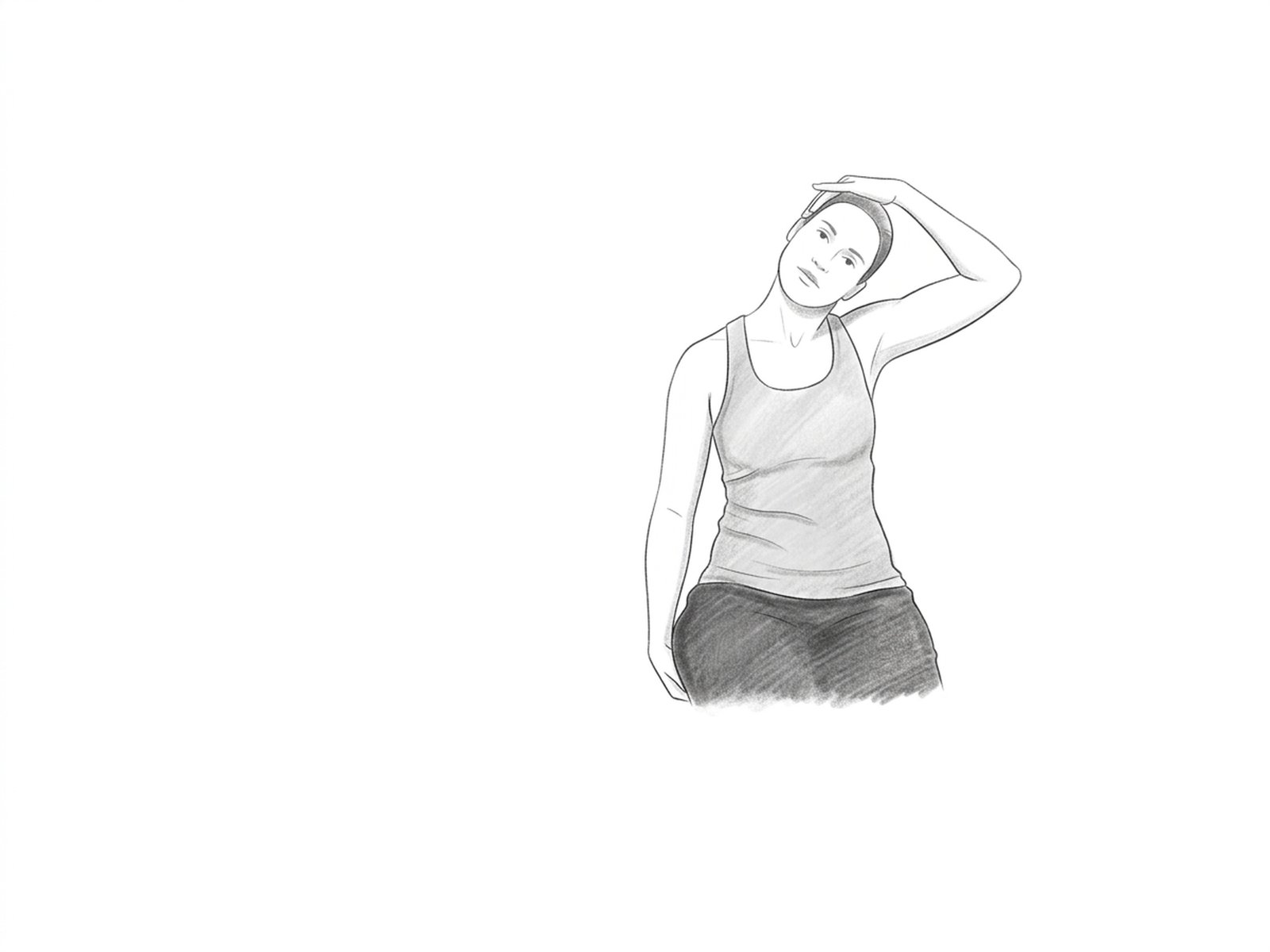
Upper-Trapezius Stretch
Stretches the upper trapezius — a muscle that is commonly hypertonic in patients with mechanical neck pain. Relieves the sensation of heaviness and tension in the neck and shoulders.
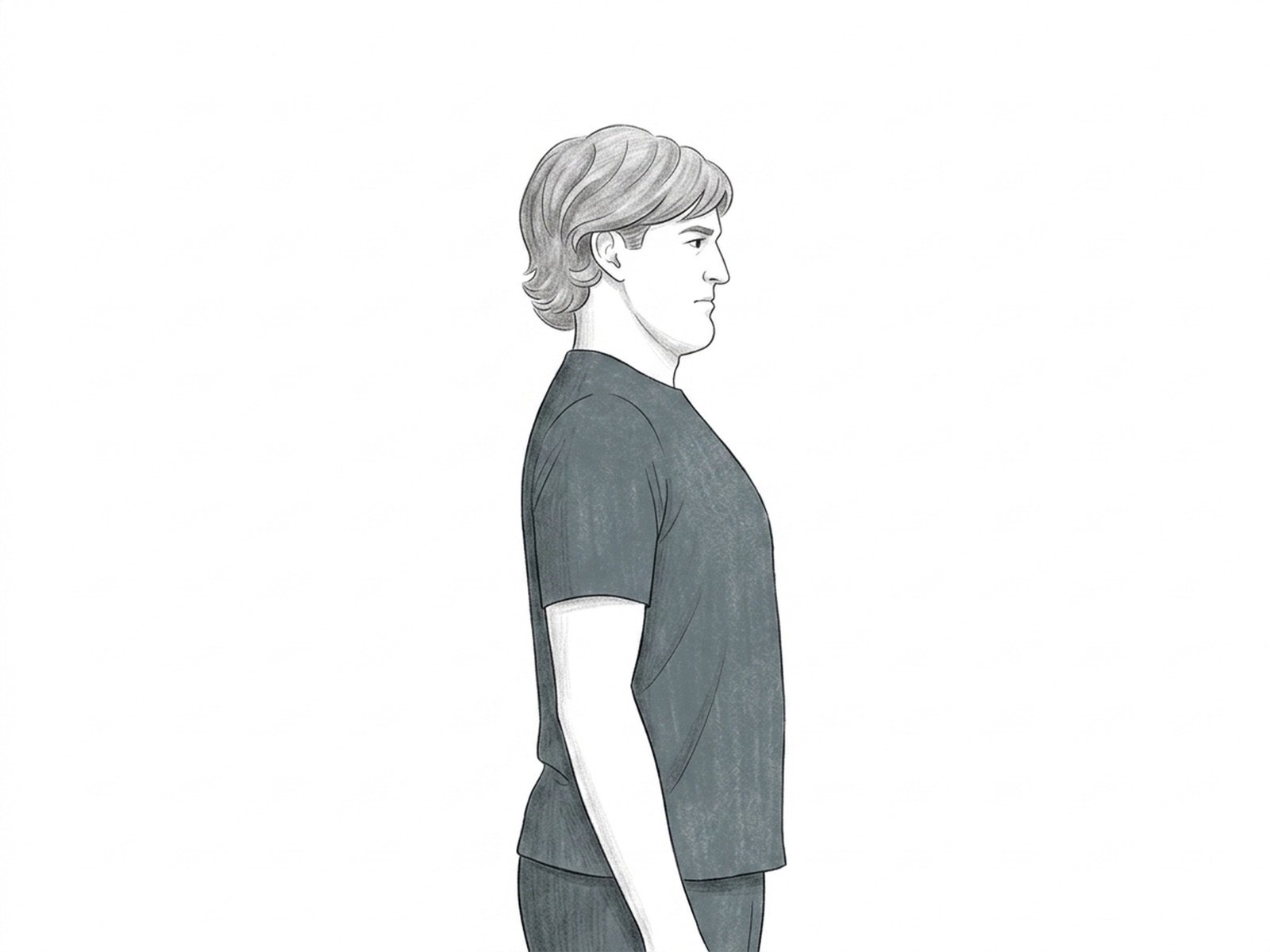
Cervical Retraction (Chin Tuck)
Activates the deep cervical flexors — longus colli and longus capitis — muscles essential for cervical stabilization and frequently inhibited in chronic neck-pain patterns.