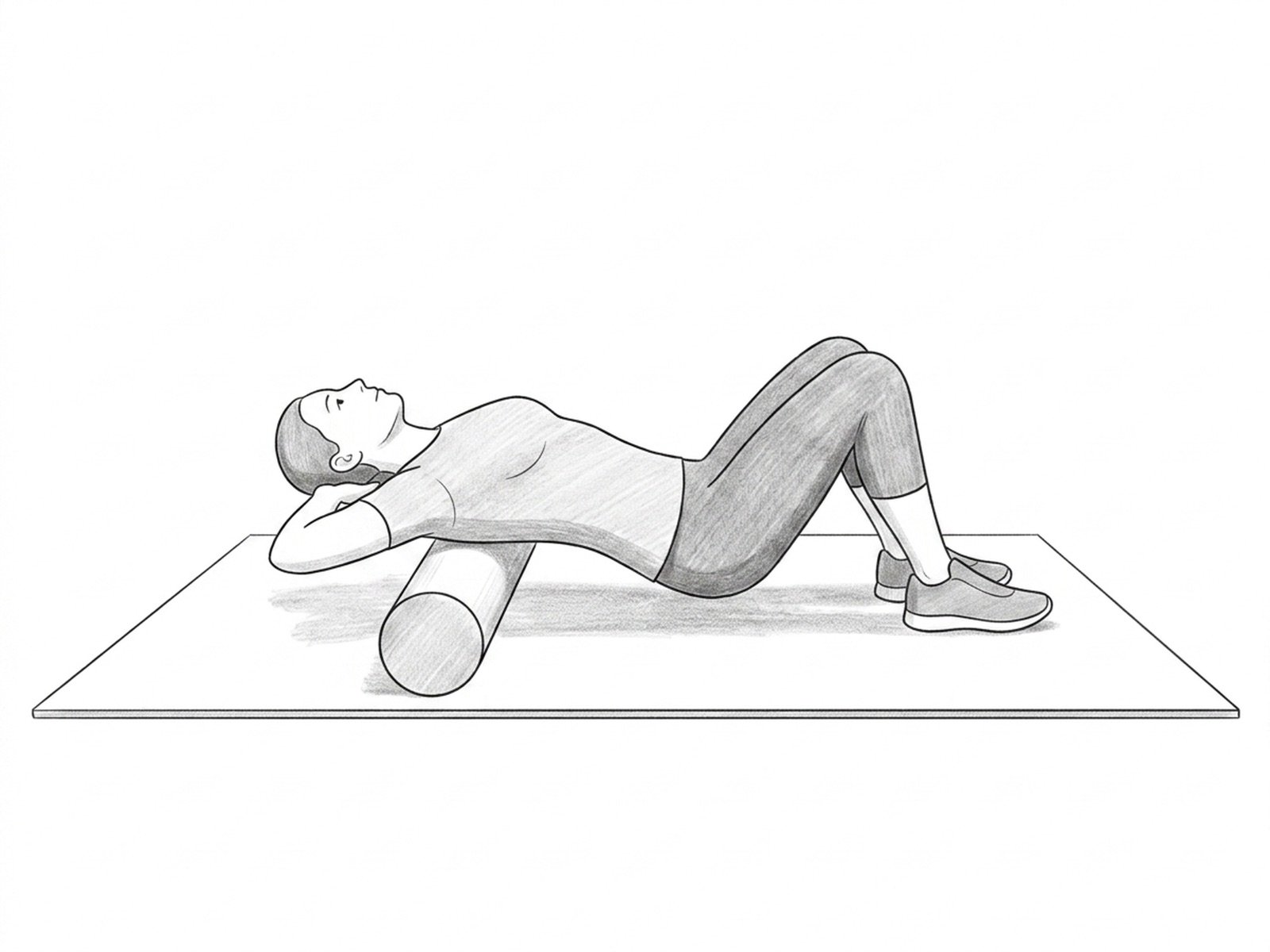
Therapeutic exercise
Upper-Back Myofascial Release
Self-myofascial release over the trapezius and thoracic erectors. Reduces tension of the characteristic trigger points of myofascial pain syndrome.
How to perform
- Starting position. Lie on your back with a foam roller crosswise under your upper back.
- Step 2. Cross your arms over your chest to open the scapulae.
- Step 3. Lift your hips slightly and slowly roll along the trapezius region to the interscapular area.
- Return. Pause for 20–30 seconds on more tense points.
When not to perform
- Advanced osteoporosis
- Acute thoracic pain
- Thoracic disc herniation
Medical disclaimer. These exercises are presented for informational purposes only. Always consult your physician before starting any exercise program, especially in case of acute pain, recent injury, or underlying clinical condition.
Related Exercises
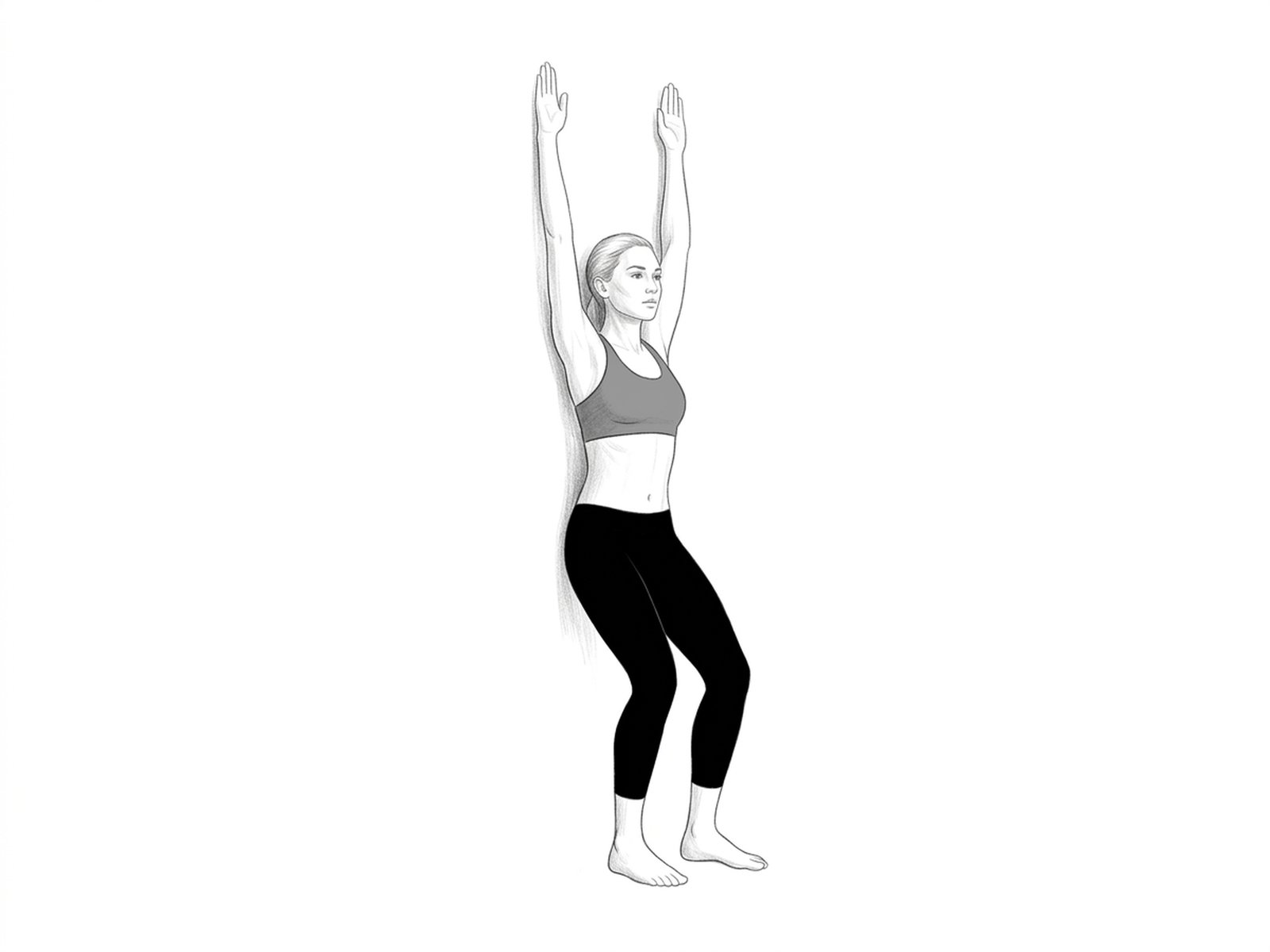
Wall Angels
Scapulothoracic mobilization in the posterior chain that corrects kyphotic posture. Indicated as an adjunct in cervical disc herniation to reduce compensatory overload.
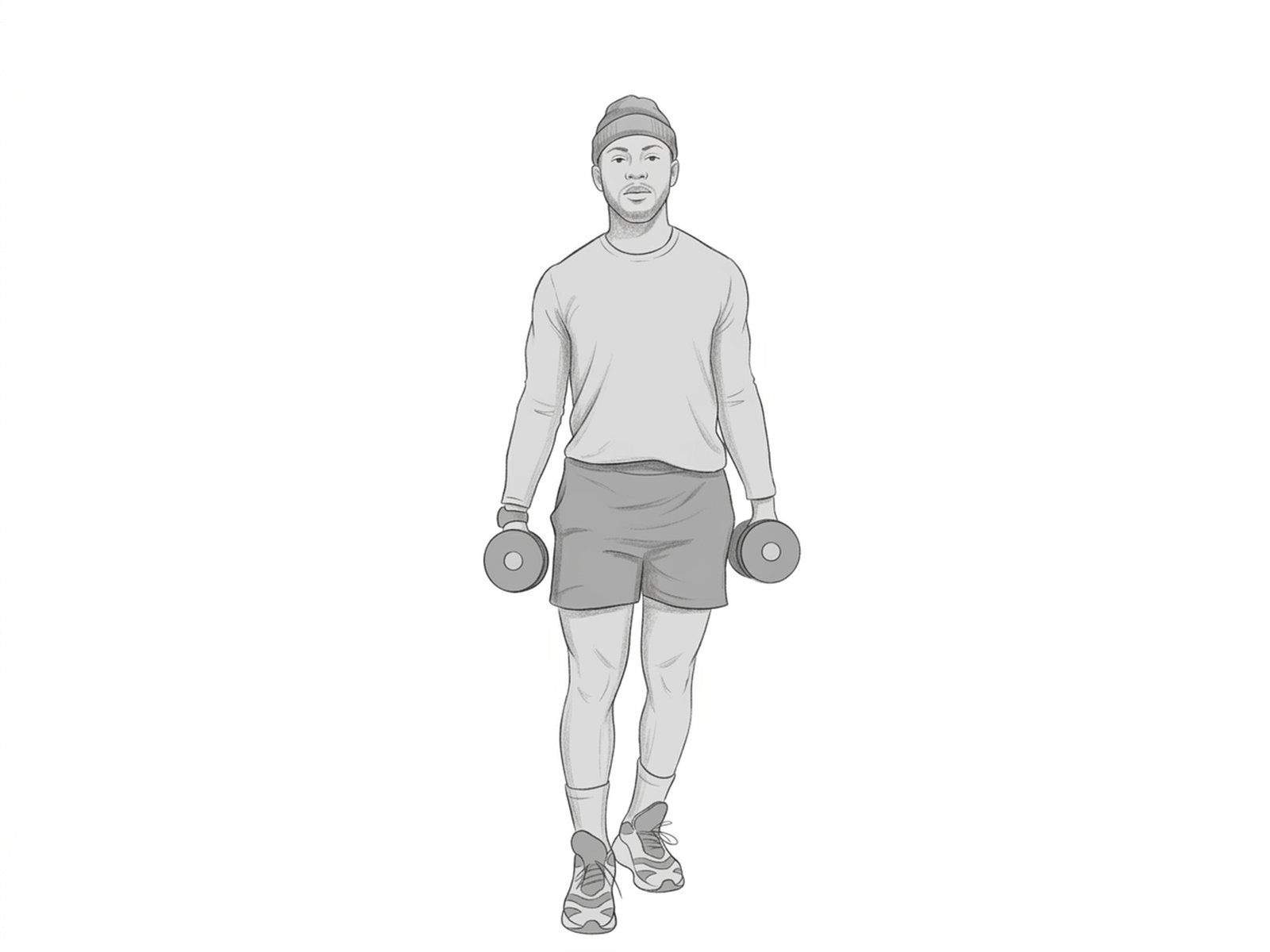
Farmer's Carry
Walking while carrying significant weight in each hand, maintaining upright posture. An integrated functional exercise that strengthens the entire shoulder girdle, core, and lower limbs simultaneously — transfers directly to daily-life activities such as carrying grocery bags.
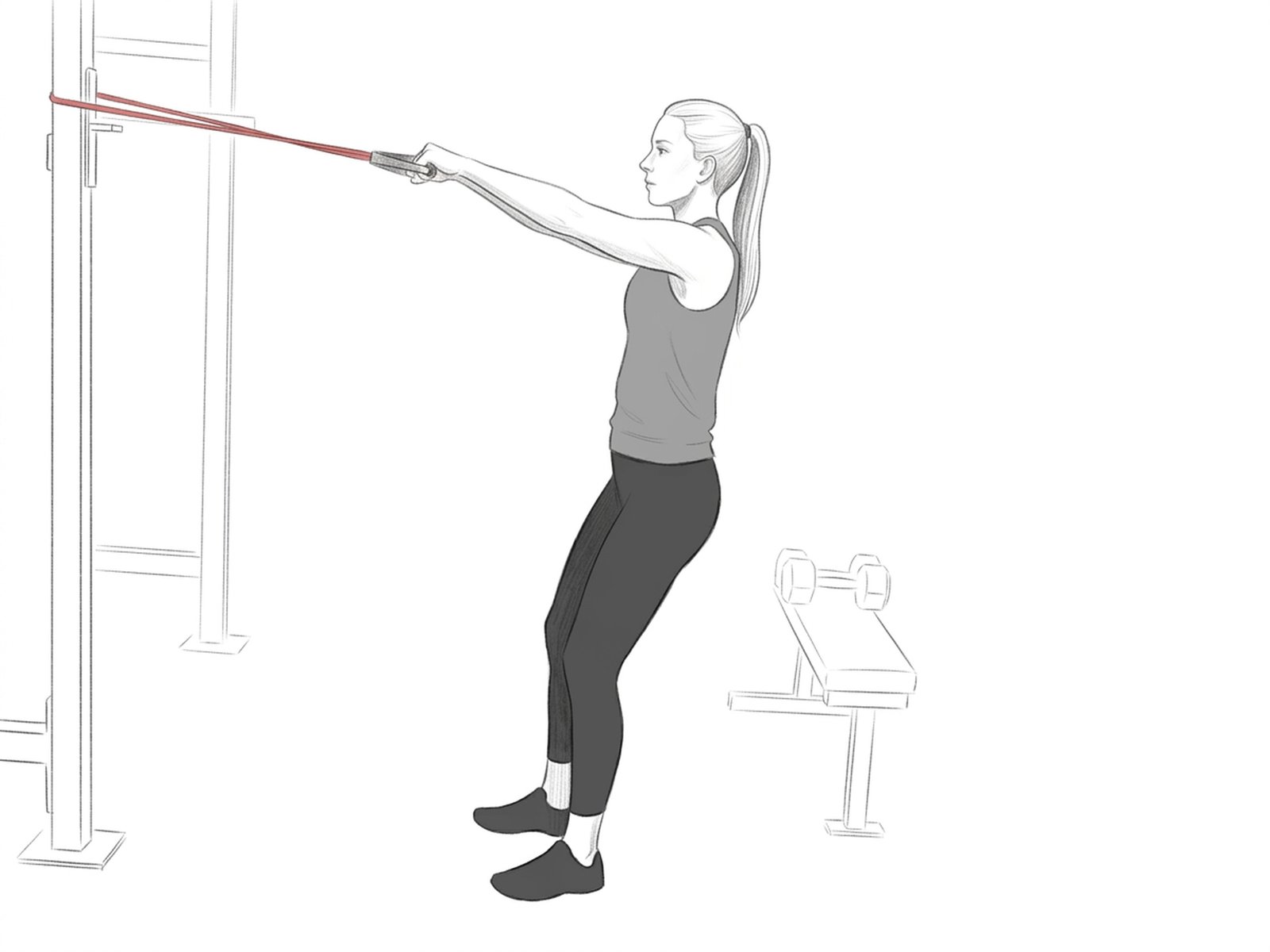
Banded Face Pull
Horizontal pull toward the face with an elastic band, recruiting rhomboids, posterior deltoid, teres minor, and infraspinatus. Specifically corrects the pattern of anteriorly tilted scapula in patients with rhomboid and interscapular pain — one of the exercises with the best functional transfer to pulling activities.