PAIN
EDUCATION.
Understanding how pain works is, in itself, therapeutic. Patients who grasp the neuroscience of pain respond better to treatment. Curriculum on two tracks — lessons for patients, papers for clinicians. Curated by the CEIMEC medical team.
Before treating pain, you have to understand it.
Pain Neuroscience
How the brain processes, modulates, and amplifies pain signals — and why this matters for treatment.
Central Sensitization
When the central nervous system becomes hypersensitive, any stimulus turns into pain. Understanding this changes everything.
Psychosocial Factors
Emotions, beliefs, and social context directly influence the intensity and chronification of pain.
Lessons for patients
 Lesson · 01
Acupuncture in Multimodal Pain Treatment
How medical acupuncture integrates with pharmacology, rehabilitation, and psychology to manage complex pain
 Lesson · 02
Amitriptyline and Duloxetine in Chronic Pain: Synergy with Acupuncture
How antidepressants modulate pain through the descending serotonin-norepinephrine pathway, where they fall short, and why pairing them with electroacupuncture amplifies clinical results.
 Lesson · 03
The Problem of Chronic NSAID Use in Pain
Gastrointestinal, renal, and cardiovascular risks of NSAIDs — and how medical acupuncture offers inflammatory modulation without the side effects of prolonged use.
 Lesson · 04
Pain Catastrophizing: Recognize and Overcome
What catastrophizing is, how it amplifies chronic pain, and cognitive strategies to reduce it
 Lesson · 05
Acute Pain versus Chronic Pain: Why Are They Different?
Understand the fundamental distinction between protective acute pain and chronic pain as a disease — and why treatments differ
 Lesson · 06
Emotions and Pain: How Psychology Modulates Chronic Pain
Anxiety, depression, trauma, and stress: why emotions amplify pain and what to do about it
 Lesson · 07
Sleep Ergonomics and Pillow Selection After Acupuncture
How sleep position perpetuates cervical trigger points, the biomechanics of the cervical spine during sleep, and practical guidance to maximize treatment results.
 Lesson · 08
Exercise after Dry Needling: Strength and Eccentric Loading
Why stretching and eccentric strengthening after trigger point needling are essential to prevent recurrence — evidence-based protocols.
 Lesson · 09
Fascia: Connective Tissue and How the Acupuncture Needle Acts on It
Anatomy of the myofascial fascia, viscoelastic properties, mechanotransduction, and how needling modifies the extracellular matrix — the science behind 'needle grasp.'
 Lesson · 10
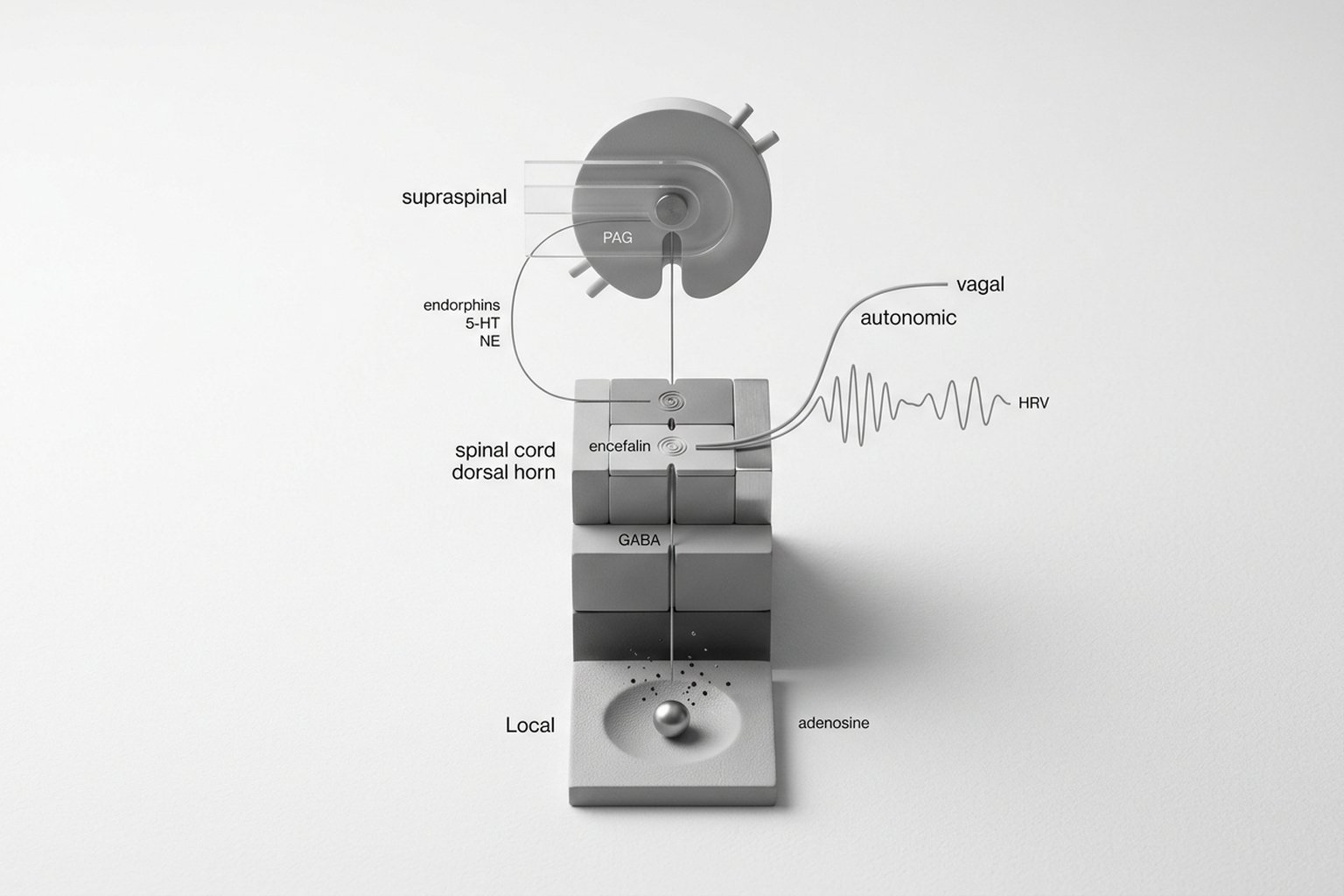
How Acupuncture Works: Neurophysiologic Mechanisms
The science behind acupuncture: nociceptors, endogenous opioids, DPMS, inflammation, and neuroplasticity
 Lesson · 11
Movement and Pain: Why Moving Is Medicine
The science of movement in chronic pain: why avoiding movement worsens pain and how to safely return to activity
 Lesson · 12
Placebo and Nocebo Effects in Pain
How expectations, beliefs, and context amplify or relieve pain — the neuroscience of placebo and its clinical implications
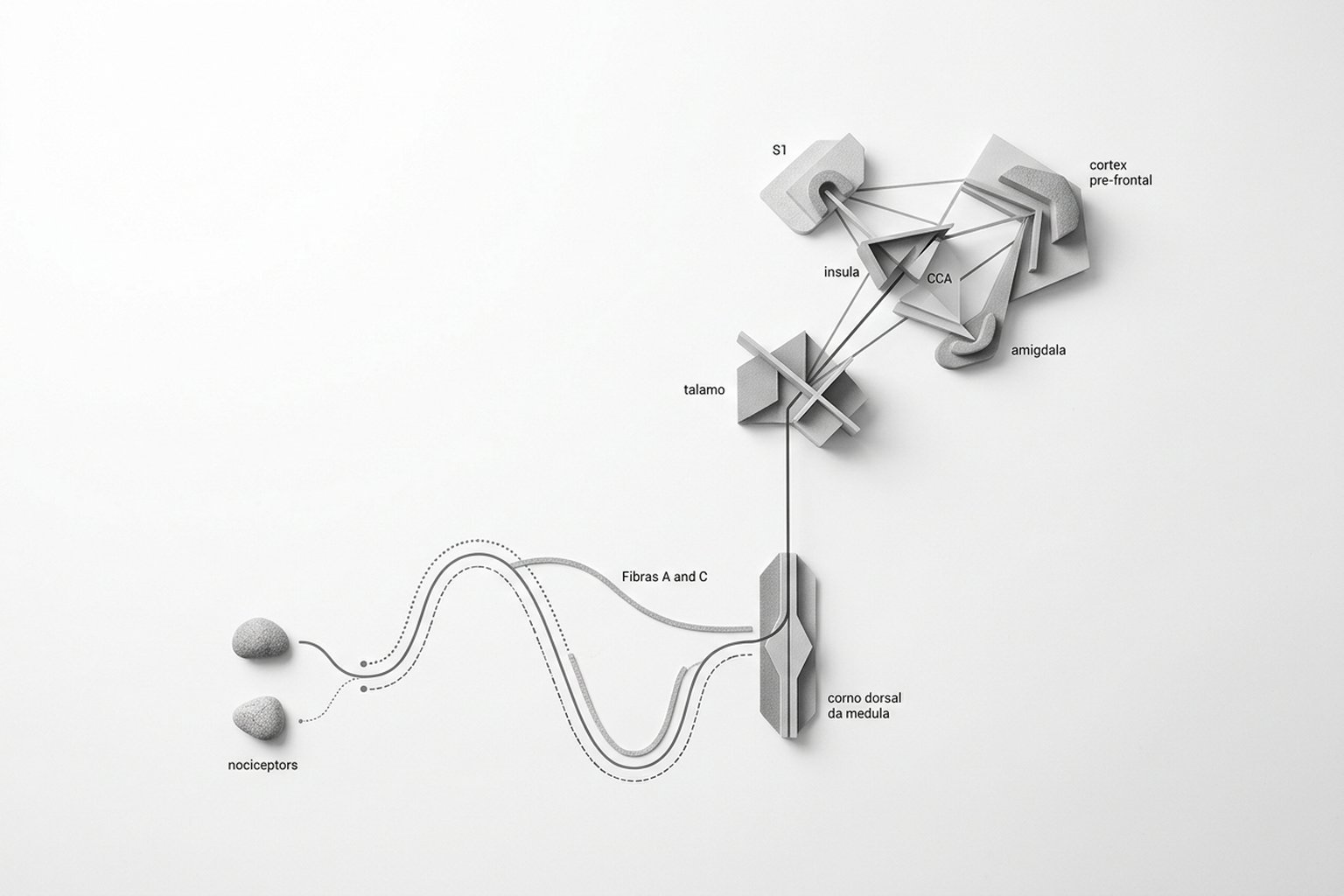 Lesson · 13
What Is Pain? Neuroscience for Patients
How the brain processes pain: nociceptors, spinal cord, córtex, and why pain is always 'real'
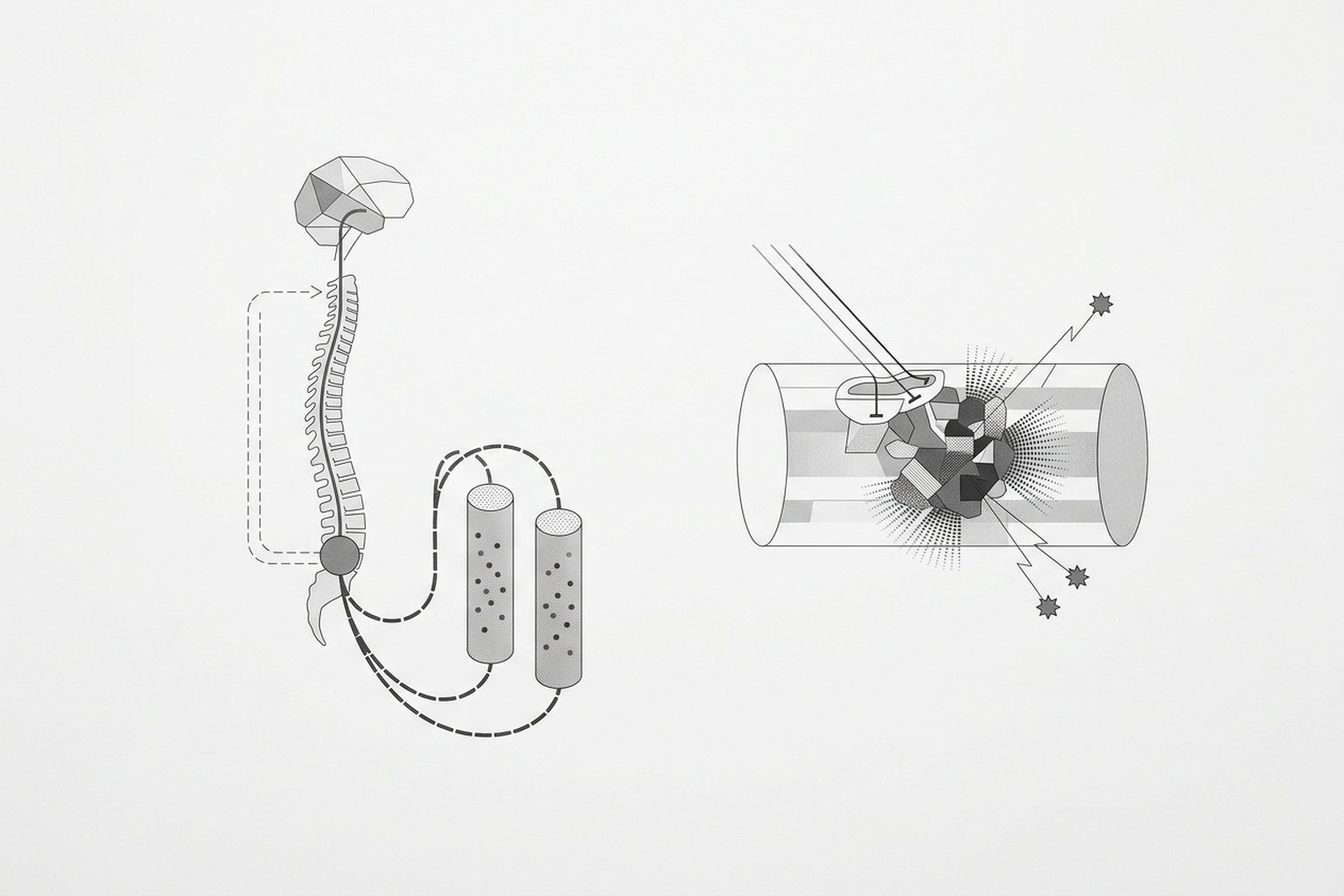 Lesson · 14
Why Muscle Relaxants Fail in Myofascial Pain
Cyclobenzaprine, tizanidine, and carisoprodol: mechanisms of action, limitations in trigger-point pain, and the role of electroacupuncture as an option without sedation — case-by-case clinical decision.
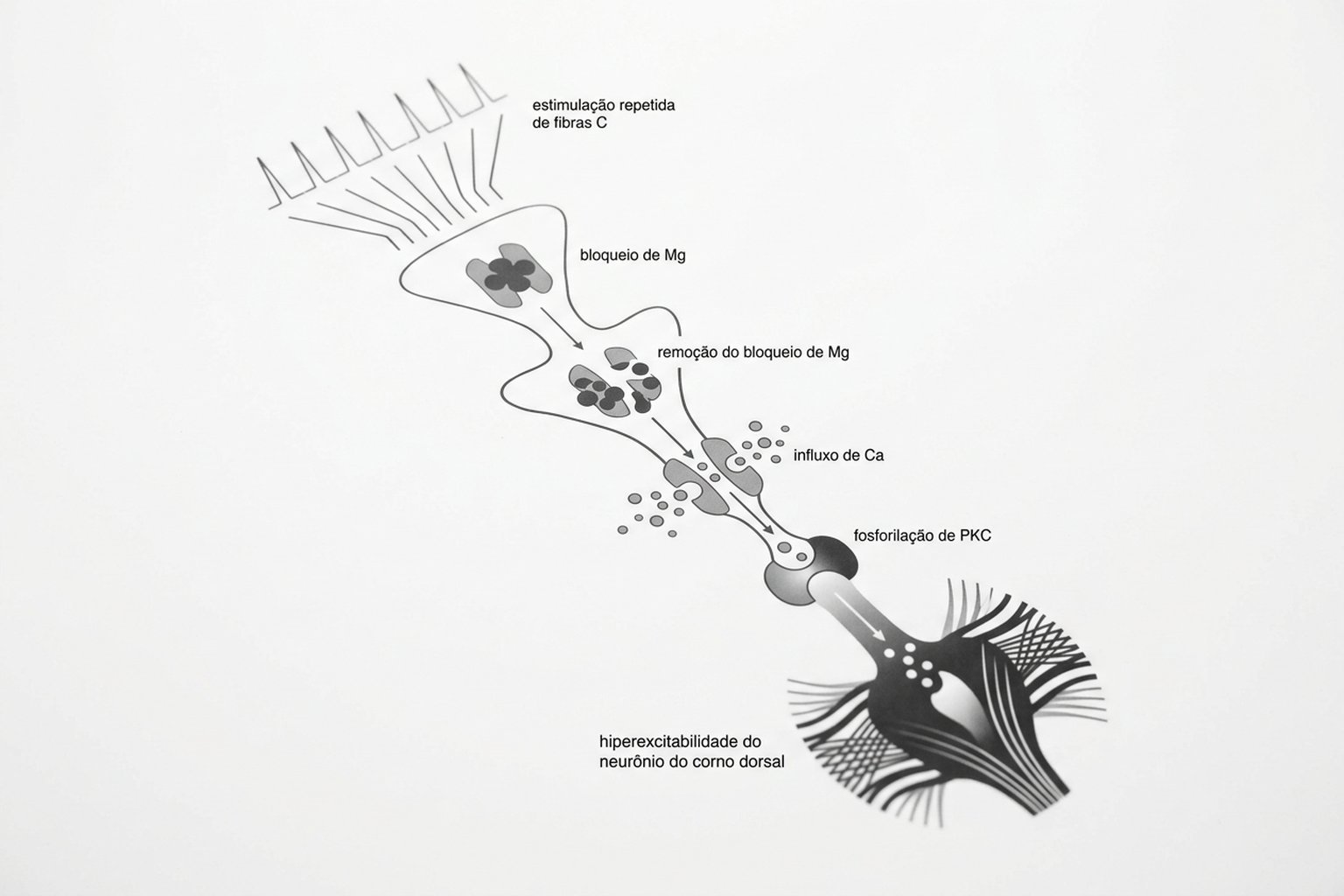 Lesson · 15
Central Sensitization: When the Nervous System Amplifies Pain
How the central nervous system 'learns' to feel more pain — wind-up, allodynia, and the role of neuroplasticity
 Lesson · 16
Sleep and Pain: A Two-Way Relationship
How poor sleep amplifies pain and pain disrupts sleep — the vicious cycle and evidence-based strategies
Papers for clinicians
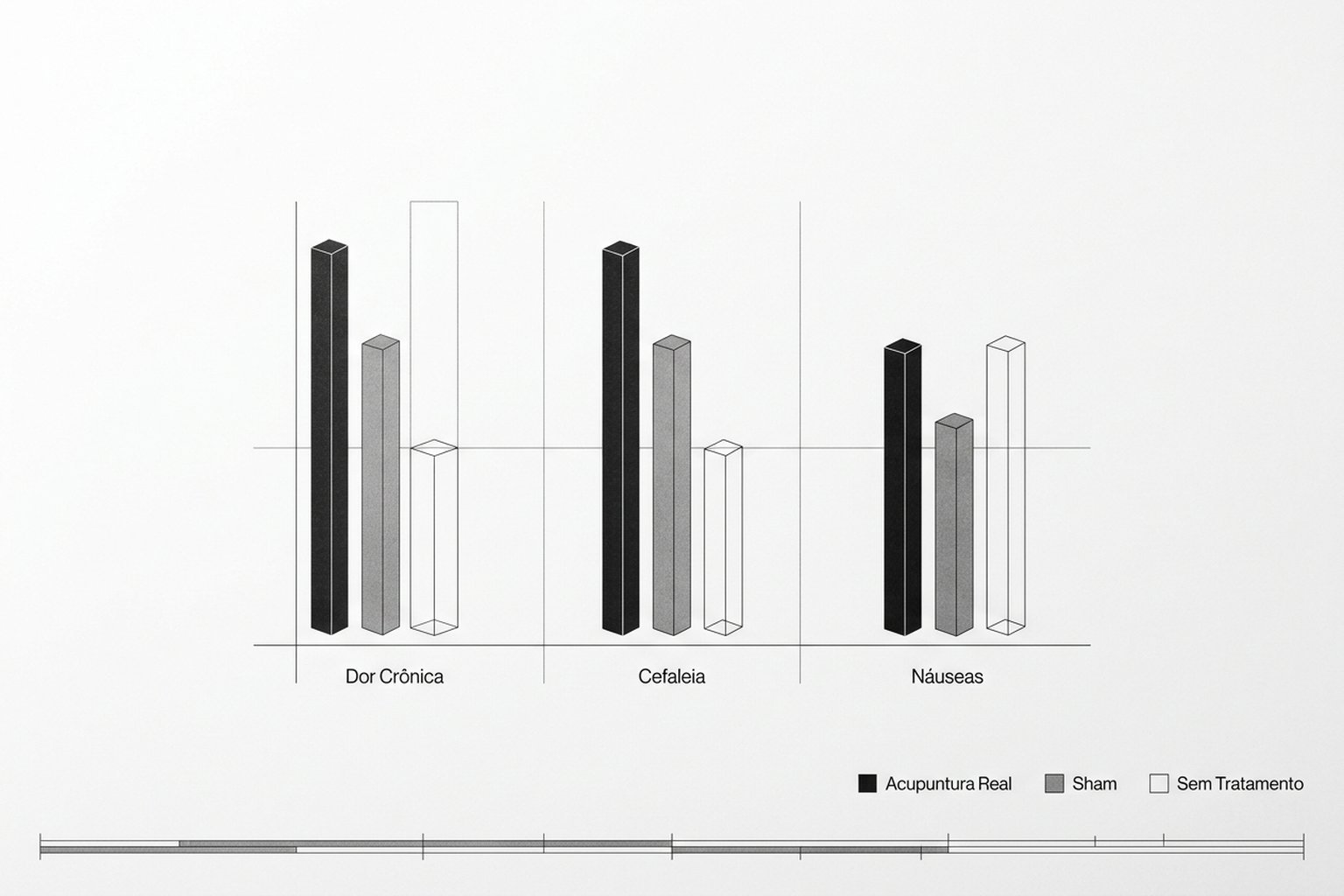 Paper · 01
Acupuncture and Research: Why Studying Acupuncture Is Hard
Methodological limitations of acupuncture trials: the placebo problem, the impossible blind, and what the current evidence really tells us
 Paper · 02
Effects of Acupuncture on Functional MRI (fMRI)
What two decades of neuroimaging show about acupuncture's central effects — activated brain networks, modulation of key pain regions, and the real-vs-sham debate in light of the data.
 Paper · 03
Adverse Effects of Dry Needling
Complete clinical guide to dry needling safety: actual frequency of adverse events, prevention, management, and when to seek medical care.
Treatments beyond acupuncture
Acupuncture is not the only tool. Pain medicine brings together procedures with evidence for specific situations — injections, high-power laser, shockwave therapy, percutaneous neuromodulation. Indication depends on the diagnosis and the patient's profile.
Mesotherapy for Pain (Intradermotherapy)
What current scientific evidence says about mesotherapy in the treatment of pain
Focal Shock Wave Therapy (f-ESWT) for Pain
Focal shock wave therapy: when it works, when it does not, evidence by condition
Radial Shock Waves (rESWT) for Pain
Radial pressure waves in myofascial pain and tendinopathies: current evidence