Therapeutic exercise
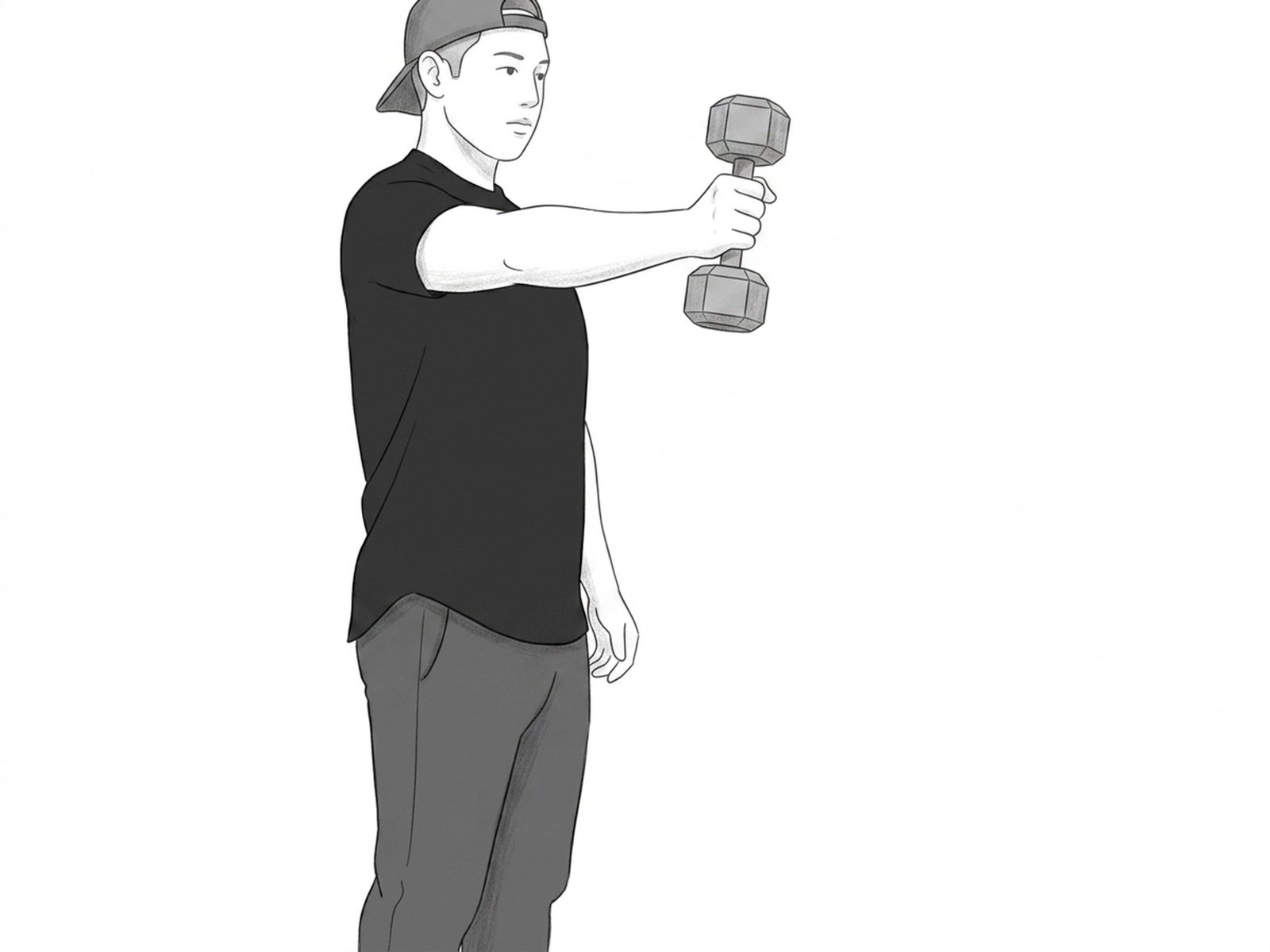
Shoulder Flexion with Eccentric Descent
Forward arm elevation with focus on the eccentric phase (controlled descent). Specifically loads the long head of the biceps within the bicipital groove — essential in advanced bicipital tendinopathy protocols, once initial analgesic gain has been achieved.
How to perform
- Starting position. Stand with a light-to-moderate dumbbell (2–4 kg) in the hand of the affected side.
- Step 2. Raise the arm forward with help from the contralateral hand (assisted concentric phase) to shoulder height or slightly above.
- Step 3. Release the assistance and lower the arm slowly over 4–5 seconds, resisting gravity — this is the isolated eccentric phase.
- Step 4. Upon reaching the starting position (arm extended at the side), use the contralateral hand again to return to the elevated position.
- Return. Keep the elbow extended throughout the movement — flexion occurs exclusively at the shoulder.
When not to perform
- Bicipital tendinopathy in an acute reactive phase
- Biceps tendon rupture
- Impingement syndrome with pain in the elevation range
- Adhesive capsulitis in a freezing phase
- Recent shoulder surgery
- Symptomatic SLAP lesion
Medical disclaimer. These exercises are presented for informational purposes only. Always consult your physician before starting any exercise program, especially in case of acute pain, recent injury, or underlying clinical condition.
Related Exercises
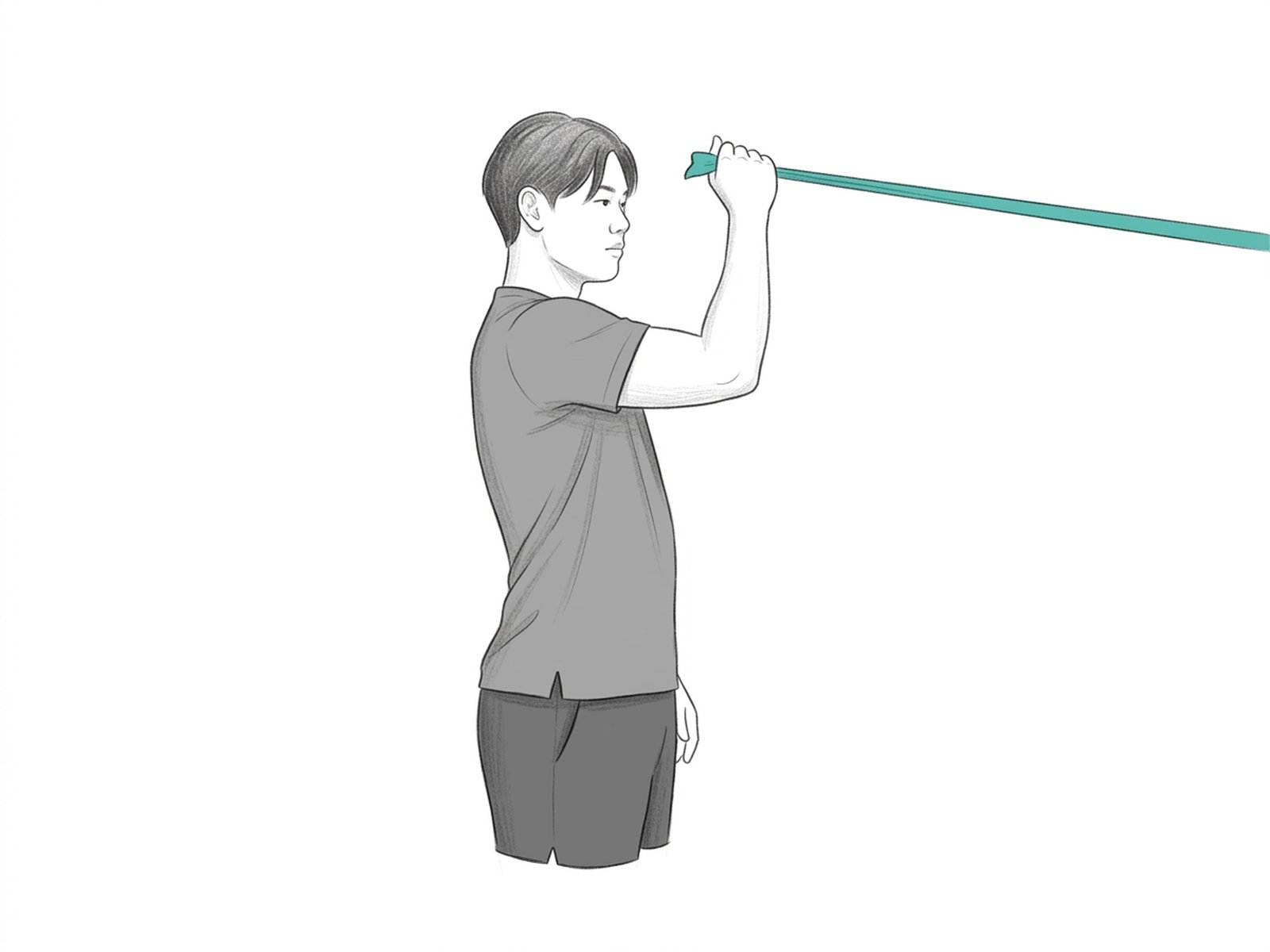
Resisted Elbow Flexion (Bicipital Protocol)
A biceps brachii remodeling protocol with slow, controlled tempo (2 seconds up, 1 second peak contraction, 3 seconds down) — distinct from a standard gym curl in that the time under tension stimulates type I collagen reorganization in the long head tendon, within the bicipital groove. The central exercise in bicipital tendinopathy after the analgesic phase.
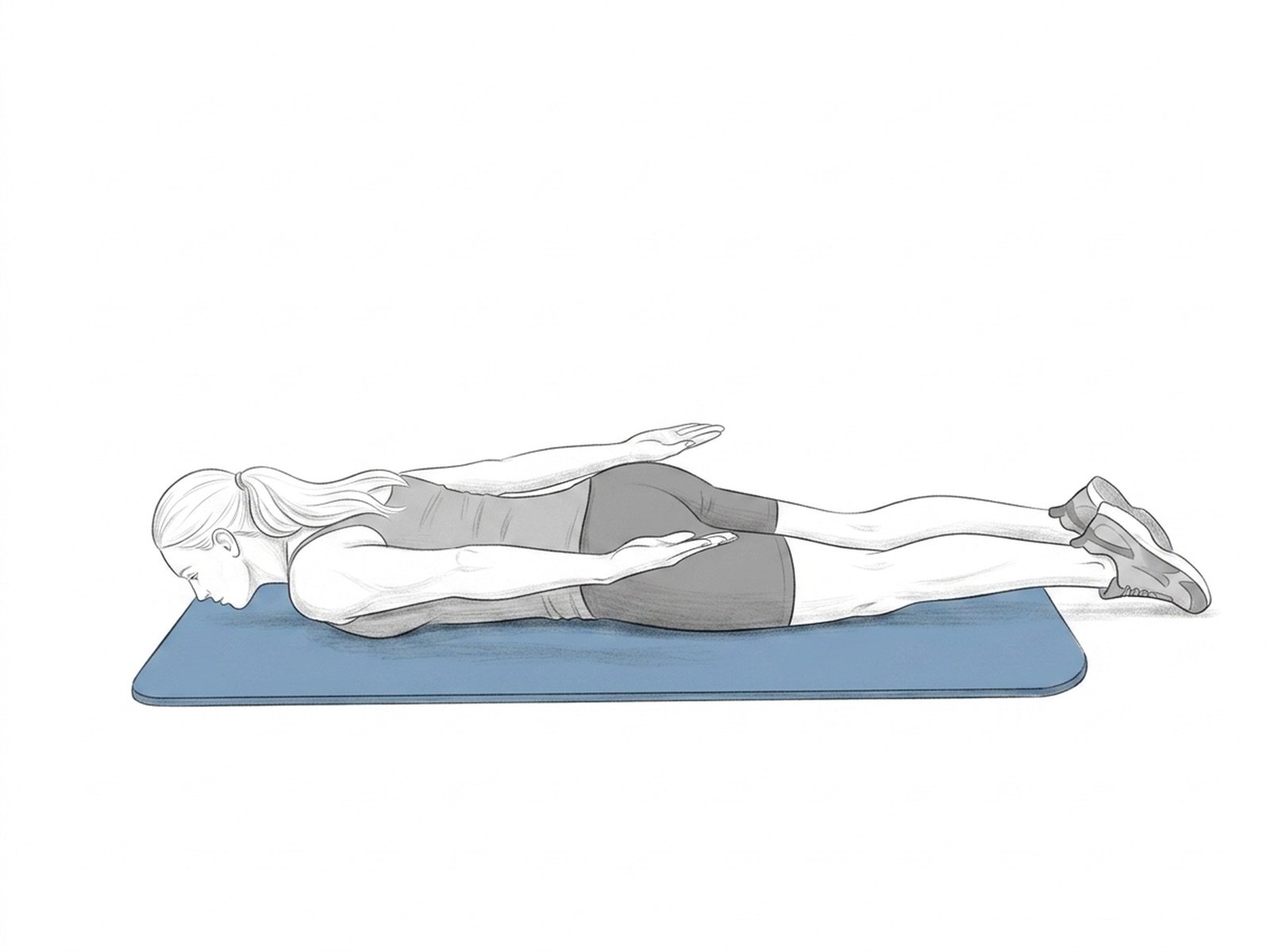
Prone Shoulder Extension
Strengthening of shoulder extension in a prone position, recruiting the latissimus dorsi, posterior deltoid, and long head of the triceps. Complements bicipital work in the opposite plane — essential for balancing the strength pattern around the glenohumeral joint.
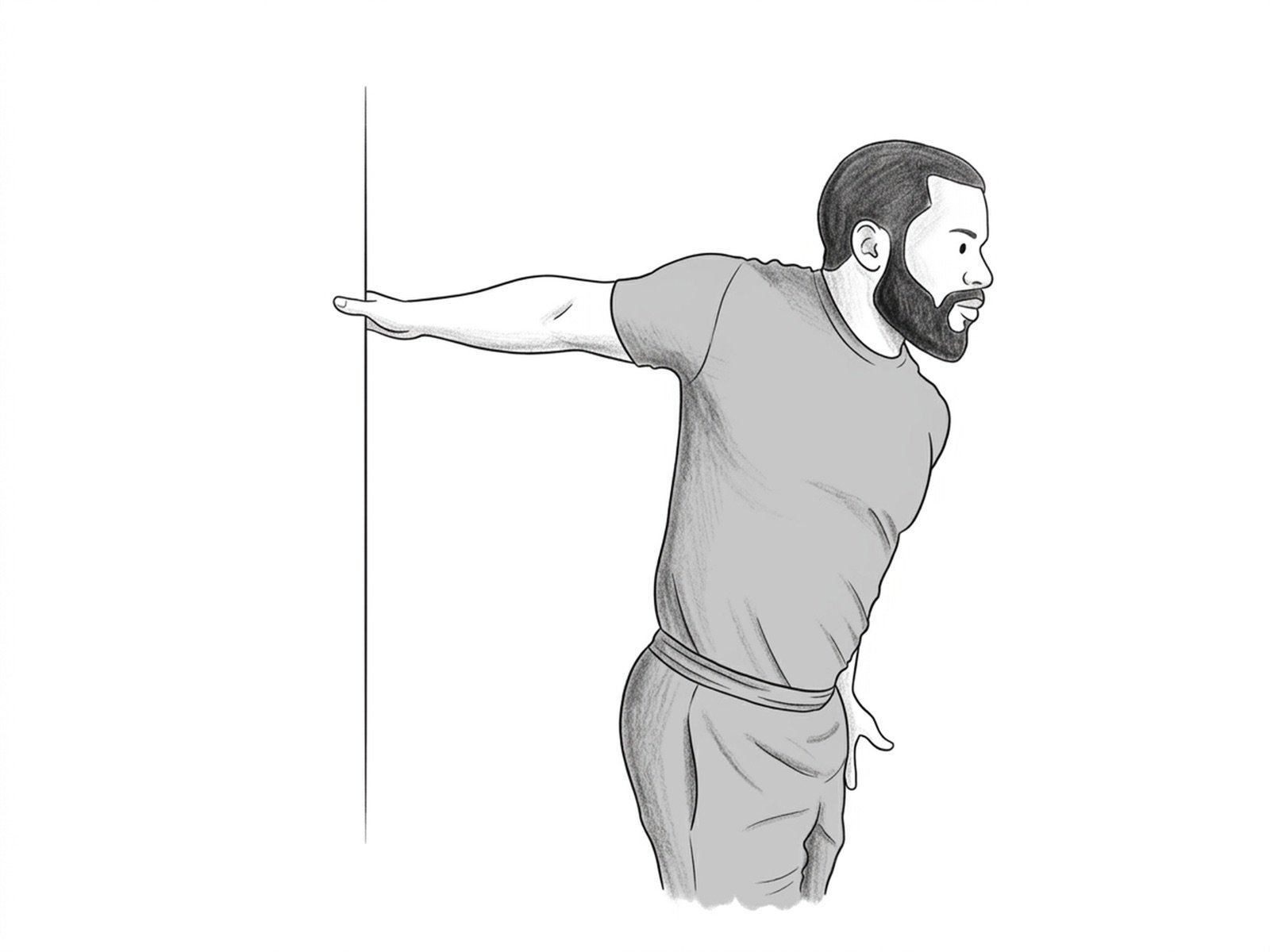
Biceps Wall Stretch
Passive stretch of the biceps brachii and the long head of the bicipital tendon, with combined elbow extension and shoulder extension. Essential in chronic bicipital tendinopathy — biceps shortening is both cause and consequence.