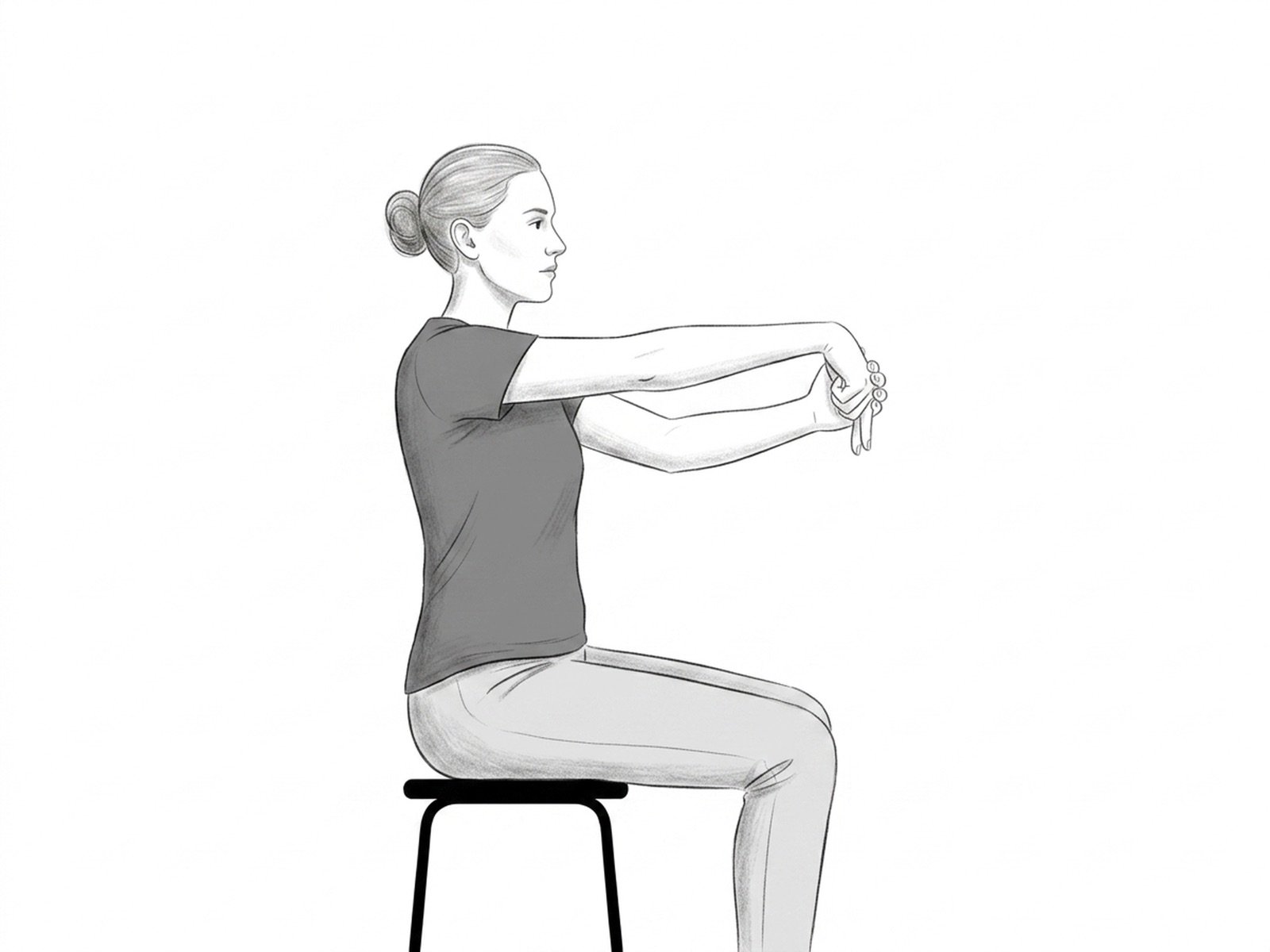
Therapeutic exercise
Elbow Extension Stretch
Passive stretch of the elbow flexors (biceps brachii, brachialis, brachioradialis) in full extension. Useful in cubital tunnel syndrome, where prolonged flexion increases pressure on the ulnar nerve — maintaining extension mobility is both preventive and therapeutic.
How to perform
- Starting position. Stand facing a wall, with the affected arm extended forward and the palm against the wall.
- Step 2. Externally rotate the shoulder so the fingers point upward and the palm is fully planted on the wall.
- Step 3. Keeping the palm fixed and the elbow fully extended (locked), slowly rotate the body in the direction opposite the arm.
- Step 4. Feel the stretch on the anterior side of the arm and elbow — hold for 30 seconds, breathing deeply.
- Return. Relax and repeat. If you feel tingling or neural pain, reduce the external rotation of the shoulder.
When not to perform
- Cubital tunnel syndrome in an acute phase with intense paresthesia
- Ulnar neuritis with motor deficit
- Elbow instability
- Recent ulnar transposition surgery
- Acute medial epicondylitis
- Cervical pain radiating and aggravated by the positioning
Medical disclaimer. These exercises are presented for informational purposes only. Always consult your physician before starting any exercise program, especially in case of acute pain, recent injury, or underlying clinical condition.
Related Exercises
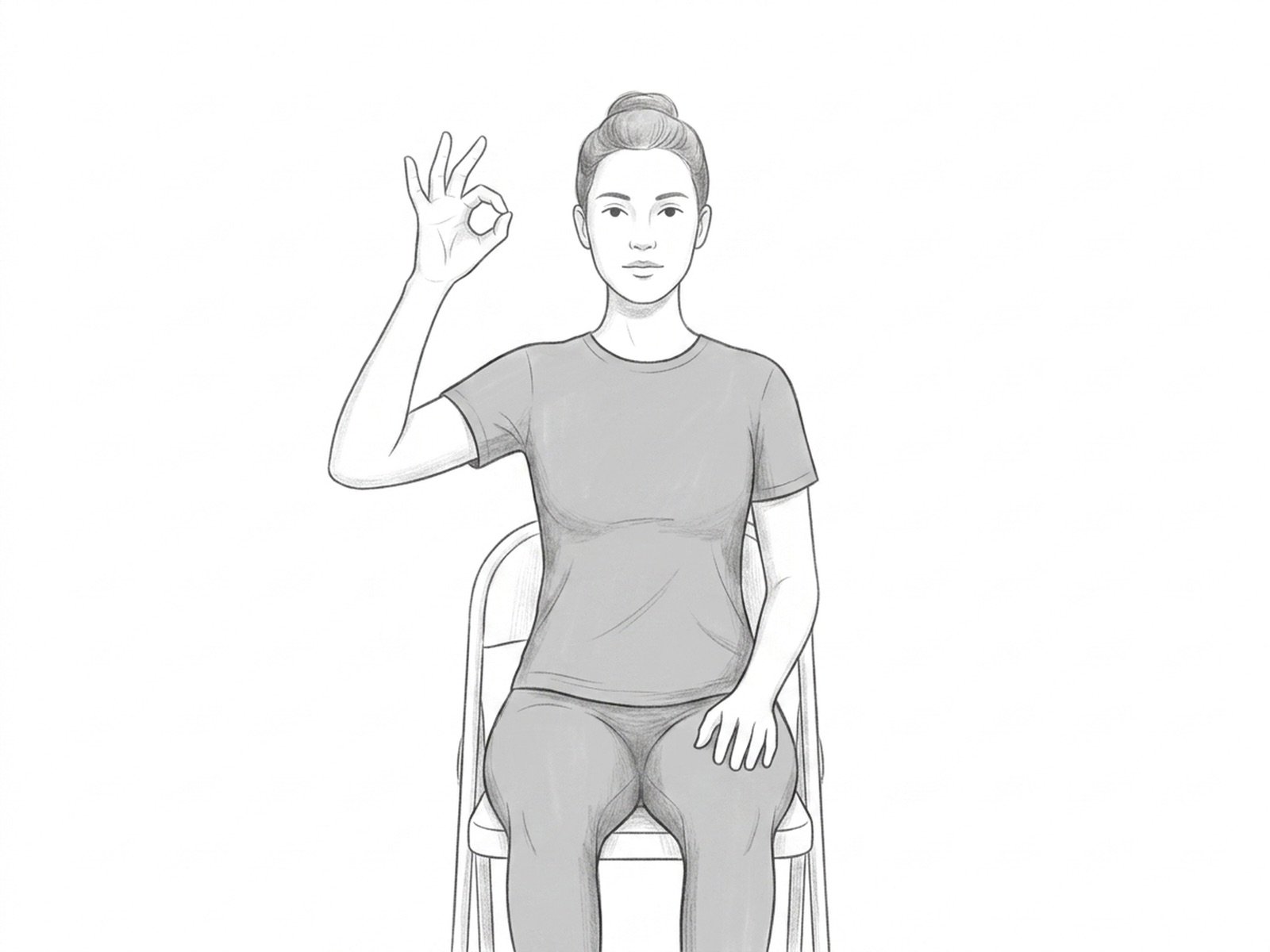
Ulnar Nerve Glide (Batman Mask)
Neural mobilization of the ulnar nerve along its path through the elbow (cubital tunnel) and wrist (Guyon's canal). Indicated for cubital tunnel syndrome, medial epicondylitis with a neural component, and triceps tendinopathy — the mask-shaped movement around the eyes releases the nerve from adhesions.
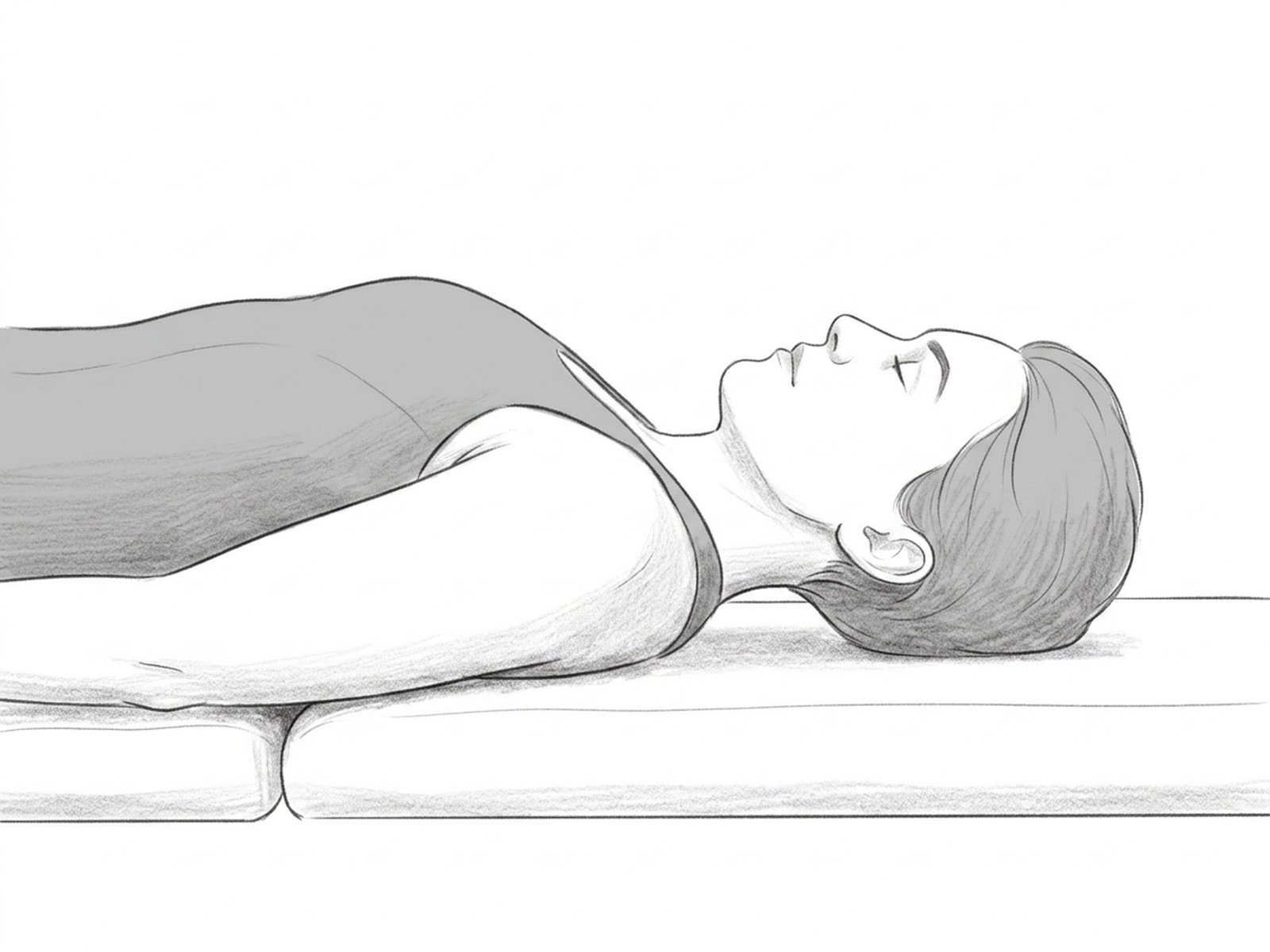
Supine Cervical Self-Traction
Self-traction technique that temporarily decompresses the cervical neural foramina. Useful in radiculopathy with arm radiation — the traction relieves root compression and promotes CSF flow.
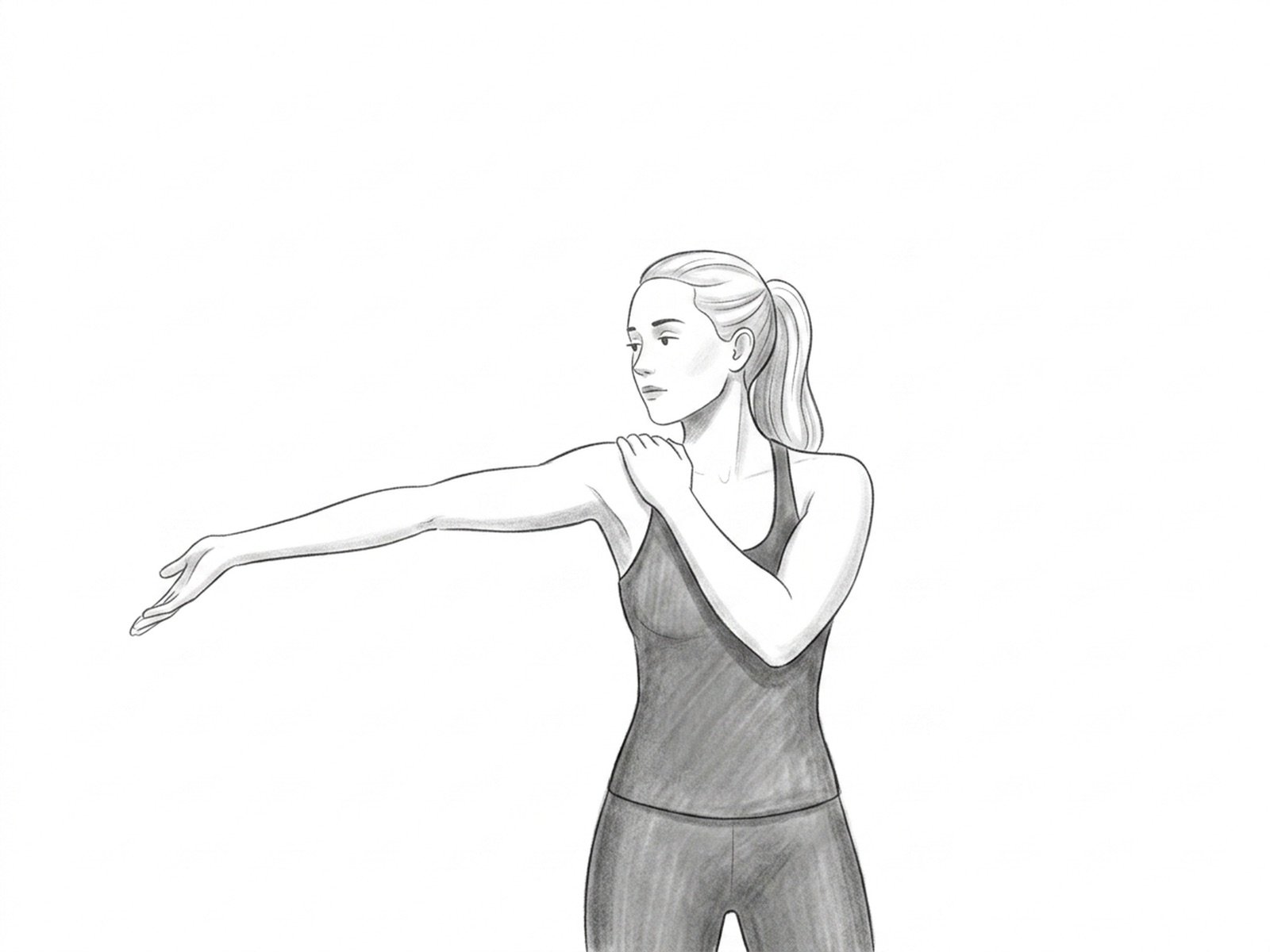
Cervical Lateral Glide (Cervical Nerve Flossing)
Specific neural mobilization for irritated cervical nerve roots. Unlike lumbar sciatic flossing, this movement combines a lateral cervical glide with contralateral trunk side-bend, mobilizing the nerve without tensioning it.