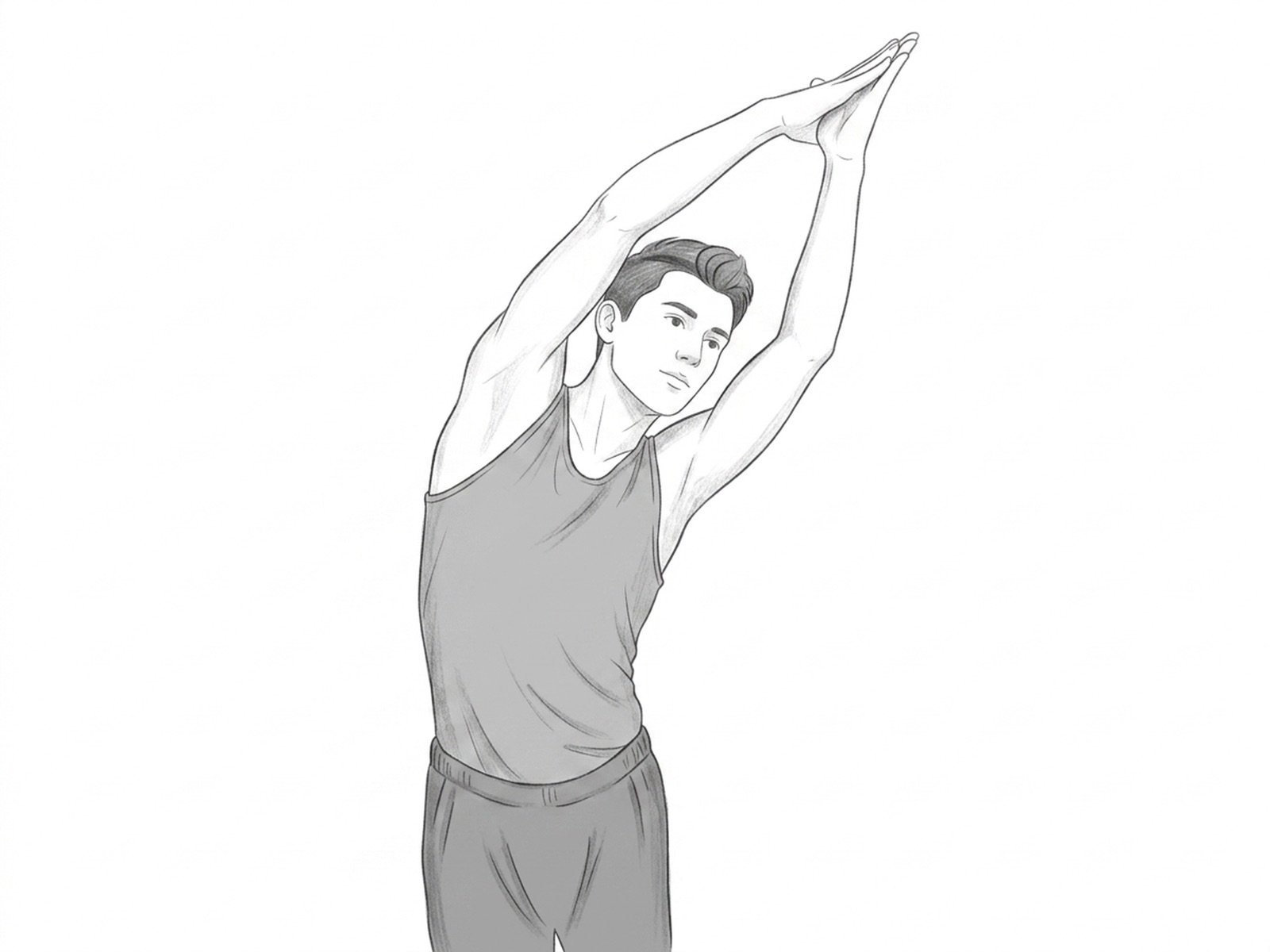
Therapeutic exercise
Lateral Intercostal Stretch
Stretches the intercostal muscles through a combination of lateral trunk flexion and sustained deep inhalation. Indicated for costochondritis, myofascial chest pain, and patients with chronic rib stiffness — opens the contracted hemithorax.
How to perform
- Starting position. Stand with feet shoulder-width apart.
- Step 2. Raise the arm on the side you want to stretch overhead, extending it fully upward.
- Step 3. Inhale deeply over 4 seconds while leaning the trunk laterally to the opposite side — feel the maximum expansion of the ribs on the stretched side.
- Step 4. Hold the maximum stretch position for 5 seconds, breathing small volumes only to maintain oxygen.
- Return. Exhale slowly over 6 seconds while returning to the upright position. Repeat on the other side.
When not to perform
- Consolidating rib fracture
- Active pneumothorax or pleural effusion
- Costochondritis in an acute phase with pain on stretching
- Recent thoracic surgery
- Third-trimester pregnancy (adapt)
- Orthostatic hypotension (position can cause dizziness)
Medical disclaimer. These exercises are presented for informational purposes only. Always consult your physician before starting any exercise program, especially in case of acute pain, recent injury, or underlying clinical condition.
Related Exercises
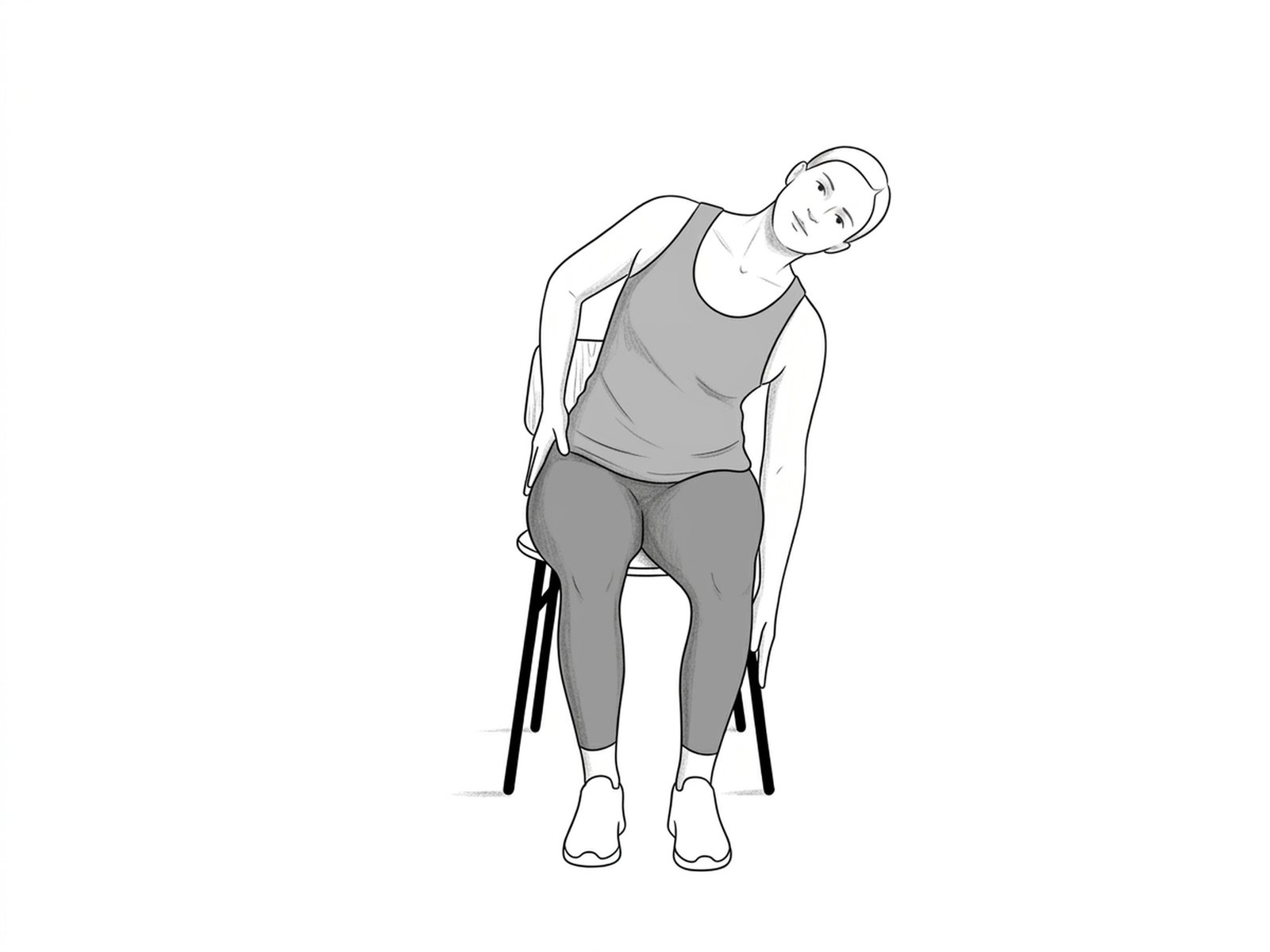
Seated Lateral Trunk Stretch
Lateral stretch of the quadratus lumborum, latissimus dorsi, and intercostals in a seated position, accessible in the work environment. Complements the Mermaid (on the floor) as a practical option for short breaks during the day.
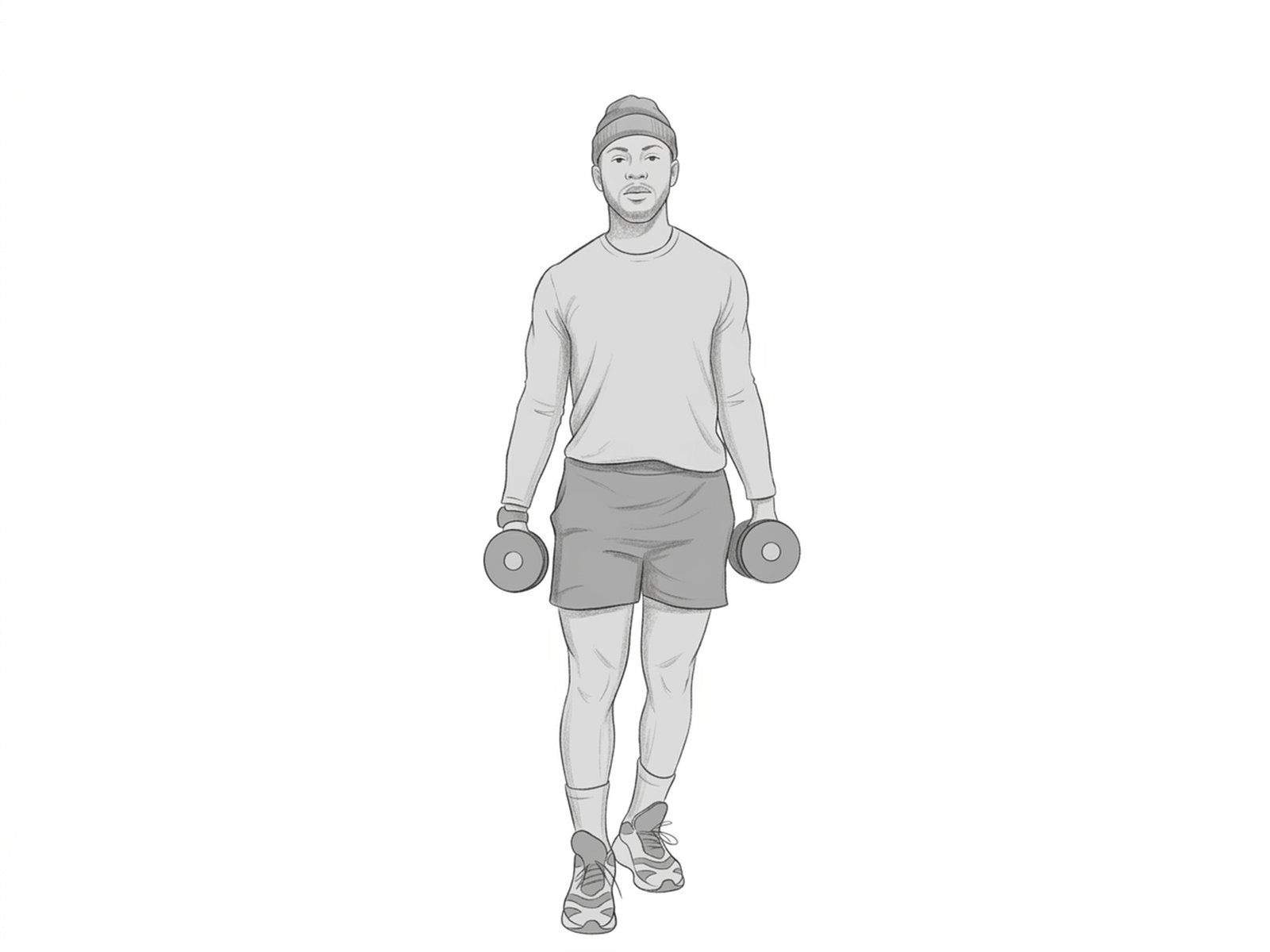
Farmer's Carry
Walking while carrying significant weight in each hand, maintaining upright posture. An integrated functional exercise that strengthens the entire shoulder girdle, core, and lower limbs simultaneously — transfers directly to daily-life activities such as carrying grocery bags.
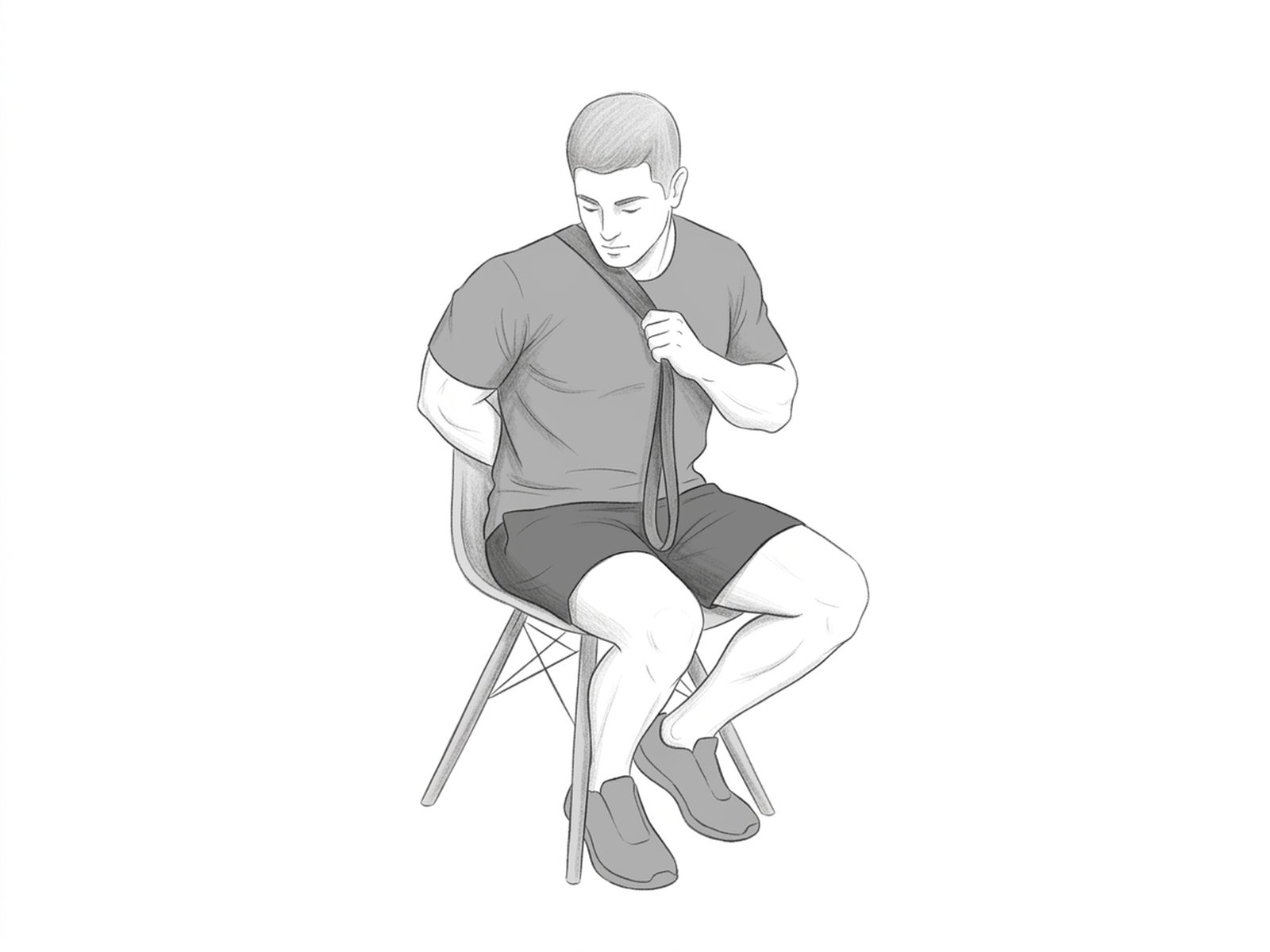
Seated Rib Mobilization with Deep Breathing
Combination of active rib mobilization with deep diaphragmatic breathing, seated. Specific for costochondritis and somatic rib dysfunction — chest expansion with each inhalation mobilizes the costochondral joints while reducing associated myofascial pain.