Therapeutic exercise
Radial Nerve Glide (Flossing)
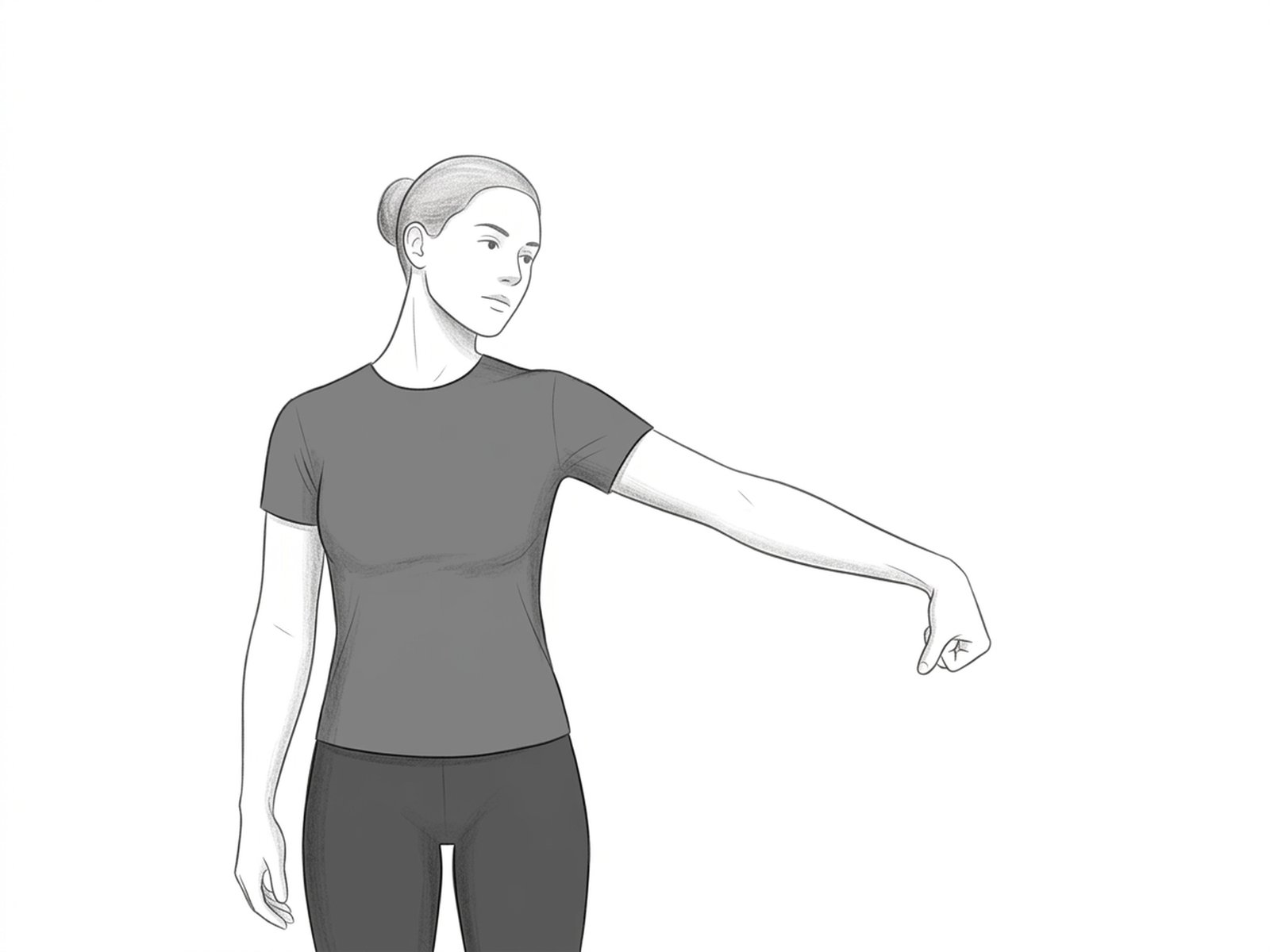
Specific neural mobilization of the radial nerve along its path through the elbow and forearm. Indicated when there is a neurogenic component associated with lateral epicondylitis or radial-tunnel syndrome — pain radiates through the common extensor of the fingers, frequently masking the primary diagnosis.
How to perform
- Starting position. Stand with arms relaxed at the sides.
- Step 2. Lower the shoulder on the affected side (depress the scapula) and extend the elbow laterally.
- Step 3. Internally rotate the shoulder and flex the wrist and fingers with the thumb tucked under the other fingers — this is the radial-nerve tension position.
- Step 4. To perform the glide, add cervical side-bending to the side opposite the symptom and return — repeat the cervical movement rhythmically, without sustaining the stretch.
- Return. The movement should reduce or eliminate radiating pain — if it worsens, that indicates neural tension and the range should be reduced.
When not to perform
- Acute cervical radiculopathy with motor deficit
- Peripheral neuropathy of systemic cause (uncontrolled diabetes, uremia)
- Acute traumatic nerve injury
- Acute neurogenic thoracic outlet syndrome
- Recent upper-limb surgery with risk of neural scarring
- Post-operative cervical arthrodesis less than 3 months ago
Medical disclaimer. These exercises are presented for informational purposes only. Always consult your physician before starting any exercise program, especially in case of acute pain, recent injury, or underlying clinical condition.
Related Exercises
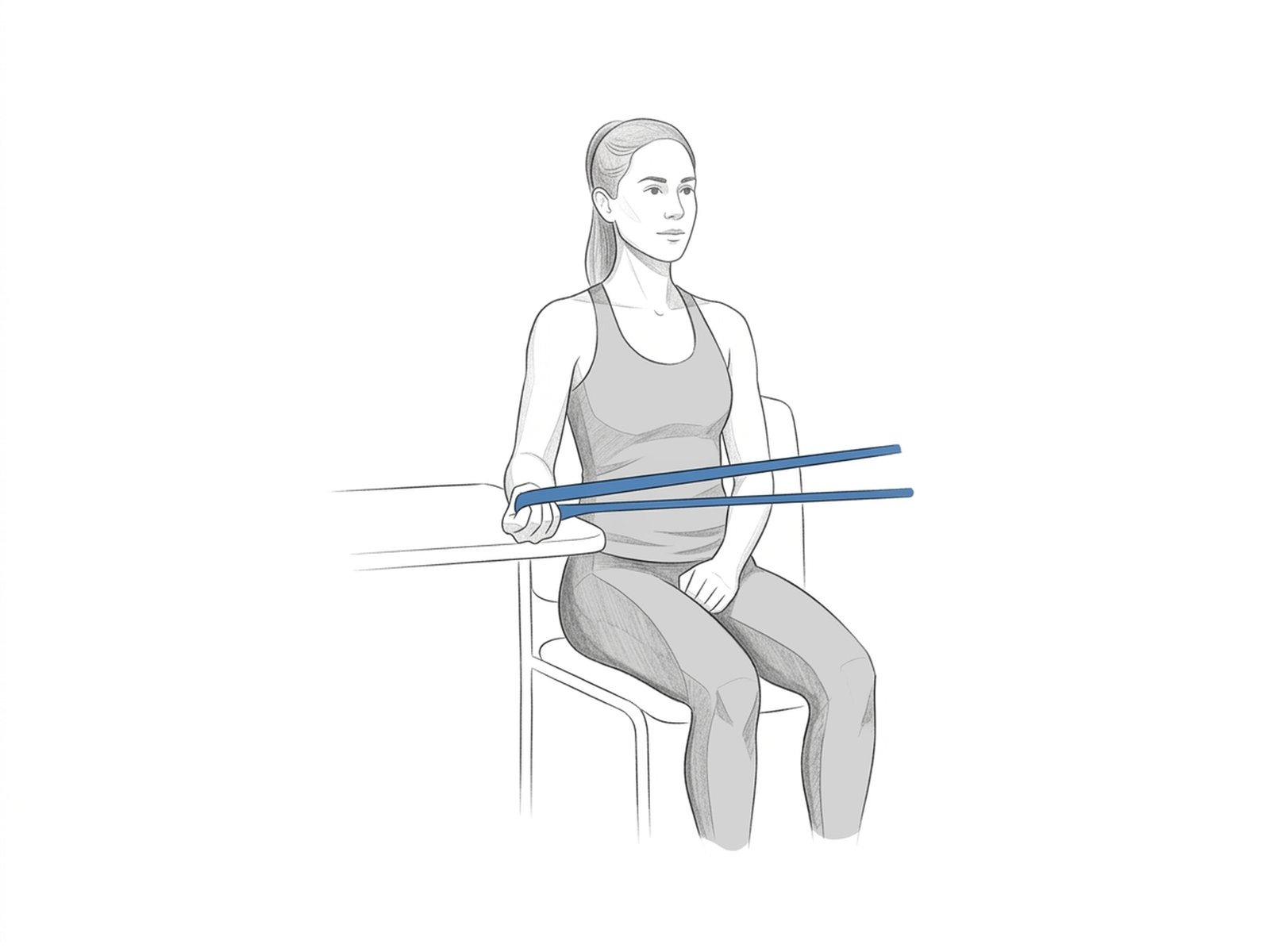
Banded Forearm Supination
Isolated strengthening of the supinator and biceps brachii through forearm rotation against elastic resistance. Useful in the combined treatment of bicipital tendinopathy and lateral epicondylitis — corrects imbalances between pronators and supinators.
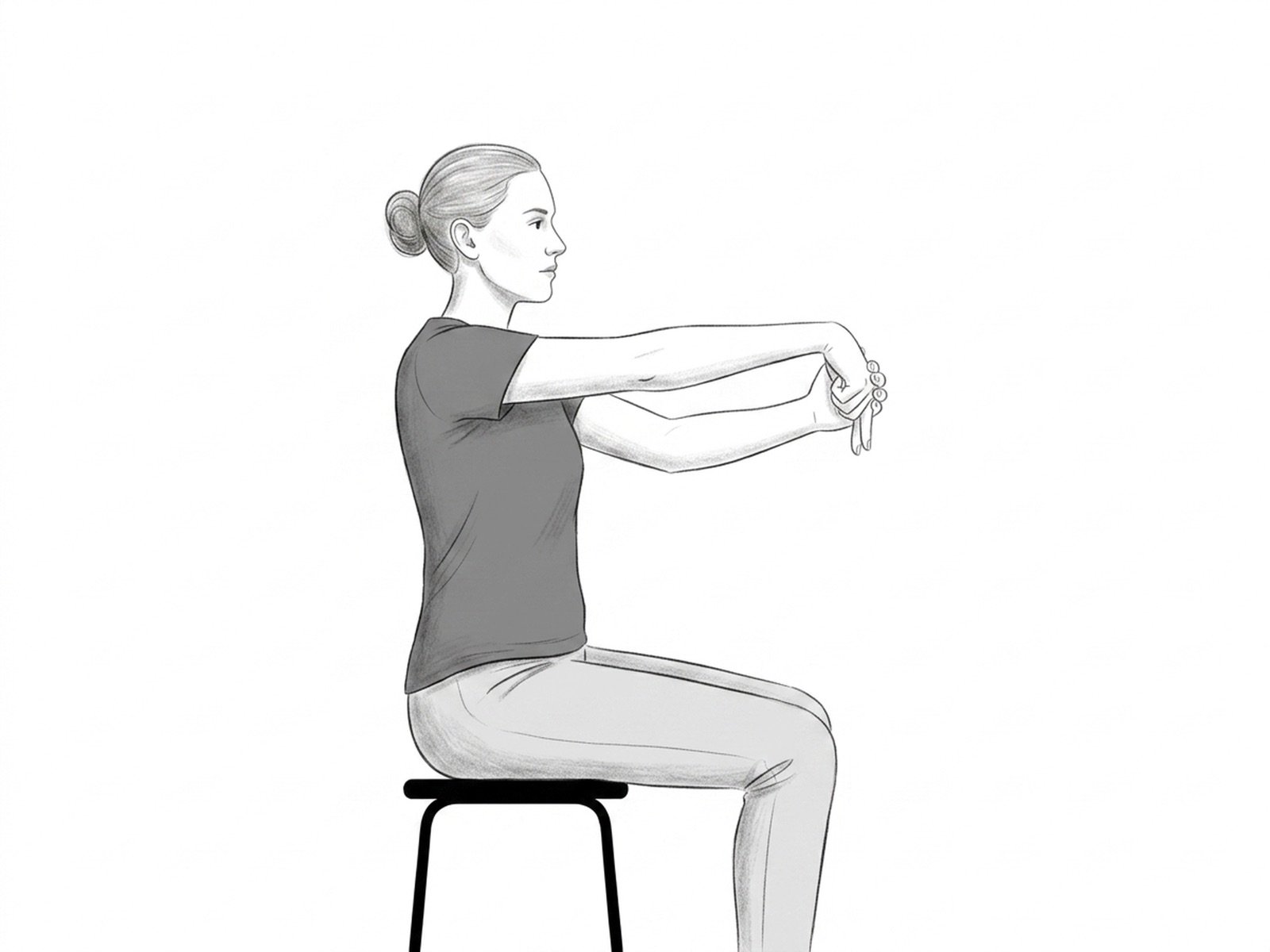
Elbow Extension Stretch
Passive stretch of the elbow flexors (biceps brachii, brachialis, brachioradialis) in full extension. Useful in cubital tunnel syndrome, where prolonged flexion increases pressure on the ulnar nerve — maintaining extension mobility is both preventive and therapeutic.
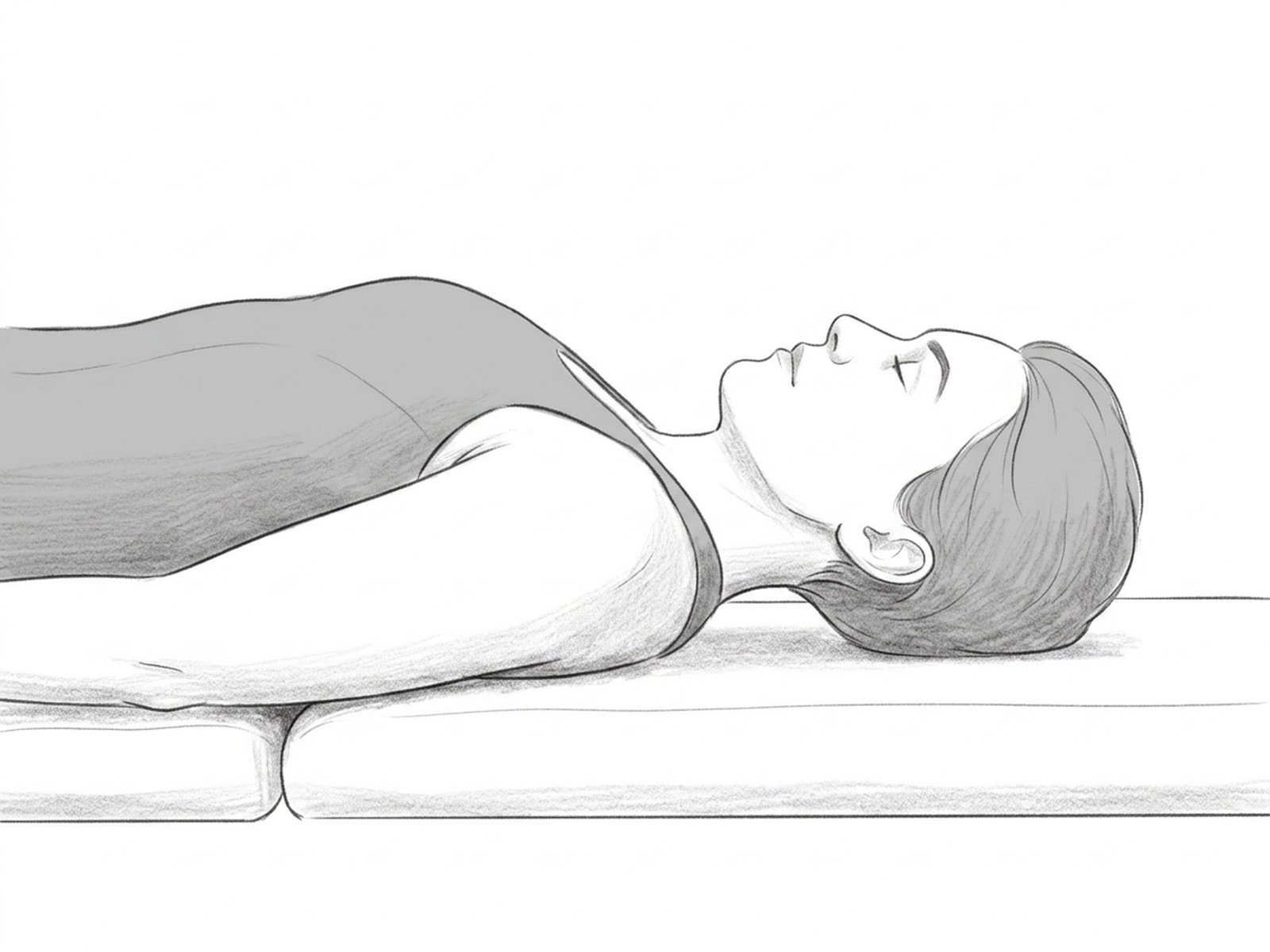
Supine Cervical Self-Traction
Self-traction technique that temporarily decompresses the cervical neural foramina. Useful in radiculopathy with arm radiation — the traction relieves root compression and promotes CSF flow.