Therapeutic exercise
Resisted Mouth Opening (Isometric)
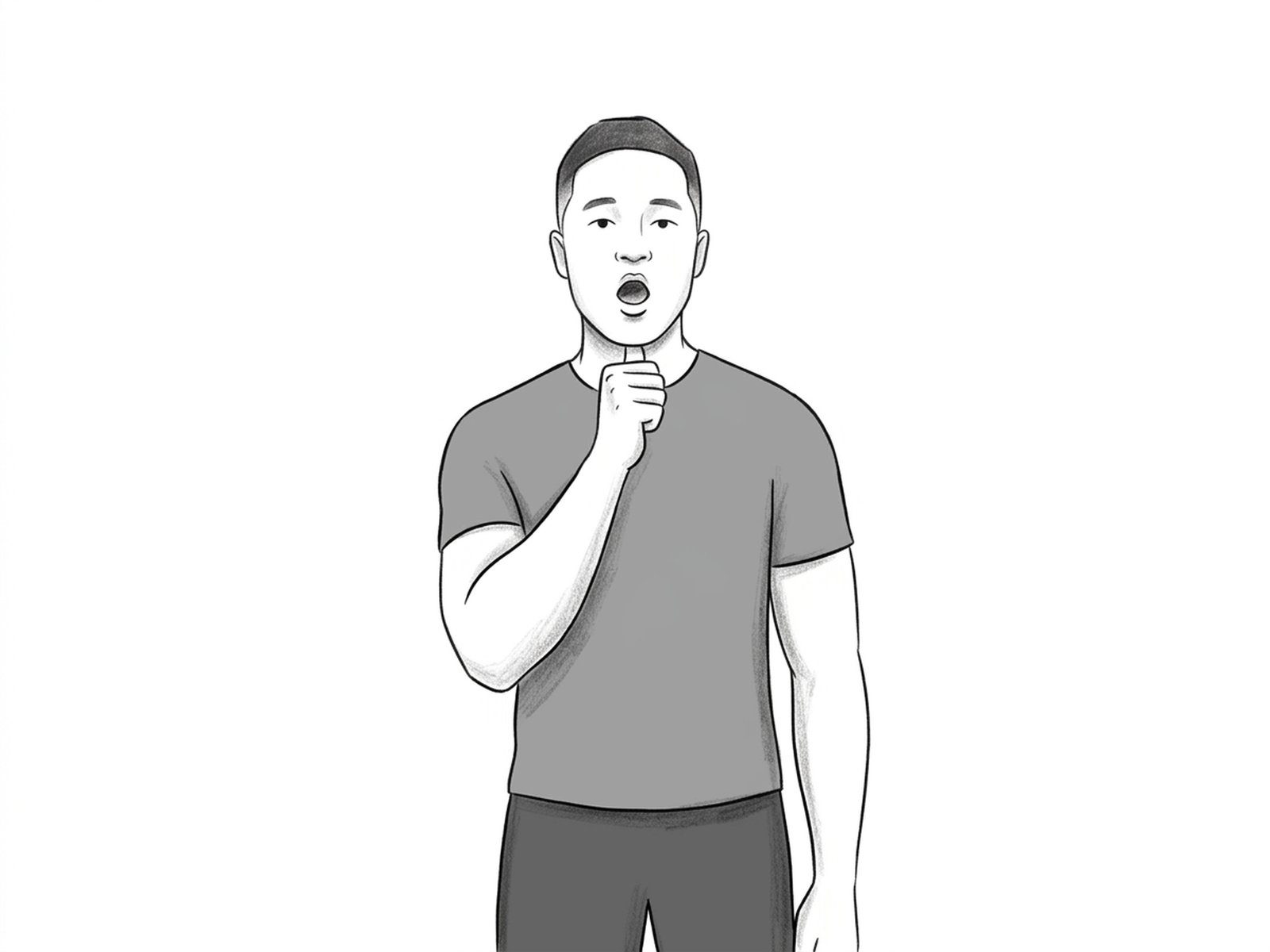
Isometric contraction of the suprahyoid muscles (mouth openers) against manual resistance. Strengthens the mandibular depressor musculature in TMD patients — especially useful when opening is limited or follows an S-shaped trajectory.
How to perform
- Starting position. Sit upright in front of a mirror, with shoulders relaxed.
- Step 2. Place the thumb under the chin and the index finger over the mental region, applying gentle upward resistance.
- Step 3. Try to open the mouth against the hand resistance, holding the force for 5–10 seconds.
- Step 4. During the effort, watch in the mirror to ensure the mandibular path is straight — no lateral or S-shaped deviation.
- Return. Relax for 5 seconds and repeat. The force applied should be moderate, about 30% of maximum contraction.
When not to perform
- Recent TMJ dislocation
- Acute severe TMJ pain
- Recent mandibular surgery
- Consolidating mandibular fracture
- Rheumatoid arthritis of the TMJ in a flare
- Active dental infection
Medical disclaimer. These exercises are presented for informational purposes only. Always consult your physician before starting any exercise program, especially in case of acute pain, recent injury, or underlying clinical condition.
Related Exercises
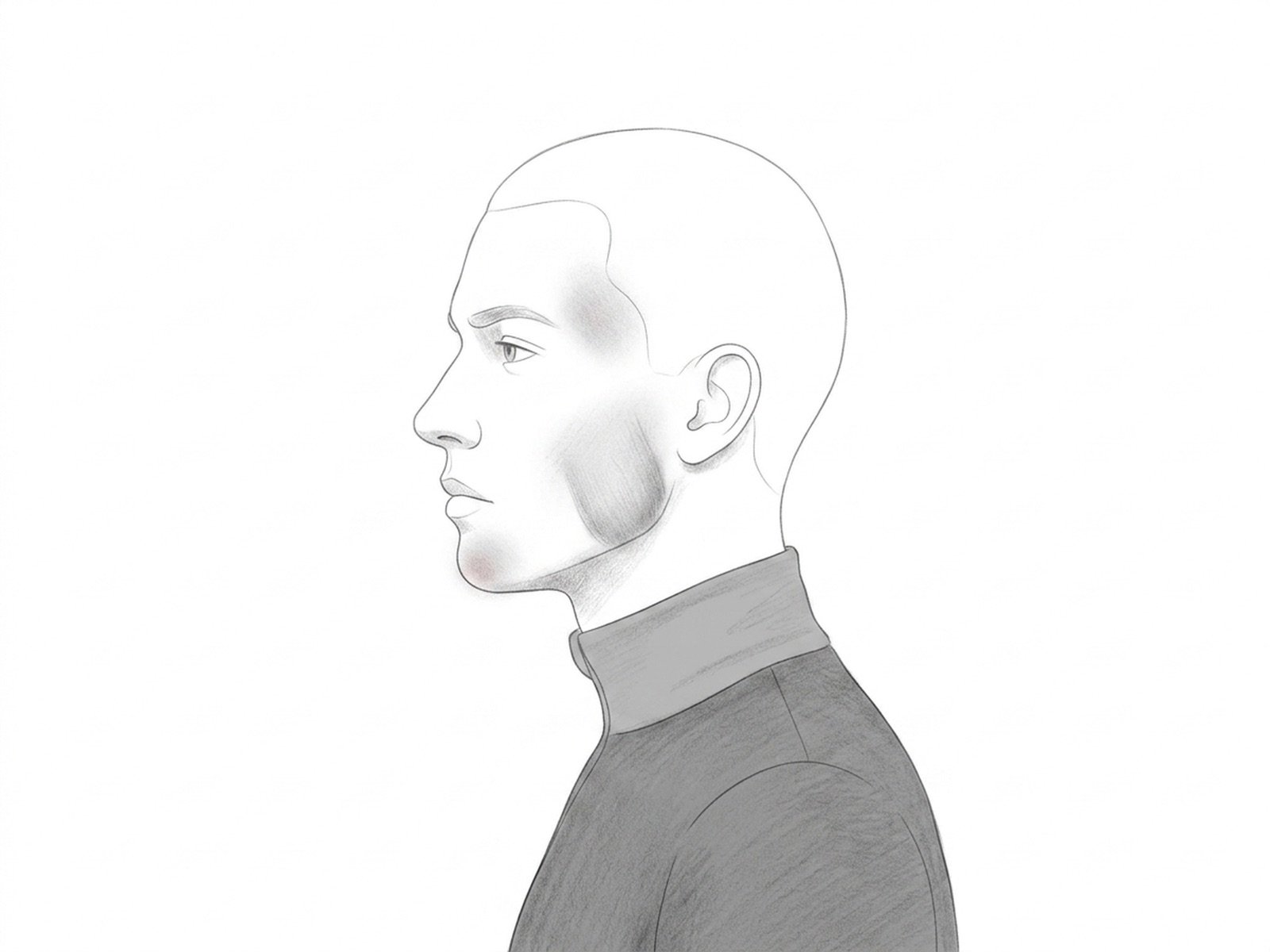
Masseter Self-Massage
Manual myofascial release of the masseter — a muscle frequently overloaded in patients with bruxism, TMD, and tension headache. The technique combines deep friction with active stretching, deactivating active trigger points.
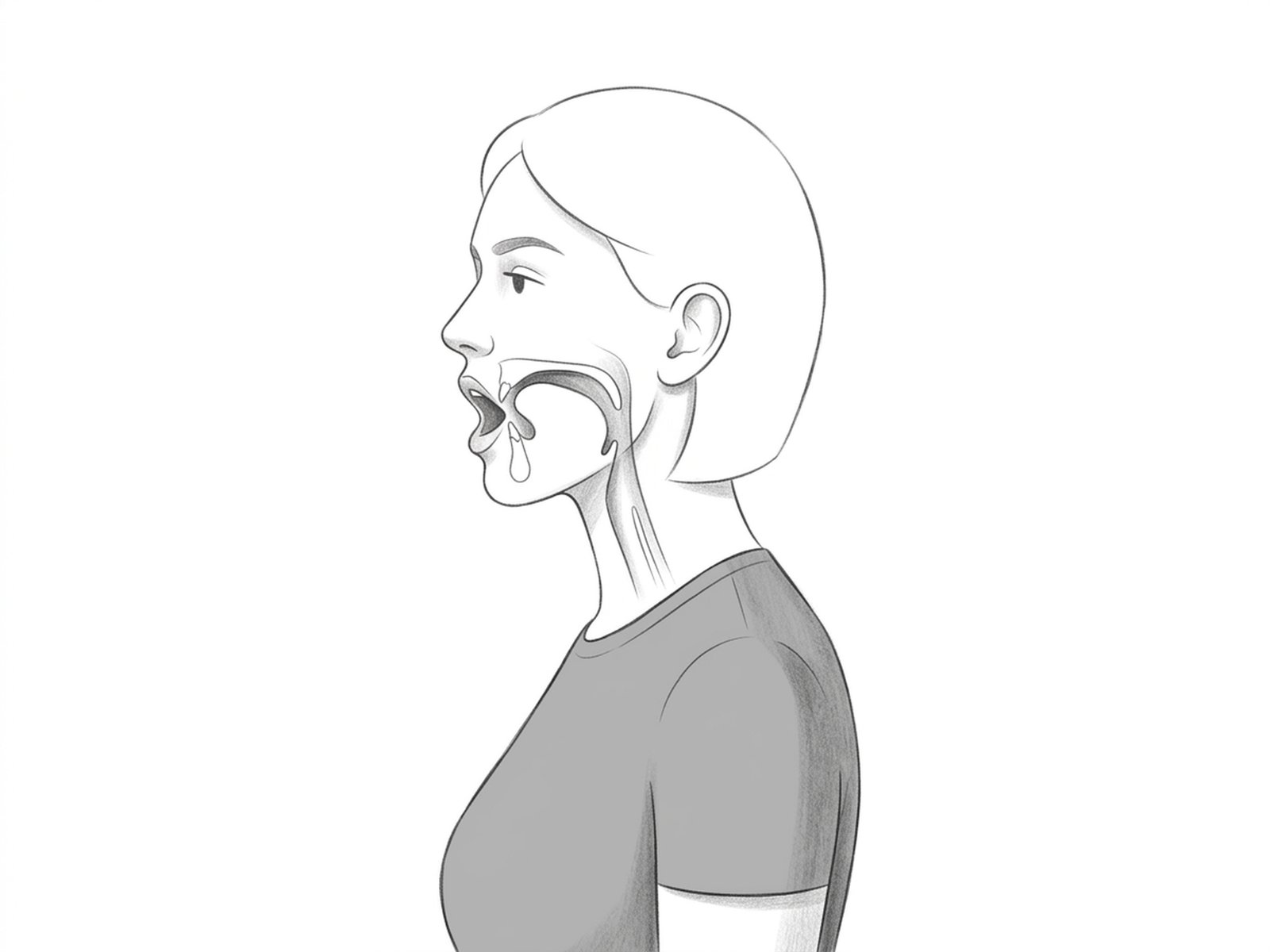
Mouth Opening with Tongue on Palate
A limited mouth-opening drill performed with the tongue against the palate. Trains the deep mandibular flexors and prevents excessive masseter activation.
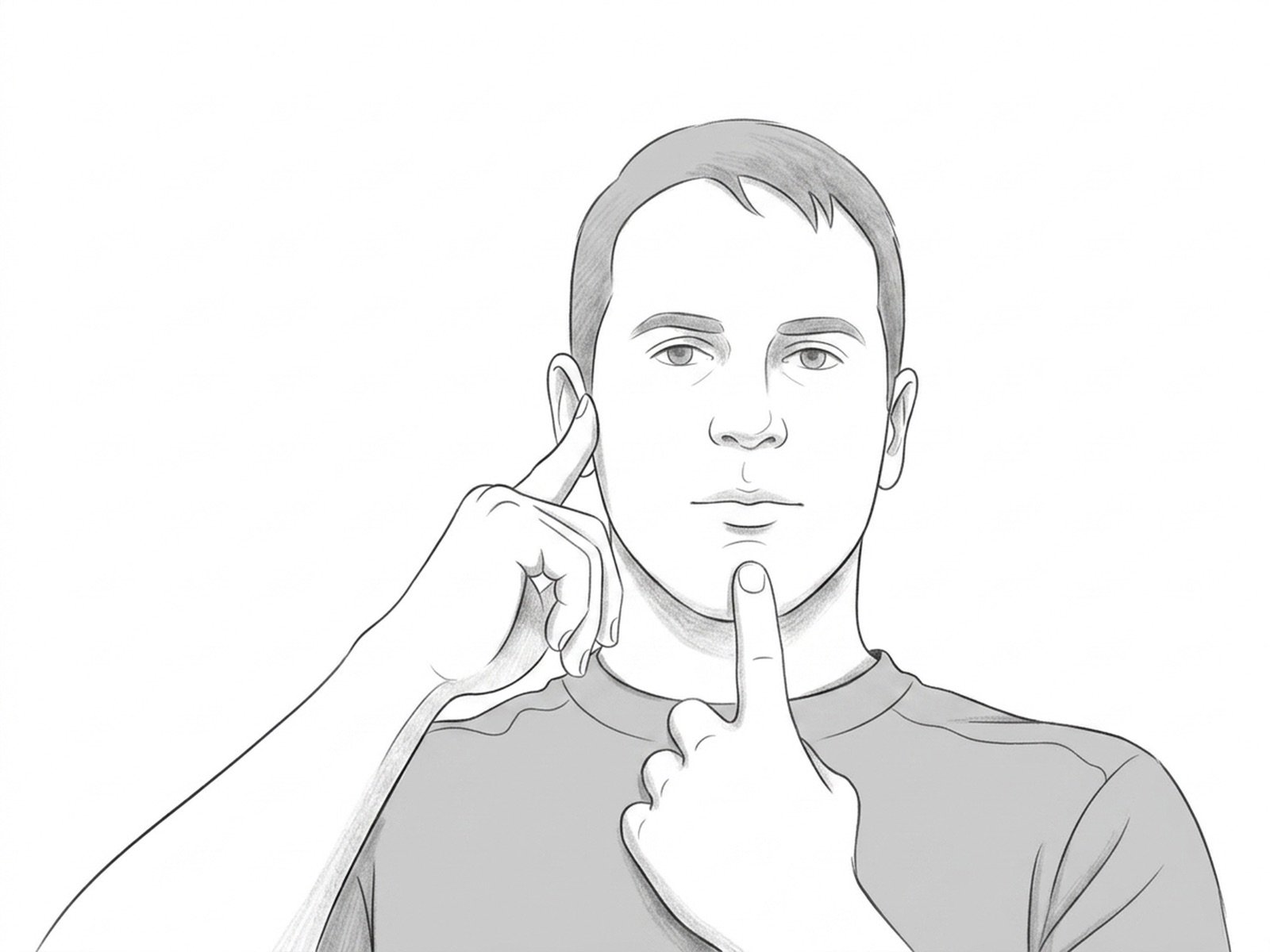
Controlled Mouth Opening
Restores symmetric mandibular opening. Central to conservative treatment of temporomandibular dysfunction with partial locking.