Therapeutic exercise
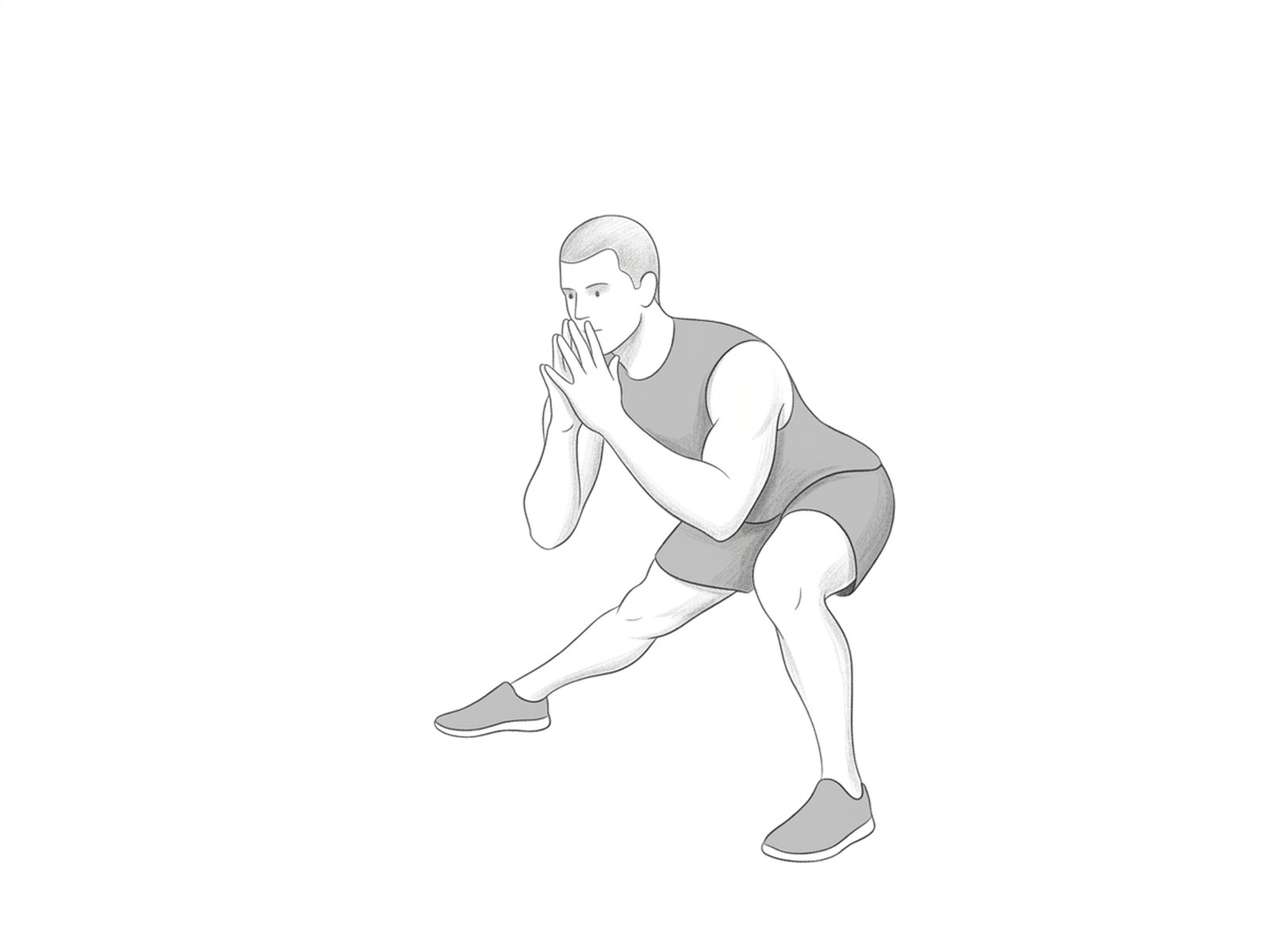
Sliding Lateral Lunge
Lateral lunge in the frontal plane with sliding of the contralateral leg, creating dynamic stretching of the adductors combined with eccentric strengthening. In adductor strain rehab, it is the bridge exercise between isometric work and sporting function.
How to perform
- Starting position. Stand with the feet apart, one foot wearing a sock or shoe on a slider (or sock on a slippery floor).
- Step 2. Transfer the weight onto the leg without the slider, keeping the trunk upright.
- Step 3. Slide the foot on the slider laterally outward, flexing the support knee into a deep lateral lunge.
- Step 4. Feel the stretch in the adductors of the sliding leg — hold for 1 to 2 seconds at the end position.
- Return. Return to the starting position by actively contracting the adductors of the sliding leg (concentric phase) — or use the support leg to return if there is pain. Complete a set before switching sides.
When not to perform
- Adductor strain in acute inflammatory phase
- Acute pain at the pubic symphysis
- Active inguinal hernia
- Recent post-operative hip surgery
- Post-traumatic knee instability
- Symptomatic lumbar disc herniation
Medical disclaimer. These exercises are presented for informational purposes only. Always consult your physician before starting any exercise program, especially in case of acute pain, recent injury, or underlying clinical condition.
Related Exercises
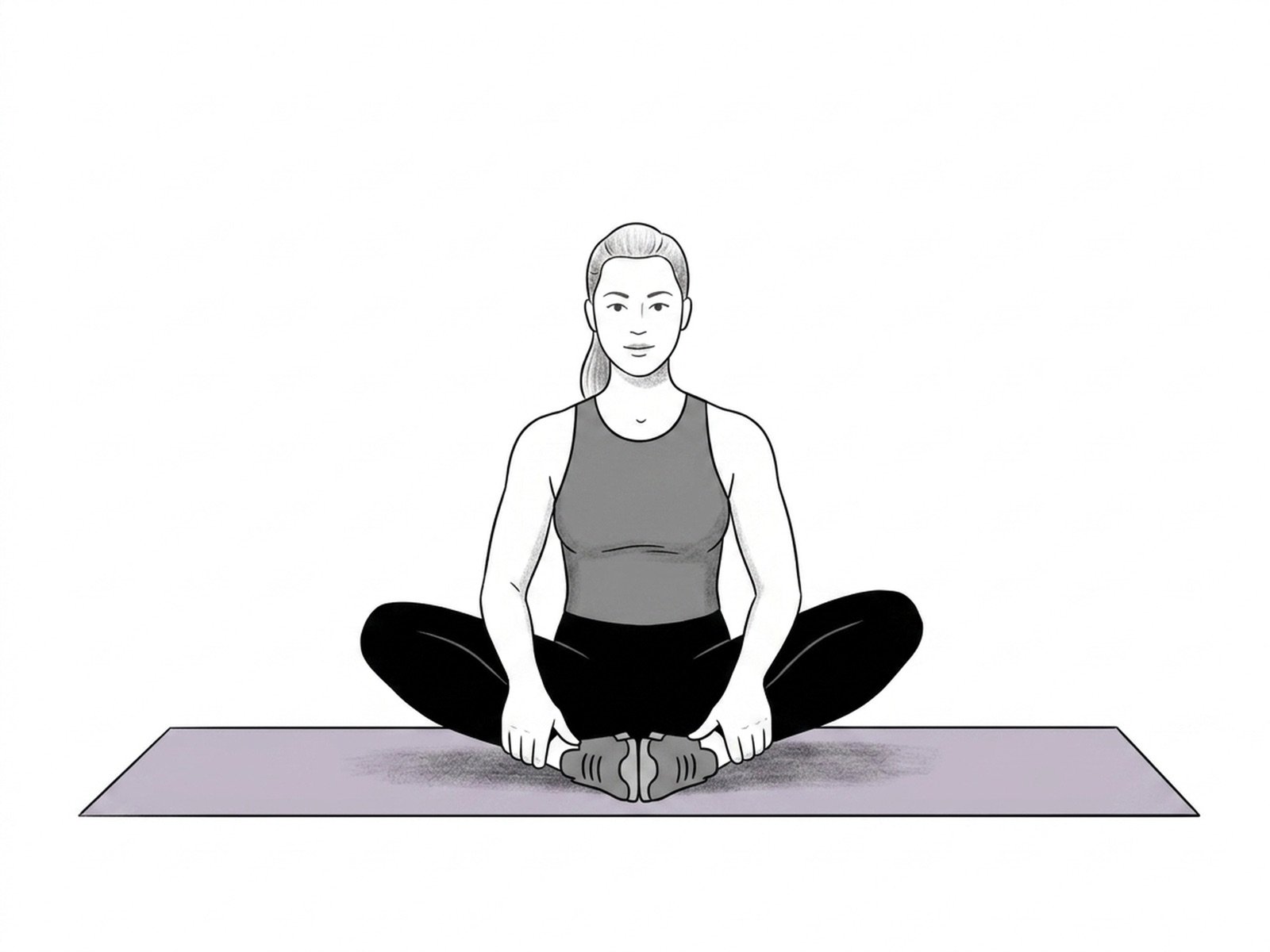
Butterfly Stretch (Bilateral Adductors)
Passive bilateral stretch of the adductors in seated position with the soles of the feet touching. Symmetric adductor range is essential in strain rehab — the injured side tends to shorten, creating asymmetry that predisposes to recurrence.
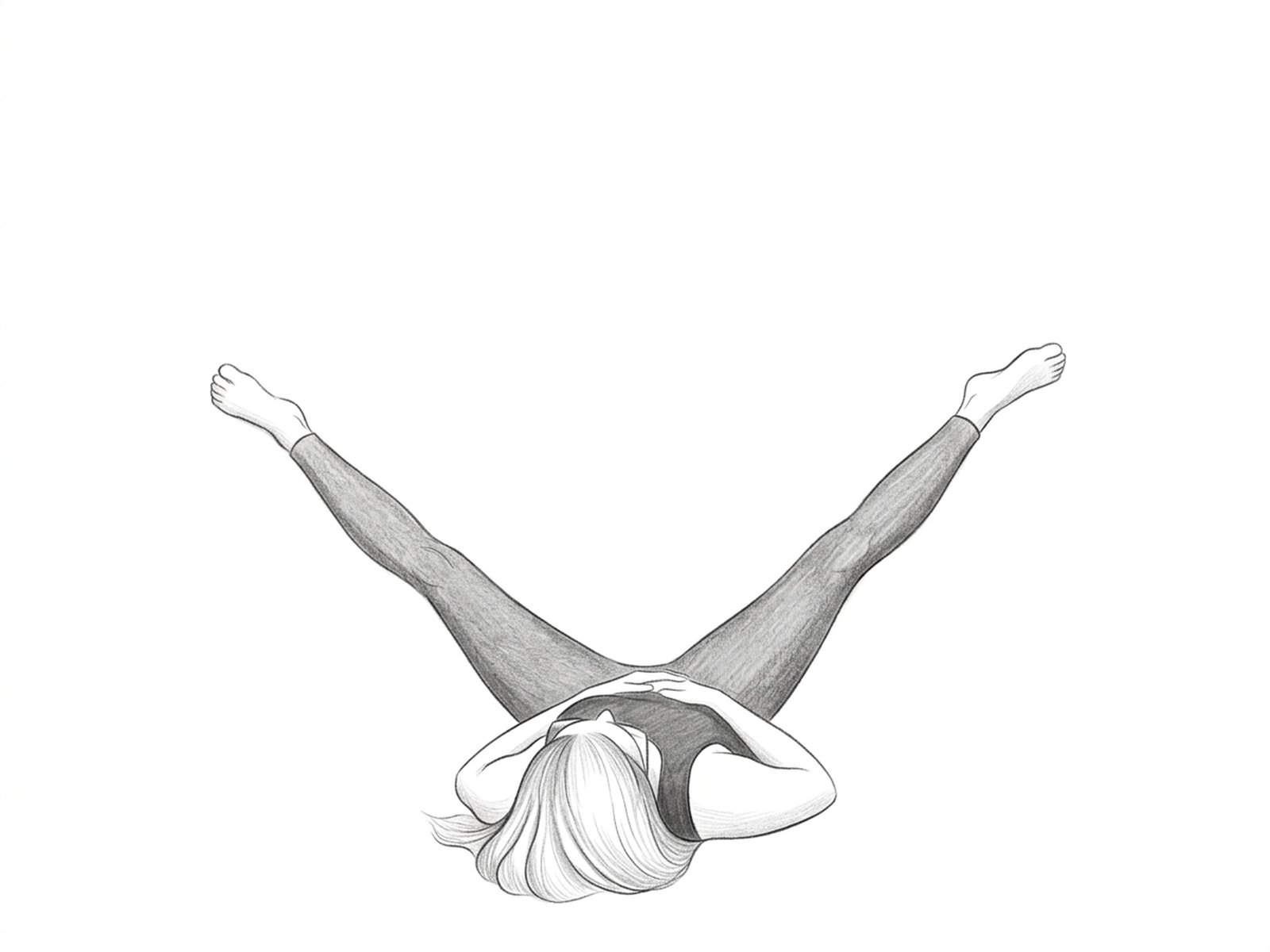
Wall Straddle Stretch
Deep passive stretch of the adductors in supine with the legs opened against a wall. Uses gravity as traction — a progression from the butterfly for cases with severe adductor shortening or the need for advanced range (dance, gymnastics).
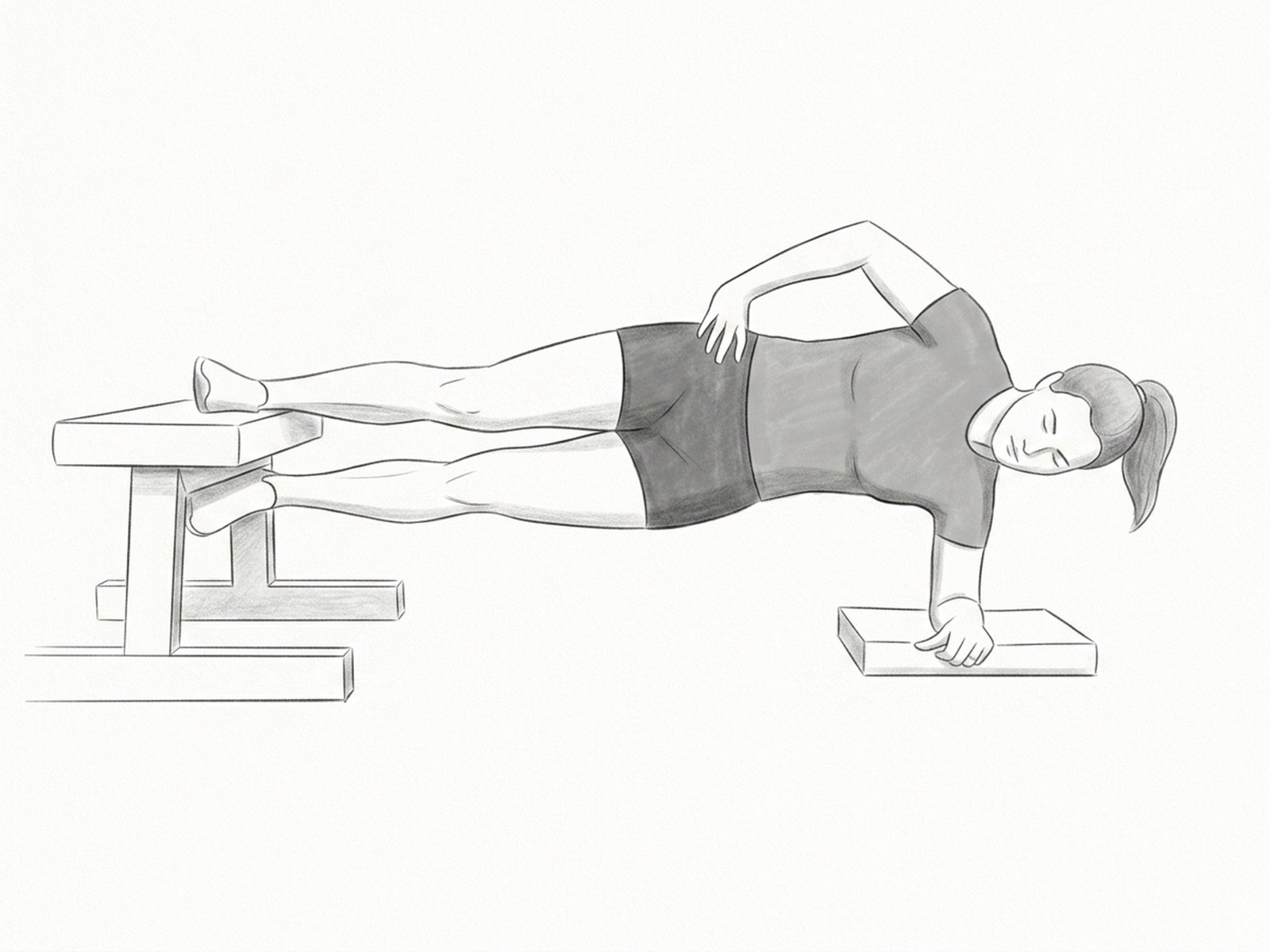
Copenhagen Adductor Plank
Side plank with the upper leg supported on a bench, generating intense eccentric load on the adductors of the upper leg. This is the exercise with the strongest evidence for preventing and treating adductor strain in athletes.