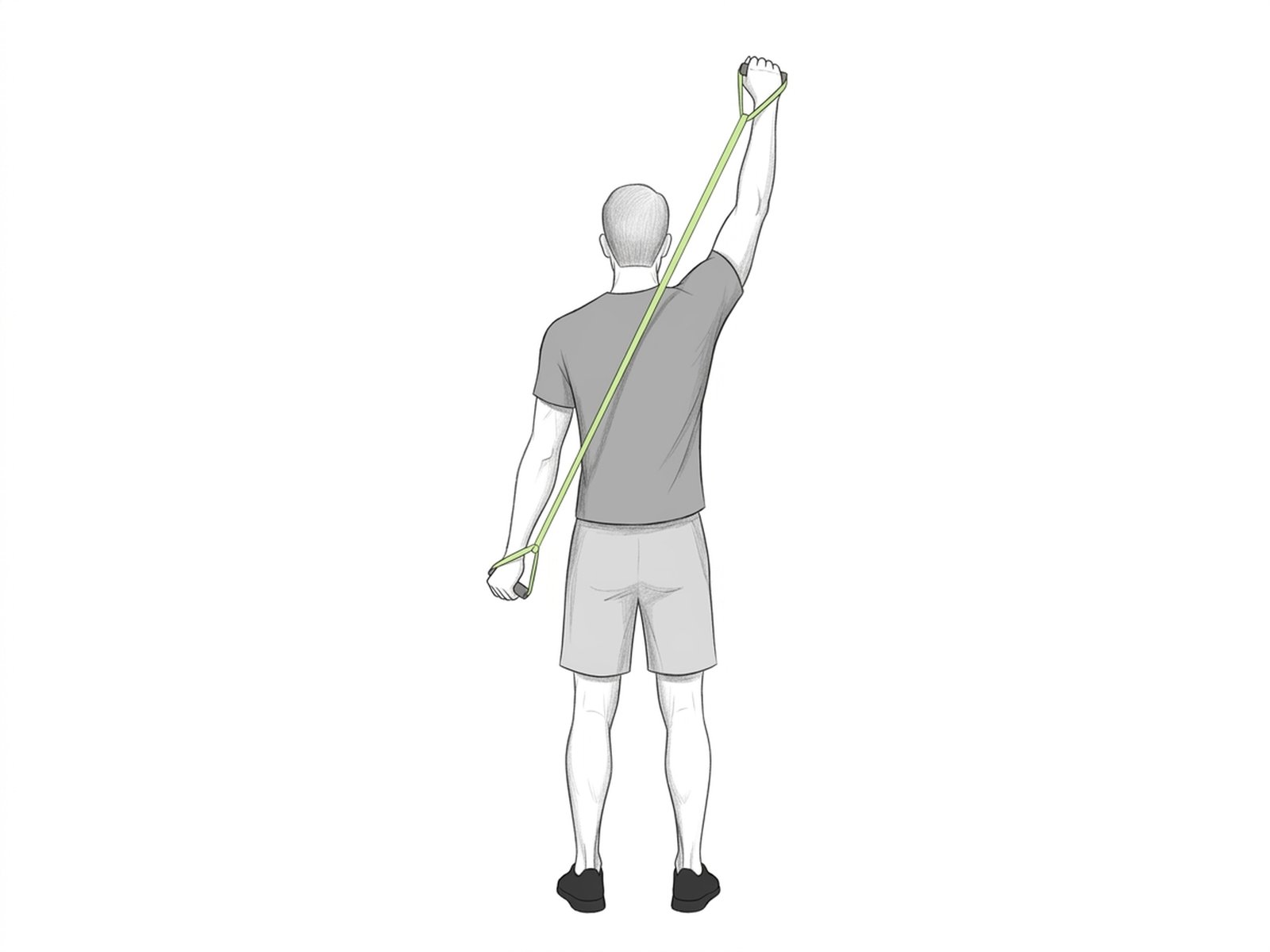
Therapeutic exercise
Wall Slide with Scapular Lift-Off
Advanced progression of the classic wall slide. At the top of the movement, the patient lifts the arms off the wall, creating additional isotonic demand on the lower trapezius and serratus anterior — the exercise of choice in advanced scapular dyskinesia rehabilitation.
How to perform
- Starting position. Stand with the back and head against the wall, feet about 15 cm from the wall.
- Step 2. Rest the forearms on the wall forming a W shape, with elbows flexed at 90°.
- Step 3. Slide the forearms upward on the wall, maintaining full contact, until the arms form a Y above the head.
- Step 4. At the highest point of the slide, actively lift the arms off the wall for 2–3 seconds, without losing the body position.
- Return. Return the forearms to the wall with control and lower slowly to the starting W position.
When not to perform
- Acute rotator-cuff pain
- Impingement syndrome in an inflammatory phase
- Symptomatic glenohumeral instability
- Acute cervical pain in extension
- Acute low back pain with limitation in prolonged standing
- Post-operative shoulder in the first 8 weeks
Medical disclaimer. These exercises are presented for informational purposes only. Always consult your physician before starting any exercise program, especially in case of acute pain, recent injury, or underlying clinical condition.
Related Exercises
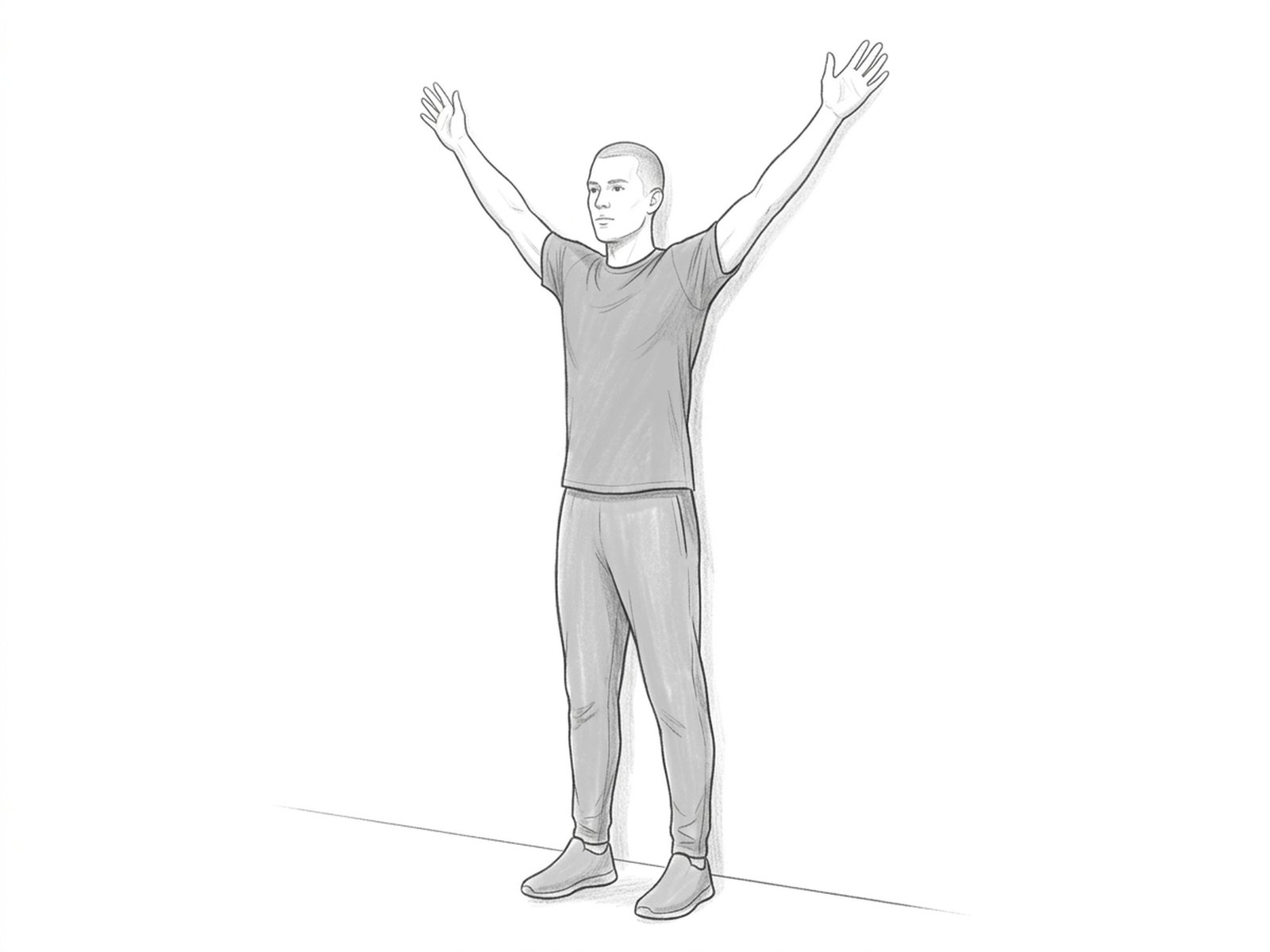
Wall Slide
Mobilization of the scapulothoracic chain in a functional elevation pattern. Restores the scapulohumeral rhythm, frequently dysfunctional in impingement syndrome.
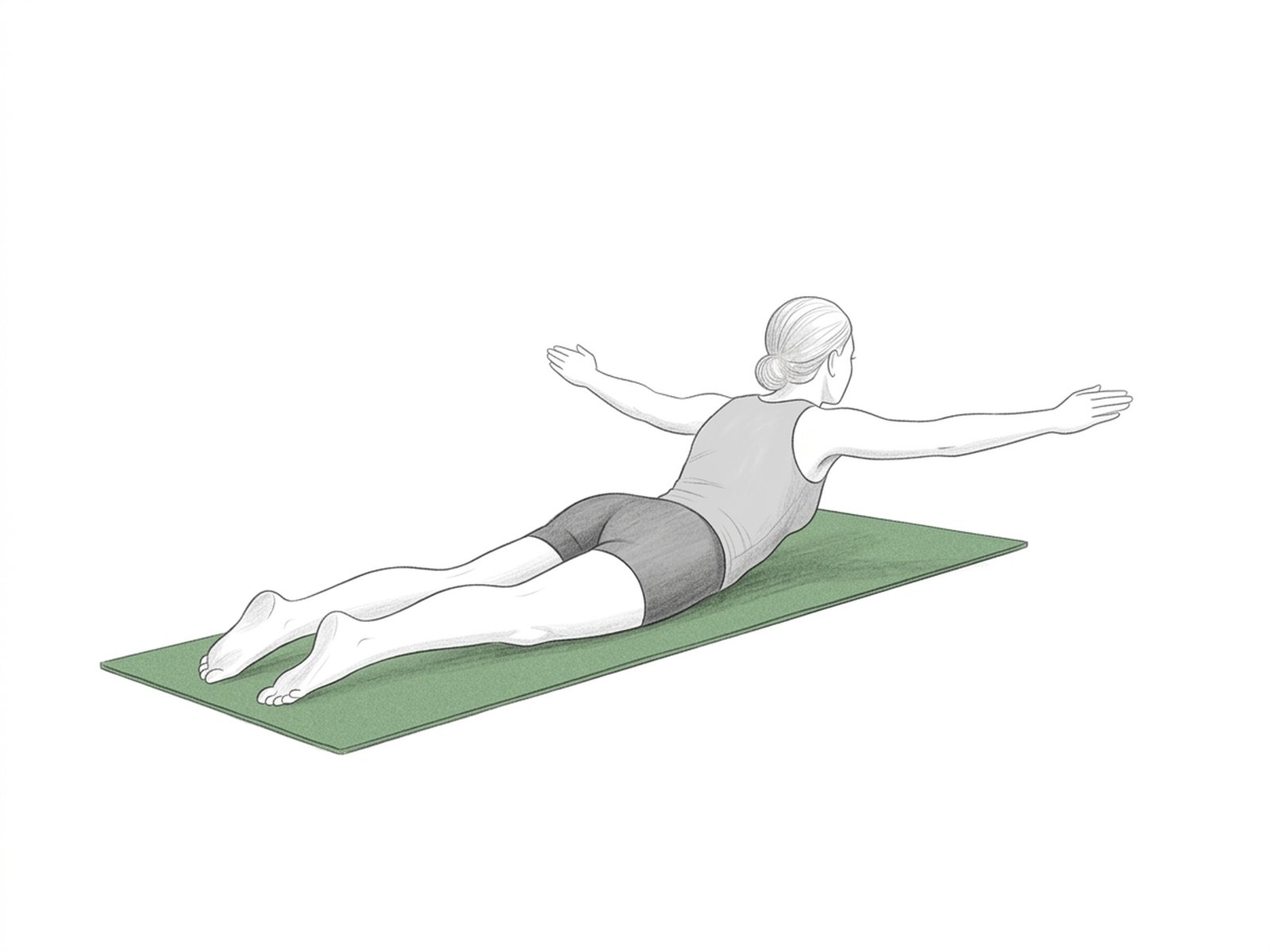
Prone T-Raise
Isolation of the middle trapezius and posterior deltoid in a prone position. Component of the Prone I/T/Y/W series — essential for re-balancing the shoulder girdle in patients with upper-crossed syndrome and scapular dyskinesia.
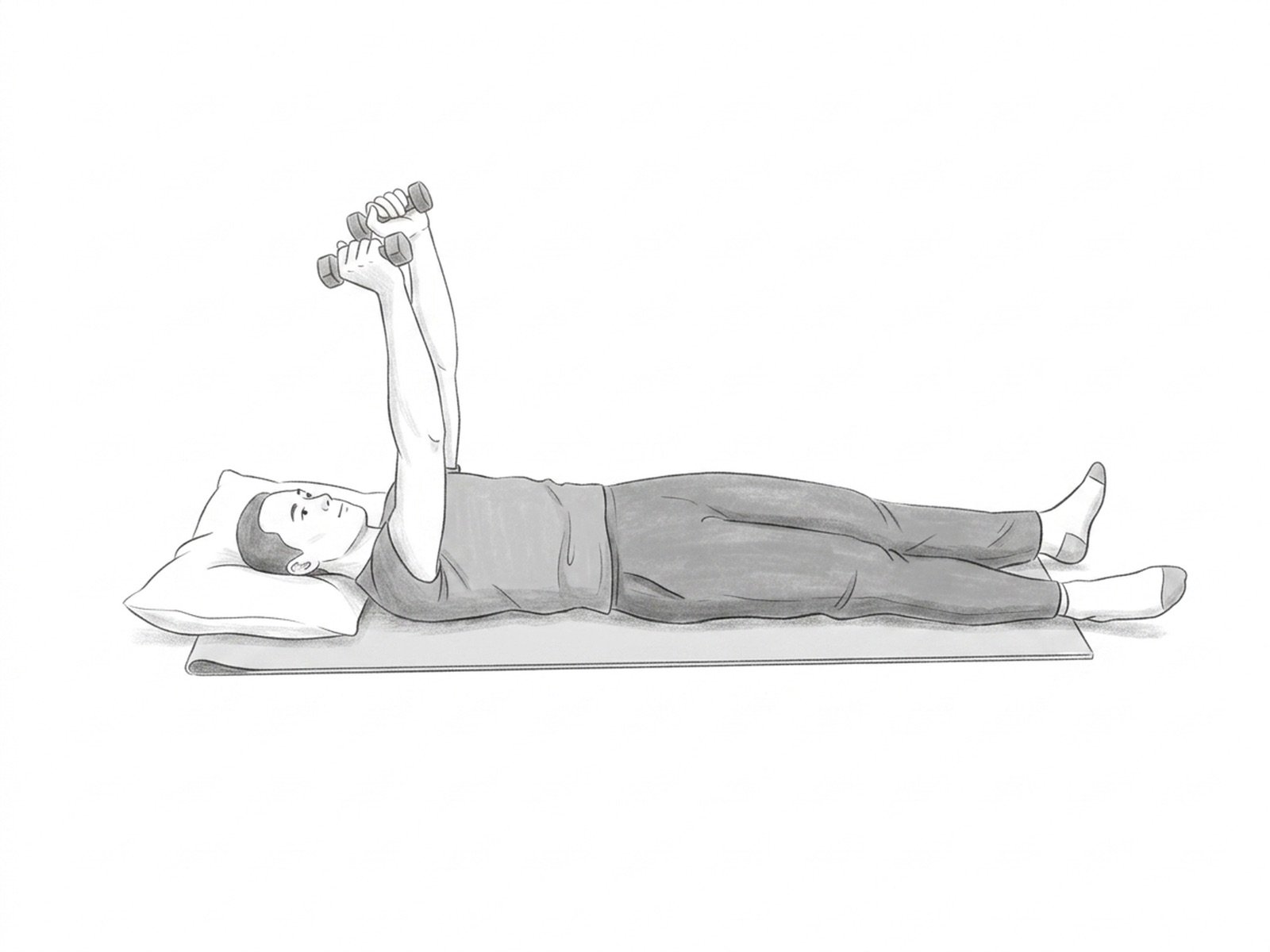
Supine Serratus Punch
Isolated activation of the serratus anterior with a focus on pure scapular protraction. In supine, the scapula is stabilized by the body itself, isolating the movement — the exercise of choice in the early phase of scapular dyskinesia.