Acupuncture as a pain-relieving modality for provoked vestibulodynia
Forth · Journal of Pelvic, Obstetric and Gynaecological Physiotherapy · 2021
OBJECTIVE
To evaluate acupuncture as an adjunct to physical therapy for provoked vestibulodynia
WHO
30-year-old woman with provoked vestibulodynia for 3 years
DURATION
5 acupuncture sessions
POINTS
LR-3, LI-4, SP-6, SP-9, SP-10, BL-20, BL-28, auricular Shenmen
🔬 Study Design
Treated patient
n=1
Acupuncture + conventional physical therapy
📊 Results in numbers
Total NIH-CPSI reduction
Pain reduction
Urinary symptom reduction
Quality-of-life improvement
📊 Outcome Comparison
NIH-CPSI Pain
This study shows that acupuncture can help women with vulvar pain (provoked vestibulodynia) when used together with physical therapy. The patient experienced significant improvement in pain and quality of life after 5 sessions. It is important to note that this is a single case, and larger studies are needed to confirm these results.
Article summary
Plain-language narrative summary
This case report describes the treatment of a 30-year-old woman with provoked vestibulodynia (PVD), a chronic vulvar pain condition that significantly affects quality of life and intimate relationships. PVD is characterized by intense pain, burning, and irritation in the vulvar region with touch or attempted vaginal penetration, particularly at the vulvar vestibule. The patient had been symptomatic for 3 years, with onset during a period of significant stress, including professional pressure, pregnancy termination, and recurrent vaginal infections. On initial examination, significant hypertonicity of the pelvic floor muscles, active myofascial trigger points, and hypersensitivity at the vulvar vestibule were identified, suggesting central sensitization.
Treatment combined acupuncture with conventional physical therapy, including muscle reeducation, general relaxation, and manual trigger point release. The acupuncture approach was based on both traditional Chinese medicine principles and the Western understanding of pain mechanisms. Specific points were selected: LR-3 and LI-4 (known as the Four Gates) for potent analgesic effects and treatment of centrally sensitized pain; SP-6 as a key point for gynecologic issues and to eliminate stagnation; SP-9 to reduce genital spasms; SP-10 for its anti-inflammatory effects; and the auricular Shenmen point to prolong therapeutic effects. The protocol included five sessions, with additional points being progressively incorporated according to patient response.
Outcomes were measured by the National Institutes of Health Chronic Prostatitis Symptom Index (NIH-CPSI), adapted for women, and a simple Likert scale. Significant improvements were seen across all NIH-CPSI domains: the pain score decreased from 8 to 6 (out of a possible 23 points), urinary symptoms from 3 to 1 (out of 10 points), and quality-of-life impact from 12 to 7 (out of 12 points). The total reduction of 9 points exceeded the threshold of 6 points considered clinically significant. In addition to objective improvements, the patient reported increased general well-being, better sleep, more energy, and reduced stress.
Objectively, there was a reduction in pelvic floor muscle hypertonicity, improved range of motion, and improved muscle relaxation capacity. During the fifth session, manual release of myofascial trigger points became possible, which was not initially tolerated. Proposed mechanisms for the effects of acupuncture include local actions through increased blood flow and a controlled pro-inflammatory response, segmental effects via gate control theory and release of endogenous opioids, and supraspinal effects through the release of hormones and neuropeptides that inhibit pain and promote well-being. The existing literature, although limited, supports these findings.
Two small pilot studies demonstrated similar benefits of acupuncture for PVD, with significant improvements in pain, sexual function, and quality of life. The Curran et al. (2010) study showed statistically significant reductions in helplessness and pain with manual stimulation after 10 sessions. Schlaeger et al.
(2015) demonstrated significant reductions in vulvar pain and dyspareunia using a standardized protocol. The clinical implications suggest that acupuncture may be a valuable adjunct in the multimodal treatment of PVD, especially considering its beneficial systemic effects on stress, sleep, and general well-being. The individualized approach based on structured clinical reasoning proved promising, allowing treatment adaptation according to patient response.
Strengths
- 1Well-documented treatment protocol
- 2Use of validated outcome measures
- 3Integrated multimodal approach
- 4Solid theoretical foundation for the mechanisms
Limitations
- 1Single case study — not generalizable
- 2Lack of a control group
- 3Only 5 sessions completed
- 4Practitioner with limited acupuncture experience
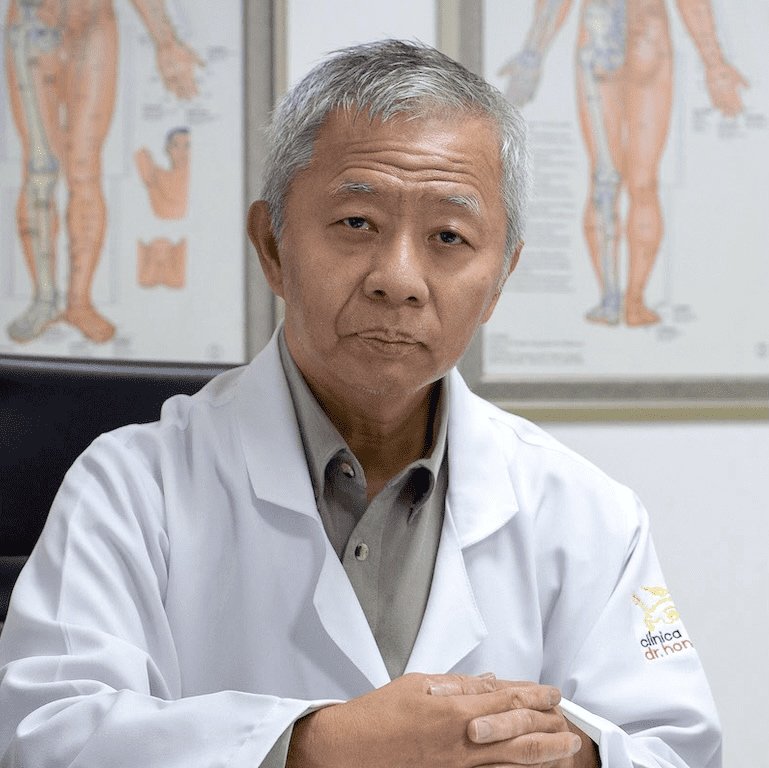
Expert Commentary
Prof. Dr. Hong Jin Pai
PhD in Sciences, University of São Paulo
▸ Clinical Relevance
Provoked vestibulodynia represents one of the most challenging diagnoses in pelvic pain medicine — a condition that combines central sensitization, pelvic floor dysfunction, autonomic components, and frequently a significant emotional burden, requiring a genuinely multimodal approach. What this report contributes to practice is the detailed documentation of a rational acupuncture protocol integrated with conventional physical therapy, with point selection grounded in both traditional Chinese medicine and Western neurophysiologic mechanisms. The 9-point reduction in the adapted NIH-CPSI exceeded the clinical significance threshold of 6 points, which in practical terms corresponds to perceived improvement in pain, urinary symptoms, and quality of life for the patient. For physicians who follow women with PVD refractory to standard approaches — topical anesthetics, antidepressants, cognitive-behavioral therapy — acupuncture emerges here as an adjunct that can be integrated without the risk of pharmacologic interactions, an aspect especially valued in patients of reproductive age.
▸ Notable Findings
Point selection deserves careful clinical attention: the LR-3–LI-4 combination (the so-called Four Gates) specifically targets systemic analgesia and modulation of central sensitization, while SP-6 and SP-9 address the genitourinary component and reflex pelvic floor spasm — a conceptual structure consistent with the current understanding of the chronic pelvic pain processing pathway. The clinically most relevant finding may have been the progressive reduction in muscle hypertonicity over the sessions, to the point of allowing manual release of myofascial trigger points by the fifth session — a procedure initially intolerable. This suggests that acupuncture may act as a facilitator of physical therapy techniques, broadening the therapeutic window available. The systemic benefits reported — sleep, energy, and stress reduction — reinforce that the mechanism of action goes beyond a local effect, something consistent with functional neuroimaging studies on supraspinal modulation by acupuncture.
▸ From My Experience
In my practice, provoked vestibulodynia is one of the conditions where acupuncture most often surprises both the patient and the multidisciplinary team. I have observed that the first perceptible responses — reduced pelvic tension, improved sleep, and lower reactivity to touch — usually appear between the third and fifth session, which aligns with what this report documents. On average, I conduct cycles of 10 to 12 sessions before formal reassessment, often combining low-frequency electrostimulation to enhance beta-endorphin release. The combination with auricular points, such as the Shenmen used in the described protocol, is something I routinely adopt when there is an evident stress modulation component — and in PVD it is rarely absent. The patient profile that responds best, in my observation throughout my career, is exactly the one described here: a young woman with documented hypertonicity, a history of psychosocial stress as a precipitating factor, and established central sensitization, but without prior pelvic floor surgeries that alter regional anatomy.
Indexed scientific article
This study is indexed in an international scientific database. Check your institutional access to obtain the full article.
Scientific Review

Marcus Yu Bin Pai, MD, PhD
CRM-SP: 158074 | RQE: 65523 · 65524 · 655241
PhD in Health Sciences, University of São Paulo. Board-certified in Pain Medicine, Physical Medicine and Rehabilitation, and Medical Acupuncture. Scientific review and curation of every entry in this library.
Learn more about the author →Medical disclaimer: This content is for educational purposes only and does not replace consultation, diagnosis, or treatment by a qualified professional. Some information may be assisted by artificial intelligence and is subject to inaccuracies. Always consult a physician.
Content reviewed by the medical team at CEIMEC — Integrated Centre for Chinese Medicine Studies, a reference in Medical Acupuncture for over 30 years.
Related articles
Based on this article’s categories