Evolutionary pathway of TCM in allergic diseases: A Fusion from ancient wisdom to modern science
Wang et al. · Allergy Medicine · 2025
Evidence Level
MODERATEOBJECTIVE
Review the evolution of Traditional Chinese Medicine (TCM) in the treatment of allergic diseases, connecting ancient wisdom with modern science
WHO
General population with allergic diseases such as rhinitis, asthma, atopic dermatitis, and food allergy
DURATION
Historical review from classical texts to contemporary applications
POINTS
Yingxiang (LI-20), Yintang (EX-HN3), Fengchi (GB-20), Zusanli (ST-36), among other specific points for allergies
🔬 Study Design
Theoretical Review
n=0
Analysis of TCM theories and practices
📊 Results in numbers
People affected by allergic rhinitis globally
People with allergic asthma
Annual impact of asthma
📊 Outcome Comparison
Therapeutic approaches
This study shows how Traditional Chinese Medicine offers a holistic approach to treating allergies, focusing on body balance and strengthening natural immunity. Unlike conventional treatments that only control symptoms, TCM seeks to correct the underlying causes of allergies through herbs, acupuncture, and lifestyle changes, offering a more natural alternative with fewer side effects.
Article summary
Plain-language narrative summary
Allergic diseases, including allergic rhinitis, allergic asthma, atopic dermatitis, and food allergy, today represent a major threat to global health, affecting approximately 500 million people worldwide with allergic rhinitis and 300 million with allergic asthma. These conditions are characterized by abnormal immune responses or hypersensitivity reactions triggered by exposure to sensitizing substances, resulting from an overactive immune system. The World Health Organization has classified allergic diseases as one of the three main health issues requiring urgent prevention and control in the 21st century. The continuous increase in the prevalence of these conditions, together with their heterogeneous nature, complex pathogenesis, and tendency to recur, has stimulated a growing demand for effective therapeutic strategies.
This study aimed to explore the evolutionary trajectory of Traditional Chinese Medicine in the treatment of allergic diseases, analyzing how ancient wisdom integrates with modern science. The researchers conducted a comprehensive literature review, examining the theoretical foundations of TCM for allergic diseases, including the concepts of allergic constitution, differentiation of disease patterns, and the principles of strengthening healthy qi to resist pathogenic qi. The methodology included analysis of traditional classical prescriptions and contemporary formulas, as well as non-pharmacological therapies such as acupuncture, moxibustion, massage, Chinese herbal lotions, medicinal teas, and dietary therapy. The study also investigated the molecular mechanisms by which TCM regulates various immune cells and protein gene expressions, inhibits inflammation, and alleviates allergic reactions.
The main findings revealed that TCM offers unique advantages in managing allergic diseases through its holistic and personalized approach. TCM constitution theory, particularly the concept of "allergic constitution" proposed by Wang Qi, proved fundamental for understanding individual susceptibility to allergic diseases. Classical prescriptions such as Baihu Decoction and Maxing Shigan Decoction showed superior efficacy in treating allergic conditions, while modern formulas such as GMK (Guominkang) demonstrated the ability to inhibit mast cell degranulation and modulate immunological signaling pathways. Acupuncture and moxibustion therapies at specific points such as Yingxiang, Yintang, and Baihui proved effective in regulating the neuroimmune system, inhibiting elevation of serum IgE levels and balancing pro- and anti-inflammatory cytokines.
The studies also identified that TCM acts through multiple pathways, including Th1 and Th2 cell differentiation, TLR cascade reactions, and Th17 cell differentiation, providing a more comprehensive approach than conventional treatments.
For patients, these findings suggest that TCM may offer a valuable alternative or adjuvant therapy to conventional Western treatments, especially for those who experience significant side effects with antihistamines, corticosteroids, or other allopathic medications. The personalized TCM approach, based on individual constitution and specific disease manifestations, is particularly relevant for allergic conditions where standardized treatments often fail. For healthcare professionals, the study highlights the importance of considering integrative models that combine the precise detection of Western medicine with the holistic regulation of Chinese medicine. TCM non-pharmacological therapies, such as acupuncture and massage, offer treatment options with a lower incidence of adverse effects, making them especially attractive for long-term management.
In addition, the ability of TCM to simultaneously modulate multiple physiological systems not only alleviates symptoms but also corrects underlying imbalances that sustain the development and perpetuation of allergic diseases.
The study presents some important limitations that should be considered in interpreting the results. Much of the research cited involves insufficient sample sizes, limiting generalization of the findings. There is a need for deeper exploration of the mechanisms of action of TCM formulas and therapies, as well as better extraction and identification of fundamental active ingredients. Evaluation of clinical efficacy also requires more robust and standardized studies.
Additionally, although the study provides a comprehensive view of TCM applications, the practical integration between Chinese and Western medicine still faces challenges related to treatment standardization, adequate professional training, and the development of integrative clinical protocols. Despite these limitations, the future of TCM in the treatment of allergic diseases appears promising, especially with the integration of modern technologies and the continued development of research that combines both medical systems, maximizing their complementary advantages for the benefit of patients.
Strengths
- 1Holistic and personalized approach
- 2Lower incidence of adverse effects
- 3Treatment of underlying causes
- 4Effective combination with Western medicine
- 5Long tradition of safe use
Limitations
- 1Need for more controlled clinical studies
- 2Variability in study quality
- 3Lack of dosage standardization
- 4Longer time to visible results
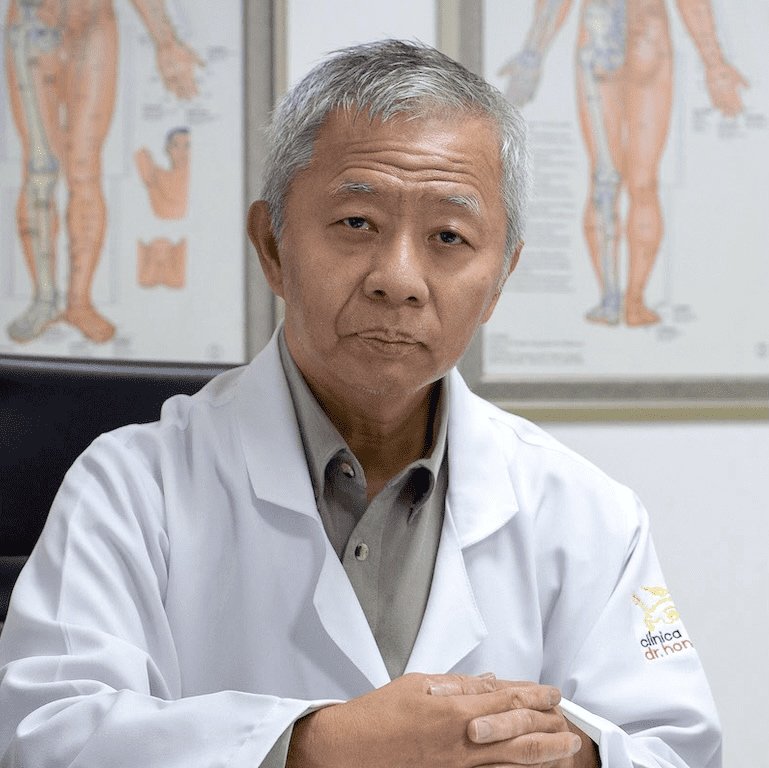
Expert Commentary
Prof. Dr. Hong Jin Pai
PhD in Sciences, University of São Paulo
▸ Clinical Relevance
Allergic diseases represent a growing challenge in contemporary medical practice, with 500 million people affected by allergic rhinitis and 300 million by asthma worldwide — numbers that justify seeking therapeutic tools beyond the conventional arsenal. This review contextualizes, with historical rigor and mechanistic grounding, how Traditional Chinese Medicine can contribute to integrative strategies in this scenario. From a clinical standpoint, the greatest gain lies in managing the refractory patient or the one intolerant to antihistamines and corticosteroids, for whom acupuncture and herbal formulas emerge as adjuvants with a favorable safety profile. The emphasis on individual constitution — Wang Qi's concept of "allergic constitution" — resonates directly with what we see in practice: patients with the same formal diagnosis of rhinitis respond in radically different ways. Viewing this heterogeneity as a therapeutic starting point, rather than as a confounder, is precisely where TCM adds structural value to clinical reasoning.
▸ Notable Findings
The mechanistic aspect of this review deserves special attention. The demonstration that acupuncture at points such as Yingxiang, Yintang, and Baihui modulates the neuroimmune axis — inhibiting elevation of serum IgE and rebalancing the Th1/Th2 ratio — provides a plausible biological substrate for what clinicians observe empirically. Equally relevant is the finding regarding the GMK (Guominkang) formula, capable of inhibiting mast cell degranulation and interfering with immunological signaling pathways, bringing herbal pharmacology closer to a mechanism comparable to that of conventional mast cell stabilizers. The inclusion of TLR pathways and Th17 cell differentiation expands the understanding beyond the classical Th1/Th2 paradigm, which is scientifically current. Classical prescriptions such as Maxing Shigan Decoction showing superior efficacy in respiratory allergic conditions reinforces that millennia-old empiricism frequently preceded molecular understanding — and that ignoring this clinical legacy is an epistemological waste.
▸ From My Experience
In my practice at the Acupuncture Group of the Pain Center at HC-FMUSP, I have followed chronic allergic patients — especially those with rhinitis and asthma — who arrive after years of unsatisfactory symptom control with antihistamines and inhaled corticosteroids. I typically observe a perceptible reduction in the frequency and intensity of crises after just four to six sessions, especially when we combine systemic acupuncture with local points such as Yingxiang and distal points such as ST-36 and LU-7. For maintenance, the usual protocol in our service revolves around twelve to sixteen initial sessions, followed by monthly or seasonal maintenance. The patient profile that responds best is the one with a wei qi deficiency pattern — clinically: fatigue, frequent colds, low overall vitality — exactly what the TCM concept of allergic constitution describes. I do not recommend acupuncture alone in severe acute crises with active bronchospasm; in these situations, conventional medicine has absolute priority. Combination with nutritional management and reduction of environmental allergen burden consistently potentiates the results that this article signals.
Full original article
Read the full scientific study
Allergy Medicine · 2025
DOI: 10.1016/j.allmed.2025.100029
Access original articleScientific Review

Marcus Yu Bin Pai, MD, PhD
CRM-SP: 158074 | RQE: 65523 · 65524 · 655241
PhD in Health Sciences, University of São Paulo. Board-certified in Pain Medicine, Physical Medicine and Rehabilitation, and Medical Acupuncture. Scientific review and curation of every entry in this library.
Learn more about the author →Medical disclaimer: This content is for educational purposes only and does not replace consultation, diagnosis, or treatment by a qualified professional. Some information may be assisted by artificial intelligence and is subject to inaccuracies. Always consult a physician.
Content reviewed by the medical team at CEIMEC — Integrated Centre for Chinese Medicine Studies, a reference in Medical Acupuncture for over 30 years.
Related articles
Based on this article’s categories