Acupuncture reduces pain in rats with osteoarthritis by inhibiting MCP2/CCR2 signaling pathway
Li et al. · Experimental Biology and Medicine · 2020
Evidence Level
MODERATEOBJECTIVE
Investigate how acupuncture reduces osteoarthritis pain through the MCP1/CCR2 pathway and neurotrophic factors
WHO
50 male rats with osteoarthritis induced by anterior cruciate ligament injury
DURATION
8 weeks (7 weeks of treatment)
POINTS
ST-35 (Dubi) and ST-36 (Zusanli), manual needling for 30 min daily
🔬 Study Design
Control
n=10
No intervention
OA Model
n=10
Ligament injury only
Manual Acupuncture
n=10
Needling at ST-35 and ST-36
RS504393
n=10
Chemical CCR2 inhibitor
Acupuncture + RS504393
n=10
Combination of treatments
📊 Results in numbers
Reduction in cartilage degeneration
Improvement in mechanical pain threshold
Reduction in MCP1 expression
Decrease in synovial NGF
📊 Outcome Comparison
OARSI score (cartilage degeneration)
This study shows that acupuncture relieves knee osteoarthritis pain by blocking chemical signals that cause inflammation and the growth of pain nerves. Acupuncture at points ST-35 and ST-36 not only reduced pain but also protected the cartilage from degradation, offering a natural and effective approach to the treatment of osteoarthritis.
Article summary
Plain-language narrative summary
Acupuncture has emerged as a promising alternative for the treatment of pain related to osteoarthritis, a condition that affects more than 300 million people worldwide. Osteoarthritis is characterized by the degeneration of articular cartilage and subchondral bone, causing pain, swelling, stiffness, and often leading to joint dysfunction. Although it is not considered primarily an inflammatory disease, osteoarthritis often presents with low-grade inflammation and elevated levels of inflammatory substances in the synovial fluid. The exact mechanism by which acupuncture provides pain relief was not yet fully understood, especially in relation to the molecular processes involved.
This study aimed to investigate how acupuncture acts in the relief of osteoarthritis pain, focusing specifically on the MCP1/CCR2 signaling pathway. To do so, the researchers used male Sprague-Dawley rats in which osteoarthritis was induced through transection of the anterior cruciate ligament in the right knee. Electroacupuncture treatment was applied at points ST-35 and ST-36, located near the knee, beginning seven days after surgery and continuing daily for seven weeks. The animals were divided into different groups: control, osteoarthritis model, acupuncture-only treatment, CCR2 inhibitor-only treatment (RS504393), and combined treatment.
During the study, pain-related behaviors, histological alterations of cartilage, density of nerve fibers, and expression of various proteins important in the pain and inflammation process were evaluated.
The results demonstrated that electroacupuncture at points ST-35 and ST-36 was effective in significantly reducing both hyperalgesia and cartilage degeneration in animals with osteoarthritis. Acupuncture treatment decreased the density of nerve sprouting in the knee joint, which is directly related to pain perception. More importantly, the researchers discovered that acupuncture works by inhibiting the MCP1/CCR2 pathway, which is responsible for attracting inflammatory cells such as monocytes and macrophages to the joint. This inhibition results in decreased production of nerve growth factor (NGF), a protein that stimulates the growth of nerve fibers and intensifies the sensation of pain.
Examinations showed that acupuncture also reduced the expression of inflammatory cytokines such as IL-1β and TNF-α in both cartilage and synovial tissue.
For patients suffering from osteoarthritis, these findings offer a solid scientific explanation of how acupuncture can provide pain relief naturally. The study suggests that acupuncture did not merely mask symptoms, but acted on the fundamental mechanisms that cause pain and inflammation in osteoarthritis. For healthcare providers, these results provide evidence that acupuncture can be considered an evidence-based therapeutic option, especially considering that conventional pharmacologic treatments, such as nonsteroidal anti-inflammatory drugs (NSAIDs) and opioids, present significant limitations and are unable to prevent, slow, or halt the structural alterations of osteoarthritis. The discovery that acupuncture acts through modulation of the MCP1/CCR2 pathway opens possibilities for the development of more specific and effective treatment protocols.
It is important to acknowledge the limitations of this study. First, the research was conducted in an animal model, which means that the results need to be validated in clinical studies with human patients before we can have absolute certainty about its clinical applicability. In addition, the researchers did not perform double labeling to directly confirm that macrophages in the synovium are truly the main source of NGF, although indirect evidence suggests this relationship. The study also focused only on cartilage and synovial tissue, not examining the subchondral bone, which also plays an important role in the pathophysiology of osteoarthritis.
Despite these limitations, the research represents a significant advance in the understanding of the molecular mechanisms of acupuncture, offering a solid scientific basis for its use in the treatment of osteoarthritis and potentially opening paths for the development of new therapeutic approaches that combine the benefits of traditional medicine with the modern understanding of pain and inflammation processes.
Strengths
- 1Identified a specific molecular mechanism of acupuncture analgesia
- 2Evaluated multiple parameters: pain, histology, and molecular markers
- 3Compared acupuncture with a specific pharmacologic inhibitor
- 4Demonstrated cartilage protection beyond pain relief
Limitations
- 1Study performed only in an animal model (rats)
- 2Did not investigate macrophage markers by double labeling
- 3Did not evaluate alterations in subchondral bone
- 4Relatively short follow-up period
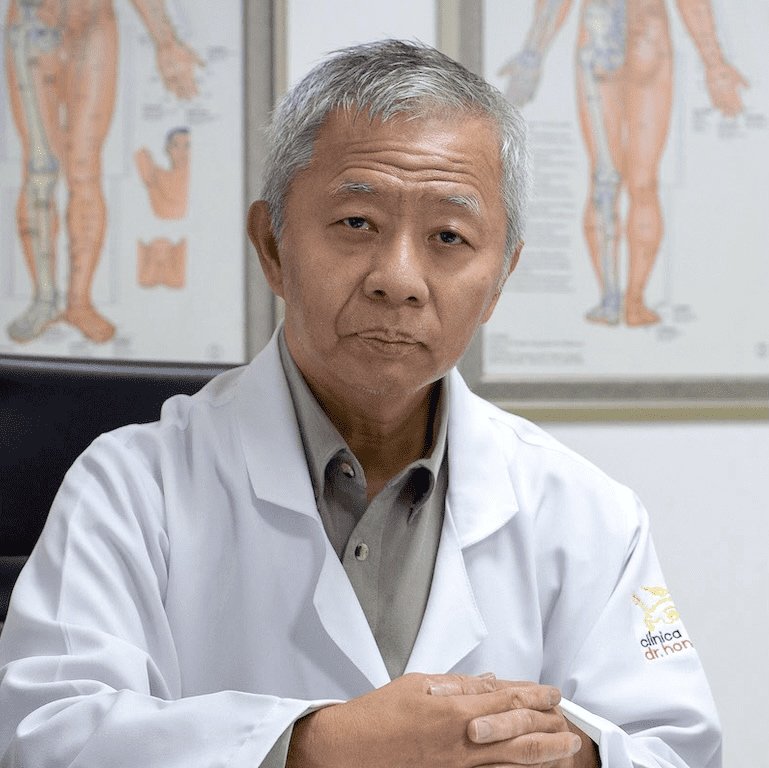
Expert Commentary
Prof. Dr. Hong Jin Pai
PhD in Sciences, University of São Paulo
▸ Clinical Relevance
Knee osteoarthritis represents one of the most frequent challenges in the musculoskeletal pain clinic. What this work adds to the clinical arsenal is the demonstration that acupuncture at points ST-35 and ST-36 not only attenuates pain perception but acts on a concrete molecular axis — MCP1/CCR2 signaling — that governs the recruitment of monocytes and macrophages to synovial tissue. This distinction matters clinically because it positions acupuncture as an intervention that modifies the articular microenvironment, not merely as symptomatic analgesia. The patient profile that benefits most in this context is the one with established osteoarthritis, low-grade synovial inflammation, and unsatisfactory response or contraindication to conventional NSAIDs — an extremely common scenario in older adults with renal or cardiovascular comorbidities. The demonstration of cartilage protection associated with modulation of synovial NGF adds a structural dimension to the rationale for indication.
▸ Notable Findings
The finding deserving priority attention is the functional equivalence between electroacupuncture at ST-35/ST-36 and the selective pharmacologic inhibitor of the CCR2 receptor (RS504393) in reducing mechanical hyperalgesia and cartilage degeneration. That a physical intervention reproduces the effect of a specific molecular antagonist suggests mechanistic precision that we frequently underestimate. The significant reduction in NGF in synovial tissue — with p < 0.05 versus the model group — is particularly relevant because NGF is now recognized as a central mediator of peripheral sensitization and a target of monoclonal antibodies in development for osteoarthritis. Acupuncture appears to reach this target indirectly, via suppression of the MCP1/CCR2 axis, reducing the influx of NGF-producing macrophages. The concomitant decrease in IL-1β and TNF-α in cartilage and synovium complements the picture of broad inflammatory modulation resulting from a single point of intervention in the cascade.
▸ From My Experience
In my practice at the Acupuncture Group of the Pain Center of HC-FMUSP (Hospital das Clínicas, Faculty of Medicine, University of São Paulo), knee osteoarthritis is the condition most frequently referred to us after failure or intolerance of NSAIDs. I have observed that patients with an active synovial component — those with crepitus, mild effusion, and rest pain — respond more consistently and earlier than those with a purely mechanical picture. I usually see the first signs of functional improvement between the third and fifth session, with consolidation of analgesic relief around the eighth to tenth session. The protocol I typically use includes ST-35 and ST-36, frequently combined with SP-9, SP-10, and local points, associating low-frequency electroacupuncture — which converges with the model of this study. The combination with supervised aquatic exercise and quadriceps strengthening notably enhances results. I do not indicate acupuncture alone in knees with severe instability or awaiting prosthesis; in this scenario, the role is palliative and complementary, not structural.
Full original article
Read the full scientific study
Experimental Biology and Medicine · 2020
DOI: 10.1177/1535370220952342
Access original articleScientific Review

Marcus Yu Bin Pai, MD, PhD
CRM-SP: 158074 | RQE: 65523 · 65524 · 655241
PhD in Health Sciences, University of São Paulo. Board-certified in Pain Medicine, Physical Medicine and Rehabilitation, and Medical Acupuncture. Scientific review and curation of every entry in this library.
Learn more about the author →Medical disclaimer: This content is for educational purposes only and does not replace consultation, diagnosis, or treatment by a qualified professional. Some information may be assisted by artificial intelligence and is subject to inaccuracies. Always consult a physician.
Content reviewed by the medical team at CEIMEC — Integrated Centre for Chinese Medicine Studies, a reference in Medical Acupuncture for over 30 years.
Related articles
Based on this article’s categories