Acupuncture for irritable bowel syndrome – an exploratory randomised controlled trial
Reynolds et al. · Acupuncture in Medicine · 2008
Evidence Level
MODERATEOBJECTIVE
To evaluate the efficacy of acupuncture for irritable bowel syndrome (IBS) and establish parameters for a larger trial
WHO
30 patients with severe IBS (mean score > 300) from 4 general practices in Birmingham, United Kingdom
DURATION
10 acupuncture sessions over 3 months, with 3-month follow-up
POINTS
ST-36 (48% of treatments), PC-6 (20%), LI-4 (19%), SP-6, SP-8, KI-3, CV-12 (17%)
🔬 Study Design
Acupuncture + usual care
n=10
10 sessions of traditional acupuncture plus usual medical care
Usual care only
n=20
Usual NHS medical care only
📊 Results in numbers
Reduction in symptom severity score (IBS-SSS)
Statistical significance
Medication reduction in the acupuncture group
Treatment adherence rate
Percentage highlights
📊 Outcome Comparison
Symptom Severity Score (IBS-SSS)
This study showed that acupuncture can be very effective at reducing the symptoms of irritable bowel syndrome. Patients who received acupuncture experienced significant improvement in bowel symptoms and were also able to cut back on medications. Acupuncture was well tolerated and accepted by patients.
Article summary
Plain-language narrative summary
This exploratory study conducted in Birmingham, United Kingdom, investigated the efficacy of acupuncture as a treatment for irritable bowel syndrome (IBS), a chronic condition that markedly impairs patients' quality of life. The research was motivated by the need for effective alternatives in a condition where conventional treatments often have limitations. The investigators used a pragmatic randomized controlled trial design, comparing traditional acupuncture combined with usual medical care versus usual medical care alone. Thirty patients were recruited from four general practice databases; inclusion criteria were based on Rome II diagnostic criteria for IBS and a severity score greater than 100.
Participants were randomized 1:2, with 10 in the acupuncture group and 20 in the control group. Treatment consisted of up to 10 sessions of acupuncture over three months delivered by five acupuncturists registered with the British Acupuncture Council, each with at least five years of experience. The protocol allowed enough flexibility for individualized treatment while maintaining adequate standardization for replication. The acupuncturists used primarily Five Element style and Traditional Chinese Medicine, with frequently used points including ST-36, PC-6, LI-4, SP-6, SP-8, KI-3, CV-12, and LR-3.
The primary outcome was the IBS Symptom Severity Score (IBS-SSS) at three months, a validated scale ranging from 0 to 500 points. Results were striking, showing a statistically and clinically significant 138-point difference favoring acupuncture (95% CI, 66 to 210; P = 0.001). The acupuncture group's score fell from 343 to 128 points, while the control group declined only from 322 to 287 points. Beyond bowel symptoms, acupuncture also produced significant benefits in non-colonic IBS symptoms, an area where conventional medications are not effective.
Adherence was high; patients completed an average of 8 of 10 prescribed sessions. Seventy-five percent of patients in the acupuncture group were able to stop or reduce their medications, compared with 44% in the control group. Acceptability was excellent: eight of nine patients reported they would receive acupuncture again. With regard to safety, no serious adverse events were reported, only mild effects such as dizziness during treatment and transient symptom worsening in some cases.
The study also provided important data for planning a larger trial, calculating that 216 patients would be needed for a definitive study. Limitations include the small sample size, lack of blinding (inherent to the pragmatic design), and the inability to separate specific from placebo effects. However, the observed effect size was much larger than placebo effects reported in other IBS studies. The findings suggest acupuncture may provide a valuable alternative for patients with IBS, especially given the limitations of current pharmacologic treatments.
The pragmatic design, while not allowing distinction between specific and placebo effects, is appropriate for evaluating cost-effectiveness and informing decisions about service provision. This study represents an important first step in establishing the evidence base for acupuncture in the treatment of IBS in primary care.
Strengths
- 1First acupuncture-for-IBS study in primary care in the United Kingdom
- 2Pragmatic design reflects real clinical practice
- 3Acupuncture protocol well defined yet flexible enough for individualization
- 4Multiple experienced acupuncturists increase generalizability
- 5Very large, statistically robust effect size
Limitations
- 1Very small sample size (n = 30) limits generalizability
- 2Absence of a placebo/sham control group prevents distinguishing specific from nonspecific effects
- 3Only 3-month follow-up does not allow assessment of long-term benefit
- 4Baseline differences between groups in some variables
- 5Retrospective recruitment may not reflect newly diagnosed patients
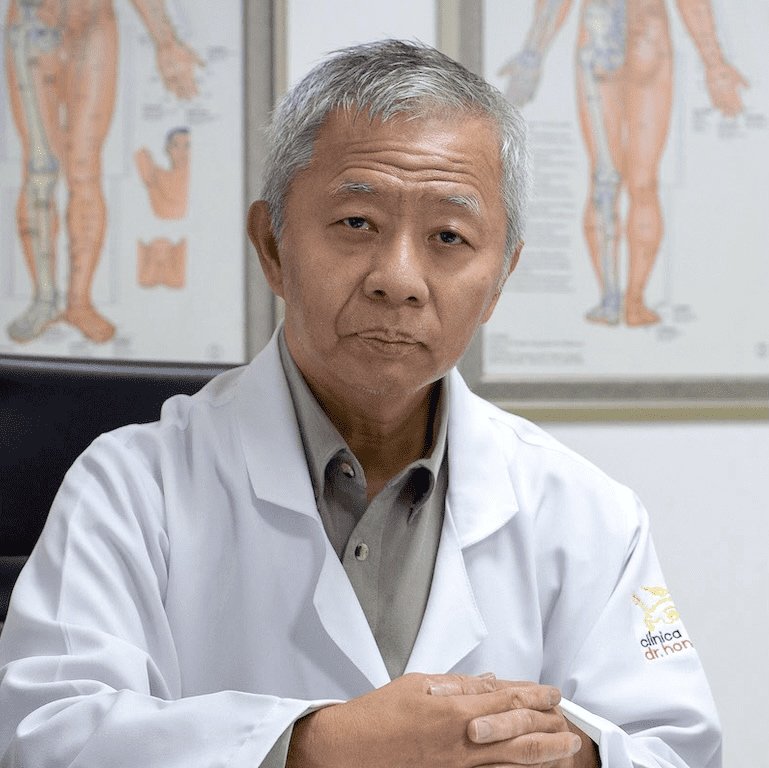
Expert Commentary
Prof. Dr. Hong Jin Pai
PhD in Sciences, University of São Paulo
▸ Clinical Relevance
Irritable bowel syndrome is among the most challenging functional conditions for clinicians, precisely because of the heterogeneity of presentations and the partial response that most available drugs offer — especially when it comes to extracolonic symptoms. This work, conducted in primary care, is relevant precisely because it tests acupuncture where it would most often be used: outside referral centers, by clinicians with eclectic training, and in patients without highly specialized triage. A 138-point reduction on the IBS-SSS represents a clinically substantial effect, well above the minimal clinically important difference for that scale. The finding that 75% of patients in the acupuncture group were able to reduce or discontinue medications has direct implications for management: it makes the case for positioning acupuncture not as a late add-on but as a structural part of the treatment plan from the outset.
▸ Notable Findings
The finding most worthy of clinical attention is not just the magnitude of improvement in bowel scores — it is the response in non-colonic IBS symptoms, a domain that conventional medications have historically failed to reach. Fatigue, sleep disturbances, musculoskeletal symptoms, and mood changes often accompany these patients and are rarely addressed effectively by pharmacotherapy. By working on systemic patterns — such as Liver invading Spleen or Spleen Qi deficiency, frequently identified in these patients — acupuncture offers an approach that is by nature integrative and not segmented by organ. The protocol used, combining points such as ST-36, SP-6, LR-3, and CV-12, reflects exactly this logic of functional harmonization. The high adherence — averaging 8 of 10 prescribed sessions — and excellent acceptability reinforce that acupuncture is an option IBS patients actually seek out and stick with.
▸ From My Experience
In my practice with functional gastrointestinal patients, IBS with predominant pain and distention responds consistently to acupuncture, generally starting around the third or fourth session, when patients commonly report improvement in flare frequency and sleep. We typically run an initial cycle of 8 to 10 weekly sessions, with reassessment at the end to decide between discharge, biweekly spacing, or monthly maintenance. At the Pain Center, it is rare for a patient with moderate-to-severe IBS to be on acupuncture monotherapy: combining it with behavioral approaches, regularization of dietary habits, and, in anxious cases, appropriate psychiatric management clearly enhances outcomes. The profile that responds best, in my experience, is the patient with mixed-type or pain-predominant IBS, with an evident stress component, who has already tried at least two pharmacologic regimens without satisfactory response. I do not recommend stand-alone acupuncture when organic disease has not been ruled out or when the patient has not yet been adequately worked up.
Indexed scientific article
This study is indexed in an international scientific database. Check your institutional access to obtain the full article.
Scientific Review

Marcus Yu Bin Pai, MD, PhD
CRM-SP: 158074 | RQE: 65523 · 65524 · 655241
PhD in Health Sciences, University of São Paulo. Board-certified in Pain Medicine, Physical Medicine and Rehabilitation, and Medical Acupuncture. Scientific review and curation of every entry in this library.
Learn more about the author →Medical disclaimer: This content is for educational purposes only and does not replace consultation, diagnosis, or treatment by a qualified professional. Some information may be assisted by artificial intelligence and is subject to inaccuracies. Always consult a physician.
Content reviewed by the medical team at CEIMEC — Integrated Centre for Chinese Medicine Studies, a reference in Medical Acupuncture for over 30 years.
Related articles
Based on this article’s categories