The ACTIV Study: Acupuncture Treatment in Provoked Vestibulodynia
Curran et al. · The Journal of Sexual Medicine · 2010
OBJECTIVE
To explore the effects and feasibility of acupuncture in women with provoked vestibulodynia
WHO
8 women with provoked vestibulodynia, mean age 30 years
DURATION
10 acupuncture sessions over 5 weeks
POINTS
Individualized according to TCM diagnosis (10–20 needles per session)
🔬 Study Design
Personalized acupuncture
n=8
10 acupuncture sessions based on individualized TCM diagnosis
📊 Results in numbers
Reduction in pain with manual stimulation
Reduction in helplessness
Improvement in sexual desire
Reduction in pain during intercourse
📊 Outcome Comparison
Pain with manual stimulation (0–10)
This small study suggests that acupuncture may help women with vulvar pain during sexual activity. Participants reported less pain and improvement in sexual function, but larger studies are needed to confirm these promising findings.
Article summary
Plain-language narrative summary
Provoked vestibulodynia is a painful condition that affects approximately 12% of women, characterized by severe pain on touch of the vulvar region and during attempts at vaginal penetration. Current treatment options include topical and oral medications, pelvic physical therapy with biofeedback, psychological treatment, and surgery; vestibulectomy has the highest improvement rates but is reserved as a last option. This pilot study explored the efficacy of traditional Chinese acupuncture as a therapeutic alternative for this condition. Eight Caucasian women with a diagnosis of provoked vestibulodynia, with a mean age of 30 years, participated in 10 acupuncture sessions over 5 weeks.
Treatment was individualized according to the principles of Traditional Chinese Medicine, with each participant receiving a specific diagnosis based on a complete evaluation including history, tongue, and pulse examination. The acupuncture points used varied between 10 and 20 needles per session, focusing on the Liver, Kidney, and Spleen channels that pass through the genital region. Quantitative results showed significant improvements in pain with manual genital stimulation and reduction in pain-related helplessness. Although not statistically significant due to the small sample size, strong effects were observed for the increase in sexual desire and the ability to engage in sexual intercourse.
Qualitative analyses revealed more promising findings, with seven of the eight participants reporting reduced pain during intercourse, four reporting increased desire and sexual arousal, six reporting improvements in non-sexual symptoms such as digestive problems, psoriasis, and eczema, and seven describing significant improvement in mental well-being, sleep, and ability to cope with stress. A detailed case illustrates the potential benefits: a 23-year-old participant experienced progressive reduction of post-coital pain from 3 days to zero, increased sexual frequency, and the return of orgasmic capacity. From the perspective of Traditional Chinese Medicine, vestibulodynia is understood as the result of blockage or imbalance of the energetic channels, particularly Liver Qi stagnation and accumulation of Dampness in the Spleen. Treatment aimed to move Qi and Blood to stop pain and unblock the meridians.
Adverse effects were minimal, limited to small bruising and occasional fatigue. Limitations include the small sample size, absence of a sham acupuncture control group, and possible expectation bias in the qualitative assessments. The discrepancy between the more modest quantitative findings and the more substantial qualitative improvements suggests that standardized questionnaires may not fully capture the multidimensional benefits of acupuncture. This study provides preliminary evidence that individualized acupuncture may offer benefits to women with provoked vestibulodynia, not only in pain reduction but also in improving sexual function and overall well-being.
The findings justify larger, controlled future studies to definitively determine the efficacy of this alternative therapeutic approach.
Strengths
- 1Mixed quantitative-qualitative approach
- 2Individualized treatment according to TCM
- 3Multiple outcome measures
- 4Low incidence of adverse effects
Limitations
- 1Very small sample (n = 8)
- 2Absence of a control group
- 3Possible expectation bias
- 4Non-randomized pilot study
Expert Commentary
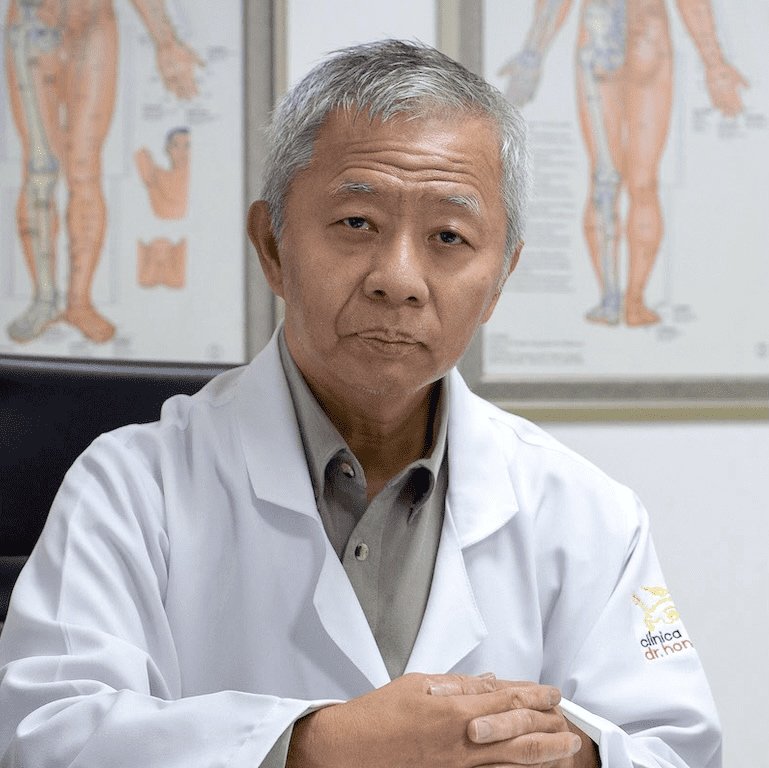
Prof. Dr. Hong Jin Pai
PhD in Sciences, University of São Paulo
▸ Clinical Relevance
Provoked vestibulodynia affects about 12% of women and represents one of the most challenging vulvovaginal pain syndromes to manage in gynecologic and pain practice. The conventional therapeutic arsenal — topical anesthetics, antidepressants, pelvic floor physical therapy, biofeedback, and, in refractory cases, vestibulectomy — frequently leaves a significant proportion of patients with insufficient pain control and persistent impairment of sexual function. This pilot work by Curran et al. introduces individualized acupuncture by TCM diagnosis as a concrete integrative alternative in this therapeutic flow. Treatment was applied before any surgical procedure, positioning it as a second- or third-line option before invasive escalation. The improvement reported by seven of the eight participants during intercourse, together with gains in sexual desire and global well-being, points to an effect that transcends local analgesia and touches psychosexual dimensions that conventional treatments rarely address in an integrated way.
▸ Notable Findings
Two findings deserve special attention. The first is the considerable magnitude of the effect on pain-related helplessness (η² = 0.454), a central psychological construct in the chronification of vulvar pain syndromes — its reduction suggests that acupuncture may act on central pain modulation circuits, not just peripherally. The second is the discrepancy between quantitative and qualitative outcomes: while the standardized scales captured modest improvements due to sample size restriction, the participants' narratives revealed comprehensive systemic benefits, including resolution of digestive, dermatological, and sleep symptoms. This pattern is consistent with the principle of treating the individual pattern in TCM — the 23-year-old patient who eliminated prolonged post-coital pain and recovered orgasmic capacity in ten sessions exemplifies how personalized treatment can produce clinically relevant responses even in cases with severe functional impact.
▸ From My Experience
In my practice with chronic pelvic pain and vestibulodynia, I have observed that these patients arrive at the clinic after years of going from specialist to specialist, carrying a degree of catastrophizing and helplessness that compromises any isolated analgesic intervention. Individualized acupuncture, with focus on the Liver, Kidney, and Spleen channels — exactly as described in the study — has been a resource I systematically integrate with pelvic floor physical therapy and, when indicated, with psychological support. I usually observe the first subjective responses between the third and fifth sessions, with more consistent stabilization around the tenth session, which coincides with the protocol tested here. The profile that responds best, in my experience, is patients with an evident anxious component, associated sleep disorders, and concomitant digestive complaints — exactly the pattern of Liver Qi stagnation with Spleen Dampness. I do not recommend acupuncture as monotherapy in cases with a large musculoskeletal component of the pelvic floor without associated physical therapy.
Full original article
Read the full scientific study
The Journal of Sexual Medicine · 2010
DOI: 10.1111/j.1743-6109.2009.01582.x
Access original articleScientific Review

Marcus Yu Bin Pai, MD, PhD
CRM-SP: 158074 | RQE: 65523 · 65524 · 655241
PhD in Health Sciences, University of São Paulo. Board-certified in Pain Medicine, Physical Medicine and Rehabilitation, and Medical Acupuncture. Scientific review and curation of every entry in this library.
Learn more about the author →Medical disclaimer: This content is for educational purposes only and does not replace consultation, diagnosis, or treatment by a qualified professional. Some information may be assisted by artificial intelligence and is subject to inaccuracies. Always consult a physician.
Content reviewed by the medical team at CEIMEC — Integrated Centre for Chinese Medicine Studies, a reference in Medical Acupuncture for over 30 years.
Related articles
Based on this article’s categories