The teaching of acupuncture in the University of São Paulo School of Medicine, Brazil
Amadera et al. · Revista da Associação Médica Brasileira · 2010
Evidence Level
MODERATEOBJECTIVE
Assess interest and acceptance of the acupuncture course among USP medical students
WHO
249 medical students who took the elective acupuncture course
DURATION
5 years of observation (2002-2007)
POINTS
Theoretical and practical teaching of basic acupuncture techniques
🔬 Study Design
Course students
n=249
Semester-long basic acupuncture course
League students
n=8
Additional 2-year training after selection
📊 Results in numbers
Participation of eligible students
Course quality (good/very good)
Feel able to recommend acupuncture
Course contributed to medical education
League slots filled
Percentage highlights
📊 Outcome Comparison
Course quality assessment
This study shows that teaching acupuncture during medical school generates great interest among students. Nearly one-third of students voluntarily enrolled in the course, and the vast majority were satisfied with the quality of instruction, demonstrating that acupuncture can be successfully integrated into the traditional medical curriculum.
Article summary
Plain-language narrative summary
Acupuncture, one of the main therapeutic techniques of Traditional Chinese Medicine, has gained growing recognition in Brazil and worldwide. In the country, this ancient practice obtained medical specialty status in 1995, reflecting its growing acceptance in the scientific community. Despite this official recognition, for many years acupuncture teaching was not part of basic medical training in Brazil, creating an important gap in the education of future professionals. This situation began to change in the early 2000s, when some medical schools began to include the teaching of non-conventional practices in their curricula, recognizing the need to prepare more well-rounded physicians who are open to different therapeutic approaches.
The University of São Paulo School of Medicine (FMUSP) was a pioneer in this change by introducing, in 2002, two elective courses focused on non-conventional medical practices: homeopathy and acupuncture. The aim of the study in question was to assess the interest, acceptance, and impact of the acupuncture course among USP medical students. The researchers sought to understand whether this complementary training really contributed to improving the competencies and skills of future physicians, offering them a broader perspective on the available therapeutic possibilities. The methodology used was relatively simple but effective: between 2002 and 2007, all students who took the elective acupuncture course were invited to answer a detailed questionnaire.
This questionnaire addressed fundamental aspects such as the perceived quality of the course, the students' ability to recommend acupuncture as a therapeutic option, the use of Traditional Chinese Medicine concepts in clinical reasoning, the sense of preparedness to apply acupuncture, and the influence of the course on the choice of future specialty and on general medical training.
The results obtained were extremely encouraging and revealed surprising data about students' interest in this therapeutic approach. Of the 249 students who completed the course during the study period, 183 were contacted and 85 effectively participated in the survey. On average, 24.9 students completed the course each semester, representing approximately 28% of all seventh- and eighth-semester students available to take it. The quality of the course was exceptionally well rated: an impressive 98% of students classified it as good or very good, an approval rate rarely observed in academic settings.
In addition, 85% of participants considered themselves at least partially capable of using acupuncture in their future practice, and 79% stated that the course positively influenced their medical training. A particularly interesting finding was that virtually all students (99%) felt qualified to recommend acupuncture as a therapeutic option, even without being specialists in the area. In 2004, the Academic Medical Acupuncture League was created, offering complementary two-year training for the most interested students, with only eight slots per semester that are consistently filled, demonstrating genuine interest in the field.
The clinical implications of these findings are significant for both patients and healthcare professionals. For patients, having physicians with basic knowledge of acupuncture means a greater possibility of receiving appropriate referrals for this therapy when indicated, in addition to professionals who are more open to dialogue about integrative practices. This may result in more personalized and holistic care, considering different therapeutic approaches according to individual needs. For professionals, training in acupuncture expands the therapeutic repertoire and develops a more integrated view of medicine, allowing better communication with specialist colleagues and greater understanding of the needs of patients who seek complementary treatments.
The study also suggests that the inclusion of courses on integrative practices can significantly enrich medical training, preparing more well-rounded professionals adapted to contemporary health demands. The high approval rate and interest demonstrated by students indicate that there is a real demand for this type of knowledge in basic medical training.
It is important to recognize the limitations of this study for an adequate interpretation of its results. The survey participation rate was only 46% of eligible students, which may have introduced selection bias, since students more satisfied with the course were probably more likely to participate. In addition, the assessments were based on self-reports, which may overestimate students' actual competencies in acupuncture. The study also did not include objective assessments of acquired skills nor did it follow the effective use of these competencies in subsequent professional practice.
Despite these limitations, the results are consistent and point in a clear direction: there is genuine interest among medical students in learning about acupuncture, and this training is perceived as valuable for their professional development. The fact that nearly 30% of students voluntarily chose this elective course, and some opted for additional two-year training, demonstrates that acupuncture has an important place in modern medical education. This pioneering study in the Brazilian context offers solid evidence for the inclusion of courses on integrative practices in medical curricula, contributing to the training of professionals better prepared for the contemporary demands of medicine.
Strengths
- 1First documented experience of acupuncture teaching at a medical school in Brazil
- 2High level of student satisfaction and interest
- 3Structured program with basic course and advanced specialization
- 45-year follow-up provides consistent data
Limitations
- 1Relatively low questionnaire response rate (46%)
- 2Absence of control group for comparison
- 3Possible selection bias — interested students may rate the course more favorably
- 4Lack of objective assessment of acquired skills
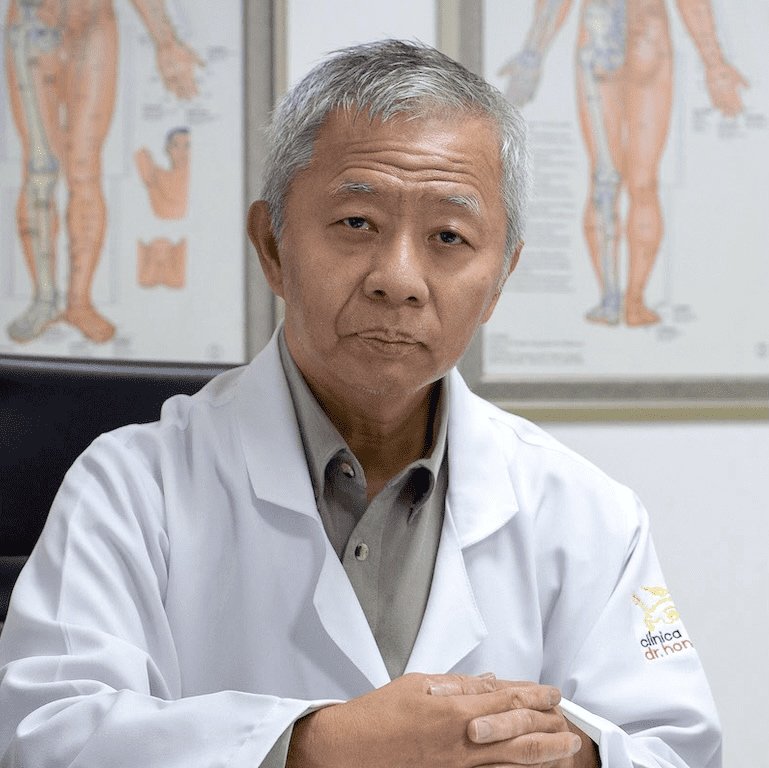
Expert Commentary
Prof. Dr. Hong Jin Pai
PhD in Sciences, University of São Paulo
▸ Clinical Relevance
The integration of acupuncture into the undergraduate medical curriculum has direct consequences on the quality of referrals and therapeutic indications throughout a physician's entire career. When the general practitioner, rheumatologist, or orthopedist recognizes the classical indications for acupuncture — myofascial pain syndrome, low back pain, tension headache, among others — the patient reaches the acupuncture specialist earlier and with more realistic expectations. The finding that 85% of students felt at least partially capable of recommending acupuncture after a single academic semester reveals the potential for disseminating a minimum triage competency throughout the medical community. Populations with chronic pain, limited access to opioid analgesics, or intolerance to anti-inflammatory drugs benefit when the attending physician knows this therapeutic pathway and incorporates it into clinical reasoning from undergraduate training.
▸ Notable Findings
Two findings deserve special attention. The first is the spontaneous adherence of 28% of eligible students to an elective course within an already congested medical curriculum — an expressive number that demonstrates real demand, not artificial interest. The second is the approval of 98% of participants classifying the course as good or very good, a rate rarely observed in evaluations of elective courses in the clinical cycle. The creation of the Academic Medical Acupuncture League in 2004, with slots consistently filled each semester throughout the five years of follow-up, points to a subgroup of students with interest deep enough to commit to two additional years of training. This two-tier model — basic orientation course plus advanced league — has proven functionally robust and replicable in other institutions.
▸ From My Experience
I participated in structuring this program in its early stages and can affirm that the institutional resistance preceding the approval of the course was considerable. What was observed over the years was that residents and young physicians trained after 2002 reach the Acupuncture Group of the Pain Center with more pertinent referrals and more sophisticated clinical questions than the previous generation. In my practice, the physician who had even basic exposure to acupuncture during undergraduate training tends to identify earlier the patient with refractory chronic myofascial pain who would benefit from combined treatment — acupuncture, physical therapy, and supervised physical activity. We usually see the first signs of response between the third and fifth sessions in this patient profile, and the initial cycle of eight to ten sessions usually defines who will continue to monthly maintenance. The greatest impact of this article, for me, is not statistical: it is the formal documentation that FMUSP was a pioneer and that the model worked.
Indexed scientific article
This study is indexed in an international scientific database. Check your institutional access to obtain the full article.
Scientific Review

Marcus Yu Bin Pai, MD, PhD
CRM-SP: 158074 | RQE: 65523 · 65524 · 655241
PhD in Health Sciences, University of São Paulo. Board-certified in Pain Medicine, Physical Medicine and Rehabilitation, and Medical Acupuncture. Scientific review and curation of every entry in this library.
Learn more about the author →Medical disclaimer: This content is for educational purposes only and does not replace consultation, diagnosis, or treatment by a qualified professional. Some information may be assisted by artificial intelligence and is subject to inaccuracies. Always consult a physician.
Content reviewed by the medical team at CEIMEC — Integrated Centre for Chinese Medicine Studies, a reference in Medical Acupuncture for over 30 years.
Related articles
Based on this article’s categories