Effects of acupuncture on the brain hemodynamics
Hori et al. · Autonomic Neuroscience: Basic and Clinical · 2010
Evidence Level
MODERATEOBJECTIVE
To investigate the effects of acupuncture on brain activity and the autonomic nervous system using EEG and near-infrared spectroscopy (NIRS)
WHO
Healthy human subjects undergoing acupuncture stimulation with de-qi sensation
DURATION
Sessions of 15 seconds of manipulation followed by 60 seconds of rest
POINTS
Right trapezius muscle and trigger points in the forearm
🔬 Study Design
Acupuncture with de-qi
n=20
Needle manipulation inducing the specific de-qi sensation
Trigger points
n=15
Stimulation at specific trigger points
Non-trigger points
n=15
Stimulation at control points without de-qi
📊 Results in numbers
Reduction in supplementary motor complex activity
Decrease in dorsomedial prefrontal cortex activity
Positive correlation between de-qi and parasympathetic activity
Increase in EEG theta and alpha power
📊 Outcome Comparison
Parasympathetic activity (HF)
Activity in the supplementary motor cortex
This study shows that acupuncture, when it produces the specific sensation called 'de-qi', causes important changes in the brain and nervous system. The research suggests that acupuncture may be effective for treating chronic pain and certain psychiatric disorders because it reduces activity in specific brain areas related to stress and pain.
Article summary
Plain-language narrative summary
This scientific review examines the neurological effects of acupuncture, focusing specifically on the de-qi sensation and its correlations with changes in brain activity and the autonomic nervous system. Researchers at the University of Toyama used advanced neuroimaging techniques, including near-infrared spectroscopy (NIRS) and electroencephalography (EEG), to investigate how acupuncture affects the human brain. The central concept of the study is the de-qi sensation, described in traditional Chinese medicine as a specific feeling of heaviness, numbness, tingling, or dull pain that indicates effective stimulation of the acupuncture point. The results demonstrated significant correlations between the presence of the de-qi sensation and measurable changes in autonomic nervous system activity.
Specifically, when participants reported de-qi sensations during needle manipulation, there was an increase in parasympathetic activity (indicative of relaxation) and a decrease in sympathetic activity (related to stress). EEG analyses revealed that acupuncture with de-qi increased brainwave power in the theta and alpha bands, suggesting a state of relaxation and greater frontal cortex activity. More importantly, NIRS neuroimaging studies showed that acupuncture with the de-qi sensation significantly reduced activity in two specific brain areas: the supplementary motor complex (SMC) and the dorsomedial prefrontal cortex (DMPFC). The supplementary motor complex is involved in voluntary motor control and pain processing.
Hyperactivity in this region has been associated with dystonia, chronic pain, and other neurologic disorders. The reduction of activity in this area by acupuncture may explain its analgesic effects. The dorsomedial prefrontal cortex plays a crucial role in emotional regulation, decision-making, and control of the autonomic nervous system. Excessive activity in this region has been observed in several psychiatric conditions, including schizophrenia, attention deficit/hyperactivity disorder, and anxiety disorders.
The ability of acupuncture to reduce activity in this area suggests a mechanism by which it may be therapeutically useful for these conditions. A particularly interesting aspect of the research was the temporal correlation between the onset of the de-qi sensation and cerebral hemodynamic changes. The investigators observed that the latency of hemodynamic responses in the supplementary motor cortex correlated significantly with the moment participants reported feeling de-qi, providing direct evidence that this specific sensation is linked to measurable neural changes. The clinical implications of these findings are considerable.
The research suggests that acupuncture may be effective for a broader range of conditions than traditionally recognized, including neurologic and psychiatric disorders characterized by hyperactivity in the brain regions studied. For chronic pain, the proposed mechanism involves inhibition of sympathetic activity through the effects of acupuncture on the dorsomedial prefrontal cortex, as well as direct modulation of pain processing through the supplementary motor complex. However, the study also acknowledges important limitations. Not all studies have found significant differences between real and sham acupuncture, and the evidence for specific therapeutic effects of de-qi remains mixed, particularly outside the pain context.
In addition, the exact mechanisms by which needle stimulation produces the de-qi sensation are not yet fully understood.
Strengths
- 1Multimodal methodology combining NIRS, EEG, and autonomic measures
- 2Precise temporal correlation between de-qi sensation and brain changes
- 3Solid theoretical basis integrating neuroscience and traditional medicine
- 4Identification of specific brain regions affected by acupuncture
Limitations
- 1Inconsistent results among studies on the efficacy of de-qi
- 2Skin and muscle transduction mechanisms still not clarified
- 3Relatively small sample size in individual studies
- 4Need for further controlled studies on psychiatric applications
Expert Commentary
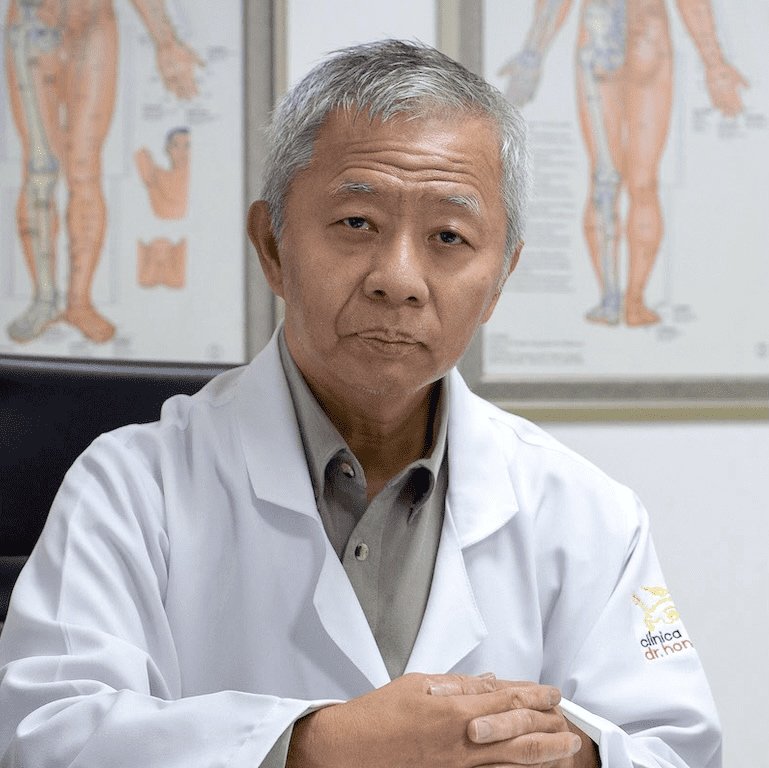
Prof. Dr. Hong Jin Pai
PhD in Sciences, University of São Paulo
▸ Clinical Relevance
The work of Hori and colleagues offers the clinician who practices acupuncture a direct neurophysiological window onto what we do daily when seeking de-qi. By demonstrating that modulation of the supplementary motor complex and dorsomedial prefrontal cortex occurs in temporal correlation with the sensation reported by the patient, the authors transform a concept from classical medicine into a measurable finding by NIRS and EEG. In practice, this has immediate implications for candidate selection: patients with chronic pain of central component, dystonia, anxiety disorders, and conditions in which frontal hyperactivity is documented now have a more robust neurophysiological rationale for inclusion in acupuncture protocols. The demonstration of parasympathetic dominance associated with de-qi further reinforces use of the technique in patients with dysautonomia and pain mediated by the autonomic nervous system.
▸ Notable Findings
The temporal correlation between the exact moment of de-qi report and the latency of hemodynamic responses in the supplementary motor complex is the finding that merits the most attention. This is not merely the observation that acupuncture 'activates or deactivates' brain regions — something already demonstrated by prior fMRI studies — but rather the establishment of temporal causality between a subjective experience and an objectively measurable neural response. The simultaneous increase in EEG theta and alpha power, suggestive of active cortical inhibition and deep relaxation, converges with the elevation in parasympathetic activity documented by autonomic measures, forming a coherent and biologically plausible pattern. The identification of the dorsomedial prefrontal cortex as a relevant target opens concrete prospects for psychiatric populations, especially anxious patients and adults with ADHD, who are increasingly arriving at pain clinics.
▸ From My Experience
In my practice at the HC-FMUSP Pain Center, the intentional pursuit of de-qi has always been part of the protocol — but we often had to justify it solely on the basis of clinical tradition. Works such as this by Hori consolidate what we have observed empirically: patients who do not report de-qi during the first sessions tend to respond more slowly and less consistently, whereas those who describe the characteristic sensation of heaviness or numbness as early as the second or third session tend to show perceptible clinical improvement between the fourth and sixth. For chronic pain with predominantly central features, we routinely combine acupuncture with autonomic modulation, supervised aerobic exercise, and, when there is significant emotional involvement, structured psychotherapeutic support. The profile that best responds, in my experience, is the patient with high interoceptive sensitivity — one who perceives de-qi clearly from the start and who already shows baseline parasympathetic dominance. Highly sympathicotonic patients under intense chronic stress often require a preparation period before responding fully to the protocol.
Full original article
Read the full scientific study
Autonomic Neuroscience: Basic and Clinical · 2010
DOI: 10.1016/j.autneu.2010.06.007
Access original articleScientific Review

Marcus Yu Bin Pai, MD, PhD
CRM-SP: 158074 | RQE: 65523 · 65524 · 655241
PhD in Health Sciences, University of São Paulo. Board-certified in Pain Medicine, Physical Medicine and Rehabilitation, and Medical Acupuncture. Scientific review and curation of every entry in this library.
Learn more about the author →Medical disclaimer: This content is for educational purposes only and does not replace consultation, diagnosis, or treatment by a qualified professional. Some information may be assisted by artificial intelligence and is subject to inaccuracies. Always consult a physician.
Content reviewed by the medical team at CEIMEC — Integrated Centre for Chinese Medicine Studies, a reference in Medical Acupuncture for over 30 years.
Related articles
Based on this article’s categories