Acupuncture vs Massage for Pain in Patients Living With Advanced Cancer: The IMPACT Randomized Clinical Trial
Epstein et al. · JAMA Network Open · 2023
Evidence Level
STRONGOBJECTIVE
To compare the effectiveness of acupuncture and massage for musculoskeletal pain in patients with advanced cancer
WHO
298 patients with advanced cancer and moderate-to-severe pain, with life expectancy ≥6 months
DURATION
10 weeks of weekly treatment + monthly booster sessions up to 26 weeks
POINTS
4 local points in the area of greatest pain + supplementary points, with electrical stimulation at 2 Hz
🔬 Study Design
Acupuncture
n=150
30-minute sessions with electrical stimulation
Massage
n=148
30-minute sessions with specific techniques
📊 Results in numbers
Pain reduction - Acupuncture
Pain reduction - Massage
Between-group difference
Clinical response - Acupuncture
Clinical response - Massage
Percentage highlights
📊 Outcome Comparison
Pain reduction (BPI worst pain)
This study showed that both acupuncture and massage can significantly help reduce pain in people with advanced cancer, while also improving fatigue, insomnia, and quality of life. The two therapies had very similar results, with both being safe and effective for pain control over 6 months.
Article summary
Plain-language narrative summary
The IMPACT study is a pragmatic randomized clinical trial that compared the effectiveness of acupuncture versus massage for managing musculoskeletal pain in patients with advanced cancer. Conducted between September 2019 and February 2022 at cancer centers in the United States, including Memorial Sloan Kettering Cancer Center and Baptist Health Miami Cancer Institute, the study represents an important contribution to guidelines for the treatment of cancer pain. The context of the research is particularly relevant, considering that pain affects up to two-thirds of patients with advanced cancer and that the 2022 guidelines of the American Society of Clinical Oncology recommend acupuncture and massage as complementary modalities for cancer pain control. The study included 298 participants with a mean age of 58.7 years, 67.1% women, with various diagnoses of advanced cancer (78.5% solid tumors) and moderate-to-severe pain (mean score of 6.9 on a 0-10 scale).
Participants were randomized in a 1:1 ratio to receive acupuncture (n=150) or massage (n=148). The acupuncture protocol involved weekly 30-minute sessions for 10 weeks, followed by monthly booster sessions up to 26 weeks. Acupuncturists used 10-20 needles in at least 4 local points in the area of greatest pain, plus supplementary points, with electrical stimulation at 2 Hz at local points. The massage protocol followed the same duration, starting with breathing exercises and mobilizations, followed by 20 minutes of massage focused on the primary pain area, using techniques such as compression, myofascial release, and joint mobilization.
The primary outcomes showed that both therapies were effective in reducing pain. Acupuncture reduced the worst pain score by 2.53 points (95% CI: -2.92 to -2.15) and massage by 3.01 points (95% CI: -3.38 to -2.63) at 26 weeks. Crucially, there was no statistically significant difference between the groups (difference: -0.48; 95% CI: -0.98 to 0.03; p = 0.07), suggesting comparable effectiveness. More than half of the participants achieved a significant clinical response (improvement ≥30%): 55.2% in the acupuncture group and 65.9% in the massage group.
Secondary outcomes were equally encouraging, with both therapies improving fatigue, insomnia, and physical quality of life without significant differences between groups. Notably, there was a reduction in the use of analgesic medications, from 54.7% at baseline to 27.5% (acupuncture) and 35.6% (massage) at 26 weeks. The clinical implications are substantial. The study provides robust evidence that both modalities offer lasting benefits for a vulnerable population, with effects persisting beyond the active treatment period.
This is particularly important given the context of the opioid crisis and the need for nonpharmacological alternatives. Safety was excellent, with only mild adverse events: bruising (6.5%) and localized pain (5.8%) in acupuncture, and transient pain (15.1%) in massage. The study has important limitations. As a comparative effectiveness trial, it did not include a placebo or usual care control group, limiting the ability to determine how much of the improvement is specifically due to the interventions versus nonspecific effects.
The design did not allow participant blinding, although investigators and statisticians remained blinded to allocations. The COVID-19 pandemic interrupted treatments for some patients, but sensitivity analyses confirmed that this did not affect the main results. The rigorous training and monitoring of therapists may limit generalizability to community settings with greater variability in practitioner quality. The IMPACT study represents an important milestone in integrative oncology, demonstrating that both acupuncture and massage are viable and effective options for pain management in advanced cancer.
The results support current guidelines and provide evidence for informed clinical decisions, especially given that the population of people living with advanced cancer is growing due to therapeutic advances.
Strengths
- 1Pragmatic multicenter design with a large sample
- 2Extended 26-week follow-up
- 3Standardized protocols with rigorous monitoring
- 4Diverse and representative population
- 5Low rate of adverse events
Limitations
- 1Absence of a placebo/usual-care control group
- 2Inability to blind participants
- 3COVID-19-related interruptions
- 4Possible generalizability bias due to rigorous training
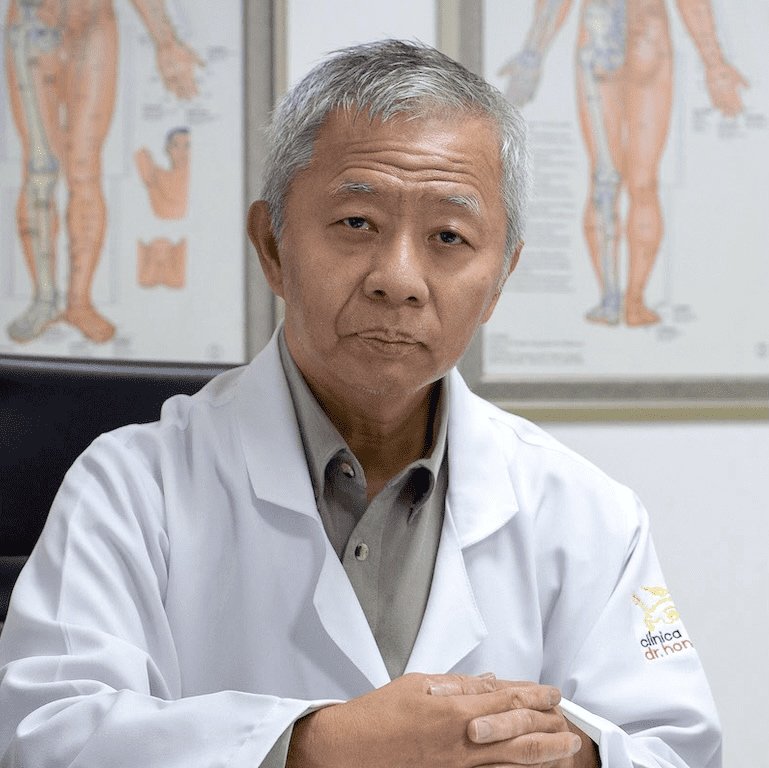
Expert Commentary
Prof. Dr. Hong Jin Pai
PhD in Sciences, University of São Paulo
▸ Clinical Relevance
The IMPACT study arrives at a moment when the management of cancer pain demands consolidated nonpharmacological alternatives, especially given the growing restrictions on opioid use and the greater survival in advanced cancer. With 298 patients followed for 26 weeks, the trial demonstrates that acupuncture and massage produce clinically meaningful reductions in pain — greater than 2.5 points on a zero-to-ten scale — with an excellent safety profile. For the medical oncologist and for the physician acupuncturist embedded in an oncology supportive care team, these data support the formal incorporation of these modalities into institutional protocols, especially for patients with moderate-to-severe musculoskeletal pain along with concomitant fatigue and insomnia. The reduction in analgesic use observed over follow-up reinforces the role of these interventions as active components of the therapeutic plan, not merely peripheral adjuvants.
▸ Notable Findings
The most notable finding is not the superiority of one modality over the other — but rather its absence. Both therapies produced substantial and statistically indistinguishable clinical responses over 26 weeks, with 55.2% of patients in the acupuncture group and 65.9% in the massage group achieving improvement of 30% or greater. This practical equivalence broadens the field of clinical choice, allowing patients with relative contraindications to needles — severe thrombocytopenia, full anticoagulation, areas with tumor-related skin compromise — to be directed to massage with an expectation of comparable benefit. Another relevant point is the improvement in secondary outcomes of fatigue, insomnia, and physical quality of life, with no difference between groups, signaling that the effect is not restricted to localized nociception but involves systemic modulation of cancer-related suffering.
▸ From My Experience
At the Pain Center of HC-FMUSP, we regularly see oncology patients referred from clinical oncology with pain that is difficult to control pharmacologically, and the accumulated experience echoes the IMPACT data. I typically observe a perceptible response within the first three to four acupuncture sessions, with a functional plateau reached between the eighth and twelfth session — which aligns well with the study's ten weekly session protocol. Combination with motor physical therapy and insomnia management tends to potentiate the gains, especially in patients with myofascial pain secondary to deconditioning. I have preferred acupuncture with electrical stimulation at 2 Hz for diffuse, dense pain, reserving manual techniques for regions with limited access due to skin lesions or lymphedema. The profile that responds best, in my practice, is the patient with a recent diagnosis of advanced cancer, still in active treatment, with predominantly musculoskeletal pain and without established severe neuropathy.
Full original article
Read the full scientific study
JAMA Network Open · 2023
DOI: 10.1001/jamanetworkopen.2023.42482
Access original articleScientific Review

Marcus Yu Bin Pai, MD, PhD
CRM-SP: 158074 | RQE: 65523 · 65524 · 655241
PhD in Health Sciences, University of São Paulo. Board-certified in Pain Medicine, Physical Medicine and Rehabilitation, and Medical Acupuncture. Scientific review and curation of every entry in this library.
Learn more about the author →Medical disclaimer: This content is for educational purposes only and does not replace consultation, diagnosis, or treatment by a qualified professional. Some information may be assisted by artificial intelligence and is subject to inaccuracies. Always consult a physician.
Content reviewed by the medical team at CEIMEC — Integrated Centre for Chinese Medicine Studies, a reference in Medical Acupuncture for over 30 years.
Related articles
Based on this article’s categories