Fascial neuromodulation: an emerging concept linking acupuncture, fasciology, osteopathy and neuroscience
Bianco · European Journal of Translational Myology · 2019
Evidence Level
MODERATEOBJECTIVE
Propose a new integrative model explaining the mechanisms of acupuncture through fascial neuromodulation
WHO
Integration of knowledge from traditional Chinese medicine, neuroscience, and fascia therapy
DURATION
Comprehensive conceptual review
POINTS
Focus on the extraordinary vessels and master points for postural modulation
🔬 Study Design
Theoretical Review
n=0
Integrative analysis of scientific literature
📊 Results in numbers
Unmyelinated interoceptive fibers in fascia
Correlation between de qi and parasympathetic activity
Insular vs. somatosensory cortex activation
Percentage highlights
📊 Outcome Comparison
Fascial Modulation Approaches
This study proposes a new way of understanding how acupuncture works, suggesting that it acts through the fascial system (connective tissue) that connects the entire body. This discovery may help explain why acupuncture is effective for various problems, including chronic pain, stress, and postural alterations.
Article summary
Plain-language narrative summary
This article presents a revolutionary concept in the understanding of the mechanisms of action of acupuncture, proposing 'fascial neuromodulation' as an integrative model that connects traditional Chinese medicine, modern neuroscience, and fascia therapy. The author, Gianluca Bianco, develops a comprehensive theory that explains how acupuncture can modulate the nervous system through fascial tissue.
According to traditional Chinese medicine, acupuncture restores the balance between Yin and Yang, which in Western medical terminology can be understood as modulation of the balance between parasympathetic and sympathetic activity. Neurological studies demonstrate that acupuncture recruits brain networks involved in the integration of multiple functions, particularly the limbic-paralimbic-neocortical network, which plays a fundamental role in modulating the affective dimensions of pain processing and integrating emotional, sensorimotor, autonomic, and immune functions.
The proposed model is based on the 'fascial network hypothesis of the meridians,' where there is an overlap between the network of channels described by traditional Chinese medicine and the recently defined fascial system. Approximately 80% of afferent nerves in the fascia are unmyelinated interoceptive fibers with a very low mechanical threshold. Stimulation of these fibers results in activation of the insular cortex rather than the primary somatosensory cortex, connecting strongly with the sympathetic cell columns and the parabrachial nucleus of the brainstem.
This discovery is significant because it explains how mechanical signaling through connective tissue and the transmission of matrix deformation along the fascial system network may explain the therapeutic effect of acupuncture. The phenomenon of 'needle grasp' and the sensation of de qi (得气) are consistent with the stimulation of sensory mechanoreceptors and with the wave of stimulation along the planes of connective tissue filaments.
For clinical application, the author proposes a postural neuromodulation protocol based on the 'extraordinary vessels' of traditional Chinese medicine. These channels are considered a complex network that regulates and integrates the ordinary channels, having functions of balancing left and right, above and below, front and back, inside and outside of the entire body. The protocol considers three postural typologies based on the three-dimensional adaptation of myofascial chains to different types of stress in childhood.
The clinical implications are substantial. This model offers a robust scientific explanation for the efficacy of acupuncture that goes beyond simple brainstem reflexes, incorporating modulation of higher neural networks. The integrative approach can enhance both the theoretical understanding and practical application of acupuncture, potentially improving therapeutic outcomes through more precise and individualized protocols.
The work also establishes important connections with other manual therapeutic modalities, including shiatsu, tuina, fascial manipulation, and osteopathy, suggesting shared mechanisms of action through fascial receptivity to pressure and the role of touch in interoceptive and limbic pathways.
Strengths
- 1Proposes an innovative integrative model connecting TCM and modern neuroscience
- 2Robust theoretical basis with extensive review of neurological literature
- 3Offers scientific explanation for traditionally unexplained phenomena
- 4Presents a practical clinical protocol based on extraordinary vessels
Limitations
- 1Purely theoretical nature without experimental validation
- 2Needs clinical studies to validate the propositions
- 3Complex model that requires validation in different clinical conditions
- 4Based primarily on indirect evidence from separate studies
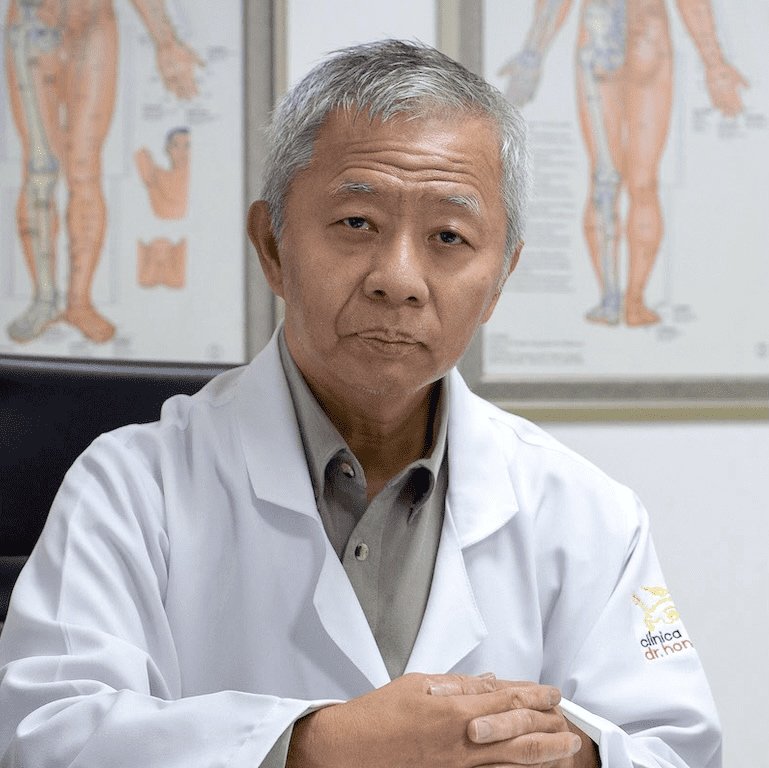
Expert Commentary
Prof. Dr. Hong Jin Pai
PhD in Sciences, University of São Paulo
▸ Clinical Relevance
The concept of fascial neuromodulation presented by Bianco offers the medical acupuncturist a contemporary scientific language to articulate mechanisms that clinical practice has long suggested, but which neuroanatomy has only now been able to describe with precision. The overlap between the meridian network and the fascial system — supported by the finding that approximately 80% of afferent fibers in the fascia are unmyelinated with low mechanical threshold — repositions acupuncture in the domain of interoception and autonomic regulation, not simple reflex. This has direct implications for populations with chronic pain of central component, central sensitization syndrome, fibromyalgia, and functional disorders. The clinical protocol based on the extraordinary vessels and myofascial postural typologies offers a diagnostic reasoning framework that can organize the choice of points in patients with complex postural patterns, bringing acupuncture prescription closer to a biomechanical and neurophysiological logic accessible to the contemporary medical universe.
▸ Notable Findings
The most intriguing finding of this work is the dissociation between the cortical pathways activated by fascial stimulation and those activated by conventional touch: unmyelinated interoceptive fibers of the fascia activate the insular cortex — not the primary somatosensory — with direct connections to the sympathetic columns and the parabrachial nucleus of the brainstem. This explains why the correlation between the sensation of de qi (得气) and parasympathetic activity is significant and biologically coherent: de qi is not a cultural epiphenomenon, but the subjective expression of genuine interoceptive recruitment. Equally notable is the interpretation of the needle grasp phenomenon as propagation of mechanical deformation along the planes of connective tissue — a wave of myofascial stimulation that travels through the meridian in a physically measurable way. The activation of the limbic-paralimbic-neocortical network contextualizes why acupuncture simultaneously modulates pain, emotion, and immunity, something that experienced clinicians observe but rarely articulate in an integrated manner.
▸ From My Experience
In my practice at the Pain Center of HC-FMUSP (Hospital das Clínicas, Faculty of Medicine, University of São Paulo), Bianco's thesis resonates with patterns I have observed for decades. Patients with fibromyalgia or central sensitization syndrome often present a very intense de qi response with minimal needling — which this model explains by the hypersensitivity of fascial interoceptive fibers already chronically activated. In these cases, I usually start with mild stimulation in the extraordinary vessels, especially Ren Mai (任脉) and Du Mai (督脉), precisely because of the integrative capacity that classical Chinese medicine has always attributed to these channels and which neuroanatomy is now beginning to support. In terms of response speed, I have observed that patients with a strong autonomic component — insomnia, irritable bowel syndrome associated with pain — often perceive modulation already in the first three to four sessions, before musculoskeletal pain responds. I systematically combine acupuncture with postural guidance and, when available, fascial manipulation supervised by a physiatrist. The profile that responds best to this integrative approach is the patient with diffuse pain, mild dysautonomia, and a chronic antigravity compensation postural pattern — exactly the target audience of the protocol proposed in the article.
Full original article
Read the full scientific study
European Journal of Translational Myology · 2019
DOI: 10.4081/ejtm.2019.8331
Access original articleScientific Review

Marcus Yu Bin Pai, MD, PhD
CRM-SP: 158074 | RQE: 65523 · 65524 · 655241
PhD in Health Sciences, University of São Paulo. Board-certified in Pain Medicine, Physical Medicine and Rehabilitation, and Medical Acupuncture. Scientific review and curation of every entry in this library.
Learn more about the author →Medical disclaimer: This content is for educational purposes only and does not replace consultation, diagnosis, or treatment by a qualified professional. Some information may be assisted by artificial intelligence and is subject to inaccuracies. Always consult a physician.
Content reviewed by the medical team at CEIMEC — Integrated Centre for Chinese Medicine Studies, a reference in Medical Acupuncture for over 30 years.
Related articles
Based on this article’s categories