Effects of single-point acupuncture (HT7) in the prevention of test anxiety: Results of a RCT
Fleckenstein et al. · PLoS ONE · 2018
Evidence Level
MODERATEOBJECTIVE
To investigate whether acupuncture at point HT-7 reduces anxiety in standardized tests compared with sham laser
WHO
25 male medical students with a history of test anxiety
DURATION
Single 20-minute acupuncture session + stress test
POINTS
Heart 7 (HT-7/Shenmen) bilateral - known as the 'spirit gate'
🔬 Study Design
True acupuncture
n=12
Needles at bilateral HT-7 for 20 min
Sham laser
n=13
Switched-off laser at HT-7 for 20 min
📊 Results in numbers
Increase in cortisol after stress
Increase in amylase after stress
Between-group difference in cortisol
Between-group difference in amylase
📊 Outcome Comparison
Peak cortisol (20 min after stress)
Heart rate during stress
This study tested whether acupuncture at point HT-7 (located on the wrist) can reduce anxiety during exams. Although it found no significant differences between true acupuncture and placebo, both groups showed a lower stress response than expected, suggesting that attention and care may have calming effects.
Article summary
Plain-language narrative summary
Fear of exams and evaluative situations affects millions of people around the world, especially university students. German research shows that 13% of first-year students seek psychological help due to test anxiety, a number that rises to 17% among those who dropped out of their initial courses. In this concerning scenario, interest has grown in non-pharmacological alternatives for the treatment of anxiety, including acupuncture. The Heart 7 point, known in Chinese medicine as the 'spirit gate,' has traditionally been used to calm the mind and reduce anxious states, making it a promising candidate for scientific studies on anxiety control.
This research, conducted in Germany, aimed to investigate whether acupuncture at the Heart 7 point could actually reduce physiological stress responses in controlled anxiety situations. To this end, the researchers performed a randomized controlled trial with 25 male university students, with a mean age of 28 years, who reported a history of test anxiety. Participants were randomly divided into two groups: one received true acupuncture with needles at the Heart 7 point bilaterally, while the other group received a placebo treatment with a sham laser at the same points. To induce anxiety in a standardized manner, the Trier Social Stress Test was used, a validated scientific protocol that simulates a job interview and mental arithmetic exercises in front of evaluators, faithfully reproducing the stress of real-life evaluative situations.
Throughout the experiment, saliva samples were collected to measure stress hormones (cortisol and amylase), anxiety questionnaires were administered, and heart rate variability was continuously monitored.
The results revealed that, although the protocol effectively induced stress in all participants, there were no significant differences between the group that received true acupuncture and the placebo group across any of the measures evaluated. Both groups showed similar increases in stress hormones: cortisol peaked 20 minutes after the test (with a twofold increase over baseline values) and amylase reached its maximum 10 minutes after the stressor (also doubling baseline levels). Anxiety questionnaires and heart rate measures likewise showed no differences between treatments. Interestingly, when the researchers compared their data with previous studies using the same stress protocol, they observed that the increase in hormones was smaller than expected (twofold instead of three- to fourfold), suggesting that both treatments, including the attention and care provided during the placebo procedure, may have exerted some general beneficial effect in reducing stress.
For patients who suffer from test anxiety, these results offer important, though not conclusive, information. Although acupuncture at the Heart 7 point did not demonstrate specific effects superior to placebo in this study, this does not mean the technique is useless. The fact that both groups showed stress responses lower than expected suggests that the therapeutic environment, the attention received, and the treatment process itself may provide real benefits. For health professionals, this study reinforces the importance of nonspecific treatment factors and highlights the need for integrated approaches in the management of anxiety.
Acupuncture may still be a valuable option as part of a comprehensive treatment plan, considering its clinically observed relaxing effects and the absence of side effects verified in the study.
It is important to acknowledge the limitations of this research when interpreting its results. The study was conducted only with men, limiting the applicability of the findings to women, who may respond differently to both stress and acupuncture due to hormonal and physiological differences. In addition, the sample was relatively small, which may have reduced the ability to detect subtle differences between treatments. Another crucial aspect is that only the effects of a single acupuncture session were evaluated, whereas in clinical practice multiple sessions are usually required to observe meaningful therapeutic benefits.
The absence of a control group that received no intervention also made interpretation of the general effects of therapeutic care more difficult. Despite these limitations, the study contributes valuable information to the scientific understanding of acupuncture in the treatment of anxiety and establishes important groundwork for future research that may investigate longer treatment protocols and more diverse populations.
Strengths
- 1Use of the standardized TSST protocol to induce anxiety
- 2Objective measurement of stress hormones (cortisol and amylase)
- 3Followed rigorous STRICTA and CONSORT criteria
- 4Adequate control using sham laser without skin contact
Limitations
- 1Very small sample (only 25 participants)
- 2Men only, limiting generalizability
- 3Absence of a no-treatment control group
- 4Only a single treatment session tested
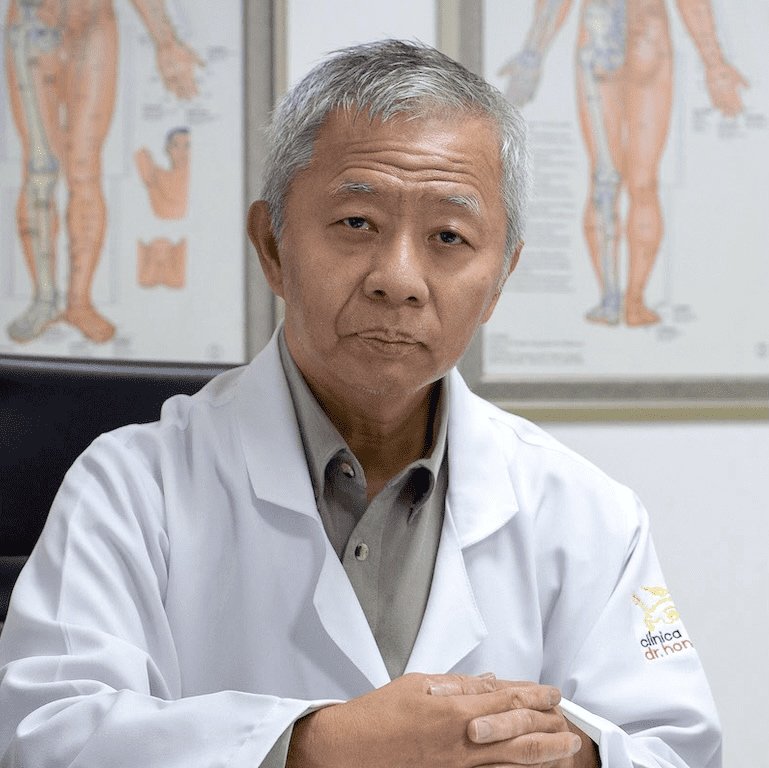
Expert Commentary
Prof. Dr. Hong Jin Pai
PhD in Sciences, University of São Paulo
▸ Clinical Relevance
Anticipatory anxiety in evaluative contexts represents a frequent complaint in integrative medicine clinics, especially among young adults in intensive academic phases. The HT-7 point (Shenmen) occupies a central place in the acupuncture armamentarium for anxiety disorders — its classical indication to 'calm the Shen' finds a parallel in studies demonstrating autonomic modulation with its stimulation. This trial by Fleckenstein et al. makes a relevant methodological contribution by using the TSST, a standardized stress-induction protocol, with objective markers such as salivary cortisol and amylase. For the clinician, the finding that both groups exhibited lower-than-expected hormonal elevation — twice baseline, instead of the three- to fourfold values historically documented with the TSST — points to an effect of the therapeutic context that deserves to be incorporated into the clinical approach to situational anxiety, regardless of the specific technique used.
▸ Notable Findings
The most intriguing finding of this work is not the absence of difference between true acupuncture and sham laser — it is the attenuated magnitude of the stress response in both groups when compared with historical reference values using the same TSST protocol. Cortisol and amylase doubled baseline values, whereas previous TSST studies document three- to fourfold elevations, suggesting that the therapeutic ritual itself — contact with a health professional, a calm environment, a structured procedure — exerted a real modulatory effect on the HPA axis and the sympathetic nervous system. The temporal kinetics also deserve attention: cortisol peaked 20 minutes after the stressor, while amylase reached its maximum as early as 10 minutes, reflecting the sequential activation of the sympathoadrenal axis before the HPA axis — a physiological pattern that the study design captured with precision.
▸ From My Experience
In my practice, HT-7 is rarely used in isolation for anxiety management — it forms part of protocols that usually include PC-6, GV-20, Yintang and, depending on the energetic pattern identified, points on the Kidney or Spleen meridians. The single session tested here does not reflect what we do clinically; I usually observe perceptible responses starting from the third or fourth session in patients with situational anxiety, and protocols of eight to twelve sessions are standard before assessing maintenance. What this study confirms — and what I see repeatedly at the Acupuncture Group of the Pain Center — is that the therapeutic context carries real weight: patients who arrive agitated and leave the room reporting relaxation already at the first session are not simply responding to the metal of the needle. In my experience, the profile that responds best to acupuncture for anticipatory anxiety is the patient with good body awareness, no severe underlying anxiety disorder, and motivated for a non-pharmacological approach — exactly the university profile described in this study.
Full original article
Read the full scientific study
PLoS ONE · 2018
DOI: 10.1371/journal.pone.0202659
Access original articleScientific Review

Marcus Yu Bin Pai, MD, PhD
CRM-SP: 158074 | RQE: 65523 · 65524 · 655241
PhD in Health Sciences, University of São Paulo. Board-certified in Pain Medicine, Physical Medicine and Rehabilitation, and Medical Acupuncture. Scientific review and curation of every entry in this library.
Learn more about the author →Medical disclaimer: This content is for educational purposes only and does not replace consultation, diagnosis, or treatment by a qualified professional. Some information may be assisted by artificial intelligence and is subject to inaccuracies. Always consult a physician.
Content reviewed by the medical team at CEIMEC — Integrated Centre for Chinese Medicine Studies, a reference in Medical Acupuncture for over 30 years.
Related articles
Based on this article’s categories