The immunomodulatory mechanism of acupuncture treatment for ischemic stroke: research progress, prospects, and future direction
Kuang et al. · Frontiers in Immunology · 2024
Evidence Level
STRONGOBJECTIVE
To review the immunomodulatory mechanisms of acupuncture in the treatment of ischemic stroke
WHO
Animal models of ischemic stroke and limited clinical data
DURATION
Analysis of studies from 2003 to 2023
POINTS
Baihui (GV-20), Zusanli (ST-36), Quchi (LI-11), Neiguan (PC-6)
🔬 Study Design
Narrative review
n=0
Analysis of multiple studies on acupuncture and neuroimmunomodulation
📊 Results in numbers
Reduction of pro-inflammatory cytokines
Increase in anti-inflammatory cytokines
Microglial polarization
T-cell modulation
📊 Outcome Comparison
Microglial activation (M1 vs M2)
This review shows that acupuncture can aid stroke recovery by modulating the brain's immune system. Acupuncture appears to reduce harmful inflammation and promote healing processes in the nervous system, offering a promising complementary approach for stroke treatment.
Article summary
Plain-language narrative summary
This comprehensive review examines the mechanisms by which acupuncture modulates immune responses in ischemic stroke, representing a significant advance in understanding the neuroprotective effects of this ancient therapy. Ischemic stroke remains one of the leading causes of death and disability worldwide, with complex pathophysiologic mechanisms involving inflammatory cascades and immune responses in both the central and peripheral nervous systems. The post-stroke immune response is characterized as a 'double-edged sword,' capable of either exacerbating tissue damage or promoting neurological recovery. The review identifies that after ischemic stroke, resident brain immune cells are activated, especially microglia, which polarize into M1 (pro-inflammatory) and M2 (anti-inflammatory) phenotypes.
M1 microglia release harmful cytokines such as TNF-α, IL-1β, and IL-6, while M2 microglia secrete neuroprotective factors such as IL-10 and TGF-β1. Astrocytes also play a dual role, differentiating into A1 (neurotoxic) and A2 (neuroprotective) subtypes. The peripheral immune system is also significantly affected, with changes in the spleen, thymus, bone marrow, and gut, influencing the migration of T cells, neutrophils, and other immune cells to the injured brain. The immunomodulatory mechanisms of acupuncture operate at multiple levels.
In the central nervous system, acupuncture promotes microglial polarization from M1 to M2, reduces the expression of pro-inflammatory cytokines, and activates anti-inflammatory pathways such as the α7 nicotinic acetylcholine receptor (α7nAChR) and the cholinergic anti-inflammatory pathway. Electroacupuncture has been shown to inhibit pro-inflammatory signaling pathways such as TLR4/NF-κB and to activate neuroprotective factors such as BDNF and TREM2. In astrocytes, acupuncture maintains structural integrity, promotes the proliferation of beneficial phenotypes, and increases the secretion of growth factors. In the peripheral immune system, acupuncture modulates T-cell differentiation, increasing regulatory T cells (Tregs) and reducing pro-inflammatory γδT cells in the gut and spleen.
The therapy also influences the expression of chemokines such as CXCL1 and CXCL2, modulating the recruitment of immune cells to the brain. Technical factors significantly influence the efficacy of acupuncture, including acupoint selection, stimulation frequency, treatment duration, and timing of application. Points such as Baihui (GV-20), Zusanli (ST-36), and Quchi (LI-11) have proven particularly effective, with frequencies of 2-20 Hz being optimal for different effects. The timing of intervention is crucial, with evidence suggesting greater efficacy in the subacute phase compared with the acute phase.
Future perspectives include deeper investigation of the hypothalamic-pituitary-adrenal axis, vagal pathways, and gut-brain axis in mediating the effects of acupuncture. The exploration of natural killer cells, foam cells, and new molecular targets such as PD-1 represents promising directions. The integration of acupuncture with other immunomodulatory therapies may offer synergistic approaches to stroke treatment.
Strengths
- 1Comprehensive review of molecular mechanisms
- 2Systematic analysis of preclinical and clinical evidence
- 3Clear identification of therapeutic targets
- 4Concrete proposals for future research
Limitations
- 1Most studies in animal models
- 2Heterogeneity in acupuncture protocols
- 3Limited clinical data
- 4Need for deeper mechanistic studies
Expert Commentary
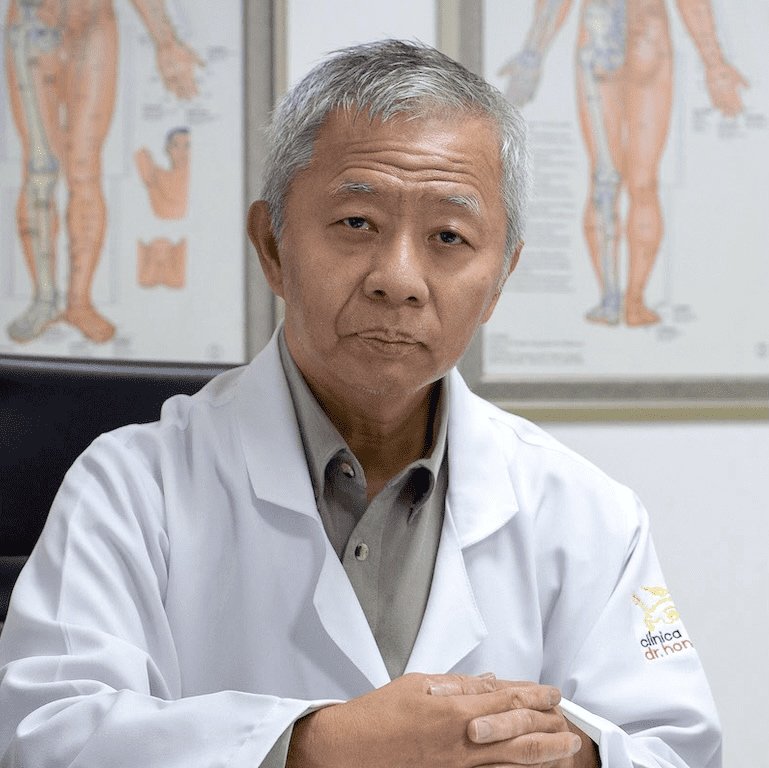
Prof. Dr. Hong Jin Pai
PhD in Sciences, University of São Paulo
▸ Clinical Relevance
Post-ischemic stroke neuroimmunomodulation is today one of the most studied therapeutic targets in rehabilitation neurology, and this review clearly systematizes how acupuncture acts on this complex terrain. For the physician who follows patients in the subacute phase of stroke, the identification of concrete molecular targets — M1→M2 microglial polarization, Treg modulation, TLR4/NF-κB pathway inhibition, α7nAChR activation — transforms what was previously described only empirically into testable mechanistic hypotheses. Treatment timing emerges as a decisive clinical variable: the evidence favoring the subacute phase over the acute phase is relevant for hospital and early rehabilitation protocols. Patients with ischemic stroke undergoing neurological rehabilitation, particularly those with persistent motor and cognitive deficits, represent the population that most benefits from this complementary approach within multidisciplinary neurorehabilitation teams.
▸ Notable Findings
The most clinically provocative finding in this review is the characterization of the post-stroke immune response as a 'double-edged sword,' with direct implications for the timing and type of modulation that should be sought. The demonstration that electroacupuncture inhibits the TLR4/NF-κB pathway while simultaneously activating BDNF and TREM2 suggests that the effect is not simply anti-inflammatory, but actively neuroprotective. Equally notable is the peripheral extent of the effects: the modulation of the gut-brain axis, with reduction of pro-inflammatory γδT cells in the gut and spleen, considerably expands the model of acupuncture action beyond the central nervous system. The stimulation frequency range of 2 to 20 Hz for different immune effects opens the prospect of more precise electroacupuncture protocols personalized to the patient's inflammatory profile.
▸ From My Experience
At the HC-FMUSP Pain Center, we follow patients with stroke sequelae in a multidisciplinary context, and acupuncture is routinely part of our neurorehabilitation protocols. In my practice, I typically observe the first functional responses — improvement in spasticity, sleep quality, and overall disposition — around the fourth to sixth session, with more consistent motor gains appearing between the eighth and twelfth sessions when treatment begins in the subacute phase. Points such as Baihui, Zusanli, and Quchi, exactly those highlighted in the review, form the backbone of our protocols, often combined with low-frequency electroacupuncture. We invariably combine acupuncture with motor physical therapy and, when indicated, with occupational therapy, because the synergy is clinically evident. Patients with a more exuberant inflammatory profile — low-grade persistent fever, elevated inflammatory markers — tend to show more pronounced responses, which makes sense in light of the mechanisms described here.
Full original article
Read the full scientific study
Frontiers in Immunology · 2024
DOI: 10.3389/fimmu.2024.1319863
Access original articleThis study underpins the editorial content of the site.
Condition pages and clinical articles that cite this evidence as the basis of their recommendations.
Scientific Review

Marcus Yu Bin Pai, MD, PhD
CRM-SP: 158074 | RQE: 65523 · 65524 · 655241
PhD in Health Sciences, University of São Paulo. Board-certified in Pain Medicine, Physical Medicine and Rehabilitation, and Medical Acupuncture. Scientific review and curation of every entry in this library.
Learn more about the author →Medical disclaimer: This content is for educational purposes only and does not replace consultation, diagnosis, or treatment by a qualified professional. Some information may be assisted by artificial intelligence and is subject to inaccuracies. Always consult a physician.
Content reviewed by the medical team at CEIMEC — Integrated Centre for Chinese Medicine Studies, a reference in Medical Acupuncture for over 30 years.
Related articles
Based on this article’s categories