Fibroblasts as key effectors of acupuncture in treatment of rheumatoid arthritis
Tu et al. · Frontiers in Immunology · 2026
Evidence Level
STRONGOBJECTIVE
Investigate the role of fibroblasts in the analgesic effects of acupuncture in the treatment of rheumatoid arthritis
WHO
C57BL/6J mice with CFA-induced arthritis
DURATION
7 days of acupuncture treatment
POINTS
ST-36 (Zusanli) bilateral
🔬 Study Design
Control
n=6
no treatment
Acupuncture
n=6
manual acupuncture ST-36
CFA
n=6
arthritis induction
CFA + Acupuncture
n=6
arthritis + acupuncture
Fibroblast ablation
n=12
fibroblast depletion + acupuncture
📊 Results in numbers
Reduction in thermal hyperalgesia
Increase in Piezo1 expression
Elevation of extracellular matrix
Reduction in analgesic effect with ablation
Percentage highlights
📊 Outcome Comparison
Thermal pain threshold
This study discovered that fibroblasts (connective tissue cells) are key to explaining how acupuncture relieves the pain of arthritis. When these cells are activated by acupuncture needles, they produce substances that naturally reduce inflammation and pain.
Article summary
Plain-language narrative summary
This pioneering study reveals a previously unknown mechanism by which acupuncture relieves rheumatoid arthritis pain, focusing on the fundamental role of fibroblasts — connective tissue cells previously considered merely structural. The researchers used a murine model of arthritis induced by complete Freund's adjuvant (CFA) to investigate the effects of manual acupuncture at the ST-36 (Zusanli) point. The methodology included detailed histological analyses, molecular profiling by RT-qPCR and immunohistochemistry, in addition to an innovative approach of fibroblast-specific ablation using recombinant adeno-associated virus. The results demonstrated that acupuncture promotes significant improvement of thermal hyperalgesia and reduction of joint inflammation.
More importantly, the treatment induced robust molecular changes in the microenvironment of the acupoint, including increased expression of mechanosensitive proteins such as Piezo1, RhoA, and YAP1, in addition to components of the extracellular matrix such as collagen I, fibromodulin, and hyaluronic acid. The study also identified elevation of fibroblast activation markers, including FGF-2, FGF-7, FSP-1, CB2, and PCNA. To prove the causal role of fibroblasts, the researchers developed a cell-specific ablation system that demonstrated that the depletion of fibroblasts at the ST-36 point significantly attenuates the analgesic effects of acupuncture. Histological analysis after ablation revealed disorganization of collagen fibers, reduction in proteoglycan content, and decreased mast cell degranulation.
These findings suggest that fibroblasts function as primary mechanical sensors that translate the physical stimulation of acupuncture into biochemical cascades of tissue repair and pain modulation. The proposed mechanism involves the mechanical activation of fibroblasts through Piezo1 channels, leading to extracellular matrix remodeling and signaling via cannabinoid CB2 receptors. This discovery represents a paradigm shift from the traditional neurocentric model to a model that recognizes the stromal component as an active mediator of the therapeutic effects of acupuncture. The clinical implications are substantial, suggesting that fibroblast-targeted therapies could potentiate the effects of acupuncture.
The study also identifies potential biomarkers such as HAS2, HABP2, and FGF-2 that could predict treatment response. Limitations include the focus on acute inflammation and the short-term protocol, requiring validation in chronic pain models and prolonged treatments.
Strengths
- 1Innovative methodology with fibroblast-specific ablation
- 2Comprehensive molecular analysis including RT-qPCR and immunohistochemistry
- 3Causal demonstration of the role of fibroblasts through genetic intervention
- 4Identification of a novel mechanotransductive mechanism of acupuncture
Limitations
- 1Short-term acute inflammation model
- 2Lack of analysis of central pain processing pathways
- 3Heterogeneity of fibroblasts not fully characterized
- 4Need for validation in chronic pain models
Expert Commentary
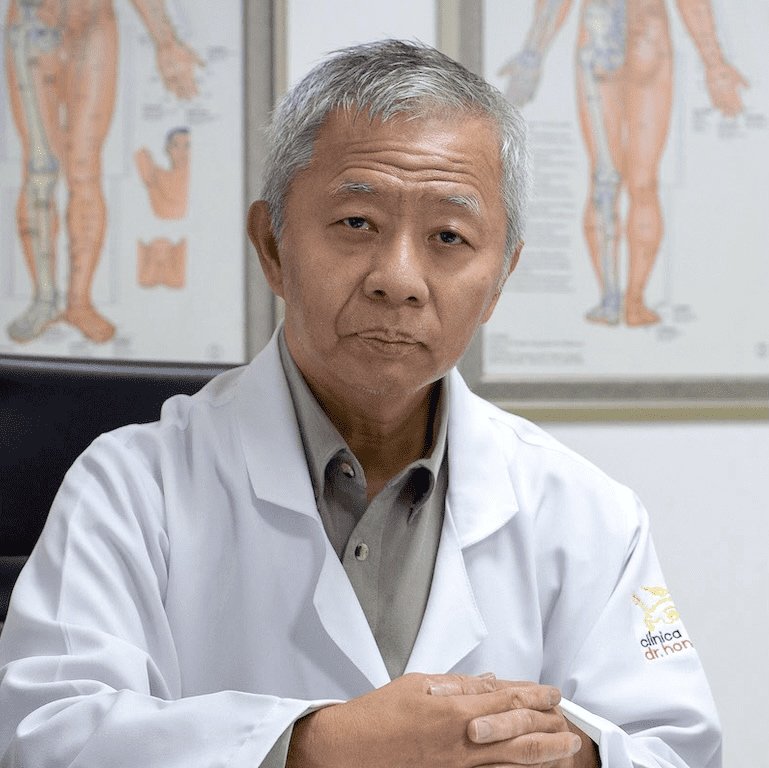
Prof. Dr. Hong Jin Pai
PhD in Sciences, University of São Paulo
▸ Clinical Relevance
The treatment of rheumatoid arthritis with acupuncture has always lacked a mechanistic framework capable of dialoguing with contemporary rheumatology. This work by Tu et al. fills a conceptual gap by demonstrating that the fibroblasts of the ST-36 point are not mere passive structural elements, but active effectors of analgesia. For the physician running a chronic inflammatory pain clinic, this has direct implications: the choice and technique of stimulating the point ceases to be mere classical empiricism and gains a traceable cellular substrate. Patients with rheumatoid arthritis refractory to NSAIDs or on DMARDs who still present significant residual pain make up the profile that benefits most from this complementary approach. The identification of potential biomarkers such as HAS2, HABP2, and FGF-2 opens prospects for responder stratification, something that clinical practice does not yet have available in a systematic way.
▸ Notable Findings
The most robust and conceptually bold finding is the causal demonstration via fibroblast-specific ablation: the depletion of these cells at the ST-36 point reduced the analgesic effect of acupuncture by approximately 50% — which converts a correlation into a causal relationship, something uncommon in the mechanistic literature in the field. Equally notable is the activation of Piezo1, a mechanosensitive channel that translates the tissue deformation generated by the needle into intracellular signaling, connecting the physician's technical gesture to a specific biochemical cascade. The concomitant elevation of collagen I, fibromodulin, and hyaluronic acid suggests that acupuncture actively reorganizes the extracellular microenvironment of the point. The participation of the cannabinoid CB2 receptor in this circuit is particularly intriguing, as it situates local endocannabinoid modulation as part of the anti-inflammatory mechanism, decoupling the effect from the central nervous system as the sole pathway of action.
▸ From My Experience
At the HC-FMUSP Pain Center, we have been treating patients with rheumatoid arthritis for decades as part of multimodal protocols, always in coordination with rheumatology. What Tu et al.'s work describes molecularly I have been observing clinically: the quality of the response seems to depend on how the needle interacts with the tissue, and not just where it is inserted. The De Qi sensation — that characteristic distention reported by the patient at the moment of manipulation — probably reflects precisely the mechanotransductive activation of fibroblasts described here. In my practice, I usually see the first significant analgesic responses between the third and fifth session in patients with moderately active arthritis, with a maintenance protocol typically established between the eighth and twelfth session. I routinely combine acupuncture with supervised kinesiotherapy and, when indicated, with the medication plan of the responsible rheumatologist. Patients with very advanced disease and severe joint destruction respond less, which makes sense in light of this study: a chronically altered fibroblast microenvironment may have compromised mechanotransduction capacity.
Full original article
Read the full scientific study
Frontiers in Immunology · 2026
DOI: 10.3389/fimmu.2026.1715313
Access original articleScientific Review

Marcus Yu Bin Pai, MD, PhD
CRM-SP: 158074 | RQE: 65523 · 65524 · 655241
PhD in Health Sciences, University of São Paulo. Board-certified in Pain Medicine, Physical Medicine and Rehabilitation, and Medical Acupuncture. Scientific review and curation of every entry in this library.
Learn more about the author →Medical disclaimer: This content is for educational purposes only and does not replace consultation, diagnosis, or treatment by a qualified professional. Some information may be assisted by artificial intelligence and is subject to inaccuracies. Always consult a physician.
Content reviewed by the medical team at CEIMEC — Integrated Centre for Chinese Medicine Studies, a reference in Medical Acupuncture for over 30 years.
Related articles
Based on this article’s categories