From tradition to healing: the promise of acupuncture in managing chronic fatigue syndrome
Wang et al. · Frontiers in Medicine · 2026
Evidence Level
MODERATEOBJECTIVE
To review the application of acupuncture and moxibustion in the treatment of chronic fatigue syndrome, from its historical basis to current clinical evidence
WHO
Patients with chronic fatigue syndrome, especially women and people over 40 years of age
DURATION
Comprehensive review covering historical and contemporary studies
POINTS
Pishu, Zusanli, Shenshu, Guanyuan, back-shu points, and techniques such as electroacupuncture
🔬 Study Design
narrative review
n=0
comprehensive analysis of the literature on acupuncture and CFS
📊 Results in numbers
global prevalence of CFS post-COVID
people affected worldwide
clinical effectiveness rate of acupuncture
improvement on the fatigue scale
Percentage highlights
📊 Outcome Comparison
overall effectiveness rate
Acupuncture and moxibustion show promise in relieving symptoms of chronic fatigue syndrome, a condition affecting millions of people worldwide. Studies suggest that these therapies can significantly improve fatigue and quality of life, offering an integrative and personalized approach to treatment.
Article summary
Plain-language narrative summary
Chronic fatigue syndrome (CFS) represents a global public-health problem that affects more than 65 million people worldwide, with a pooled prevalence of 45.2% at 4 weeks in post–COVID-19 patients. This complex condition significantly affects the immune, nervous, and endocrine systems, disproportionately affecting women, people over 40, and low-income populations. This narrative review offers a comprehensive analysis of the application of acupuncture and moxibustion in the treatment of CFS, from its historical foundations in traditional Chinese medicine to contemporary clinical evidence. The epidemiology of CFS reveals a heterogeneous global distribution, with prevalences ranging from 0.2% to 1.4% across different populations.
Risk factors include genetic predisposition, prior infections (especially Epstein-Barr virus), and childhood trauma. The diagnosis remains challenging and is based on the evolution of clinical criteria from the 1994 CDC criteria to the 2015 SEID criteria, complemented by emerging biomarkers including immunologic dysfunction, metabolic alterations, and neuroimaging findings on magnetic resonance imaging. The pathophysiology of CFS involves multiple systems, including NK-cell dysfunction in the immune system, dysregulation of the hypothalamic-pituitary-adrenal axis in the neuroendocrine system, and alterations in energy and lipid metabolism. Genetic studies have identified variations in genes related to the immune system, hormones, and metabolism, with evidence of familial aggregation.
From a therapeutic standpoint, acupuncture and moxibustion are based on the holistic principles of traditional Chinese medicine, including the theory of meridians and the balance between qi and blood. Clinical evidence from multiple randomized controlled trials demonstrates significant efficacy, with rates of clinical improvement ranging from 72.2% to 97.7% depending on the technique used. A multicenter study of 150 patients showed a significant reduction in Fatigue Severity Scale (FSS) scores in the body acupuncture group compared with the control. Innovative techniques such as electroacupuncture and catgut embedding at acupoints have shown promising results, regulating cortical excitability and immune function.
The individualized approach based on traditional Chinese medicine syndrome differentiation allows treatment personalization, selecting specific points such as Pishu and Zusanli for spleen deficiency or Shenshu and Guanyuan for kidney deficiency. Combination with other therapies, including Chinese herbal medicine and psychotherapy, has demonstrated synergistic effects superior to single-treatment approaches. Despite encouraging results, methodologic limitations persist, including heterogeneity in diagnostic criteria, small sample sizes, and difficulties in achieving adequate blinding. Safety considerations are generally favorable, with mild local adverse events being the most common.
Future directions include high-quality multicenter clinical trials, mechanistic studies integrating neuroimaging and biomarker analysis, and exploration of the role of the gut microbiota. International collaboration emerges as a crucial opportunity for protocol harmonization and strengthening of the evidence base. The potential of precision medicine, incorporating genetic analysis and individual constitutional characterization, represents a promising frontier for therapeutic optimization.
Strengths
- 1comprehensive review covering multiple aspects of CFS
- 2detailed analysis of pathophysiologic mechanisms
- 3balanced discussion of evidence and limitations
- 4historical and contemporary perspective on acupuncture
Limitations
- 1heterogeneity in diagnostic criteria across studies
- 2small sample sizes in most trials
- 3methodologic difficulties with blinding
- 4need for international standardization
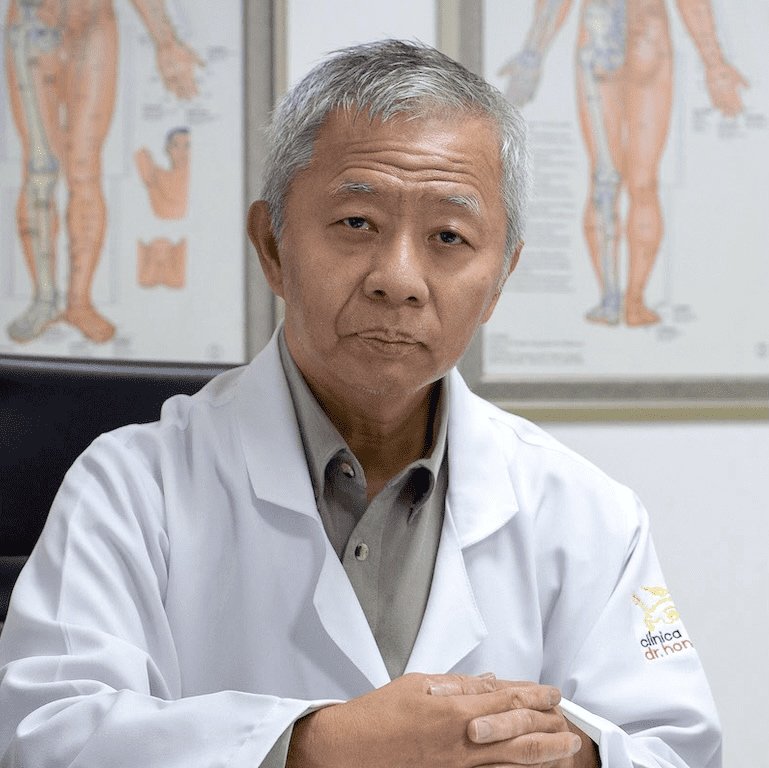
Expert Commentary
Prof. Dr. Hong Jin Pai
PhD in Sciences, University of São Paulo
▸ Clinical Relevance
Chronic fatigue syndrome reached epidemic scale after the COVID-19 pandemic, and any clinician practicing outpatient medicine has encountered the typical profile: a woman over 40, diffuse complaints of exhaustion disproportionate to effort, multiple normal investigations, and accumulated frustration with conventional approaches. The pooled prevalence of 45.2% for CFS in post-COVID patients, representing more than 65 million people worldwide, makes this article required reading for those caring for these populations. The review systematizes with clarity how acupuncture and moxibustion fit into the therapeutic arsenal — not as an isolated alternative, but as an integrative component directed at concrete pathophysiologic mechanisms: NK-cell dysfunction, dysregulation of the hypothalamic-pituitary-adrenal axis, and disturbances of energy metabolism. For the clinician who still treats CFS only with behavioral guidance and antidepressants, this review provides a foundation for broadening the therapeutic scope safely.
▸ Notable Findings
The consolidated clinical effectiveness rate of 88.7%, with variation between 72.2% and 97.7% depending on the technique used, is the finding that most stands out in this review — especially in a condition for which conventional medicine offers modest responses. Electroacupuncture and catgut embedding at acupoints emerged as techniques with mechanisms of action distinct from those of classical manual acupuncture, modulating cortical excitability and immune function in measurable ways. The multicenter study with 150 patients documenting a significant reduction in the Fatigue Severity Scale in the body acupuncture group reinforces the consistency of these findings beyond the individual effect. From the perspective of traditional Chinese medicine, the differentiation between spleen deficiency — addressed with Pishu and Zusanli — and kidney deficiency — treated with Shenshu and Guanyuan — demonstrates that treatment personalization is not merely philosophy but a therapeutic strategy with verifiable clinical impact. The synergy with Chinese herbal medicine and psychotherapy also deserves mention.
▸ From My Experience
In my practice at the Pain Center of HC-FMUSP, I have observed a marked increase in referrals with a suspected diagnosis of CFS since 2021, and the profile described in this review — women, post-viral infection, exhaustion with post-exertional malaise — corresponds faithfully to what we see. I usually start with weekly body acupuncture and, when there is a component of deep exhaustion with signs of spleen deficiency on pattern-based assessment, I add moxibustion at Zusanli and Sanyinjiao. In general, I observe the first perceptible responses between the third and fifth sessions — improvement in sleep and reduction in morning exhaustion are the first indicators. For consolidation, I work with 12 to 16 sessions before spacing to monthly maintenance. Combination with a supervised graded rehabilitation program has produced results superior to isolated treatment. Patients with prominent anxiety or a history of childhood trauma — mentioned in the article as risk factors — respond better when we associate concurrent psychotherapy. I do not recommend acupuncture as monotherapy in these more complex cases.
Full original article
Read the full scientific study
Frontiers in Medicine · 2026
DOI: 10.3389/fmed.2025.1724290
Access original articleScientific Review

Marcus Yu Bin Pai, MD, PhD
CRM-SP: 158074 | RQE: 65523 · 65524 · 655241
PhD in Health Sciences, University of São Paulo. Board-certified in Pain Medicine, Physical Medicine and Rehabilitation, and Medical Acupuncture. Scientific review and curation of every entry in this library.
Learn more about the author →Medical disclaimer: This content is for educational purposes only and does not replace consultation, diagnosis, or treatment by a qualified professional. Some information may be assisted by artificial intelligence and is subject to inaccuracies. Always consult a physician.
Content reviewed by the medical team at CEIMEC — Integrated Centre for Chinese Medicine Studies, a reference in Medical Acupuncture for over 30 years.
Related articles
Based on this article’s categories