TCM and related active compounds in the treatment of gout: the regulation of signaling pathway and urate transporter
Sun et al. · Frontiers in Pharmacology · 2023
Evidence Level
MODERATEOBJECTIVE
Analyze the molecular mechanisms of Chinese medicinal herbs in the treatment of gout through the regulation of signaling pathways and uric acid transporters
SCOPE
Review of Chinese botanical medicines, active compounds, and traditional formulas used for gout
PERIOD
Literature from the last 5 years
MECHANISMS
MAPK, NF-κB, PI3K/Akt, NLRP3, JAK/STAT pathways and URAT1, GLUT9, ABCG2 transporters
🔬 Study Design
Studies reviewed
n=120
Analysis of literature on Chinese botanical medicines
📊 Results in numbers
Signaling pathways modulated
Transporters affected
Bioactive compounds identified
Traditional formulas analyzed
📊 Outcome Comparison
Efficacy of Mechanisms of Action
This review shows that traditional Chinese medicines may be highly effective in treating gout, working through multiple mechanisms that reduce inflammation and help the body eliminate uric acid more effectively. The studies indicate that these natural therapies offer a gentler and more comprehensive approach compared with conventional medications.
Article summary
Plain-language narrative summary
Gout is a painful form of arthritis caused by the accumulation of monosodium urate crystals in the joints, resulting from elevated levels of uric acid in the blood. This comprehensive review analyzes how Traditional Chinese Medicine (TCM) offers promising alternatives for the treatment of this debilitating condition. The researchers compiled evidence from the last five years from electronic databases such as PubMed, Web of Science, and CNKI, focusing specifically on the molecular mechanisms by which Chinese medicinal herbs exert their anti-gout effects. The methodology involved a systematic analysis of studies that investigated both individual medicinal plants and traditional compound formulas, examining their effects in cellular and animal models.
The results reveal that TCM acts through multiple interconnected molecular pathways. The main signaling pathways identified include MAPK, NF-κB, PI3K/Akt, NLRP3, and JAK/STAT, all crucial in the regulation of the inflammatory response and uric acid metabolism. Particularly noteworthy is the role of the NLRP3 pathway, which when activated by urate crystals triggers an inflammatory cascade. Compounds such as scutellarin, tetrahydropalmatine, and berberine have demonstrated the capacity to inhibit this pathway, significantly reducing joint inflammation.
The NF-κB pathway, considered a key intermediary in inflammation, has also been shown to be effectively modulated by compounds such as paeonol, icariin, and curcumin. These compounds prevent the degradation of inhibitory proteins and reduce the expression of pro-inflammatory cytokines such as TNF-α, IL-1β, and IL-6. Equally important is the finding that TCM affects uric acid transporters, including URAT1, GLUT9, and ABCG2, which are responsible for the reabsorption and excretion of uric acid in the kidneys and intestines. Medicines such as berberine, naringin, and chlorogenic acid have demonstrated the capacity to modulate these transporters, promoting greater uric acid excretion and preventing its accumulation.
The clinical implications of these findings are significant. Unlike conventional medications that frequently cause gastrointestinal side effects, skin rashes, and potential renal dysfunction, TCM-based therapies offer a multi-target approach with lower toxicity. Traditional formulas such as Simiao San, Wuling San, and several others have demonstrated efficacy in both the prevention and treatment of acute gout flares. The study also highlights the importance of metabolomics research to better understand the mechanisms of action.
The interaction between metabolites and receptors offers new avenues to investigate potential therapeutic targets and the regulatory role of TCM within signaling pathways. Particularly interesting is the involvement of purine metabolism, where purinergic receptors such as P2X7 and P2Y modulate immune and inflammatory responses. Despite the promising results, the review identifies several important limitations. Most of the studies were conducted in cellular and animal models, with a need for more clinical research to confirm efficacy in humans.
In addition, interspecies differences may mean that some therapeutic effects observed in the laboratory do not translate directly to human applications. The variability in the quality and standardization of plant extracts also represents a challenge for the reproducibility of results. The future of research in this area points to the need for more robust clinical studies that investigate specific biomarkers and target proteins involved in the pathogenesis of gout. The integration of metabolomic approaches with traditional pharmacological validation promises to reveal new insights into the underlying mechanisms and potential therapeutic targets.
This holistic approach, characteristic of TCM, which aims at both the reduction of inflammation and the improvement of uric acid excretion, offers a unique and valuable perspective for the management of gout, complementing or potentially replacing conventional therapies with a superior safety profile.
Strengths
- 1Comprehensive review of multiple mechanisms of action of TCM
- 2Systematic analysis of well-established molecular pathways
- 3Extensive coverage of bioactive compounds and traditional formulas
- 4Clear identification of specific therapeutic targets
- 5Balanced discussion of limitations and future directions
Limitations
- 1Most studies based on animal and cellular models
- 2Lack of robust clinical trials in humans
- 3Variability in the standardization of plant extracts
- 4Need for validation of the proposed mechanisms
- 5Limited metabolomic investigation of the active compounds
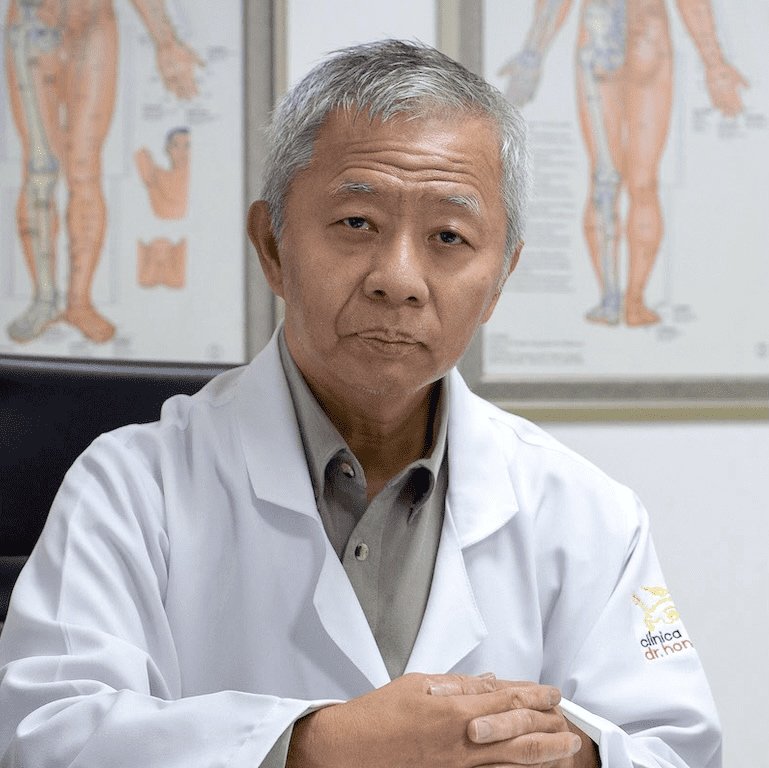
Expert Commentary
Prof. Dr. Hong Jin Pai
PhD in Sciences, University of São Paulo
▸ Clinical Relevance
Gout remains one of the most prevalent inflammatory arthropathies in clinical practice, and chronic management — especially in patients with renal or cardiovascular comorbidities or intolerance to allopurinol and febuxostat — requires that we have well-founded therapeutic alternatives. This review systematizes, with reasonable mechanistic depth, how Traditional Chinese Medicine compounds simultaneously modulate the inflammatory response and the renal and intestinal transport of urate. For the clinician integrating acupuncture and Chinese herbal medicine into the conventional arsenal, the mapping of eight affected transporters — including URAT1, GLUT9, and ABCG2 — and five signaling pathways provides a molecular vocabulary that facilitates dialogue with rheumatologists and nephrologists. Formulas such as Simiao San and Wuling San, analyzed in the review, are already in current use in integrative medicine services and now have a more robust mechanistic substrate to support institutional protocols.
▸ Notable Findings
The finding most deserving of clinical attention is the convergence of chemically distinct compounds — berberine, scutellarin, curcumin, paeonol, icariin — on the NLRP3 pathway, which represents the ignition point of the acute gout flare mediated by monosodium urate crystals. The inhibition of this pathway by multiple compounds suggests therapeutic redundancy, a valuable characteristic when the standardization of extracts is variable. Equally notable is the action on renal and intestinal transporters: the modulation of ABCG2, the intestinal urate transporter that is frequently polymorphic in patients with primary gout, opens a perspective for therapeutic personalization based on excretory phenotype. The involvement of purinergic receptors P2X7 and P2Y in the immune response mediated by urate also considerably broadens the map of available targets, connecting classical TCM pharmacology to targets that Western medicine is still exploring in gout.
▸ From My Experience
In my practice at the Pain Center of HC-FMUSP, patients with gout often arrive after years of unsatisfactory conventional management — either because of intolerance to allopurinol or because of recurrent flares despite uricosurics. For this profile, I have integrated systemic acupuncture with points classically indicated for Damp-Heat — spleen, kidney, bladder — combined with guidance on standardized Chinese herbal formulas when available in controlled presentation. The acute anti-inflammatory response I typically observe within the first two to three sessions; the impact on the frequency of flares, which is the outcome that most interests the patient, tends to consolidate over two to three months of continuous treatment. The profile that responds best is the patient with asymptomatic hyperuricemia between flares, still without established urate nephropathy. When there is moderate renal insufficiency, I maintain acupuncture but am conservative with herbal medicine that lacks robust human clinical validation — precisely the gap this review acknowledges, which obliges us to be cautious about immediate translation to the bedside.
Full original article
Read the full scientific study
Frontiers in Pharmacology · 2023
DOI: 10.3389/fphar.2023.1275974
Access original articleScientific Review

Marcus Yu Bin Pai, MD, PhD
CRM-SP: 158074 | RQE: 65523 · 65524 · 655241
PhD in Health Sciences, University of São Paulo. Board-certified in Pain Medicine, Physical Medicine and Rehabilitation, and Medical Acupuncture. Scientific review and curation of every entry in this library.
Learn more about the author →Medical disclaimer: This content is for educational purposes only and does not replace consultation, diagnosis, or treatment by a qualified professional. Some information may be assisted by artificial intelligence and is subject to inaccuracies. Always consult a physician.
Content reviewed by the medical team at CEIMEC — Integrated Centre for Chinese Medicine Studies, a reference in Medical Acupuncture for over 30 years.
Related articles
Based on this article’s categories