A Randomized, Placebo-Controlled Trial of Acupuncture in Patients With Chronic Obstructive Pulmonary Disease (COPD)
Suzuki et al. · Archives of Internal Medicine · 2012
Evidence Level
STRONGOBJECTIVE
Determine whether acupuncture is superior to placebo in improving exertional dyspnea in patients with COPD
WHO
68 Japanese patients with stage II–IV COPD on standard medication
DURATION
12 weeks of treatment, 1 session per week
POINTS
11 points: LU-1, LU-9, LI-18, CV-4, CV-12, ST-36, KI-3, GB-12, BL-13, BL-20, BL-23
🔬 Study Design
Verum Acupuncture
n=34
Traditional acupuncture with penetrating needles
Placebo
n=34
Non-penetrating telescopic needles
📊 Results in numbers
Reduction in Borg scale (dyspnea)
Improvement in walking distance
Significant between-group difference
Quality of life improvement (SGRQ)
📊 Outcome Comparison
Borg Scale (0–10, lower = better)
This study shows that acupuncture may be an effective treatment for improving shortness of breath and exercise capacity in people with COPD. Patients who received verum acupuncture were able to walk farther and felt less short of breath compared with those who received placebo treatment.
Article summary
Plain-language narrative summary
This Japanese study represents an important milestone in research on acupuncture for respiratory diseases, being the first randomized controlled trial to definitively demonstrate the efficacy of acupuncture in treating exertional dyspnea in patients with chronic obstructive pulmonary disease (COPD). COPD is a debilitating condition characterized by irreversible airflow limitation, projected to be the third leading cause of death worldwide by 2030. Dyspnea, or shortness of breath, is the most fundamental and disabling symptom of COPD, significantly affecting patients' quality of life. Effective dyspnea management represents one of the main therapeutic goals in COPD treatment.
The researchers conducted a prospective, randomized, placebo-controlled, single-blind study between July 2006 and March 2009 in the Kansai region of Japan. Sixty-eight patients diagnosed with COPD GOLD stages II, III, or IV, who were receiving standard medication, were randomized to receive verum acupuncture or placebo treatment. The protocol used a specially designed Park sham device to ensure adequate blinding, in which the placebo needles appeared to penetrate the skin but actually retracted telescopically. Treatment was applied at 11 standardized acupuncture points selected according to traditional Chinese medicine theory and prior clinical experience: LU-1 (Zhongfu) and LU-9 (Taiyuan) on the lung meridian; LI-18 (Futu) on the large intestine meridian; CV-4 (Guanyuan) and CV-12 (Zhongwan) on the conception vessel; ST-36 (Zusanli) on the stomach meridian; KI-3 (Taixi) on the kidney meridian; GB-12 (Wangu) on the gallbladder meridian; and BL-13 (Feishu), BL-20 (Pishu), and BL-23 (Shenshu) on the bladder meridian.
Sessions lasted 50 minutes, once a week for 12 weeks. The primary outcome was the score on the 10-point modified Borg scale assessed immediately after the 6-minute walk test. The results were impressive and clinically significant. After 12 weeks, the Borg scale score improved from 5.5 to 1.9 in the verum acupuncture group (a 3.6-point reduction), while it remained practically unchanged in the placebo group (4.2 to 4.6 points).
The mean between-group difference was -3.58 points (95% CI: -4.27 to -2.90), exceeding the clinically important difference threshold of 2 points established in the literature. The distance walked in the 6-minute test also improved significantly in the verum acupuncture group (+63.5 meters) compared to the placebo group (-19.4 meters), with a between-group difference of 78.68 meters (95% CI: 54.16 to 103.21). Additionally, the lowest oxygen saturation during the test improved by 3.5% in the verum acupuncture group versus a drop of 1.6% in the placebo group. Secondary outcomes showed consistent improvements in the verum acupuncture group.
Quality of life measured by the St. George's Respiratory Questionnaire improved significantly, with a 16-point reduction in the total score, well above the clinically important difference threshold of 4 points. Pulmonary function parameters, including forced vital capacity, forced expiratory volume, and diffusing capacity for carbon monoxide, also improved significantly. Notably, respiratory muscle strength increased substantially, with maximal expiratory pressure improving by 34.4 cmH2O and maximal inspiratory pressure by 13.8 cmH2O in the verum acupuncture group.
The study also revealed improvements in nutritional status, with increases in body mass index and pre-albumin levels, suggesting that acupuncture may help reverse the malnutrition common in COPD patients. Chest wall mobility increased significantly (3.1 cm), indicating improvement in respiratory mechanics. The mechanisms proposed by the authors include relaxation of hyperactivated respiratory muscles, improvement of chest wall mobility, and possible correction of autonomic tone. Treatment safety was excellent, with only minor adverse reactions reported, including fatigue, mild subcutaneous bleeding, dizziness, and pain at the needle site, all resolving quickly.
Study limitations include the relatively short follow-up period without long-term follow-up assessment, the fact that most patients were already on standard COPD medication, and the impossibility of fully blinding acupuncturists, although this is a common challenge in acupuncture studies. This study provides robust evidence that acupuncture is a useful and safe adjunctive therapy to reduce exertional dyspnea in COPD patients, offering a valuable nonpharmacological therapeutic option for a condition with limited treatment options.
Strengths
- 1First well-designed placebo-controlled study for COPD
- 2Use of Park sham device for adequate blinding
- 3Clinically relevant and well-validated outcomes
- 4Standardized and reproducible point protocol
Limitations
- 1Relatively short treatment period (12 weeks)
- 2Inability to blind acupuncturists
- 3Moderate sample size
- 4Lack of long-term follow-up
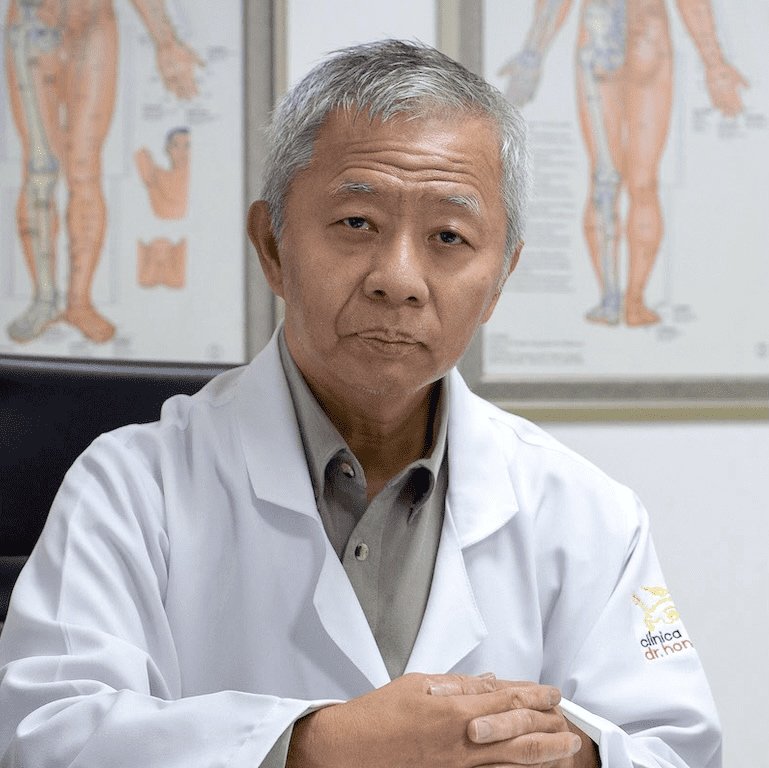
Expert Commentary
Prof. Dr. Hong Jin Pai
PhD in Sciences, University of São Paulo
▸ Clinical Relevance
COPD imposes a devastating functional burden, and control of exertional dyspnea remains one of the most challenging therapeutic goals in respiratory medicine. This trial by Suzuki et al., published in the Archives of Internal Medicine, offers the clinician a solid foundation for incorporating acupuncture into the already established adjunctive armamentarium — bronchodilators, pulmonary rehabilitation, and nutritional support. The magnitude of response observed — a 3.6-point reduction on the Borg scale and a 63.5-meter gain in the 6-minute walk test in the verum acupuncture group — largely exceeds the clinically important difference thresholds accepted in the literature for both outcomes. Patients in GOLD stages II to IV, especially those with refractory dyspnea despite pharmacological optimization, constitute the most directly benefited population. The concomitant improvement in respiratory muscle strength and chest wall mobility suggests that the benefit is not merely subjective, broadening the rationale for offering the intervention in a multidisciplinary setting.
▸ Notable Findings
Beyond the primary outcome of dyspnea, the study reveals systemic effects that deserve special clinical attention. The 16-point improvement on the St. George's Respiratory Questionnaire — four times the clinical relevance threshold — indicates substantial qualitative impact on patients' daily lives. Equally remarkable is the 34.4 cmH2O improvement in maximal expiratory pressure, pointing to genuine recruitment of respiratory musculature. Recovery of nutritional status, evidenced by increases in BMI and pre-albumin levels, is an unexpected and clinically relevant finding, since cachexia is a marker of worse prognosis in COPD. The 11-point protocol — including BL-13, BL-20, BL-23, CV-4, ST-36, and KI-3 — coherently integrates the classical Chinese medicine rationale of strengthening the lung, spleen, and kidney, which facilitates protocol reproducibility in other services.
▸ From My Experience
In my practice with chronic respiratory patients, acupuncture entered the service protocol initially as a resource for those who did not tolerate or did not respond completely to conventional pulmonary rehabilitation. I have observed that improvement in perceived effort usually appears between the third and fifth session, which is important to communicate to the patient early on to align expectations. For maintenance of functional gains, we usually work with cycles of 10 to 12 sessions followed by monthly visits — a pattern this trial conceptually reinforces, although it does not explicitly investigate it. I routinely combine acupuncture with a supervised exercise program and nutritional guidance, and the clinical synergy is noticeable: patients who arrive cachectic and with hypertonic accessory musculature respond particularly well. I avoid indicating acupuncture in patients with acute hemodynamic instability or ongoing exacerbation. The profile of best responder, in my experience, is the patient in moderate to severe stage, still functionally engaged, who has already optimized pharmacotherapy but remains limited by exertional dyspnea.
Full original article
Read the full scientific study
Archives of Internal Medicine · 2012
DOI: 10.1001/archinternmed.2012.1233
Access original articleScientific Review

Marcus Yu Bin Pai, MD, PhD
CRM-SP: 158074 | RQE: 65523 · 65524 · 655241
PhD in Health Sciences, University of São Paulo. Board-certified in Pain Medicine, Physical Medicine and Rehabilitation, and Medical Acupuncture. Scientific review and curation of every entry in this library.
Learn more about the author →Medical disclaimer: This content is for educational purposes only and does not replace consultation, diagnosis, or treatment by a qualified professional. Some information may be assisted by artificial intelligence and is subject to inaccuracies. Always consult a physician.
Content reviewed by the medical team at CEIMEC — Integrated Centre for Chinese Medicine Studies, a reference in Medical Acupuncture for over 30 years.
Related articles
Based on this article’s categories