Effect of Acupuncture vs Sham Acupuncture on Live Births Among Women Undergoing In Vitro Fertilization: A Randomized Clinical Trial
Smith et al. · JAMA · 2018
Evidence Level
STRONGOBJECTIVE
To assess whether acupuncture increases live-birth rates in women undergoing in vitro fertilization
WHO
824 women aged 18-42 years across 16 clinics in Australia and New Zealand
DURATION
3 sessions during ovarian stimulation and embryo transfer
POINTS
ST-29, CV-4, CV-6, SP-6, SP-10, plus individualized points based on TCM
🔬 Study Design
Acupuncture
n=424
Traditional acupuncture with real needles
Sham Control
n=424
Sham acupuncture with non-penetrating needles
📊 Results in numbers
Live-birth rate - acupuncture
Live-birth rate - sham
Between-group difference
Clinical pregnancy - acupuncture
Clinical pregnancy - sham
Percentage highlights
📊 Outcome Comparison
Live-Birth Rate (%)
This high-quality study showed that acupuncture does not increase the chances of having a baby during in vitro fertilization treatment. Women who received real acupuncture had essentially the same success rates as those who received simulated acupuncture (18.3% vs 17.8%).
Article summary
Plain-language narrative summary
This double-blind randomized controlled trial was conducted to determine whether acupuncture can improve live-birth rates in women undergoing in vitro fertilization (IVF). Published in the prestigious journal JAMA in 2018, it represents one of the largest and most rigorous studies on this topic to date, involving 848 women across 16 IVF centers in Australia and New Zealand.
The study's context arises from the widespread use of acupuncture by women undergoing IVF, despite conflicting evidence regarding its efficacy. Earlier studies had significant methodologic limitations, including small sample sizes, risk of selection bias, and heterogeneity across studies. Only five prior randomized controlled trials using sham acupuncture had reported the crucial outcome of live births, underscoring the need for a well-designed study.
The methodology was rigorously planned. Participants were women aged 18 to 42 years undergoing a fresh IVF cycle or intracytoplasmic sperm injection. The study used computer-generated randomization with the minimization method, stratified by number of prior embryo transfer cycles, woman's age, and study site. Blinding was maintained for participants, fertility specialists, nurses, and analysts.
The acupuncture protocol was developed using the Delphi method, with treatment characteristics retained when reaching 80% expert consensus. Treatment was based on traditional Chinese medicine, with points located in areas innervating the uterus and ovaries, and in areas to stimulate uterine blood flow and inhibit the stress response. The first treatment was administered between days 6 and 8 of follicular stimulation, and two treatments were given on the day of embryo transfer. Main points included Guilai ST-29, Guanyuan CV-4, Qihai CV-6, Sanyinjiao SP-6, and Xuehai SP-10, with up to 5 additional points based on the traditional Chinese medicine diagnosis.
The control group received non-invasive acupuncture using Park sham needles, which have a blunt tip and a retractable shaft. These needles were placed lightly on the skin surface without manipulation, at sham points located away from true acupuncture points.
The results were unequivocal. Among the 809 women included in the primary analysis, live births occurred in 74 of 405 women (18.3%) receiving acupuncture compared with 72 of 404 women (17.8%) receiving sham control. The risk difference was only 0.5% (95% CI: -4.9% to 5.8%), with a relative risk of 1.02 (95% CI: 0.76 to 1.38). This difference was not statistically significant (p=0.83).
Secondary outcomes showed that clinical pregnancy was achieved in 105 of 408 women (25.7%) in the acupuncture group versus 88 of 406 women (21.7%) in the sham group, a difference that was also not statistically significant. Notably, the number of spontaneous abortions was numerically higher in the acupuncture group (22.8% vs 11.6%), but without statistical significance. Adverse events were mild and acupuncture-specific, including discomfort and bruising, and were statistically more frequent in the acupuncture group.
The clinical implications are clear and important. The findings do not support the use of acupuncture to improve live-birth rates in women undergoing IVF. These results align with the American Society for Reproductive Medicine guidelines and high-quality meta-analyses concluding that acupuncture compared with sham control does not improve live-birth rates in IVF.
The study has several limitations. The planned sample size was not reached because of slow recruitment, with women seeking acupuncture in the community and declining randomization. Embryo transfer stage was not balanced between groups, with significantly more blastocyst transfers in the control group. Treatment duration was relatively short compared with usual clinical practice.
Some women were inevitably excluded from the intention-to-treat analysis because of consent withdrawal.
In conclusion, this rigorous study demonstrates that acupuncture administered during ovarian stimulation and embryo transfer does not significantly improve live-birth rates in women undergoing IVF. The findings provide high-quality evidence to guide clinical practice and patient counseling regarding complementary therapies in assisted reproduction.
Strengths
- 1Largest randomized trial of acupuncture in IVF conducted to date
- 2Rigorous double-blind design with appropriate sham control
- 3Multicenter study across 16 sites enhancing generalizability
- 4Acupuncture protocol based on expert consensus
- 5High treatment adherence (91% received 2+ sessions)
Limitations
- 1Sample size smaller than planned because of slow recruitment
- 2Imbalance in embryo transfer stage between groups
- 3Short treatment duration compared with clinical practice
- 4Exclusion of some participants from analysis due to consent withdrawal
- 5Blinding partially compromised in the acupuncture group
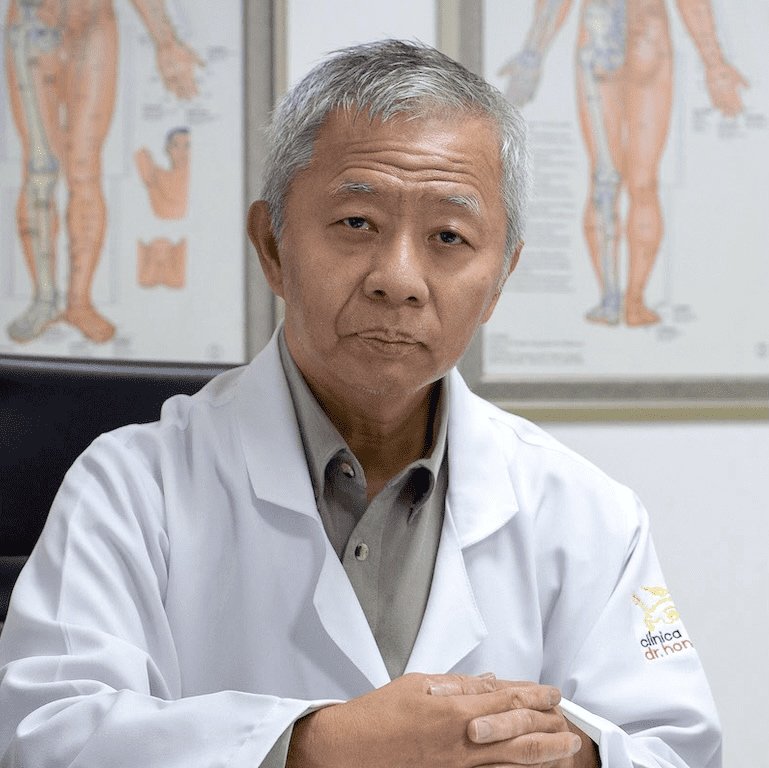
Expert Commentary
Prof. Dr. Hong Jin Pai
PhD in Sciences, University of São Paulo
▸ Clinical Relevance
This trial deserves attention for assembling 848 women across 16 Australian and New Zealand centers, giving it the largest sample power ever applied to this specific question. For the clinician caring for couples in assisted reproduction protocols, the core finding is direct: three sessions of acupuncture administered during follicular stimulation and on the day of embryo transfer did not alter the live-birth rate compared with sham control — 18.3% versus 17.8%, with p=0.83. This result allows the reproductive medicine specialist to counsel patients objectively, without needing to prohibit the practice but also without attributing to it any expected gain in IVF success rates. The convergence of this finding with the American Society for Reproductive Medicine guidelines consolidates a clinical position that is consistent and grounded in robust evidence for pre-procedure counseling.
▸ Notable Findings
The most thought-provoking finding is not the negative primary outcome but the asymmetry observed in the secondary outcomes: clinical pregnancy was numerically more frequent in the acupuncture group — 25.7% versus 21.7% — yet did not translate into an equivalent proportion of live births. This pattern suggests that if any biologic effect of acupuncture on implantation exists, it does not persist throughout pregnancy, or it is offset by differential rates of pregnancy loss. The number of spontaneous abortions was numerically higher in the acupuncture group — 22.8% versus 11.6% — a finding that, although it did not reach statistical significance, warrants monitoring in future trials with greater power for this specific outcome. The high protocol adherence, with 91% of participants receiving two or more sessions, ensures that the negative result reflects the treatment itself and not execution failure.
▸ From My Experience
In my practice in the Acupuncture Group at the Pain Center of HC-FMUSP, I regularly see patients undergoing IVF protocols who request acupuncture as supportive care. Over the past decades, I have observed that the motivation of these women is legitimate — stress reduction, improved sleep quality, and a sense of agency in the process — and these anxiolytic and autonomic benefits are real and clinically measurable. What this study definitively clarifies is that such benefits do not translate into an increase in the live-birth rate when treatment is concentrated in only three sessions around transfer. In my experience, when I follow these patients over longer periods — beginning weeks before stimulation, with weekly sessions — the subjective perception of well-being is consistent, although the impact on hard reproductive outcomes remains undetermined. The patient profile I refer to this supportive care with greatest conviction is the woman with marked anxiety and associated dysautonomia, not the one seeking acupuncture as a primary strategy to increase implantation rates.
Full original article
Read the full scientific study
JAMA · 2018
DOI: 10.1001/jama.2018.5336
Access original articleThis study underpins the editorial content of the site.
Condition pages and clinical articles that cite this evidence as the basis of their recommendations.
Scientific Review

Marcus Yu Bin Pai, MD, PhD
CRM-SP: 158074 | RQE: 65523 · 65524 · 655241
PhD in Health Sciences, University of São Paulo. Board-certified in Pain Medicine, Physical Medicine and Rehabilitation, and Medical Acupuncture. Scientific review and curation of every entry in this library.
Learn more about the author →Medical disclaimer: This content is for educational purposes only and does not replace consultation, diagnosis, or treatment by a qualified professional. Some information may be assisted by artificial intelligence and is subject to inaccuracies. Always consult a physician.
Content reviewed by the medical team at CEIMEC — Integrated Centre for Chinese Medicine Studies, a reference in Medical Acupuncture for over 30 years.
Related articles
Based on this article’s categories