Effect of Acupuncture and Clomiphene in Chinese Women With Polycystic Ovary Syndrome
Wu et al. · JAMA · 2017
Evidence Level
STRONGOBJECTIVE
Evaluate whether active acupuncture, alone or combined with clomiphene, increases live-birth rates in Chinese women with polycystic ovary syndrome
WHO
1,000 Chinese women with PCOS, mean age 27.9 years, mean BMI 24.2
DURATION
30 months of recruitment (2012-2014) with up to 4 treatment cycles and 10 months of follow-up
POINTS
2 alternating sets of abdominal, leg, hand, and head points with manual and low-frequency electrical stimulation
🔬 Study Design
Active acupuncture + clomiphene
n=250
Deep needling with stimulation + clomiphene 50-150 mg
Control acupuncture + clomiphene
n=250
Superficial needling without stimulation + clomiphene
Active acupuncture + placebo
n=250
Deep needling with stimulation + placebo
Control acupuncture + placebo
n=250
Superficial needling + placebo
📊 Results in numbers
Live-birth rate with clomiphene vs placebo
Live-birth rate active vs control acupuncture
Ovulation rate with clomiphene vs placebo
Interaction between acupuncture and clomiphene
Percentage highlights
📊 Outcome Comparison
Live-birth rate (%)
This large study showed that acupuncture does not improve the chances of becoming pregnant in women with polycystic ovary syndrome. Clomiphene, a medication used to induce ovulation, was effective on its own, but acupuncture provided no additional benefit. Women with PCOS should focus on treatments with established scientific evidence.
Article summary
Plain-language narrative summary
This study represented the largest randomized clinical trial ever conducted on acupuncture for fertility in women with polycystic ovary syndrome (PCOS), enrolling 1,000 participants across 21 centers in China. PCOS is the most common cause of anovulatory infertility, affecting 5-10% of women of reproductive age, and clomiphene is considered first-line treatment for ovulation induction. The methodology used a 2x2 factorial design, comparing active versus control acupuncture and clomiphene versus placebo, allowing assessment of both individual effects and any interaction between treatments. Participants were Chinese women diagnosed with PCOS by the modified Rotterdam criteria, including oligomenorrhea or amenorrhea, clinical or biochemical hyperandrogenism, and polycystic ovaries.
The active acupuncture protocol used deep needle insertion with manual and low-frequency electrical stimulation at specific points in abdominal and leg muscles, plus points on the hands and head, twice weekly for 30 minutes. The control group received superficial insertion of only 4 needles in the shoulders and arms, without manual stimulation and with simulated electrical stimulation. Clomiphene was administered at 50-150 mg for 5 days per cycle for up to 4 cycles. The primary outcome was live births after 20 weeks of gestation, with 10 months of follow-up after the last birth.
The main findings showed no significant interaction between acupuncture and clomiphene (p = 0.39), indicating that the treatments act independently. Clomiphene demonstrated efficacy superior to placebo, with a live-birth rate of 28.7% versus 15.4% (absolute difference 13.3%), confirming its position as standard treatment. However, active acupuncture did not show benefit over control acupuncture, with live-birth rates of 21.8% versus 22.4%, respectively (difference of -0.6%). Secondary outcomes of ovulation, conception, and pregnancy followed the same pattern, with significant advantage for clomiphene but not for active acupuncture.
The ovulation rate per cycle was 66.0% in the clomiphene group versus 33.8% in the placebo group, while between acupuncture groups there was no significant difference. Regarding safety, serious adverse events were rare and similar across groups. Active acupuncture caused more bruising (7.4% vs 1.8%) and diarrhea (5.0% vs 1.6%) compared with control but, interestingly, was associated with less low back pain during pregnancy. Four neonatal deaths occurred in the control acupuncture plus placebo group, related to preterm twin deliveries.
The clinical implications of this study are significant for patient counseling and health policy. The work provides robust evidence that acupuncture, even when performed by experienced practitioners at specialized centers, offers no additional benefit to conventional treatment of PCOS-related infertility. This contrasts with smaller earlier studies that suggested possible acupuncture efficacy. Limitations include the use of a fixed acupuncture protocol that may not reflect traditional individualized practice and a deviation from the original statistical plan.
Additionally, the study was restricted to Chinese women, limiting generalizability to other populations. The control used (superficial acupuncture) may not have been completely inert, potentially masking effects of active acupuncture. Despite these limitations, the high methodological quality, large sample size, and focus on the clinically relevant outcome of live births make this study an important contribution to evidence-based medicine in assisted reproduction.
Strengths
- 1Largest acupuncture-for-fertility RCT ever conducted (n = 1,000)
- 2Double-blind factorial design for clomiphene
- 3Clinically relevant primary outcome (live births)
- 4Multiple centers with high methodological quality
- 5Adequate follow-up through delivery
Limitations
- 1Fixed, non-individualized acupuncture protocol
- 2Study limited to Chinese population
- 3Control acupuncture may not have been completely inert
- 4Deviation from prespecified statistical plan
- 5Did not allow use of traditional Chinese herbal medicine
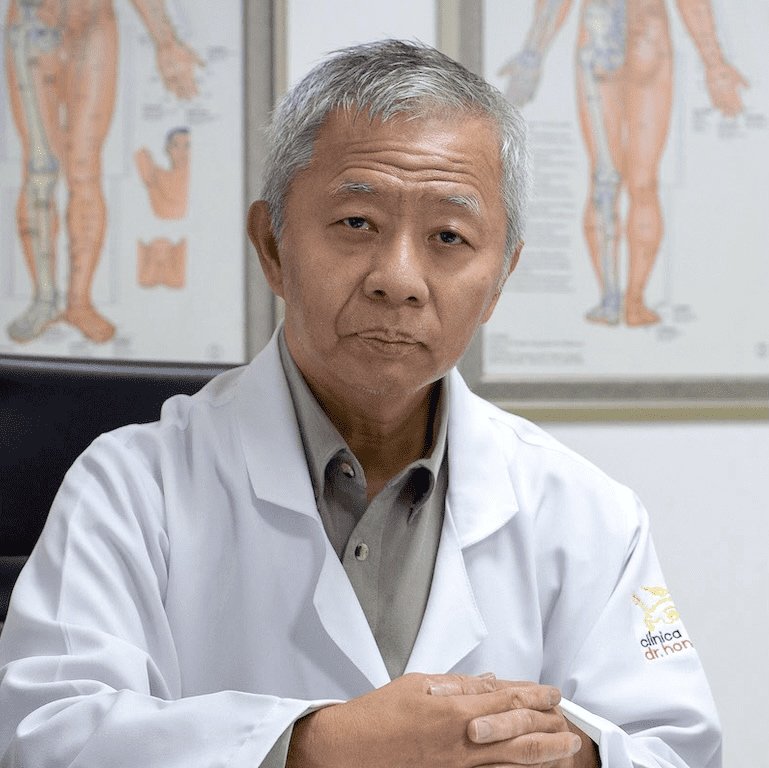
Expert Commentary
Prof. Dr. Hong Jin Pai
PhD in Sciences, University of São Paulo
▸ Clinical Relevance
PCOS is the most common cause of anovulatory infertility, and patient pressure for complementary approaches alongside clomiphene is a daily reality in clinic. This 2x2 factorial trial with 1,000 participants — the largest ever conducted in acupuncture for fertility — offers a clear roadmap for counseling these women: clomiphene maintains its first-line position with a live-birth rate of 28.7% versus 15.4% with placebo, a robust and reproducible benefit. For everyday practice, the most actionable finding is the absence of interaction between interventions (p = 0.39), meaning that adding acupuncture to the ovulation induction protocol neither potentiates nor harms reproductive outcomes. PCOS patients who wish to integrate acupuncture into their treatment can do so safely, but expectations should be aligned: the benefit will come from clomiphene, not from acupuncture, on the live-birth outcome.
▸ Notable Findings
The most noteworthy finding is not the absence of an acupuncture effect on live births — it is the magnitude of the clomiphene effect versus placebo, with an absolute difference of 13.3 percentage points and an ovulation rate of 93.2% versus 69.9%, confirming substantial pharmacologic ground to be leveraged before considering adjuvants. The symmetry between active and control acupuncture (21.8% vs 22.4%) is statistically irrelevant but clinically eloquent: even with deep needling, manual stimulation, and low-frequency electrical stimulation at abdominal and lower limb muscle points — a technically rigorous protocol — no reproductive increment was observed. The safety data on reduced gestational low back pain in the active acupuncture group merits mention, although it is an exploratory secondary outcome. The bruising rate (7.4% vs 1.8%) is useful information for informed consent.
▸ From My Experience
In my practice, when a PCOS patient arrives at the office already under care with a reproductive endocrinologist, the conversation about acupuncture is frequent. I have counseled based on this work: do not pit acupuncture against conventional treatment, but also do not sell it as a fertility amplifier. What I routinely observe — and what this study confirms via the gestational low back pain finding — is that acupuncture contributes to overall comfort during induction cycles: less anxiety, better sleep quality, greater tolerance of clomiphene side effects. I usually start acupuncture two to three weeks before the first induction cycle and maintain weekly sessions throughout treatment. The patient profile that benefits most from this adjuvant support is the one with a marked autonomic component — associated irritable bowel syndrome, sleep disorder, premenstrual emotional lability. In these cases, the systemic effects of acupuncture justify its use, even without direct impact on live births.
Full original article
Read the full scientific study
JAMA · 2017
DOI: 10.1001/jama.2017.7217
Access original articleThis study underpins the editorial content of the site.
Condition pages and clinical articles that cite this evidence as the basis of their recommendations.
Scientific Review

Marcus Yu Bin Pai, MD, PhD
CRM-SP: 158074 | RQE: 65523 · 65524 · 655241
PhD in Health Sciences, University of São Paulo. Board-certified in Pain Medicine, Physical Medicine and Rehabilitation, and Medical Acupuncture. Scientific review and curation of every entry in this library.
Learn more about the author →Medical disclaimer: This content is for educational purposes only and does not replace consultation, diagnosis, or treatment by a qualified professional. Some information may be assisted by artificial intelligence and is subject to inaccuracies. Always consult a physician.
Content reviewed by the medical team at CEIMEC — Integrated Centre for Chinese Medicine Studies, a reference in Medical Acupuncture for over 30 years.
Related articles
Based on this article’s categories