Neuroimaging-Based Scalp Acupuncture Locations for Dementia
Cao et al. · Journal of Clinical Medicine · 2020
Evidence Level
MODERATEOBJECTIVE
To develop a scalp acupuncture protocol for dementia based on neuroimaging integrating meta-analysis, functional connectivity, and DTI
WHO
24 healthy right-handed adults for neuroimaging analysis + meta-analysis of 142 fMRI studies
DURATION
4 neuroimaging sessions separated by at least 7 days each
POINTS
Protocol A: F3-C3, T3-P3, Shenting (GV-24), bilateral Benshen (GB-13). Protocol B: F3-T3, P3-T5, MS5, Sishencong, bilateral Hanyan and Qubin
🔬 Study Design
Healthy subjects
n=24
Functional neuroimaging and DTI to map brain connectivity
Meta-analysis
n=142
fMRI studies on dementia extracted from Neurosynth
📊 Results in numbers
Surface regions identified in the meta-analysis
Studies included in the meta-analysis
Hippocampus-cortex connectivity mapped
Scalp acupuncture protocols developed
📊 Outcome Comparison
Identified target brain areas
This study developed an innovative way to choose scalp acupuncture points for dementia using brain MRI scans. The researchers identified specific scalp areas that can be stimulated to influence brain regions important for memory and cognition, offering a more precise and scientifically grounded treatment.
Article summary
Plain-language narrative summary
Dementia is a condition that affects millions of people worldwide, characterized by deterioration of cognitive functions beyond what would be expected in normal aging. This condition represents a major challenge for patients, families, and health professionals, with care costs estimated to reach 2 trillion dollars annually by 2030. Although clinical studies have demonstrated that scalp acupuncture can significantly improve symptoms in patients with dementia, current treatment protocols do not incorporate recent advances in brain neuroimaging research. This study represents an important attempt to integrate modern knowledge about brain function with traditional scalp acupuncture practices.
Researchers from Massachusetts General Hospital, Harvard Medical School, developed an innovative approach to identify more precise locations for the treatment of dementia with scalp acupuncture. The study used three complementary methodologies of brain analysis. First, they conducted a meta-analysis of 142 neuroimaging studies on dementia to identify brain regions directly involved in the disease. Then, they performed resting-state functional connectivity analyses in 24 healthy individuals to map areas of the brain surface functionally connected to the hippocampus, a deep structure crucial for memory.
Finally, they used diffusion tensor imaging to identify anatomical connections between the hippocampus and regions accessible to scalp stimulation.
The results revealed several important brain regions that may be targets of scalp acupuncture for treating dementia. The meta-analysis identified twelve regions on the brain surface associated with dementia, including areas of the temporal, frontal, and parietal lobes. Functional connectivity analyses showed that regions such as the medial prefrontal cortex, precuneus, superior and middle temporal areas, and inferior occipital cortex maintain significant connections with the hippocampus. These findings are consistent with previous research that identified these regions as important components of brain networks affected in dementia, particularly the default mode network, which is especially vulnerable to the neurodegenerative changes characteristic of the disease.
For patients and clinicians, these findings have important clinical implications. The study proposes two new evidence-based treatment protocols. Protocol A includes treatment lines from F3 to C3 and from T3 to P3 in the international coordinate system, in addition to specific points such as Shenting and bilateral Benshen. Protocol B covers lines from F3 to T3 and from P3 to T5, including points such as Sishencong and bilateral Xuanli.
The researchers recommend alternating between the two protocols to avoid resistance to treatment. These protocols incorporate both regions identified in traditional textbooks and additional areas discovered through modern neuroimaging, such as the dorsolateral prefrontal cortex and precuneus, offering a more comprehensive and scientifically grounded approach to the treatment of dementia.
It is important to recognize the limitations of this study. The proposed protocols were developed based on neuroimaging analyses and still require validation through clinical studies in actual patients. Dementia encompasses different subtypes, such as Alzheimer's disease, vascular dementia, and frontotemporal dementia, each with distinct pathological characteristics that may require adaptations to the treatment protocols. In addition, the connectivity analyses were performed in healthy individuals, and connection patterns may differ in patients with dementia.
The researchers also focused specifically on the hippocampus as the region of interest, but other deep brain structures also play important roles in dementia and could be considered in future studies.
This work represents a significant advance in the integration between traditional Chinese medicine and modern neuroscience. The methodology developed can be applied not only to scalp acupuncture but also to other neuromodulation techniques such as transcranial magnetic stimulation and transcranial electrical stimulation. The proposed protocols maintain compatibility with principles of traditional Chinese medicine, allowing individualized adaptations according to the specific state of each patient. Although clinical studies are needed to validate the efficacy of these new protocols, this research establishes a solid scientific basis for the development of more precise and effective treatments for dementia, offering hope for millions of patients and their families facing the challenges of this devastating condition.
Strengths
- 1Innovative multidisciplinary approach integrating neuroimaging with traditional medicine
- 2Robust methodology combining meta-analysis, functional connectivity, and DTI
- 3Development of an evidence-based protocol grounded in solid scientific evidence
- 4Potential application to other neuromodulation techniques
Limitations
- 1Study only in healthy subjects, not in patients with dementia
- 2Limited focus on the hippocampus as the main region of interest
- 3Need for clinical validation in actual patients
- 4Dementia treated as a general concept without considering specific subtypes
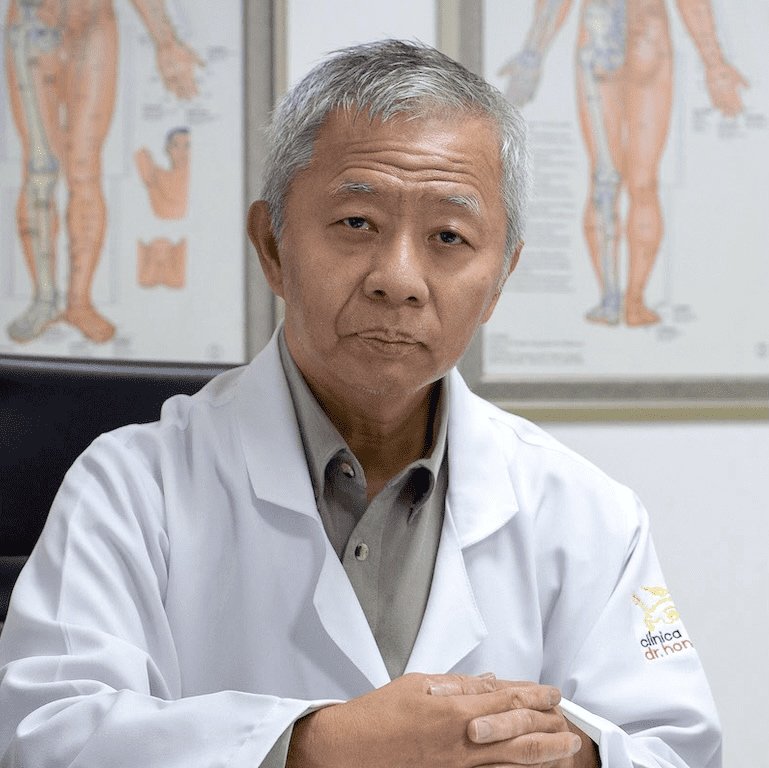
Expert Commentary
Prof. Dr. Hong Jin Pai
PhD in Sciences, University of São Paulo
▸ Clinical Relevance
Dementia affects tens of millions of people globally, and the available pharmacologic resources remain modest in terms of disease modification. In this context, scalp acupuncture has occupied a growing space in cognitive rehabilitation protocols, especially in services that integrate traditional Chinese medicine into neurogeriatric care. What Cao et al. offer is an anatomical and functional rationalization of stimulation points, replacing empirical heritage with coordinates derived from a meta-analysis of 142 neuroimaging studies and from hippocampal connectivity mapped with DTI. The two proposed protocols — with well-defined lines and points in the international coordinate system — are directly transferable to clinical practice, allowing the clinician to select targets that correspond both to the default mode network and to hippocampal regions functionally connected to the scalp. Populations such as older adults with mild cognitive impairment, patients in the early phase of Alzheimer's disease, or vascular dementia are natural candidates to benefit from this more precise approach.
▸ Notable Findings
The combination of three independent methodologies — neuroimaging meta-analysis, resting-state functional connectivity, and DTI — converging on the same cortical targets is the most robust aspect of the work. The identification of twelve surface regions associated with dementia, covering temporal, frontal, and parietal lobes, partially validates locations already established in classical Yamamoto and Zhu scalp acupuncture, while adding targets such as the precuneus and dorsolateral prefrontal cortex — central structures of the default mode network, notoriously vulnerable in Alzheimer's disease. Hippocampus-cortex connectivity reached significance at p < 0.001, lending solidity to the mapping. The proposal to alternate between Protocol A and Protocol B to prevent resistance to treatment dialogues with clinical observations of needle habituation in prolonged sessions and represents practical guidance of immediate utility.
▸ From My Experience
In my practice with neurogeriatric patients at the Pain Center of HC-FMUSP, I have observed that scalp acupuncture is rarely used in isolation — it is part of a program that includes cognitive stimulation, supervised physical activity, and, when indicated, pharmacologic support with cholinesterase inhibitors. The patient profile that responds best, in my experience, is the one in a mild to moderate phase, with good family adherence and without comorbidities that prevent frequent sessions. I usually see the first signs of response — improved verbal fluency, reduction in agitation, or gains in working memory tasks — between the fourth and sixth session, with protocols of twelve to sixteen sessions in the intensive phase followed by biweekly maintenance. The proposal by Cao et al. to map targets based on actual functional connectivity is something I have been awaiting in the literature for years; the protocols described are compatible with what we already practice, but they add scientific justification for including the precuneus and medial prefrontal regions that we intuitively already incorporated based on findings from other neuromodulation studies.
Full original article
Read the full scientific study
Journal of Clinical Medicine · 2020
DOI: 10.3390/jcm9082477
Access original articleScientific Review

Marcus Yu Bin Pai, MD, PhD
CRM-SP: 158074 | RQE: 65523 · 65524 · 655241
PhD in Health Sciences, University of São Paulo. Board-certified in Pain Medicine, Physical Medicine and Rehabilitation, and Medical Acupuncture. Scientific review and curation of every entry in this library.
Learn more about the author →Medical disclaimer: This content is for educational purposes only and does not replace consultation, diagnosis, or treatment by a qualified professional. Some information may be assisted by artificial intelligence and is subject to inaccuracies. Always consult a physician.
Content reviewed by the medical team at CEIMEC — Integrated Centre for Chinese Medicine Studies, a reference in Medical Acupuncture for over 30 years.
Related articles
Based on this article’s categories