Women's Experience of Living with Vulvodynia Pain: Why They Participated in a Randomized Controlled Trial of Acupuncture
Desloge et al. · Journal of Integrative and Complementary Medicine · 2023
Evidence Level
MODERATEOBJECTIVE
Explore the motivations of women who participated in a double-blind acupuncture trial for vulvodynia
WHO
50 women with vulvodynia, ages 20-52, predominantly white
DURATION
Interviews after 10 acupuncture sessions
POINTS
Not specified — focus on motivations for participating in the research
🔬 Study Design
Participants
n=50
Qualitative analysis of motivations after treatment
📊 Results in numbers
Desire to control untreated pain
Desire to contribute to science
Search for self-understanding
Need to remove cost barriers
Percentage highlights
📊 Outcome Comparison
Main motivations for participation
This study investigated why women with vulvodynia (chronic vulvar pain) decided to participate in acupuncture research. Most participated because they were desperate to find relief for their uncontrolled pain, while others wanted to contribute to science or better understand their condition.
Article summary
Plain-language narrative summary
Vulvodynia is a chronic vulvar pain condition that affects up to 7% of women, characterized by persistent pain for at least 3 months without a clearly identifiable cause. This condition often makes sexual intercourse extremely painful or impossible, significantly affecting quality of life and intimate relationships. Despite available treatments, many women report that therapeutic options are inconsistently effective, leaving them in a desperate search for relief. This qualitative study investigated the motivations of 50 women who participated in a double-blind randomized clinical trial of acupuncture for vulvodynia.
Participants were between 20 and 52 years old, were predominantly white, non-Hispanic, single, and had education above the high school level. After completing 10 acupuncture sessions, they answered the question of why they had decided to participate in the study. Conceptual content analysis revealed four main motivational patterns. The most prevalent pattern was the desire to address uncontrolled pain, reported by 78% of participants.
These women described their chronic pain as consuming their lives, leaving them desperate for relief. Many connected their uncontrolled pain to negative effects on intimacy with partners, mental health, and overall quality of life. As one participant put it, she was willing to do almost anything for her pain to improve, having tried multiple treatments without success. The second pattern, the desire to contribute to knowledge generation, was reported by 26% of the women.
These participants, from all educational levels, wanted to contribute to science and promote a greater understanding of vulvodynia and acupuncture as a potential treatment. They hoped that their participation would help find solutions to minimize the suffering of other women with vulvodynia. The third pattern was the desire for self-understanding, noted by 14% of participants. These women wanted to learn more about their own experience with vulvodynia and ways to manage their pain.
Some had never received an adequate diagnosis or were not aware that their pain was abnormal. The fourth pattern was the need to remove cost barriers, expressed by 10% of participants. These women, from various socioeconomic levels, were motivated to participate because they could not afford acupuncture on their own, since insurance did not cover this treatment. The findings reveal specific aspects of vulvodynia related to the acceptability of acupuncture.
The motivations align with several domains of Sekhon's Theoretical Framework of Acceptability, including affective attitudes, intervention coherence, perceived efficacy, and opportunity costs. These motivations may guide future studies of acupuncture for vulvodynia and the use of this therapy for other chronic pain conditions. The study highlights the urgent need for greater public awareness and education of healthcare professionals about the existence of vulvodynia, as well as the need to address financial barriers to acupuncture treatment through changes in health policy.
Strengths
- 1Well-structured qualitative design
- 2Sample diverse in age and socioeconomic characteristics
- 3Systematic analysis with clear identified patterns
- 4Valuable insights into treatment acceptability
Limitations
- 1Data collected after the intervention may have influenced responses
- 2Sample predominantly white and educated
- 3Limited to the geographic context of Chicago
- 4Did not assess whether motivations differed based on treatment success
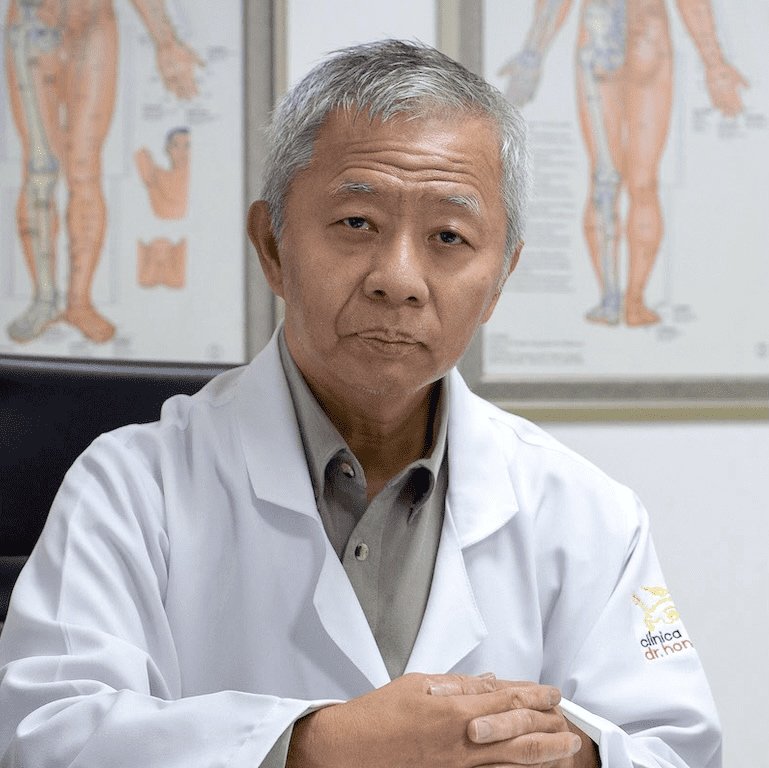
Expert Commentary
Prof. Dr. Hong Jin Pai
PhD in Sciences, University of São Paulo
▸ Clinical Relevance
Vulvodynia remains underestimated and undertreated in everyday gynecologic practice, affecting up to 7% of women with a devastating impact on sexuality, mental health, and quality of life. This qualitative work informs medical practice by showing that 78% of participants came to the trial motivated by failure of conventional treatments — a figure that exactly mirrors the profile of patients referred to our pain service. For the physician treating this population, acupuncture stops being a complementary curiosity and takes on a strategic place in the therapeutic algorithm: a structured option, with a defined session protocol, for patients who have exhausted or could not tolerate first-line interventions. The study also signals that cost barriers and insurance coverage are real obstacles that must be considered in care planning.
▸ Notable Findings
The most striking finding is not the isolated percentage for each motivation but the hierarchy that emerges among them. Uncontrolled pain as the primary driver for 78% of participants contrasts with only 10% driven by cost — suggesting that, when pain is sufficiently disabling, the willingness to engage with treatment overrides financial barriers and skepticism about integrative therapies. Equally relevant is the pattern of 14% who had never received an adequate diagnosis of vulvodynia, which points to a diagnostic deficit prior to enrollment. This has direct implications: the first contact with acupuncture may simultaneously be the first contact with a service that takes these women's pain seriously. The acceptability of the intervention, analyzed through Sekhon's framework, gives the work a useful theoretical lens for designing future studies and care programs.
▸ From My Experience
In my practice, vulvodynia reaches the pain clinic after a diagnostic ordeal that has often lasted years — and this completely shapes the therapeutic relationship from the first consultation. I have observed that these patients respond well to acupuncture when treatment is embedded in a multidisciplinary context that includes pelvic physical therapy and, depending on the case, psychotherapeutic support. I usually see the first analgesic responses between the third and fifth sessions, with stabilization of the picture around ten to twelve sessions — which matches the protocol used in the trial discussed here. The profile that responds best, in my experience, is the patient with high intrinsic motivation and willingness to engage in active self-care, exactly what this study captures in the motivations for self-understanding and contribution to science. When there is severe untreated comorbid depression, I usually delay or adjust the start of acupuncture, since the response tends to be less predictable without parallel psychiatric support.
Full original article
Read the full scientific study
Journal of Integrative and Complementary Medicine · 2023
DOI: 10.1089/jicm.2022.0647
Access original articleScientific Review

Marcus Yu Bin Pai, MD, PhD
CRM-SP: 158074 | RQE: 65523 · 65524 · 655241
PhD in Health Sciences, University of São Paulo. Board-certified in Pain Medicine, Physical Medicine and Rehabilitation, and Medical Acupuncture. Scientific review and curation of every entry in this library.
Learn more about the author →Medical disclaimer: This content is for educational purposes only and does not replace consultation, diagnosis, or treatment by a qualified professional. Some information may be assisted by artificial intelligence and is subject to inaccuracies. Always consult a physician.
Content reviewed by the medical team at CEIMEC — Integrated Centre for Chinese Medicine Studies, a reference in Medical Acupuncture for over 30 years.
Related articles
Based on this article’s categories