Acupuncture Treatment in Elderly People with Sarcopenia: Effects on the Strength and Inflammatory Mediators
Damasceno et al. · Journal of Aging Research · 2019
OBJECTIVE
To evaluate the effects of acupuncture on muscle strength and inflammatory markers in older adults with sarcopenia
WHO
53 sedentary older adults over 60 years (26 completed the study)
DURATION
24 acupuncture sessions over 8 weeks, 3x per week
POINTS
KI-3, SP-3, SP-6, GB-34, LR-8, ST-36, and TE-6 bilaterally for tonification
🔬 Study Design
G1 - Sarcopenic with acupuncture
n=11
24 acupuncture sessions
G2 - Sarcopenic without intervention
n=4
No intervention
G3 - Non-sarcopenic
n=12
Normal control
📊 Results in numbers
Difference in lean body mass
Improvement in grip strength
Reduction in IL-6 post-treatment
Reported subjective improvement
Percentage highlights
📊 Outcome Comparison
Lean body mass (kg)
This study investigated whether acupuncture could help older adults with sarcopenia (age-related muscle loss). Although it did not find statistically significant changes in muscle strength, all participants who received acupuncture reported improvement in quality of life and reduction of pain.
Article summary
Plain-language narrative summary
This Brazilian controlled clinical study investigated the effects of acupuncture in older adults with sarcopenia, a condition characterized by progressive loss of muscle mass and strength associated with aging. Sarcopenia significantly affects the quality of life of older adults, increasing the risk of falls, decreasing functional capacity, and elevating mortality. The study was initially conducted with 53 older adults, of whom 26 completed all evaluations. Participants were divided into three groups: sarcopenic patients treated with acupuncture (G1, n=11), sarcopenic patients without treatment (G2, n=4), and non-sarcopenic patients as control (G3, n=12).
The acupuncture protocol consisted of 24 sessions performed three times per week for 8 weeks, using specific tonification points: KI-3, SP-3, SP-6, GB-34, LR-8, ST-36, and TE-6, applied bilaterally. Each session lasted 20 minutes with sterile disposable needles. Evaluations included body composition by bioimpedance, hand grip strength, the Timed Up and Go (TUG) functional test, and analysis of inflammatory cytokines (IL-6, IL-10, and TNF-α). The results showed that there were no statistically significant differences between the group that received acupuncture and the control groups regarding the variables evaluated (muscle mass, muscle strength, functionality, and inflammatory markers).
Lean body mass remained stable in all groups, with no significant changes during the study period. Hand grip strength also did not show significant improvements, although the group treated with acupuncture presented more stable values compared to the control groups. As for inflammatory markers, all groups presented elevated levels of IL-6, associated with increased mortality in older adults. There was a significant reduction of IL-6 in all groups at the post-treatment time point, but without differences between groups.
TNF-α levels remained normal in all groups, while IL-10 showed a significant reduction in the sarcopenic control group. Despite the lack of statistical significance, the researchers observed important subjective reports from acupuncture group participants. Eight volunteers reported decrease in joint and muscle pain, two older adults who needed a cane or crutch were able to discontinue the use of these devices in the first ten sessions, six participants reported improvement in performance of daily activities, and all G1 members reported a sense of well-being with acupuncture, even 30 days after the end of treatment. The limitations of the study include the small sample size, especially in G2 with only 4 participants, all women, and significant sample loss during the study.
The authors suggest that sarcopenia, being a chronic condition established over the years, may require a longer intervention period to present effective results. The literature on resistance exercise for older adults with sarcopenia shows that significant results appear between 8 and 24 weeks of treatment, suggesting that the acupuncture protocol used may have been insufficient in duration. The researchers conclude that, although acupuncture did not produce statistically significant effects on the objective measures evaluated, the subjective benefits reported by participants are clinically relevant. They recommend future studies with larger samples and longer treatment periods, in addition to investigation of acupuncture as adjuvant therapy combined with physical exercise and nutritional intervention for the treatment of sarcopenia in older adults.
Strengths
- 1First study to evaluate acupuncture specifically for sarcopenia in older adults
- 2Well-grounded point protocol in traditional Chinese medicine
- 3Evaluation of multiple parameters including inflammatory markers
- 4Important subjective reports of improvement in quality of life
Limitations
- 1Very small sample size (especially G2 with 4 participants)
- 2High rate of sample loss during the study
- 3Treatment period possibly insufficient for chronic condition
- 4Absence of placebo group with sham acupuncture
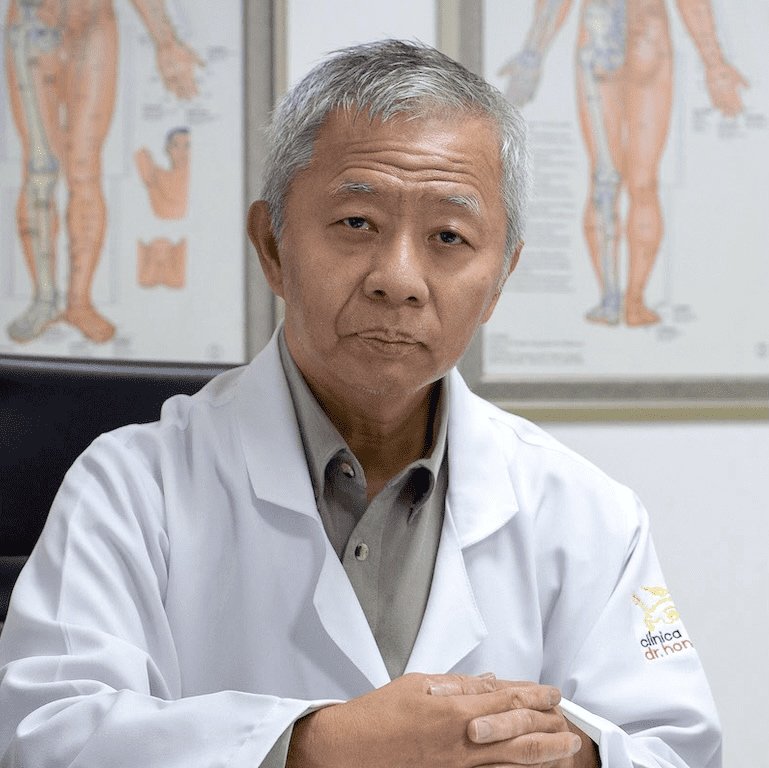
Expert Commentary
Prof. Dr. Hong Jin Pai
PhD in Sciences, University of São Paulo
▸ Clinical Relevance
Sarcopenia represents one of the most underestimated challenges of aging medicine: a condition with slow onset, late diagnosis, and a therapeutic arsenal still limited to resistance exercise and protein supplementation. Any intervention that demonstrates adjuvant potential in this scenario deserves careful clinical attention. This Brazilian study, pioneering in evaluating acupuncture specifically in sarcopenic older adults, offers data that informs practice in geriatric outpatient clinics and rehabilitation centers. The protocol of 24 sessions with tonification points of the Kidney, Spleen-Pancreas, Liver, Gallbladder, Stomach, and Triple Energizer reflects classical clinical reasoning consistent with the pathophysiology of sarcopenia viewed from the framework of Traditional Chinese Medicine — deficiency of renal Jing and Spleen Qi, both responsible for muscle nutrition. The stability of grip strength in the treated group, combined with reports of recovered functional independence, signals that acupuncture may have a legitimate role as a component of a multimodal program for this patient profile.
▸ Notable Findings
The data that most attracts attention is not in the primary analyses, but in the convergence between the significant reduction of IL-6 post-treatment and the functional reports from participants. Chronically elevated IL-6 is a consolidated marker of inflammaging and is directly associated with the progression of sarcopenia and increased mortality in this age group — any modulation of this axis has plausible biological relevance. Equally noteworthy is the fact that two participants were able to abandon assistive walking devices already in the first ten sessions: a concrete functional outcome, of high impact on the autonomy of the older adult and on the prevention of falls, even if not captured by the quantitative instruments of the study. The unanimous subjective improvement in G1, maintained thirty days after the end of treatment, suggests persistence of effect and not just acute perception related to therapeutic contact — a sign that deserves exploration in longer protocols.
▸ From My Experience
In my practice with older adult patients at the HC-FMUSP Pain Center, sarcopenia rarely arrives at the office with this diagnostic label — it presents as unexplained fatigue, diffuse pain, slow gait, or a history of repeated falls. I have been combining acupuncture with the supervised resistance exercise program in these cases, and the clinical observation over the years is that patients report analgesic improvement and willingness to exercise from the third or fourth session — which, paradoxically, facilitates adherence to the most effective component of the treatment. I usually work with cycles of 20 to 24 sessions in the active phase, similar to the protocol of this study, followed by monthly maintenance. The profile that responds best, in my experience, is the older adult with associated musculoskeletal pain and who already has some support network for regular physical activity. When the patient is absolutely sedentary with no prospect of behavioral change, acupuncture alone tends to offer only symptomatic comfort — valuable, but insufficient to reverse the trajectory of sarcopenia.
Full original article
Read the full scientific study
Journal of Aging Research · 2019
DOI: 10.1155/2019/8483576
Access original articleScientific Review

Marcus Yu Bin Pai, MD, PhD
CRM-SP: 158074 | RQE: 65523 · 65524 · 655241
PhD in Health Sciences, University of São Paulo. Board-certified in Pain Medicine, Physical Medicine and Rehabilitation, and Medical Acupuncture. Scientific review and curation of every entry in this library.
Learn more about the author →Medical disclaimer: This content is for educational purposes only and does not replace consultation, diagnosis, or treatment by a qualified professional. Some information may be assisted by artificial intelligence and is subject to inaccuracies. Always consult a physician.
Content reviewed by the medical team at CEIMEC — Integrated Centre for Chinese Medicine Studies, a reference in Medical Acupuncture for over 30 years.
Related articles
Based on this article’s categories