A new acupuncture method for management of irritable bowel syndrome: A randomized double-blind clinical trial
Rafiei et al. · Journal of Research in Medical Sciences · 2014
Evidence Level
MODERATEOBJECTIVE
Evaluate the effects of catgut-embedding acupuncture on the improvement of irritable bowel syndrome symptoms
WHO
60 patients with IBS (85% women), aged 19-61 years, per Rome III criteria
DURATION
2 weeks of treatment with 4 weeks of follow-up
POINTS
BL-17, BL-23, BL-25, GV-3, SP-9, SP-15, ST-25, ST-36, CV-12, CV-4, KI-15 (acupuncture group)
🔬 Study Design
Acupuncture (AP)
n=20
Catgut embedding at specific points + medication
Sham (SA)
n=20
Sham acupuncture at nonspecific points + medication
Medication (DO)
n=20
Mebeverine 135 mg only
📊 Results in numbers
Pain reduction
Improvement in depression
Mean weight loss
Improvement in constipation and bloating
📊 Outcome Comparison
Pain score (0-10)
This study tested a special acupuncture technique called 'catgut embedding' in people with irritable bowel syndrome. The results showed that this technique was more effective than medication alone for reducing pain, constipation, abdominal bloating, and even symptoms of depression.
Article summary
Plain-language narrative summary
Irritable bowel syndrome (IBS) is a functional gastrointestinal disorder that significantly affects patients' quality of life, manifesting as abdominal pain, altered bowel habits, constipation, diarrhea, and bloating. With costs estimated at $200 billion worldwide and low levels of satisfaction with conventional treatments, many patients seek complementary therapies such as acupuncture.
This Iranian study investigated an innovative technique called catgut-embedding acupuncture for the treatment of IBS. Catgut is a thread made from natural fibers from sheep or goat intestines that is implanted at acupuncture points, providing continuous stimulation for 7-14 days. This approach represents an evolution of traditional acupuncture, developed over the past three decades.
The investigators conducted a randomized, double-blind clinical trial with 60 patients diagnosed with IBS per the Rome III criteria. Participants, mostly women (85%) aged 19-61 years, were divided into three groups: the acupuncture group received catgut implants at specific points (BL-17, BL-23, BL-25, GV-3, SP-9, SP-15, ST-25, ST-36, CV-12, CV-4, KI-15) plus standard medication; the sham group received sham acupuncture at different points; and the control group received only medication (mebeverine 135 mg).
After two weeks of treatment, the results demonstrated significant superiority of catgut-embedding acupuncture. The acupuncture group showed statistically significant pain improvement (F=6.409, p=0.003) compared with the sham and medication-only groups. Specific symptoms such as constipation and abdominal bloating also improved significantly in the acupuncture group.
An interesting finding was the positive impact on the psychological aspects of IBS. Patients receiving catgut-embedding acupuncture had a significant reduction in depression scores (F=6.735, p=0.002), although the improvement in anxiety did not reach statistical significance. Additionally, a mean weight loss of 2 kg was observed in the acupuncture group, possibly related to the specific points selected.
These results contrast with previous Western studies that did not find significant benefits of acupuncture over placebo for IBS, but corroborate Chinese research demonstrating the superiority of acupuncture over drug treatment. The catgut-embedding technique may explain this difference, since it provides prolonged stimulation compared with traditional acupuncture.
The clinical implications are promising for patients with IBS refractory to conventional treatment. The technique offers a non-pharmacologic approach that may be especially valuable given the limited effects and possible adverse effects of traditional IBS medications.
Nonetheless, the study has important limitations. The small sample size (60 patients) limits generalizability of the results. The authors did not assess quality of life because of the lack of validated questionnaires in Persian. In addition, one case of local complication (lower-limb swelling) was reported, highlighting the need for experienced practitioners in this technique.
In conclusion, catgut-embedding acupuncture demonstrated significant benefits for the gastrointestinal and psychological symptoms of IBS, representing a promising therapeutic option. However, larger multicenter studies are needed to confirm these findings and establish standardized treatment protocols.
Strengths
- 1Rigorous double-blind design with appropriate sham group
- 2Innovative acupuncture technique with prolonged stimulation
- 3Comprehensive evaluation including psychological aspects
- 4Standardized diagnostic criteria (Rome III)
Limitations
- 1Small sample size (n=60)
- 2Absence of quality-of-life assessment
- 3Short follow-up period (4 weeks)
- 4Report of local complication in one patient
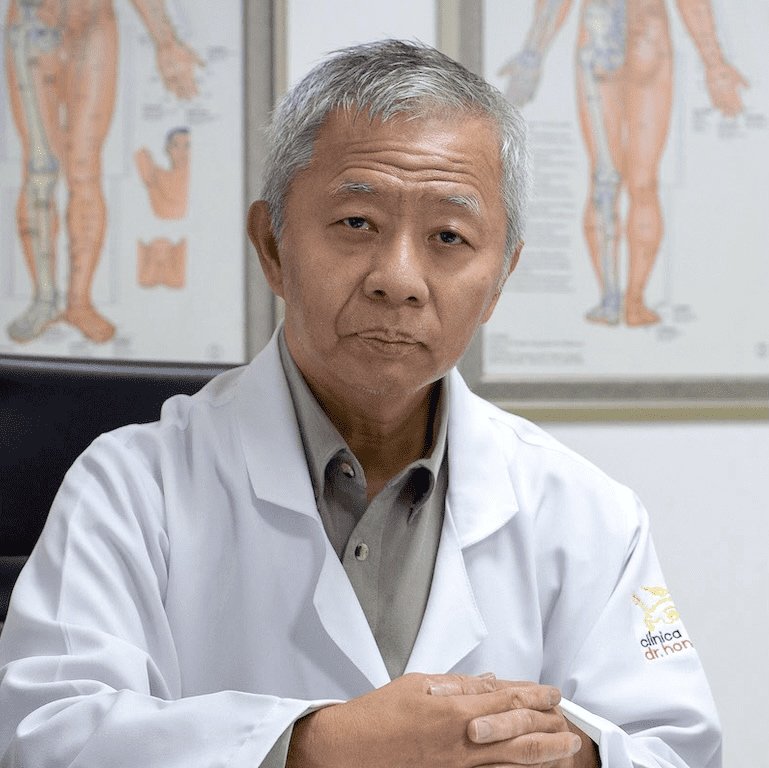
Expert Commentary
Prof. Dr. Hong Jin Pai
PhD in Sciences, University of São Paulo
▸ Clinical Relevance
Irritable bowel syndrome remains one of the greatest challenges in functional gastroenterology, precisely because the available drug arsenal offers partial relief for most patients and frequently brings adverse effects that compromise adherence. In this scenario, catgut embedding at acupuncture points represents an adjuvant therapeutic strategy with clear pathophysiologic rationale: prolonged, continuous stimulation of the acupuncture point for seven to fourteen days mimics the effect of multiple conventional sessions, reaching the gut-brain axis through autonomic and neuroendocrine pathways. The selected points — including ST-25, ST-36, SP-9, CV-4, and CV-12 — form a prescription consistent with the classic clinical patterns of intestinal regulation and Spleen-Pancreas tonification. For the clinician treating patients with refractory IBS, especially young women with overlapping functional symptoms and a depressive component, this protocol opens a concrete therapeutic window, complementary to ongoing drug treatment.
▸ Notable Findings
The simultaneous reduction of abdominal pain, constipation, and distention, with statistical significance versus the sham group and the medication-only group, would already be sufficient to justify attention to the protocol. What is truly striking, however, is the improvement in depression scores with p=0.002 — a result that reinforces the technique's action on the gut-brain axis and not merely on intestinal smooth muscle. IBS is recognized as a condition with high psychiatric comorbidity, and a treatment that simultaneously addresses the somatic substrate and the affective component has differentiated clinical value. The mean 2-kg weight loss in the acupuncture group also deserves attention: although the mechanism is not fully elucidated, it raises the hypothesis of broader neuroendocrine modulation, possibly mediated by ST-36 and SP-15, which historically form part of metabolic regulation protocols in Chinese medicine.
▸ From My Experience
In my practice with functional gastrointestinal patients, conventional acupuncture has already demonstrated consistent results, although the speed of response varies: I usually observe noticeable improvement in intestinal symptoms from the third or fourth session, with stabilization between the eighth and twelfth session in weekly protocols. The catgut rationale — continuous stimulation over days — is particularly attractive for patients with low adherence to frequent sessions or those living far from the service. I have combined acupuncture with low-FODMAP dietary guidance and, when an evident anxiety-depression component is present, referral for structured psychological support. The profile that responds best, in my experience, is the patient with predominant constipation, distention, and a self-recognized emotional component. Cases with predominant diarrhea and no clear stress pattern respond more variably. The complication reported in the article — local swelling — is expected in inexperienced hands using the embedding technique, which is why we reserve this procedure for physicians with specific training in surgical acupuncture.
Indexed scientific article
This study is indexed in an international scientific database. Check your institutional access to obtain the full article.
Scientific Review

Marcus Yu Bin Pai, MD, PhD
CRM-SP: 158074 | RQE: 65523 · 65524 · 655241
PhD in Health Sciences, University of São Paulo. Board-certified in Pain Medicine, Physical Medicine and Rehabilitation, and Medical Acupuncture. Scientific review and curation of every entry in this library.
Learn more about the author →Medical disclaimer: This content is for educational purposes only and does not replace consultation, diagnosis, or treatment by a qualified professional. Some information may be assisted by artificial intelligence and is subject to inaccuracies. Always consult a physician.
Content reviewed by the medical team at CEIMEC — Integrated Centre for Chinese Medicine Studies, a reference in Medical Acupuncture for over 30 years.
Related articles
Based on this article’s categories