Use of electroacupuncture and transcutaneous electrical acupoint stimulation in reproductive medicine: a group consensus
Qu et al. · Journal of Zhejiang University-SCIENCE B (Biomedicine & Biotechnology) · 2017
Evidence Level
MODERATEOBJECTIVE
Develop guidelines for the use of electroacupuncture (EA) and transcutaneous electrical acupoint stimulation (TEAS) in the treatment of reproductive disorders
WHO
20 specialists in acupuncture and reproductive medicine using the Delphi methodology
DURATION
9 weeks to reach consensus among specialists
POINTS
Guanyuan (CV-4), Sanyinjiao (SP-6), Zusanli (ST-36), Shenshu (BL-23), Zigong (EX-CA1)
🔬 Study Design
Specialists
n=20
Delphi methodology for consensus
📊 Results in numbers
Optimal frequency for EA/TEAS
Recommended duration per session
Intensity for EA
Intensity for TEAS
Increase in pregnancy rate after embryo transfer
Percentage highlights
📊 Outcome Comparison
Effectiveness by condition
This expert consensus shows that acupuncture with electrical stimulation (electroacupuncture) is a safe and effective technique for improving fertility. The specialists agreed on the best treatment parameters for different reproductive conditions, offering a non-invasive option that can increase pregnancy chances and reduce pain during assisted reproduction procedures.
Article summary
Plain-language narrative summary
Infertility affects about 10 to 15% of couples worldwide and is considered by the World Health Organization as one of the three major diseases. Although assisted reproduction technologies have evolved significantly, pregnancy rates still leave much to be desired in many cases. In this context, traditional treatments such as acupuncture, especially its modern versions with electrical stimulation, have gained prominence as complementary therapeutic options for reproductive problems. This ancient Chinese technique has been used for thousands of years in the treatment of gynecological disorders, and today its modern applications include electroacupuncture and transcutaneous electrical acupoint stimulation, known by the acronym TEAS.
A group of 20 renowned specialists in reproductive medicine and neuroscience developed a comprehensive scientific consensus on the use of these techniques in the field of human reproduction. The study, which took nine weeks to complete using rigorous consensus methods, aimed to establish practical guidelines for physicians and therapists who use electroacupuncture and TEAS in the treatment of reproductive disorders. The researchers analyzed scientific evidence from animal and human studies to determine the optimal parameters of electrical stimulation, such as frequency, intensity, and treatment duration. The work also examined how to select the most appropriate acupuncture points based both on traditional Chinese medicine principles and on modern scientific evidence regarding the neurobiological mechanisms involved.
The findings revealed that these treatments act mainly through modulation of the peripheral nervous system, activating nerve endings that send signals to the spinal cord and brain, stimulating the release of specific chemical mediators such as endorphins and other neurotransmitters. For acute pain, such as during oocyte retrieval in in vitro fertilization procedures, the treatment proved effective with low frequencies of 2 Hz, promoting the release of enkephalin, while high frequencies of 100 Hz activate dynorphins in the spinal cord. The optimal time for each session was set at 30 minutes, the period needed for the analgesic effect to manifest fully. In polycystic ovary syndrome, one of the main causes of female infertility, treatment with electroacupuncture at low frequencies for periods of 1 to 6 months showed benefits in regulating menstrual cycles and reducing elevated hormone levels.
To improve the chances of embryo implantation after embryo transfer, two TEAS sessions, one 24 hours before and another 30 minutes after the procedure, increased pregnancy rates by up to 20%.
For patients and health professionals, these findings represent a valuable opportunity to integrate safe and effective complementary treatments into conventional assisted reproduction protocols. TEAS, in particular, offers significant advantages by being non-invasive, painless, and easy to apply, using adhesive electrodes on the skin instead of needles. The treatment can benefit women with diminished ovarian reserve, helping to improve ovarian function and oocyte quality. For men with sperm motility and concentration problems, the treatment showed significant improvements in seminal quality.
During medical procedures such as oocyte retrieval, electroacupuncture offers a natural alternative for pain control, reducing the need for analgesic medications and their possible side effects.
It is important to recognize that this study represents a consensus based on a review of available evidence, but limitations remain to be considered. Many of the analyzed studies involved relatively small samples of patients, and the exact biological mechanisms by which these techniques work are not yet fully understood. Individual response can vary significantly between patients, and factors such as age, specific cause of infertility, and overall health status can influence outcomes. In addition, although the techniques are considered safe, it is essential that they be applied by adequately trained professionals and in conjunction with specialized medical follow-up.
The consensus represents an important advance in the integration of traditional Chinese medicine with modern reproductive medicine, offering couples facing fertility problems a more comprehensive and personalized approach to treatment. Future research with larger samples and more robust study designs will be necessary to confirm and expand these promising findings.
Strengths
- 1Consensus among 20 specialists from different institutions
- 2Specific guidelines for different reproductive conditions
- 3Detailed technical parameters for clinical application
- 4Combination of traditional Chinese medicine theory with modern evidence
- 5Non-invasive and safe technique
Limitations
- 1Not a randomized clinical trial
- 2Mechanisms of action not yet fully understood
- 3Need for more studies to validate some parameters
- 4Individual variability in treatment response
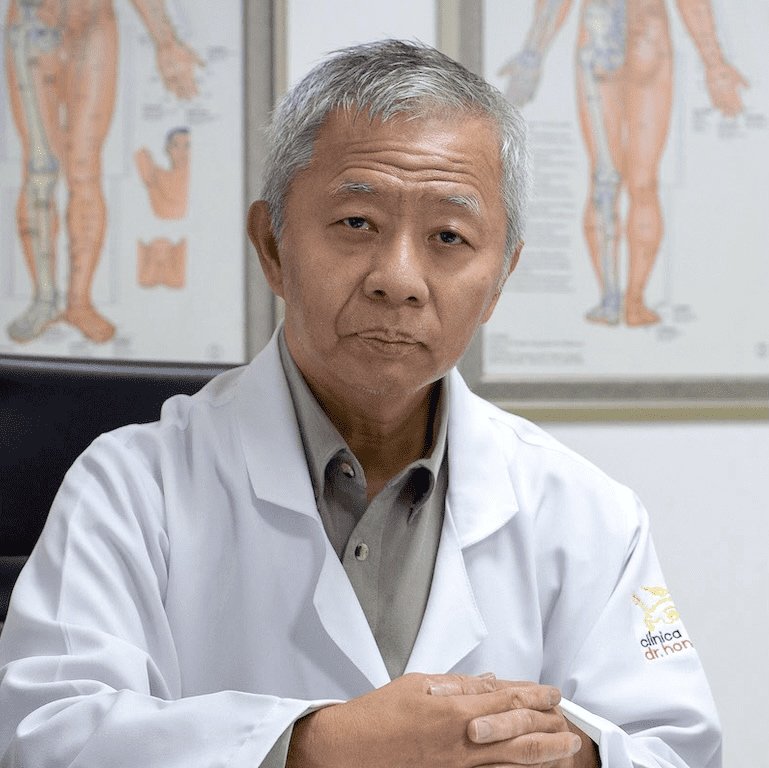
Expert Commentary
Prof. Dr. Hong Jin Pai
PhD in Sciences, University of São Paulo
▸ Clinical Relevance
Infertility affects 10 to 15% of couples of reproductive age, and the success rates of assisted reproduction technologies remain below desired in a significant proportion of cases. This Delphi consensus with 20 specialists in reproductive medicine and neuroscience fills a practical gap by establishing operational technical parameters for electroacupuncture and TEAS in three distinct scenarios: analgesia during oocyte retrieval, management of polycystic ovary syndrome, and improvement of embryo implantation rates. The possibility of a 13 to 20% increase in pregnancy rates after embryo transfer, with a protocol of only two TEAS sessions — one 24 hours before and another 30 minutes after the procedure — is clinically relevant and easily incorporated into the workflows already established in human reproduction clinics. Populations with diminished ovarian reserve and male factor infertility are also among those who can benefit from this approach.
▸ Notable Findings
The systematization of stimulation parameters is the practical finding of greatest weight in this consensus. The frequency-dependent distinction of mediators released is neurologically elegant: 2 Hz favors the release of enkephalins — suitable for analgesia in acute procedures such as follicular puncture — while 100 Hz recruits spinal dynorphins, with a distinct pharmacodynamic profile. The 2 to 100 Hz range for EA and the intensity of 0.5 to 5.0 mA delimit a safe and reproducible therapeutic space. For TEAS, the range of 5 to 30 mA with a duration of 30 minutes per session gives the non-invasive method a prescriptive rigor equivalent to that of conventional EA. In the context of PCOS, the consolidated data indicate benefit for menstrual regularization and hyperandrogenemia with treatments of 1 to 6 months at low frequencies — data that converge with the well-documented mechanisms of ovarian sympathetic modulation in the reproductive neuroscience literature.
▸ From My Experience
In my practice, the integration of acupuncture into assisted reproduction protocols still encounters resistance from some reproductive endocrinology colleagues, resistance that tends to yield when we present precise technical parameters such as those of this consensus. I have been advising physicians who work in fertility clinics to use TEAS precisely because of the absence of needles — which simplifies the logistics within the surgical center during oocyte retrieval and facilitates patient adherence. In terms of clinical response, in the patients with PCOS I follow, I usually observe cycle regularization after 6 to 8 weeks of weekly treatment with low-frequency EA, which is consistent with the data consolidated in this document. For the periembryonic window, the two-session protocol is feasible and well tolerated. The patient profile that responds best, in my experience, is the young woman with normogonadotropic PCOS, without predominant tubal factor. I routinely combine physical activity counseling and stress management, which potentiate the neuroendocrine effects of electroacupuncture.
Full original article
Read the full scientific study
Journal of Zhejiang University-SCIENCE B (Biomedicine & Biotechnology) · 2017
DOI: 10.1631/jzus.B1600437
Access original articleScientific Review

Marcus Yu Bin Pai, MD, PhD
CRM-SP: 158074 | RQE: 65523 · 65524 · 655241
PhD in Health Sciences, University of São Paulo. Board-certified in Pain Medicine, Physical Medicine and Rehabilitation, and Medical Acupuncture. Scientific review and curation of every entry in this library.
Learn more about the author →Medical disclaimer: This content is for educational purposes only and does not replace consultation, diagnosis, or treatment by a qualified professional. Some information may be assisted by artificial intelligence and is subject to inaccuracies. Always consult a physician.
Content reviewed by the medical team at CEIMEC — Integrated Centre for Chinese Medicine Studies, a reference in Medical Acupuncture for over 30 years.
Related articles
Based on this article’s categories