Moxibustion for the Treatment of Cancer and its Complications: Efficacies and Mechanisms
Lu et al. · Integrative Cancer Therapies · 2023
Evidence Level
MODERATEOBJECTIVE
Examine clinical efficacies and mechanisms of moxibustion in the treatment of cancer and its complications
WHO
Patients with various types of cancer at different stages of treatment
DURATION
Analysis of studies through October 2021
POINTS
Zusanli (ST-36) was the most used point in clinical studies
🔬 Study Design
Clinical Studies
n=19
Various types of moxibustion applied at specific points
Experimental Studies
n=20
Animal models testing antitumor mechanisms
📊 Results in numbers
Reduction of chemotherapy-induced nausea and vomiting
Improvement in bone marrow suppression
Reduction of cancer-related fatigue
Cancer pain control
📊 Outcome Comparison
Quality of life (EORTC QLQ-C30)
Antiemetic Efficacy
This study shows that moxibustion can be a very useful therapy for people undergoing cancer treatment. It helps reduce side effects of chemotherapy such as nausea and vomiting, improves fatigue, and may even help with cancer pain control. Moxibustion is safe and can be used alongside other treatments.
Article summary
Plain-language narrative summary
This comprehensive review analyzes 39 studies on the application of moxibustion in the treatment of cancer and its complications, revealing promising evidence about its clinical benefits and mechanisms of action. Moxibustion, a traditional external therapy of Traditional Chinese Medicine that uses heat generated by the combustion of mugwort at specific acupuncture points, demonstrated significant efficacy in managing various complications related to cancer and oncological treatment. The clinical studies reviewed show that moxibustion can substantially improve the side effects of chemotherapy and radiotherapy. Regarding gastrointestinal symptoms, multiple studies demonstrated that moxibustion effectively reduces chemotherapy-induced nausea and vomiting, with efficacy rate increasing from 77% to 90% when combined with conventional antiemetics.
The Zusanli point (ST-36) was the most frequently used in clinical protocols, followed by points such as Zhongwan (CV-12) and Shenque (CV-8). For chemotherapy-induced myelosuppression, moxibustion showed the ability to increase leukocyte and platelet counts, offering an alternative or complement to granulocyte colony-stimulating factor. Cancer-related fatigue, a debilitating symptom that significantly affects patients' quality of life, responded positively to moxibustion intervention, with reduction in Brief Fatigue Inventory scores in several studies. Particularly interesting was the use of infrared laser moxibustion, which maintains therapeutic benefits while avoiding disadvantages such as smoke and difficulties in dosage control.
In the treatment of cancer pain, moxibustion demonstrated significant reduction in total Brief Pain Inventory scores, including both pain intensity and pain interference with daily life. For breast cancer-related lymphedema, a serious complication with a cumulative incidence of 41% at 10 years, electronic moxibustion at points such as Binao (SI-14) showed improvements in arm symptoms and quality of life. Animal model studies revealed fascinating mechanisms by which moxibustion exerts antitumor effects. The therapy demonstrated the ability to improve the tumor immune microenvironment, increasing infiltration of cytotoxic CD8+ T cells, helper CD4+ T cells, and natural killer cells, while reducing immunosuppressive regulatory T cells.
In addition, moxibustion promotes tumor vascular normalization, reducing vascular endothelial growth factor (VEGF) expression and improving tumor oxygenation. The mechanism of action involves both thermal effects and infrared radiation produced during combustion. The local heat (42-46°C) activates Langerhans cells at the acupuncture points, initiating immunological cascades that propagate systemically. Thermal stimulation also activates TRPV1 receptors, transmitting signals through neural pathways to the hypothalamus and modulating the hypothalamic-pituitary-adrenal axis.
Clinically, this translates into significant improvement in patients' quality of life, measured through validated instruments such as EORTC QLQ-C30 and Karnofsky performance scales. Patients reported reduction in symptoms such as fatigue, nausea, vomiting, anorexia, and diarrhea. However, this review also identifies important limitations in the current literature. Many studies have relatively small samples, and there is a need for more high-quality randomized clinical trials with standardized methodologies.
The selection of acupuncture points, intervention time, and treatment duration vary considerably between studies, making protocol standardization difficult. Despite these limitations, the compiled evidence provides a solid scientific basis for the clinical application of moxibustion in integrative oncology. The therapy offers a safe, non-invasive, and well-tolerated approach that can be easily integrated into conventional oncological treatment protocols, providing significant symptomatic relief and potentially improving clinical outcomes through its immunomodulatory and antitumor effects.
Strengths
- 1Comprehensive review including both clinical and experimental studies
- 2Detailed analysis of the mechanisms of action of moxibustion
- 3Consistent evidence of clinical benefits in multiple oncological complications
- 4Clear identification of Zusanli (ST-36) as the most effective point
- 5Demonstration of specific immunomodulatory mechanisms
Limitations
- 1Heterogeneity in moxibustion protocols between studies
- 2Small sample sizes in many clinical studies
- 3Lack of standardization in point selection and treatment duration
- 4Need for more high-quality randomized clinical trials
- 5Search limited to October 2021
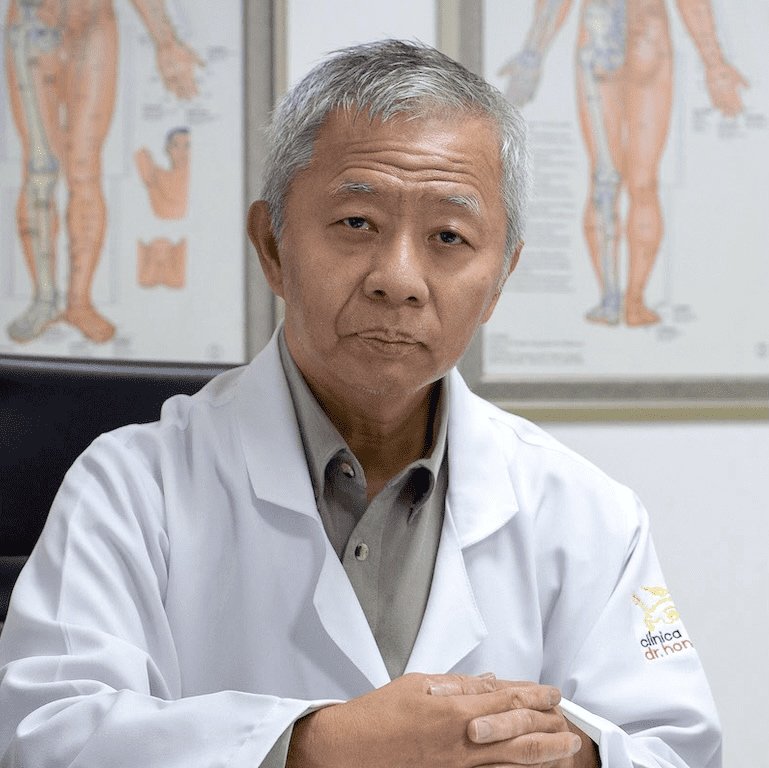
Expert Commentary
Prof. Dr. Hong Jin Pai
PhD in Sciences, University of São Paulo
▸ Clinical Relevance
The review by Lu et al. consolidates a body of evidence that legitimizes moxibustion as a concrete adjunctive tool in integrated oncological management. The most immediately transferable applications to practice are the control of chemotherapy-induced nausea and vomiting, where combination with conventional antiemetics raised efficacy rates from 77% to 90%, and hematological support in myelosuppression, with recovery of leukocytes and platelets — situations in which the clinician frequently faces a costly pharmacological arsenal with limited adherence. The management of cancer-related fatigue, chronically undervalued and poorly responsive to pharmacological interventions, and pain control with objective reduction in the BPI expand the clinical scope of the technique. Post-mastectomy lymphedema, with a cumulative incidence of 41% at ten years, represents another front where electronic moxibustion emerges as a safe and well-tolerated option, especially in patients who reject or do not have access to specialized lymphatic drainage.
▸ Notable Findings
The convergence between clinical and experimental data in this review is what distinguishes it. On the mechanistic side, the demonstration that moxibustion alters the tumor immune microenvironment — increasing infiltration of cytotoxic CD8+ T lymphocytes, helper CD4+ T cells, and natural killer cells, while reducing immunosuppressive regulatory T cells — provides biological substrate for the observed clinical responses and positions the technique within the contemporary reasoning of immuno-oncology. Vascular normalization via VEGF reduction, with consequent improvement in tumor oxygenation, is a relevant finding because it can potentiate the very efficacy of chemotherapy and radiotherapy. On the peripheral mechanistic level, the activation of TRPV1 receptors and Langerhans cells at the application point, with systemic propagation via the hypothalamic-pituitary-adrenal axis, offers a coherent neuroimmunological model that brings classical medicine closer to the modern framework.
▸ From My Experience
In my practice at the Pain Center of HC-FMUSP, I typically incorporate moxibustion into the protocol of oncological patients primarily at two moments: during chemotherapy cycles with high emetogenic potential and in the phases of hematological recovery post-chemotherapy. I have observed that the antiemetic response generally manifests within the first two to three sessions, which is clinically valuable given the short cycle between infusions. For fatigue and pain, the response tends to be more gradual, perceived between the fifth and eighth session. Zusanli (ST-36) is the cornerstone point of our base protocol, frequently combined with Sanyinjiao (SP-6) and Neiguan (PC-6) for the gastrointestinal component. I typically combine it with needle acupuncture and, when possible, with a supervised physical exercise program, as the synergy seems to shorten the time to functional response. The profile that responds best, in my experience, is the patient in good general functional status, Karnofsky above 60, without severe neutropenia that would contraindicate any procedure. Infrared laser moxibustion has been a useful alternative in clinics with ventilation restrictions.
Full original article
Read the full scientific study
Integrative Cancer Therapies · 2023
DOI: 10.1177/15347354231198089
Access original articleScientific Review

Marcus Yu Bin Pai, MD, PhD
CRM-SP: 158074 | RQE: 65523 · 65524 · 655241
PhD in Health Sciences, University of São Paulo. Board-certified in Pain Medicine, Physical Medicine and Rehabilitation, and Medical Acupuncture. Scientific review and curation of every entry in this library.
Learn more about the author →Medical disclaimer: This content is for educational purposes only and does not replace consultation, diagnosis, or treatment by a qualified professional. Some information may be assisted by artificial intelligence and is subject to inaccuracies. Always consult a physician.
Content reviewed by the medical team at CEIMEC — Integrated Centre for Chinese Medicine Studies, a reference in Medical Acupuncture for over 30 years.
Related articles
Based on this article’s categories