Neuroendocrinological effects of acupuncture treatment in patients with irritable bowel syndrome
Schneider et al. · Complementary Therapies in Medicine · 2007
Evidence Level
MODERATEOBJECTIVE
To investigate the specific effects of acupuncture on the autonomic nervous system and neuroendocrine function in patients with irritable bowel syndrome
WHO
43 patients with irritable bowel syndrome (Rome II criteria); 21 with complete data
DURATION
10 acupuncture sessions over 5 weeks
POINTS
15 standardized points: LR-3, ST-36, SP-6, CV-12, ST-21, ST-25, HT-7, GV-20
🔬 Study Design
True acupuncture
n=19
Traditional acupuncture at 15 specific points
Sham acupuncture
n=15
Telescopic non-penetrating needle (Streitberger needle)
📊 Results in numbers
Reduction in salivary cortisol
Cardiac response to orthostatic stress
Improvement in quality of life
Parasympathetic activation
Percentage highlights
📊 Outcome Comparison
Reduction in morning salivary cortisol
Improvement in quality of life
This study showed that true acupuncture produces specific effects on the nervous system and on hormones that differ from a placebo effect. Although both treatments improved symptoms, only real acupuncture activated the parasympathetic system and significantly lowered cortisol, suggesting unique mechanisms of action.
Article summary
Plain-language narrative summary
This study investigated the specific neuroendocrine effects of acupuncture in patients with irritable bowel syndrome (IBS), a functional gastrointestinal disorder that markedly affects quality of life. Earlier work had shown that both true and placebo acupuncture improved IBS symptoms, raising questions about the specific mechanisms of acupuncture. The investigators conducted a randomized, placebo-controlled clinical trial in 43 patients diagnosed with IBS by Rome II criteria. Participants were randomly assigned to two groups: one received traditional acupuncture at 15 specific points (LR-3, ST-36, SP-6, CV-12, ST-21, ST-25, HT-7, GV-20), while the other received sham acupuncture using the Streitberger needle, which simulates the procedure without penetrating the skin.
Treatment consisted of 10 sessions delivered twice weekly over five weeks. To evaluate effects on the autonomic and neuroendocrine systems, the investigators used multiple objective measures. Salivary cortisol was collected at four time points (7 a.m., 12 p.m., 5 p.m., and 10 p.m.) before and after treatment to assess hypothalamic-pituitary-adrenal (HPA) axis function. Autonomic function was evaluated with tilt-table testing, including heart rate and blood pressure measurements at rest and during orthostatic stress.
Quality of life was assessed with validated questionnaires (FDDQL and SF-36). Results showed important between-group differences despite both arms demonstrating clinical improvement. Both groups had significant improvement in quality of life (p = 0.001) with no statistical difference between them, confirming earlier observations of the strong placebo effect of acupuncture. However, deeper analyses revealed physiologic effects specific to true acupuncture.
Salivary cortisol decreased in both groups, but the reduction was significantly greater in the true acupuncture group (p = 0.033), suggesting specific modulation of the stress axis. The effect on the autonomic nervous system was even more striking. During orthostatic stress testing, the true acupuncture group showed a blunted cardiac response, indicating increased parasympathetic tone, whereas the sham group maintained or increased their stress response (p = 0.005). This specific parasympathetic modulation correlated positively with pain improvement in the true acupuncture group (p = 0.006) but not in the placebo group.
The clinical implications are significant. IBS frequently involves HPA axis dysregulation and autonomic dysfunction, with sympathetic overactivity and elevated cortisol. The fact that real acupuncture produced specific changes in these systems suggests unique mechanisms of action distinct from placebo. Increased parasympathetic tone may contribute to regulation of intestinal motility and reduction of visceral hypersensitivity, both central to IBS pathophysiology.
The more pronounced cortisol reduction in the true acupuncture group indicates specific modulation of the stress response, which may explain part of the observed therapeutic benefit. The study has important limitations. The sample size was relatively small for subgroup analyses, particularly because only 21 patients had complete data for all measures. Some patients were excluded because of medications that could interfere with autonomic measures, limiting generalizability.
In addition, the wide individual variability in autonomic measures may affect the validity of conclusions in small samples. Despite these limitations, this is the first randomized controlled trial to demonstrate specific autonomic effects of acupuncture in patients with IBS. The findings suggest that, although placebo effects are powerful and clinically relevant, true acupuncture operates through specific physiologic mechanisms that may complement or potentiate the nonspecific effects of treatment.
Strengths
- 1First RCT to evaluate specific neuroendocrine effects of acupuncture in IBS
- 2Use of objective measures (salivary cortisol, autonomic testing)
- 3Adequate placebo control with the Streitberger needle
- 4Analysis across multiple physiologic systems
Limitations
- 1Small sample for subgroup analyses (n = 21 with complete data)
- 2Exclusion of patients on medications affecting the autonomic nervous system
- 3Wide individual variability in autonomic measures
- 4Short follow-up to evaluate durable effects
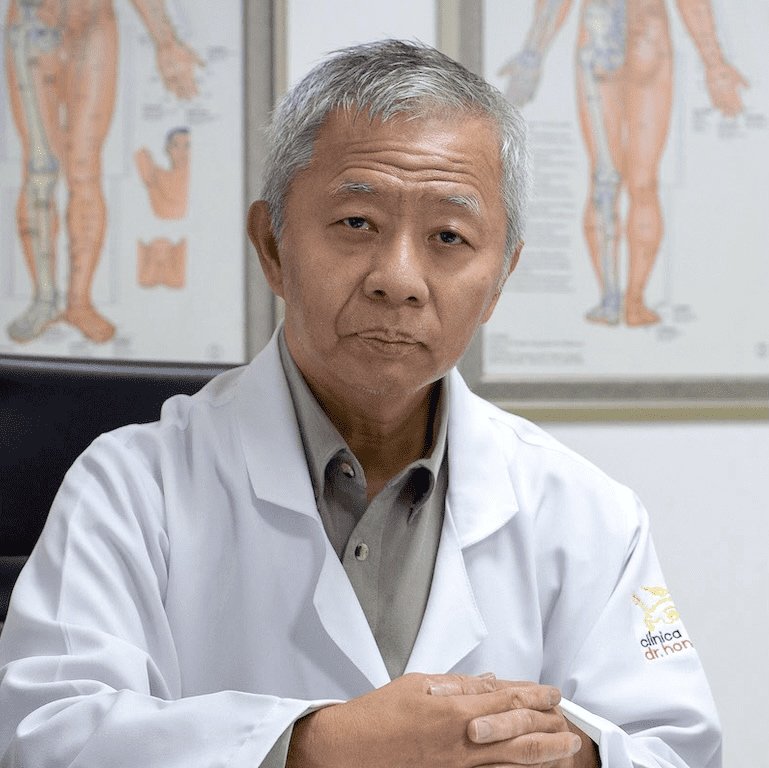
Expert Commentary
Prof. Dr. Hong Jin Pai
PhD in Sciences, University of São Paulo
▸ Clinical Relevance
Irritable bowel syndrome is one of the greatest challenges in the integrative medicine clinic: patients with years of suffering, a limited pharmacologic armamentarium, and a strong component of autonomic dysregulation that is rarely addressed systematically. This work by Schneider and colleagues provides clinicians with a concrete physiologic rationale for incorporating acupuncture into the IBS treatment plan, especially in profiles with chronic hypercortisolism and overt sympathetic hypertonia — the patient with an unstable bowel that worsens during stressful periods, with postural tachycardia, insomnia, and associated anxiety. The demonstration that true acupuncture lowers salivary cortisol more than sham and induces selective parasympathetic activation gives the clinician objective arguments for the indication, integrating acupuncture into multimodal IBS care alongside the behavioral and dietary strategies already established.
▸ Notable Findings
The most robust finding of this study is the dissociation between subjective clinical improvement and objective physiologic response: both groups improved quality of life with p = 0.001, but only true acupuncture produced a significant reduction in salivary cortisol and measurable autonomic modulation. The blunted cardiac response to orthostatic stress in the active group — with p = 0.005 — points to a real increase in parasympathetic tone, and the positive correlation of this modulation with pain improvement (p = 0.006) exclusively in the true acupuncture group is particularly revealing. This correlation suggests that visceral analgesia mediated by acupuncture in IBS is, at least in part, driven by reorganization of sympathovagal balance, not solely by contextual effects or therapeutic expectation. This repositions the autonomic axis as a legitimate, measurable therapeutic target in clinical practice.
▸ From My Experience
In my practice with IBS patients at the HC-FMUSP Pain Center, I usually observe an initial symptomatic response — reduction in urgency and abdominal pain — between the third and fifth session, consistent with the 10-session, 5-week protocol used in this study. The protocol with points such as ST-36, SP-6, LR-3, and CV-12 is close to what we use routinely, and I have seen more durable responses when we add maintenance auriculotherapy after the initial cycle. The patient profile that responds best, in my experience, is exactly what the findings here suggest: someone with diarrhea-predominant IBS, a high level of perceived stress, and clinical signs of sympathetic hypertonia. Patients with severe constipation-predominant IBS or with uncontrolled psychiatric comorbidities tend to have slower and less predictable responses. I systematically pair acupuncture with stress-regulation techniques and, when appropriate, short-term antispasmodics — the combination potentiates and sustains the autonomic gains that this study quantified so elegantly.
Full original article
Read the full scientific study
Complementary Therapies in Medicine · 2007
DOI: 10.1016/j.ctim.2006.12.002
Access original articleScientific Review

Marcus Yu Bin Pai, MD, PhD
CRM-SP: 158074 | RQE: 65523 · 65524 · 655241
PhD in Health Sciences, University of São Paulo. Board-certified in Pain Medicine, Physical Medicine and Rehabilitation, and Medical Acupuncture. Scientific review and curation of every entry in this library.
Learn more about the author →Medical disclaimer: This content is for educational purposes only and does not replace consultation, diagnosis, or treatment by a qualified professional. Some information may be assisted by artificial intelligence and is subject to inaccuracies. Always consult a physician.
Content reviewed by the medical team at CEIMEC — Integrated Centre for Chinese Medicine Studies, a reference in Medical Acupuncture for over 30 years.
Related articles
Based on this article’s categories