Acupuncture in cancer care: recommendations for safe practice (peer-reviewed expert opinion)
de Valois et al. · Supportive Care in Cancer · 2024
Evidence Level
STRONGOBJECTIVE
To develop the first international recommendations for the safe practice of acupuncture in integrative oncology
WHO
Panel of 15 international experts in integrative oncology
DURATION
Development process during 2022-2023
POINTS
General guidelines applicable to any acupuncture modality
🔬 Study Design
Core team
n=3
Development of the guidelines
Invited experts
n=12
Peer review and validation
📊 Results in numbers
First international guideline
Time since last update
Multidisciplinary consensus
Geographic representation
Percentage highlights
📊 Outcome Comparison
Comparative safety
This document represents the first international guidelines for the safe use of acupuncture in people with cancer. Developed by experts from around the world, these recommendations ensure that acupuncture can be offered safely at any stage of cancer treatment, providing symptom relief with minimal risks.
Article summary
Plain-language narrative summary
Acupuncture has become established as a valuable intervention in the multidisciplinary care of people living with cancer, offering relief for various side effects of cancer treatments. This landmark document represents the first international update of safety guidelines for acupuncture in oncology in 17 years, since the pioneering guidance by Filshie and Hester in 2006. The development of these recommendations arose from the urgent need for updated guidance, given the emergence of new cancer treatments such as immunotherapy and targeted therapies, in addition to the growing number of cancer survivors living with late effects of the disease. During 2022 and 2023, an international panel of 15 experts, including senior acupuncturists, oncologists, physicians, and nurses trained in integrative oncology, researchers, and representatives of professional bodies, collaborated in developing these guidelines.
The core team, composed of three integrative oncology professionals, extensively updated the preexisting unpublished recommendations, which were then reviewed by invited experts across multiple iterations until final ratification. The panel represents national and international integrative oncology associations and major cancer treatment centers in Europe, the US, Australia, and the Middle East, ensuring broad global applicability. The recommendations systematically address contraindications, precautions, and risks for patients in active treatment or off treatment, including surgery, systemic anticancer therapies (SACT), and radiation therapy. An innovative 'Red and Amber Flags' system was developed to highlight situations where urgent medical referral is essential, providing clear guidance on when to treat and when not to treat with acupuncture.
The guidelines are intentionally comprehensive, intended for any acupuncture practitioner using any form of acupuncture and working in any setting, from integrative oncology centers to private community clinics. They cover special considerations for different patient populations, including those with immune compromise, neutropenia, thrombocytopenia, lymphedema, and other cancer-related conditions. The document emphasizes that acupuncture is a flexible modality that can be adapted to circumstances where needling should be avoided, offering nonpenetrative alternatives such as acupressure, moxa, and auricular seeds. The recommendations also address related techniques and specific considerations for different cancer treatments, including detailed guidance on when to modify approaches for specific cancer-related conditions.
Research shows that acupuncture is as safe in cancer patients as in the general population, with adverse events being rare when performed by qualified practitioners. The most common adverse events are transient bleeding and pain at the needle site, occurring in fewer than two in 1,000 treatments. The document addresses specific concerns such as pneumothorax, vasovagal reactions, and bleeding in patients at increased risk. An important section is dedicated to immunotherapy-related autoimmune reactions, recognizing this relatively new form of anticancer treatment and its unique implications for the practice of acupuncture.
The guidelines also provide practical recommendations for modifying acupuncture approaches during and after specific cancer treatments, including considerations for surgery, chemotherapy, radiation therapy, and hormonal therapies. This work represents a significant milestone in integrative oncology, providing a solid scientific basis for the safe practice of acupuncture in cancer care. The recommendations aim to empower practitioners, protect patients, and encourage policymakers and health care providers to consider acupuncture as a safe and effective part of routine cancer care at any stage of the cancer survivorship journey.
Strengths
- 1First peer-reviewed multidisciplinary international guideline
- 2Expert panel representing five continents
- 3Comprehensive approach covering all practice settings
- 4Innovative red and amber flag system
- 5Based on current scientific evidence
Limitations
- 1Based primarily on expert opinion
- 2Requires further prospective safety studies
- 3Implementation may vary across different health systems
- 4Requires specific training for adequate implementation
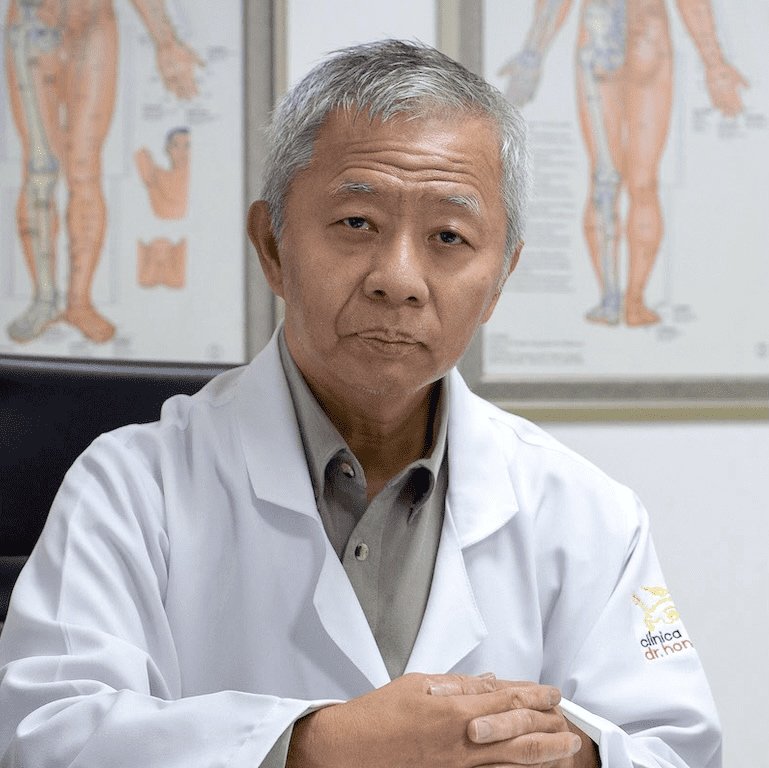
Expert Commentary
Prof. Dr. Hong Jin Pai
PhD in Sciences, University of São Paulo
▸ Clinical Relevance
After 17 years without a formal update of the international safety guidelines for oncology acupuncture, this document by de Valois et al. arrives at a time when practice has already spread widely through the world's major integrative oncology centers. The context has changed radically since 2006: checkpoint inhibitor immunotherapy, targeted therapies, greater survival, and consequently, a higher prevalence of late effects that demand complementary support. The recommendations are directly applicable to physicians caring for patients in active treatment with chemotherapy, radiation therapy, or SACT, as well as survivors with sequelae such as fatigue, peripheral neuropathy, hot flashes, and chronic pain. The Red and Amber Flags system offers the clinician an objective triage tool to decide between treating, postponing, or referring urgently, making the integration of acupuncture into the oncology plan safer and more communicable to the entire multidisciplinary team.
▸ Notable Findings
The most operationally relevant finding is the confirmation, supported by experts from five continents, that acupuncture presents a safety profile comparable to that of the general population when performed by trained physicians, with serious adverse events extremely rare and the most common — bleeding and local pain — occurring in fewer than two per thousand treatments. Equally notable is the attention devoted to immunotherapy-associated autoimmune reactions, a real gap in previous guidelines. The document acknowledges that neutropenia, thrombocytopenia, and lymphedema are not absolute contraindications but require specific technical adaptations — including nonpenetrative alternatives such as auricular acupressure and moxa. This clinical flexibility considerably broadens the treatment windows within the oncology cycle without compromising patient safety.
▸ From My Experience
At the Pain Center of HC-FMUSP, we regularly see patients referred from oncology with chemotherapy-induced neuropathy, persistent fatigue, and cancer-related menopausal syndrome. I have observed that patients in active treatment respond more gradually than the general population — I typically perceive the first signs of functional improvement between the fourth and sixth session, with protocols that frequently extend for 12 to 16 sessions before being spaced out to monthly maintenance. The main adaptation I practice in patients with thrombocytopenia is to reduce the number of needles, prefer low-vascular-risk points, and use gentle manual stimulation rather than electrical. For patients on immunotherapy, I have made it routine to check inflammatory markers before each session — something this document now formalizes. The profile that responds best, in my experience, is the patient with good adherence to conventional treatment, family support, and willingness to attend regular sessions; acupuncture, in these cases, frequently allows reduction of opioid analgesics and measurable improvement in sleep quality.
Full original article
Read the full scientific study
Supportive Care in Cancer · 2024
DOI: 10.1007/s00520-024-08386-6
Access original articleScientific Review

Marcus Yu Bin Pai, MD, PhD
CRM-SP: 158074 | RQE: 65523 · 65524 · 655241
PhD in Health Sciences, University of São Paulo. Board-certified in Pain Medicine, Physical Medicine and Rehabilitation, and Medical Acupuncture. Scientific review and curation of every entry in this library.
Learn more about the author →Medical disclaimer: This content is for educational purposes only and does not replace consultation, diagnosis, or treatment by a qualified professional. Some information may be assisted by artificial intelligence and is subject to inaccuracies. Always consult a physician.
Content reviewed by the medical team at CEIMEC — Integrated Centre for Chinese Medicine Studies, a reference in Medical Acupuncture for over 30 years.
Related articles
Based on this article’s categories