Acupuncture for Cancer Symptoms: Clinical Application and Longitudinal Impact — A Retrospective Observational Real-World Data Study
Lasheen et al. · Supportive Care in Cancer · 2026
Evidence Level
MODERATEOBJECTIVE
To evaluate the effectiveness of traditional Chinese acupuncture for cancer-related symptoms in a real-world clinical setting
WHO
2,239 cancer patients (83% women, mean age 57 years, 57% breast cancer)
DURATION
Data collected between 2015-2022; weekly sessions for 4 weeks
POINTS
Approximately 18 needles per session; individualized points based on symptoms, including Ashi points
🔬 Study Design
Main Cohort
n=2239
Group traditional Chinese acupuncture
Adherent patients
n=1867
≥2 acupuncture sessions
📊 Results in numbers
Adherence rate (≥2 sessions)
Clinical improvement - hot flashes at session 2
Clinical improvement - anxiety at session 2
Patients with multiple symptoms
Percentage highlights
📊 Outcome Comparison
Symptom severity on 0-10 scale
This large study followed more than 2,000 people with cancer who received acupuncture to treat symptoms such as pain, fatigue, anxiety, and hot flashes. The results showed that acupuncture significantly helped reduce these symptoms as early as the second session, with benefits sustained between sessions. Most people (83%) returned for additional sessions, indicating good acceptance of the treatment.
Article summary
Plain-language narrative summary
This retrospective study represents the largest real-world data analysis of acupuncture in oncology ever conducted, evaluating 2,239 consecutive cancer patients who received traditional Chinese acupuncture (TCA) in an outpatient setting between 2015 and 2022. The study was conducted at the Department of Supportive Oncology at Atrium Health Levine Cancer, where an Integrative Medicine Section was established in 2013 to integrate complementary practices into conventional cancer care. The study population was predominantly female (83%) with a mean age of 57 years, with 57% of cases related to breast cancer. The most common symptoms included pain (61%), sleep problems (50%), fatigue (45%), hot flashes (42%), anxiety (40%), and neuropathy (40%).
Most patients (68%) presented with multiple symptoms, with baseline severity between 5 and 6 on a 0-10 numerical scale. The intervention consisted of group acupuncture sessions, accommodating up to four patients simultaneously in recliner chairs similar to those used for chemotherapy. Licensed acupuncturists with more than 10 years of experience applied approximately 18 needles per session, with number and depth tailored to symptoms and prior patient response. Sessions lasted 30-45 minutes, with a recommendation of one session per week for four weeks.
The results demonstrated significant effectiveness of TCA for all evaluated symptoms. By session 2, all symptoms showed statistically significant improvement, with anxiety and hot flashes also showing clinically significant improvement (≥1 point on the scale). By session 3, all improvements were both statistically and clinically significant. Clinical response rates ranged from 57% for hot flashes to 42% for pain when all patients were included, and from 70% for hot flashes to 56% for pain among those who completed at least two sessions.
An important finding was that the benefits of TCA appeared to be sustained between sessions, suggesting lasting treatment effects. In addition, a dose-response relationship was observed, with multiple sessions needed for optimal benefit, especially for symptoms such as pain and fatigue. For symptoms of more acute nature, such as anxiety and hot flashes, the therapeutic effect was more pronounced and immediate. Treatment adherence was high, with 83% of patients returning for a second session.
Adherent patients tended to be older and with greater symptom burden. The study revealed important disparities in TCA use. Women and younger patients used the services more, while men and older adults had lower utilization, despite experiencing similar benefits when they participated in treatment. Women showed greater symptom burden (3 ± 2 vs.
2 ± 2 symptoms) and more severe symptoms in several categories. No significant differences in clinical response rates were observed between genders or age groups. Clinical implications are substantial. The study demonstrated that integration of TCA into conventional outpatient oncology settings is feasible and sustainable.
The group TCA model proved to be cost-efficient, allowing greater access to services. The weekly session frequency proved to be both acceptable and effective, contrasting with clinical trials that often use multiple sessions per week. The study identified significant gaps in the current evidence base, including the need for research on gender and age disparities, benefits in diverse populations, prescribing practices, cost-effectiveness analyses, and standardization of criteria for minimal clinically important difference. The findings support expanding insurance coverage for TCA services as a way to improve access and reduce disparities in cancer supportive care.
Strengths
- 1Largest real-world study in oncology acupuncture
- 2Large consecutive sample (n = 2,239)
- 3Longitudinal analysis of multiple symptoms
- 4Sustainable and replicable group-care model
- 5High adherence rate (83%)
Limitations
- 1Retrospective study without control group
- 2Potential self-referral selection bias
- 3Internal registry data not originally designed for research
- 4Single urban-center experience
- 5Important clinical variables not captured
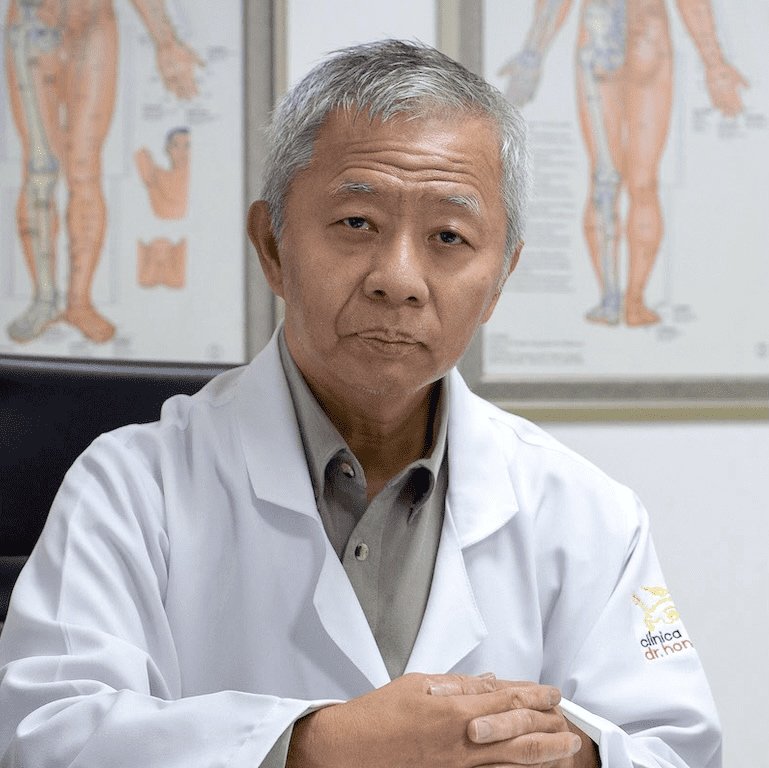
Expert Commentary
Prof. Dr. Hong Jin Pai
PhD in Sciences, University of São Paulo
▸ Clinical Relevance
The integration of acupuncture into supportive oncology care has moved from aspiration to documented clinical need. This work, with 2,239 consecutive patients followed over seven years, provides the most robust empirical basis available to support this practice in oncology outpatient clinics. The symptom profile described — pain in 61%, sleep disturbances in 50%, fatigue in 45%, hot flashes in 42%, and neuropathy in 40% — corresponds exactly to what is found in daily practice with patients on active treatment or cancer survivors, especially of breast cancer. The high adherence rate of 83% reflects real acceptability in a non-experimental context. The group-care model, with up to four patients simultaneously in recliner chairs, offers a logistically and economically viable solution for services with growing demand. Populations previously underrepresented in clinical trials — such as men and older patients — demonstrated equivalent benefit when effectively treated, reinforcing broad indication.
▸ Notable Findings
The documented speed of response is clinically relevant: by session 2, anxiety and hot flashes had already reached the threshold of clinically significant improvement, defined as a reduction of at least one point on the numerical scale. By session 3, all evaluated symptoms exceeded this threshold. This temporal gradation — earlier response for anxiety and hot flashes, later for pain and fatigue — suggests distinct underlying mechanisms and guides clinicians on realistic expectations by symptom type. Equally relevant is the evidence of sustained between-session effects, indicating that benefits do not dissipate in the treatment room. The identification of a dose-response relationship, with incremental gains over sessions, corroborates the practice of offering complete cycles rather than isolated sessions. Access disparities — lower utilization by men and older adults despite equivalent benefit — signal a gap that medical services should actively address.
▸ From My Experience
In my practice at the Acupuncture Group of the HC-FMUSP Pain Center, the pattern this study describes resonates with decades of clinical observation. For hot flashes induced by endocrine therapy in patients with breast cancer, I typically see consistent response between the second and third sessions — exactly as the data presented here suggest. For neuropathic pain and oncologic fatigue, the response is more gradual; I typically work with cycles of 8-12 sessions before reassessing the treatment plan. I have observed that patients with greater baseline symptom burden, paradoxically, tend to adhere better to treatment when they perceive early improvement in at least one priority symptom — which justifies mapping the most responsive symptom early in the first sessions to consolidate the therapeutic relationship. Combination with supervised physical activity and psycho-oncology support potentiates results, especially for fatigue and anxiety. I do not recommend acupuncture in regions with active lymphedema or severe thrombocytopenia. The group model described here is something we also adopt in high-demand contexts, with adherence results comparable to those reported.
Full original article
Read the full scientific study
Supportive Care in Cancer · 2026
DOI: 10.1007/s00520-026-10372-z
Access original articleScientific Review

Marcus Yu Bin Pai, MD, PhD
CRM-SP: 158074 | RQE: 65523 · 65524 · 655241
PhD in Health Sciences, University of São Paulo. Board-certified in Pain Medicine, Physical Medicine and Rehabilitation, and Medical Acupuncture. Scientific review and curation of every entry in this library.
Learn more about the author →Medical disclaimer: This content is for educational purposes only and does not replace consultation, diagnosis, or treatment by a qualified professional. Some information may be assisted by artificial intelligence and is subject to inaccuracies. Always consult a physician.
Content reviewed by the medical team at CEIMEC — Integrated Centre for Chinese Medicine Studies, a reference in Medical Acupuncture for over 30 years.
Related articles
Based on this article’s categories