Acupuncture vs. sham acupuncture for cancer-related fatigue in patients with breast cancer: a double-center, randomized, single-blind pilot study
Huang et al. · BMC Complementary Medicine and Therapies · 2026
Evidence Level
MODERATEOBJECTIVE
To evaluate the efficacy of acupuncture versus sham acupuncture for cancer-related fatigue in patients with breast cancer
WHO
64 women with breast cancer and cancer-related fatigue, BFI score ≥ 4
DURATION
6 weeks of treatment with 4 weeks of follow-up
POINTS
CV-12, CV-4, CV-6, LI-4 (bilateral), KI-3 (bilateral), ST-36 (bilateral), SP-6 (bilateral)
🔬 Study Design
True Acupuncture
n=32
Needling with deqi at specific points
Sham Acupuncture
n=32
Blunt needles without skin penetration
📊 Results in numbers
Fatigue reduction (BFI) at week 10
Fatigue reduction (FS-14) at week 10
Anxiety reduction (HADS-A) at week 10
Depression reduction (HADS-D) at week 10
Mild adverse events
Percentage highlights
📊 Outcome Comparison
Fatigue (BFI) at week 10
Anxiety (HADS-A) at week 10
This study demonstrated that true acupuncture was more effective than sham acupuncture for reducing cancer-related fatigue in women with breast cancer. The benefits became more evident over time, particularly after treatment ended, suggesting durable effects of acupuncture.
Article summary
Plain-language narrative summary
This double-center, randomized, single-blind pilot study investigated the efficacy of acupuncture in treating cancer-related fatigue in patients with breast cancer. Cancer-related fatigue is a debilitating symptom that affects up to 90% of patients with breast cancer, persisting even after treatment ends and significantly impacting quality of life.
The study enrolled 64 women with breast cancer and cancer-related fatigue (BFI score ≥ 4), randomized into two groups: true acupuncture (n=32) and sham acupuncture (n=32). The acupuncture protocol was based on Traditional Chinese Medicine principles for Qi and Blood deficiency, using specific points: CV-12 (中脘 Zhongwan), CV-4 (关元 Guanyuan), CV-6 (气海 Qihai), LI-4 (合谷 Hegu) bilateral, KI-3 (太溪 Taixi) bilateral, ST-36 (足三里 Zusanli) bilateral, and SP-6 (三阴交 Sanyinjiao) bilateral.
The true acupuncture group received traditional needling with deqi elicitation (the needle-arrival sensation), while the sham group received blunt needles that did not penetrate the skin, applied at the same points. Both groups received 20 sessions over 6 weeks: 4 sessions per week during the first 3 weeks and 8 sessions during the final 3 weeks, with each session lasting 30 minutes.
Outcomes were assessed using the Brief Fatigue Inventory (BFI), the Fatigue Scale-14 (FS-14), and the Hospital Anxiety and Depression Scale (HADS), measured at baseline and at weeks 6, 8, and 10. The study revealed an interesting pattern: although both groups showed similar improvements at week 6, the true acupuncture group demonstrated progressively greater benefits at weeks 8 and 10.
At week 10, the acupuncture group showed significantly greater reductions in fatigue (BFI: between-group difference -1.28 points, p=0.011; FS-14: -1.81 points, p=0.003) and in psychological symptoms (anxiety: -2.06 points, p=0.006; depression: -1.81 points, p=0.003) compared with the sham group.
Treatment safety was excellent, with only 9.4% of patients in the acupuncture group experiencing mild adverse events (localized subcutaneous bruising) that resolved spontaneously within a few days. Treatment adherence was 100% in both groups, demonstrating the acceptability of the intervention.
Proposed mechanisms for acupuncture efficacy include modulation of the hypothalamic-pituitary-adrenal axis, regulation of inflammatory cytokines, and improvement of mitochondrial energy metabolism. The point protocol was specifically designed to strengthen the Spleen and Stomach (ST-36, CV-12), tonify Kidney Qi (CV-4, KI-3), and regulate emotional stress (LI-4, SP-6).
Study limitations include the relatively small sample size as a pilot study, reliance on self-reported measures, and the inability to fully blind the acupuncturists. Future studies should include larger samples, objective markers (such as inflammatory indices), and comparison with usual care.
This study provides promising preliminary evidence that acupuncture may be an effective and safe non-pharmacological option for managing cancer-related fatigue, with effects that amplify over time, suggesting cumulative and durable benefits beyond placebo effects.
Strengths
- 1Controlled design with rigorous sham acupuncture at the same points
- 2Standardized acupuncture protocol based on guidelines
- 3Longitudinal follow-up showing durable effects
- 4Excellent treatment adherence and low adverse event rate
- 5Multiple outcome assessment including fatigue and mental health
Limitations
- 1Small sample size as a pilot study
- 2Reliance on self-reported measures without objective biomarkers
- 3Absence of a no-acupuncture control arm
- 4Inability to fully blind the acupuncturists
- 5Lack of detailed recording of comorbidities and concomitant medications
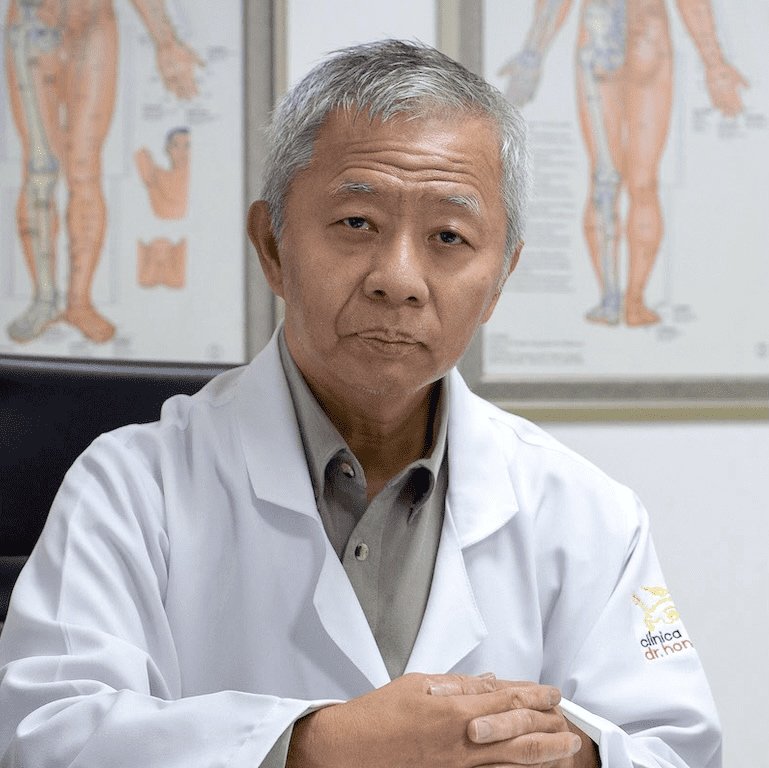
Expert Commentary
Prof. Dr. Hong Jin Pai
PhD in Sciences, University of São Paulo
▸ Clinical Relevance
Cancer-related fatigue represents one of the most refractory symptoms we encounter in oncology supportive care — affecting up to 90% of patients with breast cancer and frequently persisting well beyond the end of conventional treatment. The available pharmacologic armamentarium remains limited and burdened by additional adverse effects, which places acupuncture in a strategic position within an integrated care plan. The temporal pattern of results in this trial is clinically relevant: the divergence between true and sham acupuncture became evident only at weeks 8 and 10, that is, after the sessions had ended. This directly informs management — patients and care teams need to be prepared for a latency window before definitive efficacy can be judged. In addition, the effects on anxiety and depression reinforce acupuncture as an approach capable of simultaneously impacting multiple domains of oncology-related suffering.
▸ Notable Findings
The most noteworthy finding is not the magnitude of the differences themselves, but the moment at which they emerge. Both groups improved comparably by the end of the six-week treatment period; the true separation between true and sham acupuncture consolidated only during post-intervention follow-up — weeks 8 and 10 — with statistically significant between-group differences in BFI fatigue (-1.28 points, p=0.011), FS-14 (-1.81 points, p=0.003), anxiety (-2.06 points, p=0.006), and depression (-1.81 points, p=0.003). This pattern is consistent with prolonged-action neurobiological mechanisms — hypothalamic-pituitary-adrenal axis modulation, inflammatory cytokine regulation, and mitochondrial metabolism improvement — that do not extinguish when sessions end. The protocol based on Spleen-Stomach strengthening and Kidney Qi tonification (ST-36, CV-4, KI-3, SP-6) produced a cumulative effect distinct from needle placebo, with only 9.4% mild adverse events and 100% adherence.
▸ From My Experience
In my practice at the HC-FMUSP Pain Center, we have been following oncology patients with fatigue for many years, and the pattern described in this article resonates strongly with what we observe routinely: the first four to six sessions typically produce modest improvement in sleep and general disposition, but it is usually from the eighth session onward that patients report perceptible functional difference — greater tolerance to physical effort, reduced irritability, and improved mood. I typically work with cycles of 12 to 20 sessions in the active phase, followed by biweekly maintenance for two to three months. The patient profile that responds best, in my experience, is the one with fatigue predominantly of deficiency pattern — hyposomnia, lower-limb weakness, anorexia — precisely the pattern of deficient Qi and Blood that this protocol addresses. I almost always combine treatment with gradual physical activity counseling, and when there is a prominent emotional component, I maintain parallel psychiatric follow-up. I do not indicate acupuncture as monotherapy in patients with fatigue from severe anemia without prior hematologic correction — acupuncture potentiates but does not replace treatment of the cause.
Full original article
Read the full scientific study
BMC Complementary Medicine and Therapies · 2026
DOI: 10.1186/s12906-026-05341-2
Access original articleScientific Review

Marcus Yu Bin Pai, MD, PhD
CRM-SP: 158074 | RQE: 65523 · 65524 · 655241
PhD in Health Sciences, University of São Paulo. Board-certified in Pain Medicine, Physical Medicine and Rehabilitation, and Medical Acupuncture. Scientific review and curation of every entry in this library.
Learn more about the author →Medical disclaimer: This content is for educational purposes only and does not replace consultation, diagnosis, or treatment by a qualified professional. Some information may be assisted by artificial intelligence and is subject to inaccuracies. Always consult a physician.
Content reviewed by the medical team at CEIMEC — Integrated Centre for Chinese Medicine Studies, a reference in Medical Acupuncture for over 30 years.
Related articles
Based on this article’s categories