Efficacy of acupuncture in the prevention and treatment of chemotherapy-induced nausea and vomiting in patients with advanced cancer: a multi-center, single-blind, randomized, sham-controlled clinical research
Li et al. · Chinese Medicine · 2020
Evidence Level
MODERATEOBJECTIVE
To compare the efficacy of true acupuncture versus sham acupuncture in controlling chemotherapy-induced nausea and vomiting in patients with advanced cancer
WHO
134 patients with advanced cancer (lung, breast, gynecologic) receiving chemotherapy with cisplatin, anthracycline, or taxane
DURATION
21 days (5 days of treatment + 16 days of follow-up)
POINTS
CV-12 (Zhongwan 中脘), LR-13 (Zhangmen 章門), CV-6 (Qihai 氣海), ST-25 (Tianshu 天樞), PC-6 (Neiguan 內關), ST-36 (Zusanli 足三里) with electroacupuncture
🔬 Study Design
True Acupuncture
n=68
Acupuncture at traditional points with electroacupuncture at ST-36
Sham Acupuncture
n=66
Superficial needling at non-meridian points without manipulation
📊 Results in numbers
Complete response rate for nausea/vomiting
Reduction in nausea severity (day 3-21)
Reduction in vomiting severity (day 4-21)
Improvement in nutritional status on day 14
📊 Outcome Comparison
Nausea grade on day 3 (change from baseline)
Nutritional score (SNAQ) on day 21
This study showed that acupuncture, while it does not completely prevent chemotherapy-induced nausea and vomiting, can significantly reduce the intensity of these symptoms and improve patients' nutritional status. Acupuncture proved to be safe and may be a valuable complementary therapy during cancer treatment.
Article summary
Plain-language narrative summary
Acupuncture represents an ancient therapeutic approach that has gained increasing recognition in the Western world as a complementary treatment for various cancer-related symptoms. Among the most distressing side effects of chemotherapy are nausea and vomiting, which significantly affect patients' quality of life and may compromise their adherence to cancer treatment. Although modern antiemetic medications have revolutionized the control of these symptoms, many patients still experience nausea and vomiting, especially during the delayed phase after chemotherapy. Nausea, in particular, remains a challenging symptom to control, often being more persistent and bothersome than vomiting itself.
This multicenter, randomized, controlled study was conducted to investigate the efficacy of true acupuncture compared to sham acupuncture in controlling chemotherapy-induced nausea and vomiting in patients with advanced cancer. The research involved 134 participants divided into two groups: 68 received true acupuncture and 66 received sham acupuncture. Patients included in the study had a diagnosis of lung, breast, or gynecologic cancer and were scheduled to receive chemotherapy based on cisplatin, anthracycline, or taxanes. Treatment consisted of acupuncture sessions delivered twice on the first day of chemotherapy and once daily on the following four days.
True acupuncture used specific traditional Chinese medicine points, including electrical stimulation, while sham acupuncture used points without therapeutic significance in Chinese medicine, with superficial needle insertion.
The results revealed that, although true acupuncture did not demonstrate significant superiority in complete control rates of nausea and vomiting, it showed important benefits in reducing the intensity of these symptoms. Starting on the third day after chemotherapy initiation, patients who received true acupuncture had lower nausea intensity compared to the control group, with this difference remaining statistically significant until the end of the 21-day observation period. For vomiting, benefits became evident from the seventh day onward, also persisting until the end of the study. Additionally, patients treated with true acupuncture demonstrated better recovery of nutritional status, evidenced by significantly higher scores on appetite questionnaires administered on days 14 and 21 after chemotherapy initiation.
These findings have relevant clinical implications for both patients and healthcare professionals. For patients, the results suggest that acupuncture may be a valuable strategy as a complementary treatment, especially for those who continue to face persistent nausea and vomiting despite the use of conventional antiemetic medications. The improvement in nutritional status is particularly important, as adequate maintenance of nutrition during cancer treatment is directly related to the ability to tolerate chemotherapy and to clinical outcomes. For clinicians, the study provides evidence that acupuncture should be considered as part of an integrated approach to managing chemotherapy side effects, especially in cases where conventional methods do not provide satisfactory symptom control.
It is important to acknowledge the limitations of this study for an adequate interpretation of the results. Although it was a controlled study, the absence of a control group without any intervention limits the ability to fully distinguish the specific effects of acupuncture from possible physiological effects of sham acupuncture. In addition, some participants dropped out of the study for various reasons, which may have influenced the results. Slower-than-expected recruitment also represented a challenge, reflecting possible practical barriers to implementing acupuncture studies in clinical oncology settings.
Despite these limitations, the study offers encouraging evidence that acupuncture may be a useful tool in the therapeutic arsenal for improving cancer patients' quality of life, particularly in controlling the intensity of nausea and vomiting and promoting nutritional recovery during chemotherapy treatment.
Strengths
- 1Multicenter study with acupuncturists trained in a standardized manner
- 2Included patients with different cancer types and stages, increasing applicability
- 3Extended 21-day follow-up beyond the chemotherapy period
- 4Well-designed sham control to eliminate placebo effect
Limitations
- 1Lack of a waitlist control group to eliminate physiological effects of sham acupuncture
- 2Dropout rate of 6.6% may have impacted the results
- 3Possibility that some patients could identify whether they received true or sham acupuncture
- 4Slower-than-expected recruitment limited the sample size
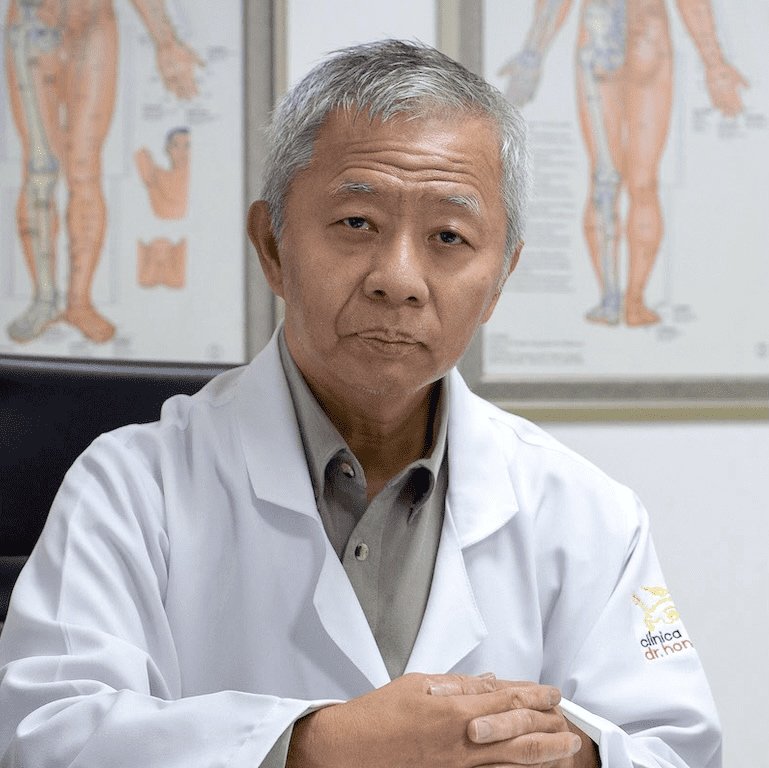
Expert Commentary
Prof. Dr. Hong Jin Pai
PhD in Sciences, University of São Paulo
▸ Clinical Relevance
Control of chemotherapy-induced nausea and vomiting remains one of the greatest challenges in supportive oncology care, even with the modern antiemetic arsenal — 5-HT3 antagonists, corticosteroids, aprepitant. A substantial proportion of patients with advanced cancer on cisplatin-, anthracycline-, or taxane-based regimens still experience refractory delayed nausea that compromises food intake, weight, and ability to complete cycles. This multicenter study, with 134 patients and 21-day follow-up, demonstrates that true acupuncture produces sustained reductions in nausea intensity from the third day and vomiting from the seventh, with an added benefit in nutritional status assessed on days 14 and 21. This positions acupuncture not as a substitute for conventional antiemetics, but as an integrative strategy especially indicated in the delayed phase — precisely where pharmacotherapy shows greater fragility — and in populations with lung, breast, or gynecologic cancer undergoing highly emetogenic regimens.
▸ Notable Findings
The most noteworthy finding is not the absence of a difference in complete response rate — an outcome notoriously difficult to separate from sham effect in acupuncture studies — but rather the temporal trajectory of the benefits. The statistically significant separation for nausea occurs as early as the third day and is sustained throughout the 21-day observation period, extending well beyond the chemotherapy cycle itself. This suggests a more durable modulatory effect than merely a point-in-time one. The nutritional data reinforces this reading: appetite scores on day 14 were 21.82 in the active group versus 20.12 in the sham group (P = 0.003), a difference with real clinical impact, since malnutrition in advanced cancer patients directly affects tolerability and outcome. The use of electroacupuncture at ST-36 as a protocol component is another point that deserves attention — it points to a technical standardization compatible with hospital implementation.
▸ From My Experience
In my practice at the Pain Center of HC-FMUSP, we have integrated acupuncture into supportive oncology care for over two decades, and the response profile described in this study is quite consistent with what we routinely observe. Patients on moderately to highly emetogenic chemotherapy typically show perceptible reduction in delayed nausea between the third and fifth sessions — which coincides, not by chance, with the third-day milestone identified in the article. We routinely work with protocols of five sessions per cycle, combining PC-6, ST-36, SP-4, and CV-12, with electroacupuncture at 2 Hz frequency at ST-36 for patients who tolerate it. The patient profile that responds best, in our experience, is one with nausea predominant over vomiting, without established cachexia — and that is precisely where the nutritional data of this study makes the most clinical sense. We contraindicate acupuncture in irradiated areas with active skin lesion and in thrombocytopenia below 50,000. Combination with ginger capsules and fractionated dietary management consistently enhances the results.
Full original article
Read the full scientific study
Chinese Medicine · 2020
DOI: 10.1186/s13020-020-00333-x
Access original articleScientific Review

Marcus Yu Bin Pai, MD, PhD
CRM-SP: 158074 | RQE: 65523 · 65524 · 655241
PhD in Health Sciences, University of São Paulo. Board-certified in Pain Medicine, Physical Medicine and Rehabilitation, and Medical Acupuncture. Scientific review and curation of every entry in this library.
Learn more about the author →Medical disclaimer: This content is for educational purposes only and does not replace consultation, diagnosis, or treatment by a qualified professional. Some information may be assisted by artificial intelligence and is subject to inaccuracies. Always consult a physician.
Content reviewed by the medical team at CEIMEC — Integrated Centre for Chinese Medicine Studies, a reference in Medical Acupuncture for over 30 years.
Related articles
Based on this article’s categories