LR-4 Zhongfeng (中封) — Middle Seal
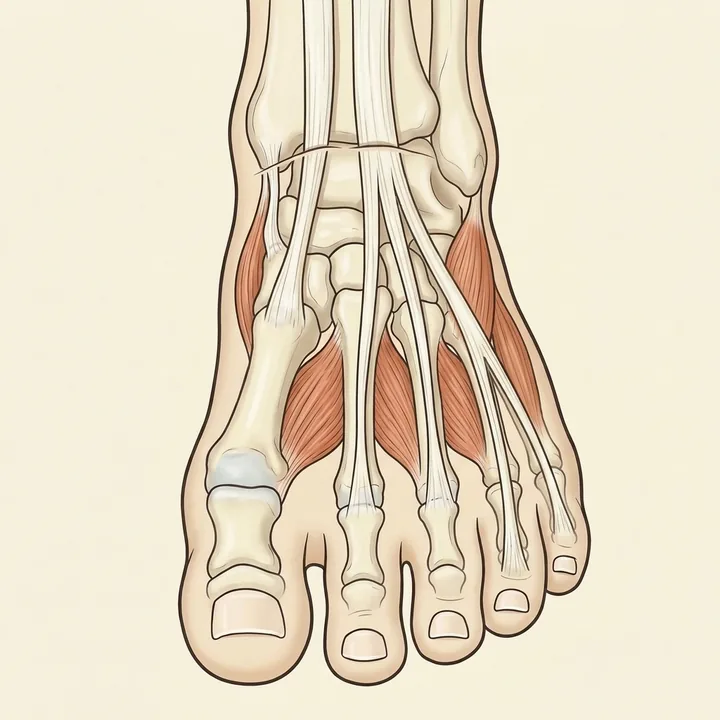
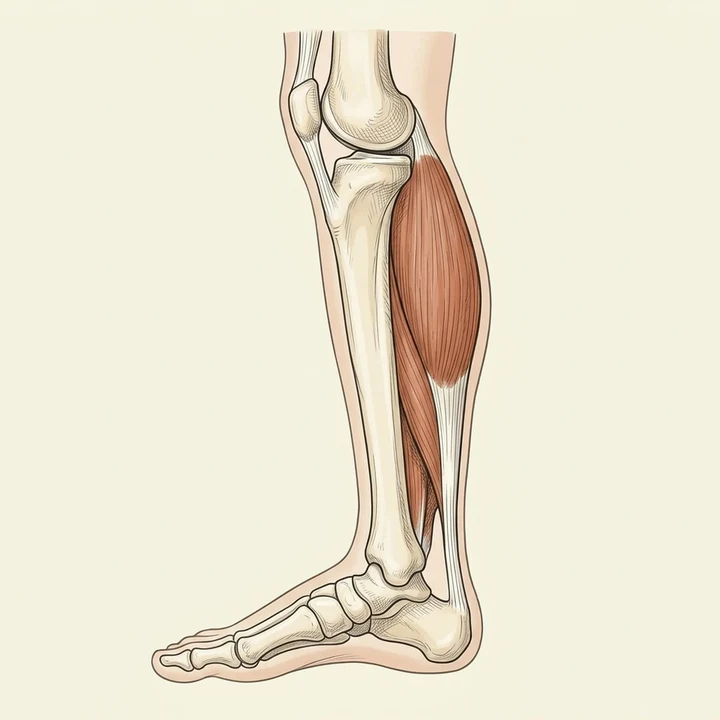
On the anteromedial aspect of the ankle, in front of the medial malleolus, in the depression next to the medial border of the tendon of the tibialis anterior.
With the foot in dorsiflexion, identify the tendon of the tibialis anterior. Locate the depression on the medial side of that tendon, in front of the medial malleolus.
Medial to the tendon of the tibialis anterior. Innervated by the saphenous nerve and the deep fibular nerve.
Perpendicular insertion 0.5–0.8 cun, or oblique insertion medially or laterally.
Medical application & myofascial correlation
Clinical synthesis
See Tai Chong (LR-3) for further details.
Clinical practice indications
- 01Anterior ankle impingement
- 02Urinary retention
- 03Prostatitis
- 04Inguinal hernia
Presenting symptoms & complaints
Classical tradition, channel actions & source
Classical therapeutic actions
- Disperses Liver Qi
- Regulates the Lower Jiao
- Clears Heat from the Liver channel
Traditional indications (TCM)
Functional classification
Character etymology
Zhong (中), middle; Feng (封), mound, seal. The point lies at the ankle, between the tendons of the tibialis anterior and extensor hallucis longus, as in a depression between two mounds — hence the name "middle seal" (Deadman, A Manual of Acupuncture, 2007, p. 473).
Three-level neuromodulation recruited from LR 4
Physical teaching maquette of the peripheral, segmental spinal, and descending supraspinal pathways engaged by medical needling along the Liver channel.
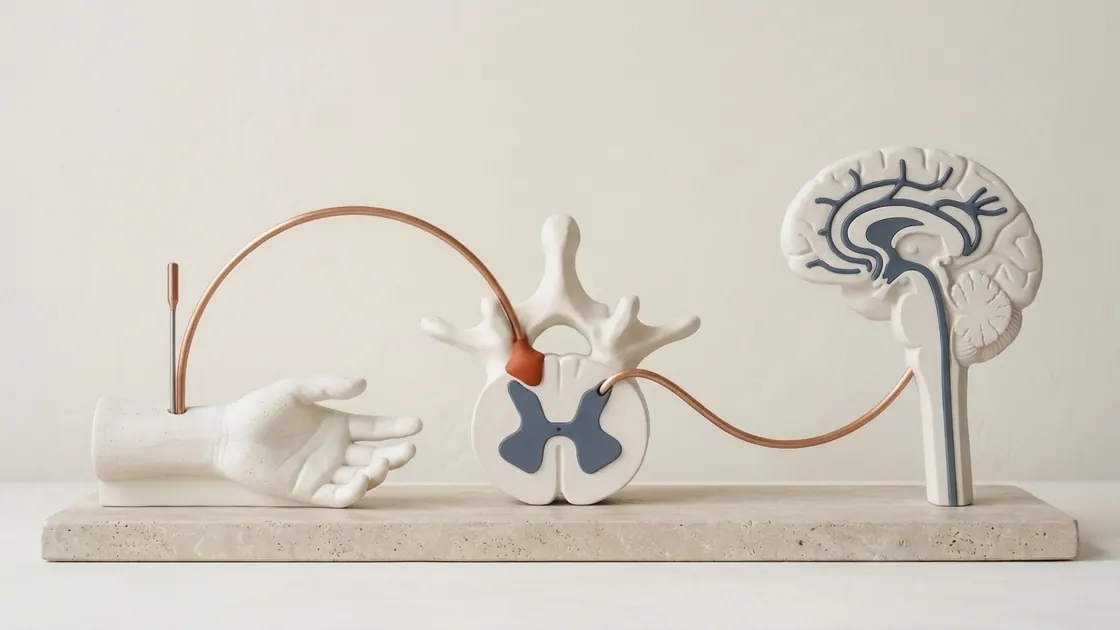
Peripheral afferent input
Targeted needling at LR 4 (Liver) activates myelinated Aβ and Aδ afferent fibers in fascia and muscle, initiating a structured drug-free sensory signal.
Segmental dorsal horn gating
Within the matching spinal cord segment, inhibitory interneurons attenuate ascending nociceptive traffic and balance segmental viscerosomatic autonomic reflexes.
Supraspinal descending control
Brainstem and cortical relays (periaqueductal gray and rostral ventromedial medulla) recruit endogenous opioids, serotonin, and norepinephrine to quiet pain amplification.
Clinical relations & channel protocols
Immediate neighbors on the meridian
LR 4 in research
How many Library studies cite this point, since when, and with which designs and verdicts.
- Studies
- 1Library study cites LR 4
- By year
- 2019
- Verdict
- Strong1
- Study designs
- Other designs1
- Classical source
- Ling Shu
- Depth
- 0.5–0.8 cunOblique
Each study counts once, under the most specific design it states. The verdict is the Library’s word for the strength of each study’s evidence.
See the numbers: LR 4 in research
| Year | Studies |
|---|---|
| 2019 | 1 |
Often appears with
Points the Library studies cite together with LR 4. It shows research practice, not a prescription.
Each filled mark stands for 5 studies; an open mark, for 1 to 4.
Related clinical reading
6Understand overactive bladder syndrome — a condition marked by urinary urgency, frequency, and nocturia, its neurophysiological mechanisms, and treatment options.
Understand interstitial cystitis/bladder pain syndrome — a chronic condition of pelvic pain, urinary urgency, and frequency, its mechanisms, and treatments.
Understand erectile dysfunction — a vascular and neurologic condition that affects millions of men, its pathophysiologic mechanisms, diagnosis, and evidence-based treatments.
Understand functional dyspepsia — chronic stomach discomfort without identifiable organic cause, its mechanisms, diagnosis, and evidence-based treatments.
Understand chronic gastritis — the persistent inflammation of the gastric mucosa, its causes (H. pylori, autoimmune, chemical), histologic diagnosis, and evidence-based treatments.
Understand urge urinary incontinence — the involuntary loss of urine associated with the imperious need to void, its mechanisms and treatments.