Therapeutic exercise
Active Pin-and-Stretch of the Upper Trapezius
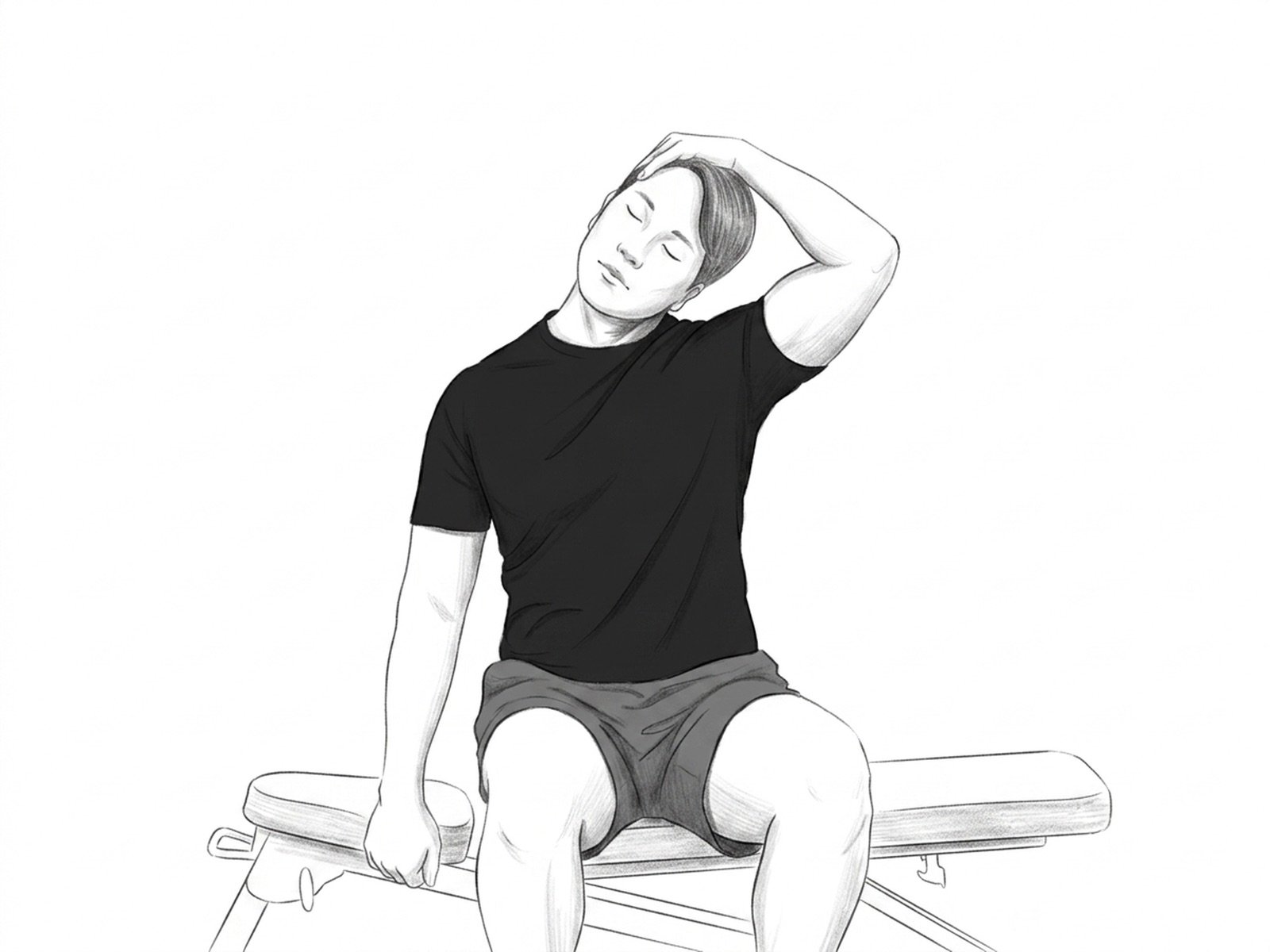
Combined technique of ischemic compression over an active trigger point in the upper trapezius with active neck movement. Sustained pressure deactivates the trigger point while active movement amplifies the release — one of the most effective techniques for self-treatment of cervical myofascial pain.
How to perform
- Starting position. Sit upright in a chair with the shoulders relaxed.
- Step 2. With the hand contralateral to the affected trapezius, locate the muscle belly between the neck and shoulder (along the top of the shoulder) and identify the most tender trigger point on palpation.
- Step 3. Apply firm but sustained pressure on the trigger point — 70% of maximum tolerance, for 30 to 60 seconds, until the pain begins to subside.
- Step 4. Maintaining the pressure, slowly tilt the head to the opposite side of the compressed trapezius, creating active stretching of the muscle while the pressure persists.
- Return. Slowly return to neutral while maintaining the pressure and repeat the cycle 3 to 5 times. Trigger-point deactivation usually occurs within 2 to 3 minutes total.
When not to perform
- Acute cervical pain with neurogenic radiation
- Cervical instability
- Vertebrobasilar insufficiency
- Cervical deep vein thrombosis
- Local infection or cervical lymphadenopathy
- Recent post-operative cervical-spine surgery
Medical disclaimer. These exercises are presented for informational purposes only. Always consult your physician before starting any exercise program, especially in case of acute pain, recent injury, or underlying clinical condition.
Related Exercises
Upper-Trapezius Stretch
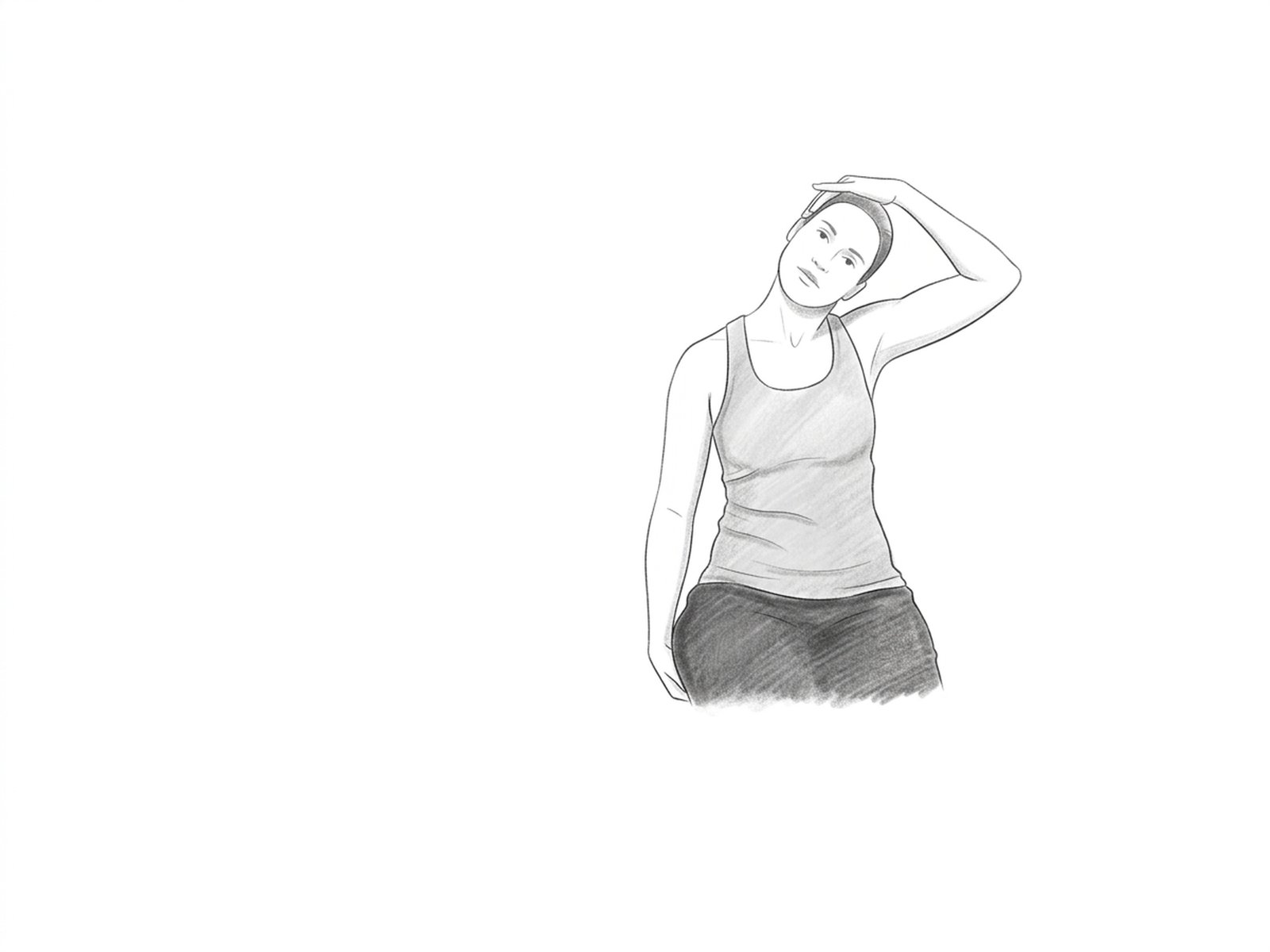
Stretches the upper trapezius — a muscle that is commonly hypertonic in patients with mechanical neck pain. Relieves the sensation of heaviness and tension in the neck and shoulders.
Eccentric Shoulder Shrug
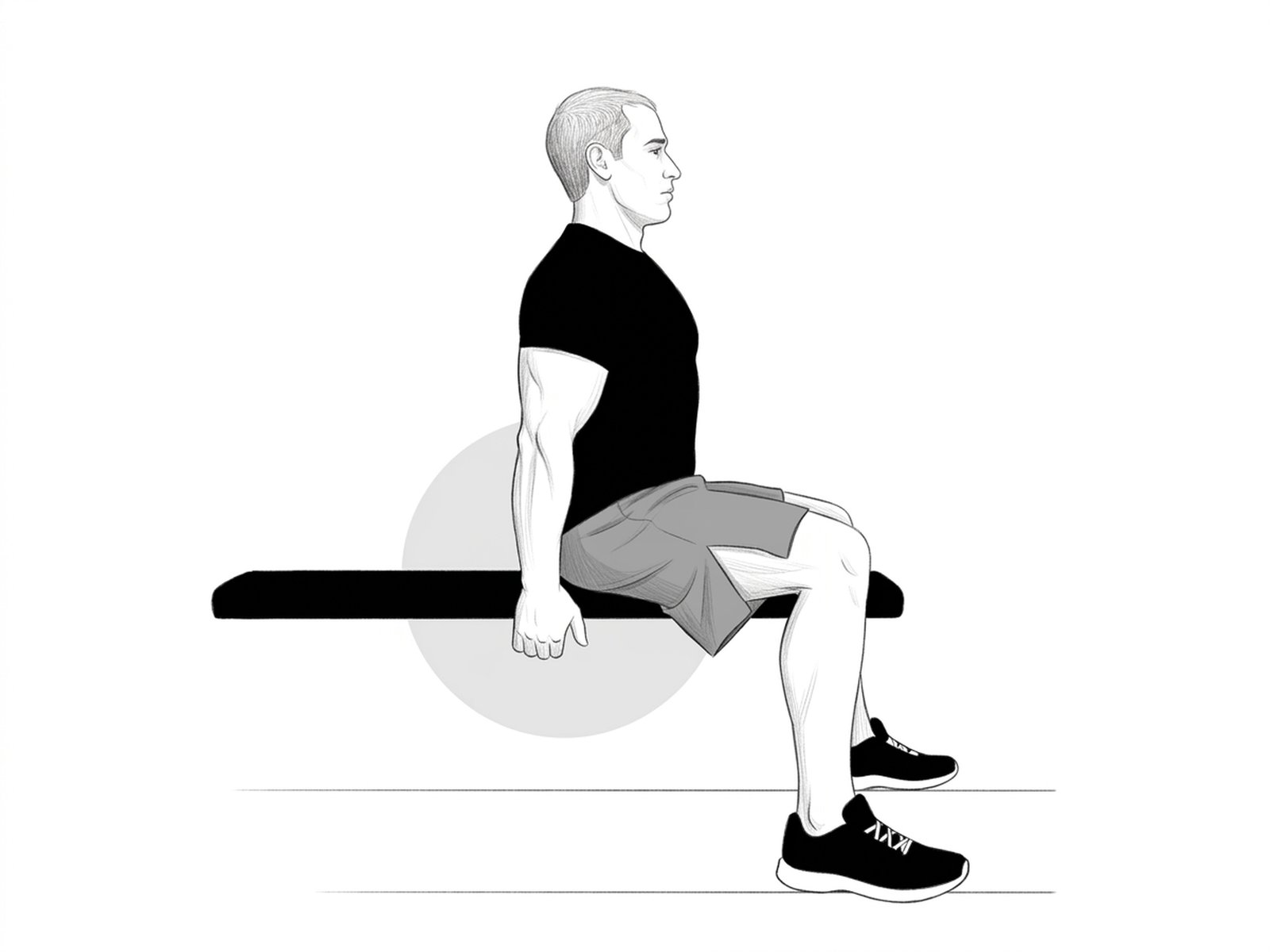
Strengthening of the upper trapezius with heavy load and slow cadence on the descent (eccentric phase). Contrary to common belief, a weak (not shortened) upper trapezius is often the cause of chronic pain in the region — remodeling the tissue with progressive loading is the central strategy in treatment.
Levator Scapulae Stretch
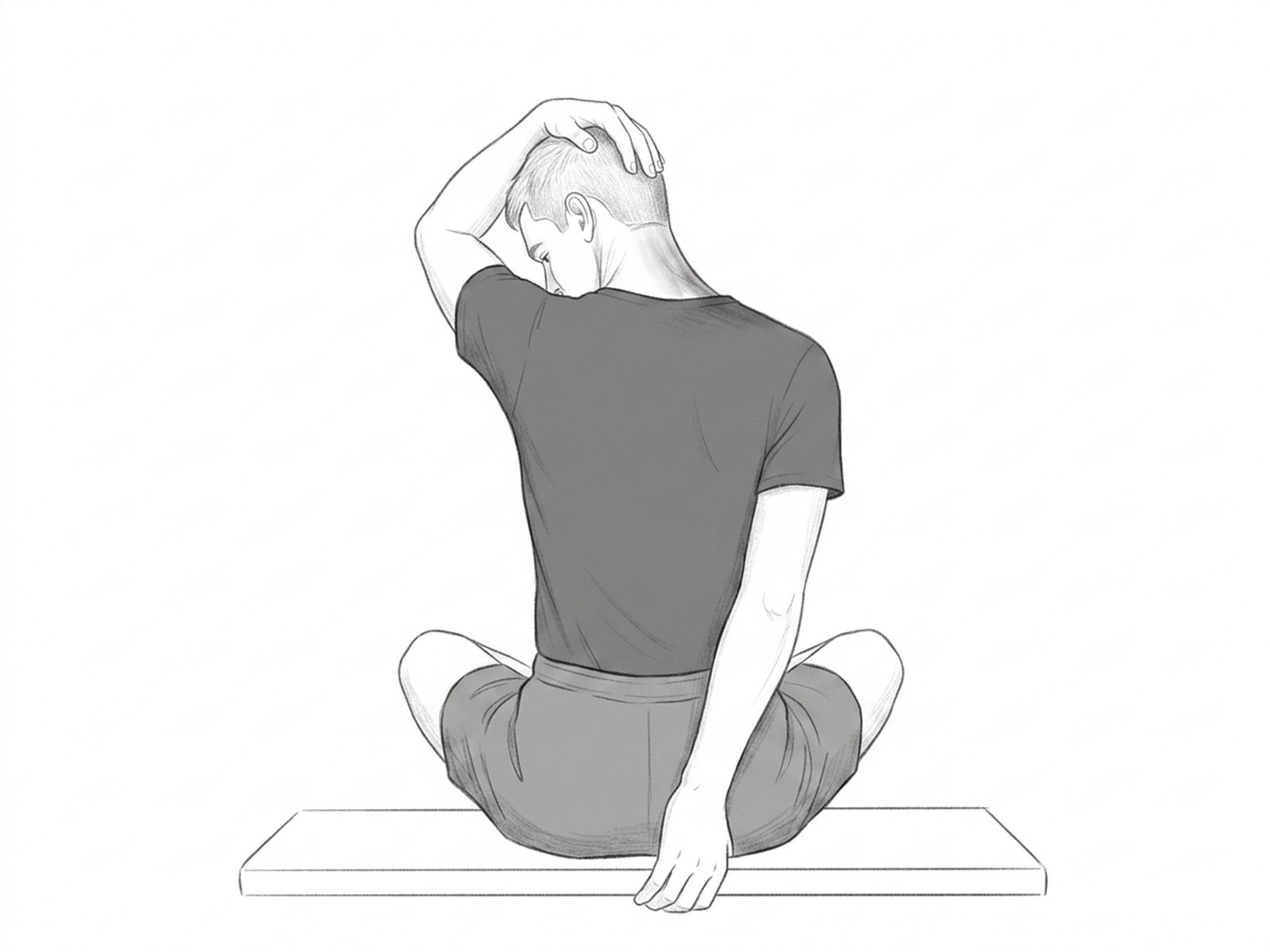
Stretches the levator scapulae — a classic culprit in posterolateral neck pain and that sensation of heaviness around the neck, typical of people who spend long hours with the head forward in front of screens.