Pectoralis ball release
A ball release means pressing a muscle against a ball. Here you lean your upper chest into a ball against a wall, on the pectoralis major, the large muscle across the front of your chest. The one study of a ball on this muscle alone saw no effect. The word release in the name is only a common label. Read the cautions first.
Muscles worked
Illustration demonstrating the position of the Pectoralis ball release exercise.
Biomechanical Execution Sequence
12 phases- Starting position
Take a ball about the size of a tennis ball, firm but not hard.
- Phase 2
Stand on a non-slip floor facing a wall, with your feet a small step away from it.
- Phase 3
With one flat hand, hold the ball on the wall at the height of your upper chest.
- Phase 4
Lean in gently until your chest holds the ball in place, about a ball's width below your collarbone, between your breastbone and the middle of your collarbone, above the top of your breast.
- Phase 5
Let both arms hang low by your sides.
- Phase 6
Turn your body slightly to move the ball until it sits on a tender spot in the muscle, staying off your breastbone and your collarbone, and away from your armpit.
- Phase 7
Lean in a little more until the pressure is gentle to moderate and stays comfortable.
- Phase 8
Hold still for 1 minute, breathing slowly.
- Phase 9
Lean back and take the ball in one hand.
- Phase 10
Rest for 1 minute.
- Phase 11
Repeat the hold once.
- Return
Do the other side the same way if it is also tender.
Prescribed in Clinical Guides
Medical disclaimer. These exercises are presented for informational purposes only. Always consult your physician before starting any exercise program, especially in case of acute pain, recent injury, or underlying clinical condition.
Related Exercises
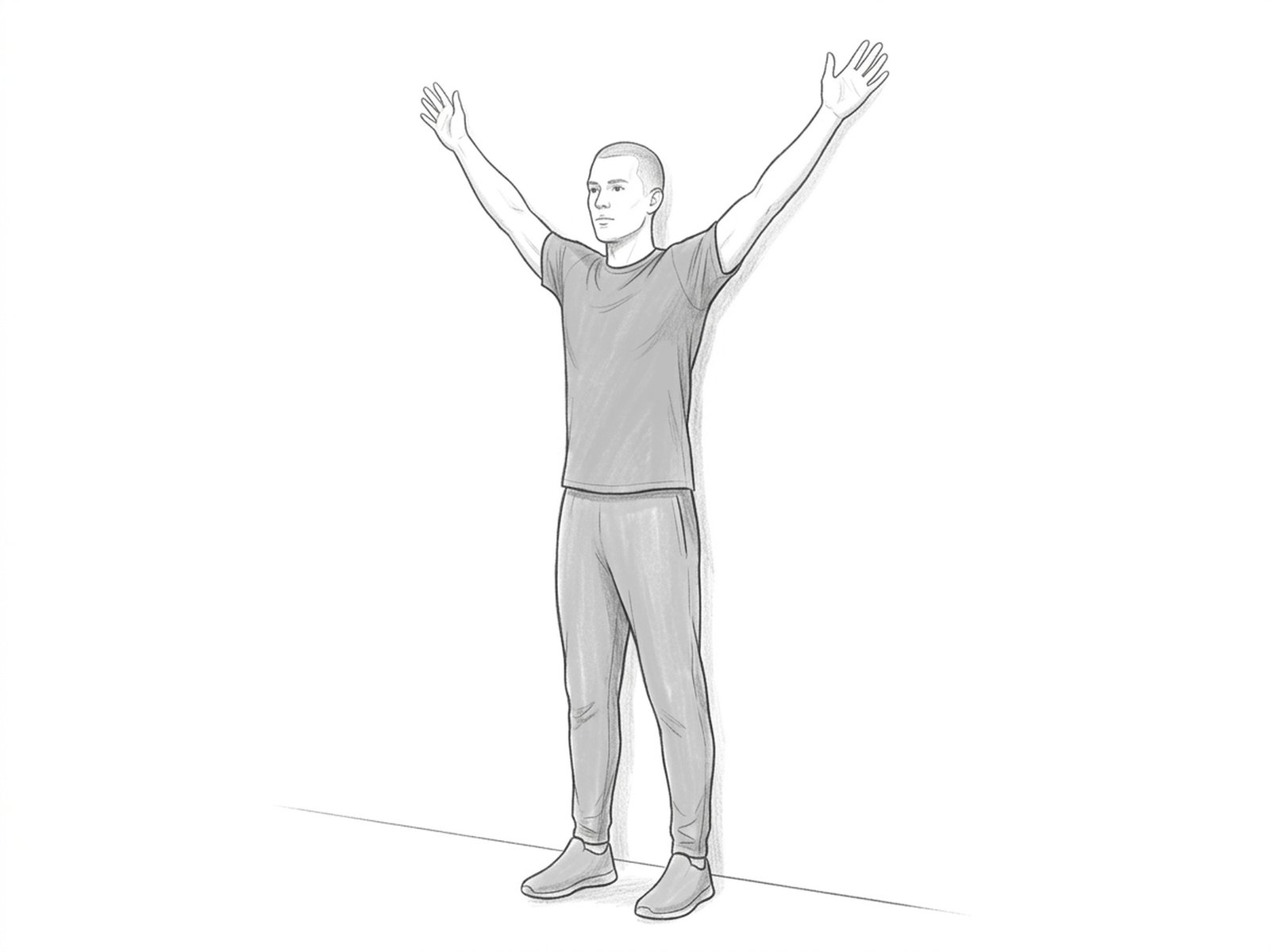
Wall Slide
Mobilization of the scapulothoracic chain in a functional elevation pattern. Restores the scapulohumeral rhythm, frequently dysfunctional in impingement syndrome.
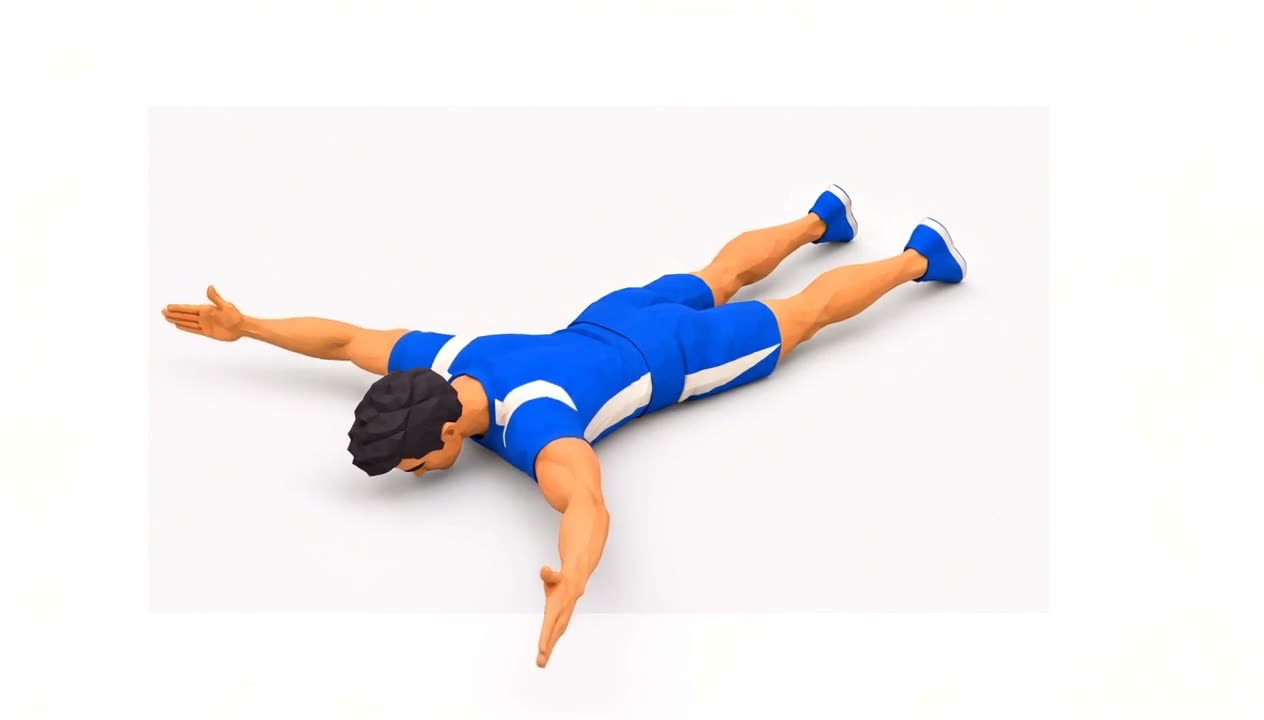
Prone Y-T-W raises
Prone Y-T-W raises comprehensively target the periscapular and rotator cuff musculature to improve scapulothoracic rhythm and dynamic stabilization. By strengthening the lower trapezius, middle trapezius, and posterior rotator cuff, this exercise may help reduce anterior scapular tipping and support subacromial space during upper extremity elevation, thereby reducing impingement symptoms.
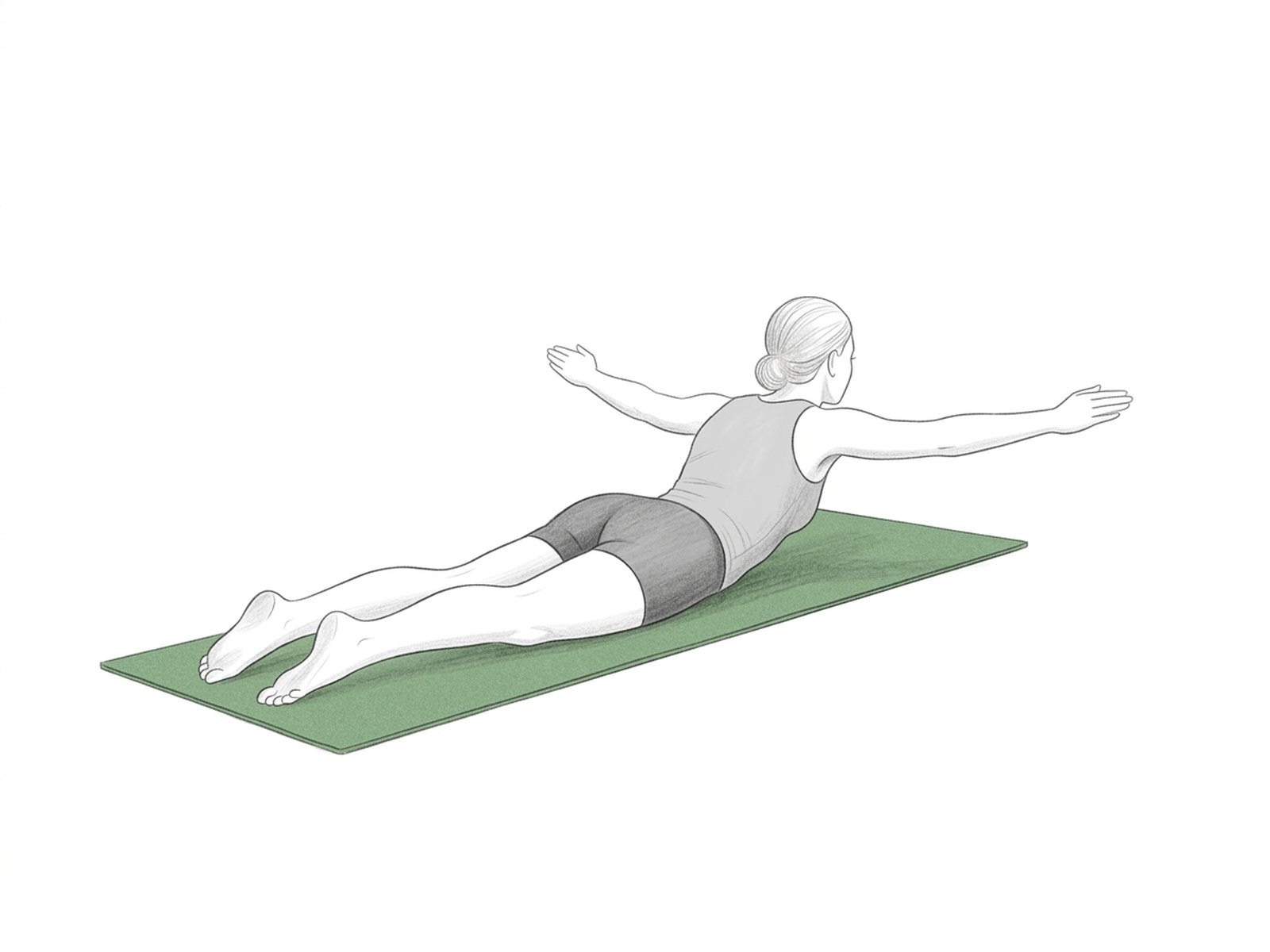
Prone T-Raise
Isolation of the middle trapezius and posterior deltoid in a prone position. Component of the Prone I/T/Y/W series — essential for re-balancing the shoulder girdle in patients with upper-crossed syndrome and scapular dyskinesia.