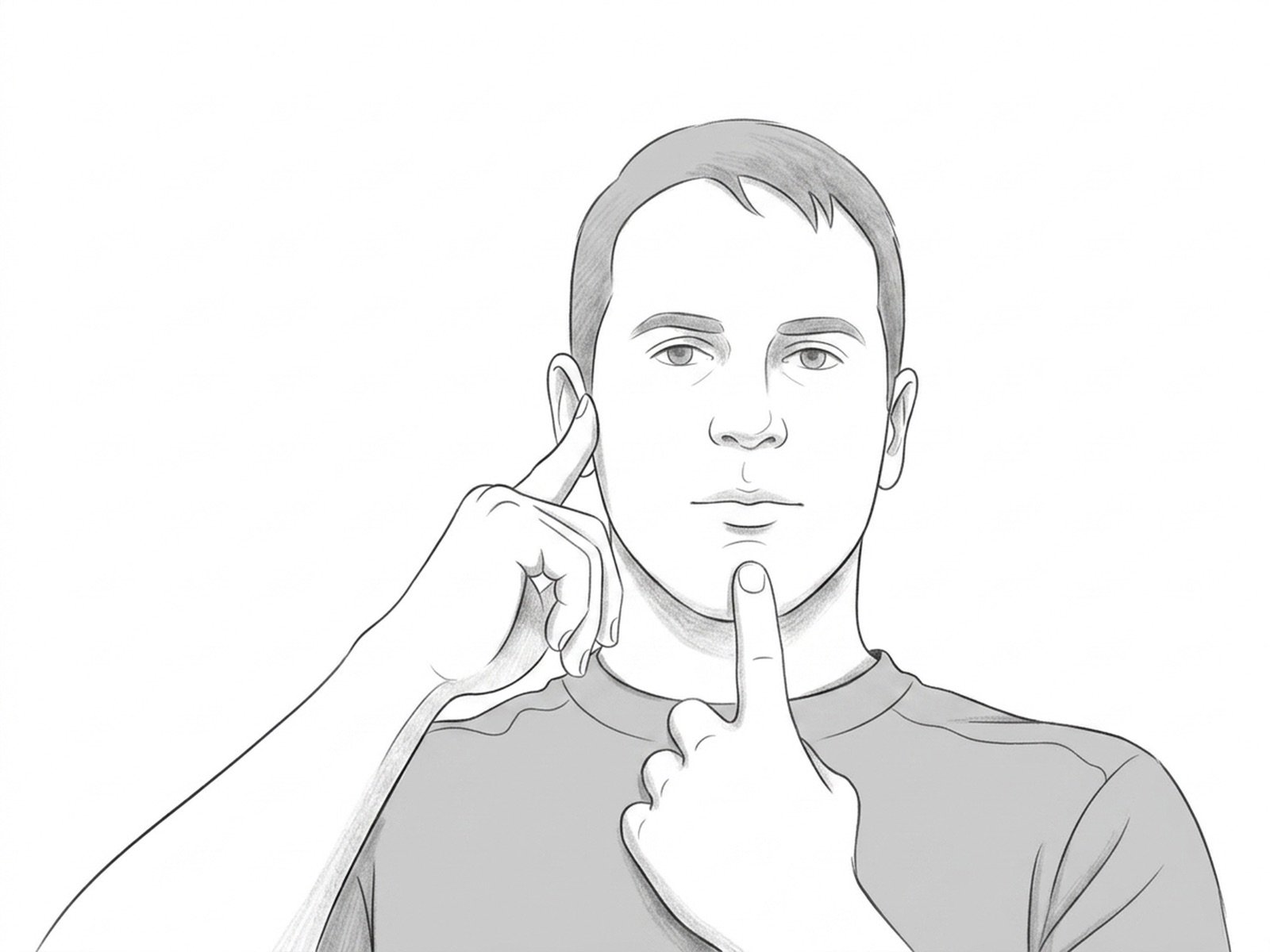
Therapeutic exercise
Controlled Mouth Opening
Restores symmetric mandibular opening. Central to conservative treatment of temporomandibular dysfunction with partial locking.
How to perform
- Starting position. Sit upright in front of a mirror to monitor symmetry.
- Step 2. Slowly open your mouth to the maximum pain-free range, keeping the chin centered.
- Step 3. If you notice deviation, partially close and continue more slowly.
- Return. Close with control and repeat.
When not to perform
- Acute joint locking
- Recent prior dislocation
Medical disclaimer. These exercises are presented for informational purposes only. Always consult your physician before starting any exercise program, especially in case of acute pain, recent injury, or underlying clinical condition.
Related Exercises
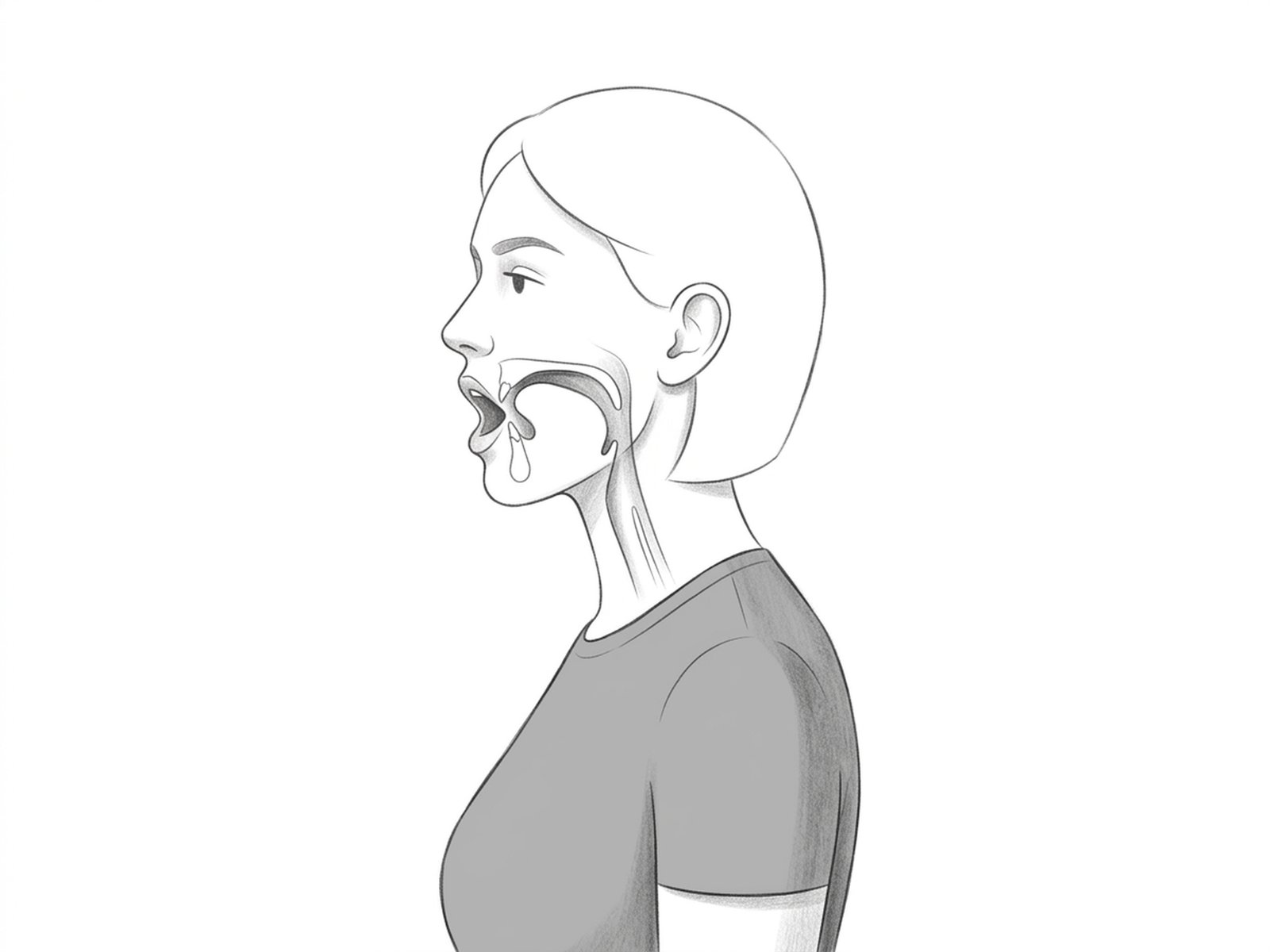
Mouth Opening with Tongue on Palate
A limited mouth-opening drill performed with the tongue against the palate. Trains the deep mandibular flexors and prevents excessive masseter activation.
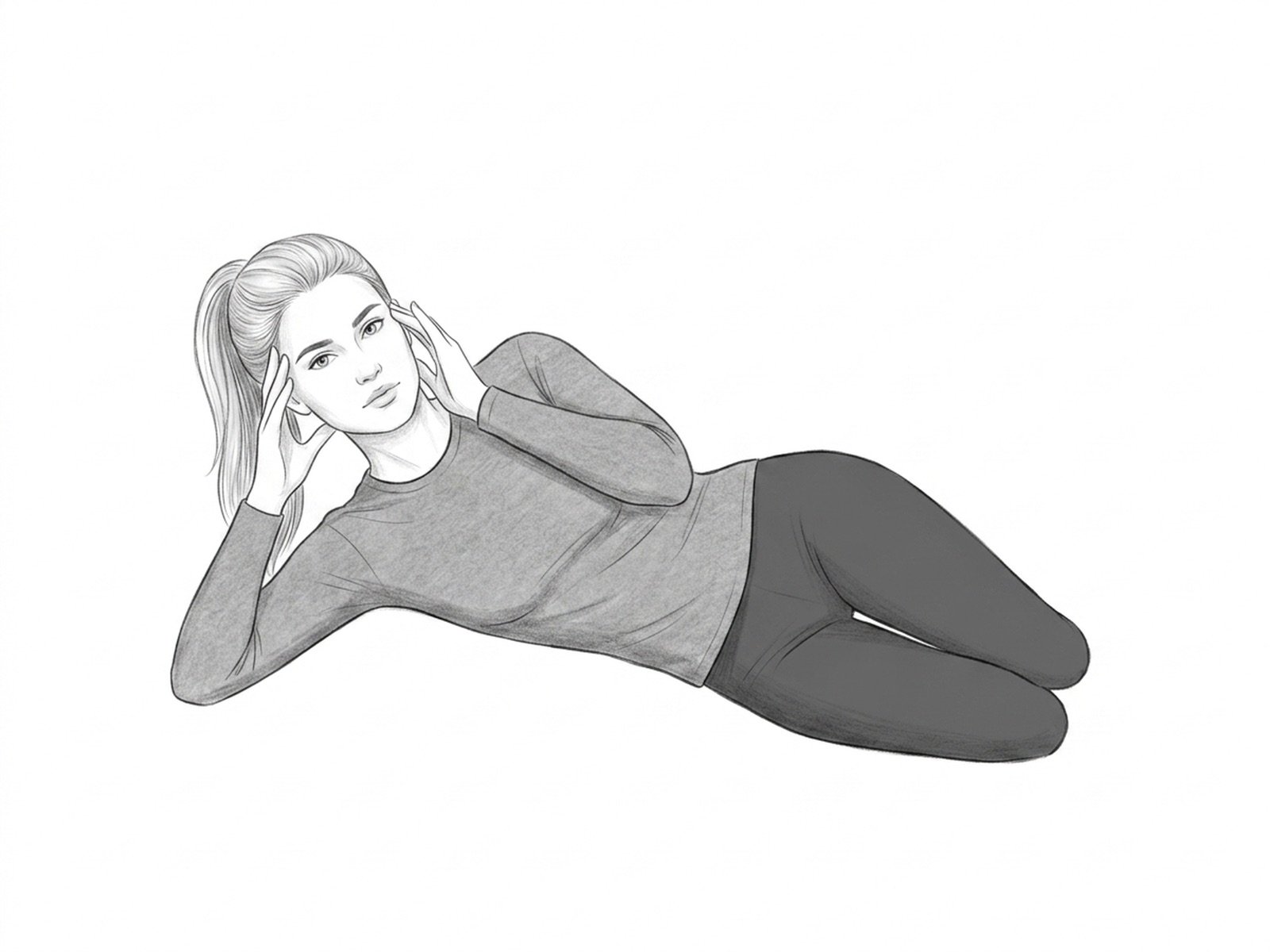
Lateral Jaw Mobility
Active lateral mandibular mobilization. Maintains lateral translation range and reduces post-bruxism stiffness.
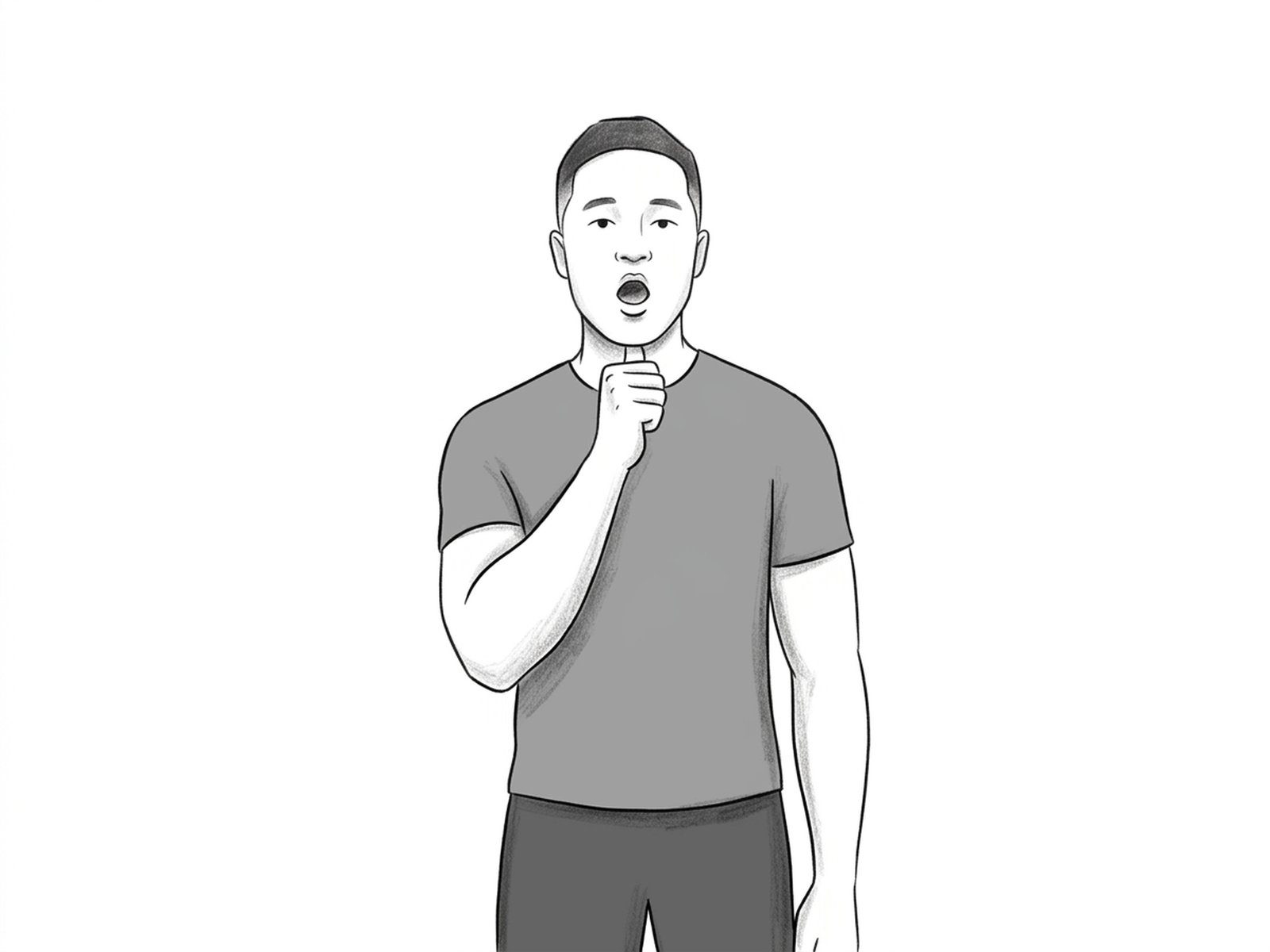
Resisted Mouth Opening (Isometric)
Isometric contraction of the suprahyoid muscles (mouth openers) against manual resistance. Strengthens the mandibular depressor musculature in TMD patients — especially useful when opening is limited or follows an S-shaped trajectory.